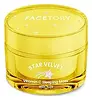
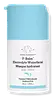
Facetory Star Velvet Vitamin C Sleeping Mask With Yuja Versus Drunk Elephant F-Balm Electrolyte Waterfacial
This brightening overnight mask is formulated around Ascorbic Acid and 3-O-Ethyl Ascorbic Acid to brighten dull-looking skin.
This hydrating overnight mask is formulated around Squalane and Niacinamide to hydrate skin and strengthen the skin barrier.


What's inside
What's inside
 Key Ingredients
Benefits
Concerns
Ingredients Side-by-side
Water
Skin ConditioningCetearyl Alcohol
Emollient






Glycerin
Humectant


Butylene Glycol
Humectant
Glyceryl Stearate
Emollient
Cetyl Ethylhexanoate
EmollientButyrospermum Parkii Butter
Skin Conditioning
Polyglyceryl-3 Methylglucose Distearate
Emulsifying
Simmondsia Chinensis Seed Oil
Emollient
Dimethicone
Emollient
Sorbitan Sesquioleate
Emulsifying
1,2-Hexanediol
Skin Conditioning
Sodium Hyaluronate
Humectant


Hippophae Rhamnoides Fruit Extract
Skin Conditioning
Betaine
Humectant
Helianthus Annuus Seed Oil
Emollient
Beta-Carotene
Skin ConditioningCarbomer
Emulsion StabilisingArginine
Masking
Propanediol
Solvent
Caprylyl Glycol
Emollient
Illicium Verum Fruit Extract
Perfuming
Xanthan Gum
EmulsifyingPanthenol
Skin Conditioning
Beta-Glucan
Skin Conditioning
Tocopheryl Acetate
Antioxidant


Citrus Junos Fruit Extract
Skin ConditioningEthylhexylglycerin
Skin ConditioningCeramide NP
Skin Conditioning
Glycosphingolipids
EmollientHydrogenated Lecithin
Emulsifying
Salvia Officinalis Leaf Extract
CleansingChamaecyparis Obtusa Leaf Extract
Skin ConditioningMelissa Officinalis Leaf Extract
Skin ConditioningPinus Densiflora Leaf Extract
Antimicrobial
Nelumbo Nucifera Leaf Extract
Skin ConditioningAvena Sativa Meal Extract
SoothingOryza Sativa Bran Extract
Skin Conditioning
Solanum Lycopersicum Fruit Extract
Antioxidant
Ascorbic Acid
Antioxidant


3-O-Ethyl Ascorbic Acid
Skin Conditioning
Citrus Aurantium Dulcis Peel Oil
Masking
Water, Cetearyl Alcohol, Glycerin, Butylene Glycol, Glyceryl Stearate, Cetyl Ethylhexanoate, Butyrospermum Parkii Butter, Polyglyceryl-3 Methylglucose Distearate, Simmondsia Chinensis Seed Oil, Dimethicone, Sorbitan Sesquioleate, 1,2-Hexanediol, Sodium Hyaluronate, Hippophae Rhamnoides Fruit Extract, Betaine, Helianthus Annuus Seed Oil, Beta-Carotene, Carbomer, Arginine, Propanediol, Caprylyl Glycol, Illicium Verum Fruit Extract, Xanthan Gum, Panthenol, Beta-Glucan, Tocopheryl Acetate, Citrus Junos Fruit Extract, Ethylhexylglycerin, Ceramide NP, Glycosphingolipids, Hydrogenated Lecithin, Salvia Officinalis Leaf Extract, Chamaecyparis Obtusa Leaf Extract, Melissa Officinalis Leaf Extract, Pinus Densiflora Leaf Extract, Nelumbo Nucifera Leaf Extract, Avena Sativa Meal Extract, Oryza Sativa Bran Extract, Solanum Lycopersicum Fruit Extract, Ascorbic Acid, 3-O-Ethyl Ascorbic Acid, Citrus Aurantium Dulcis Peel Oil
Water
Skin ConditioningSqualane
Emollient
Propanediol
Solvent
Niacinamide
Smoothing


Olive Oil Glycereth-8 Esters
Emollient
Coconut Alkanes
Emollient
Cocos Nucifera Water
Masking
Simmondsia Chinensis Seed Oil
Emollient
Ammonium Acryloyldimethyltaurate/Vp Copolymer
Glycerin
Humectant
Mannitol
Humectant
Sclerocarya Birrea Seed Oil
Humectant
Sclerocarya Birrea Seed Butter
Emollient
Sodium PCA
Humectant
Opuntia Tuna Fruit Extract
Skin ConditioningLinum Usitatissimum Seed Oil
Perfuming
Sorbitol
Humectant
Quercetin
Antioxidant
Trehalose
Humectant
Zea Mays Oil
Emulsifying
Cetyl Alcohol
Emollient
Sucrose
Humectant
Creatine
Skin ConditioningInositol
Humectant
Pentylene Glycol
Skin Conditioning
Ferulic Acid
Antimicrobial
Hydroxytyrosol
Bleaching
Behenic Acid
Cleansing
Linoleic Acid
Cleansing
Cholesterol
Emollient
Ceramide Ns
Skin Conditioning
Ceramide AP
Skin Conditioning
Ceramide Eos
Skin Conditioning
Ceramide NP
Skin Conditioning
Ceramide EOP
Skin Conditioning
Phospholipids
Skin Conditioning
Sodium Hyaluronate Crosspolymer
Humectant
Magnesium PCA
Humectant
Microcrystalline Cellulose
AbsorbentAdenosine
Skin Conditioning
Sodium Hyaluronate
Humectant
Xanthan Gum
EmulsifyingCaprooyl Phytosphingosine
Skin Conditioning
Ascorbyl Palmitate
Antioxidant
Hydroxypropyl Methylcellulose
Emulsion StabilisingCaprooyl Sphingosine
Skin ConditioningCoco-Caprylate/Caprate
Emollient
Ceteareth-25
CleansingCitric Acid
Buffering
Glyceryl Caprylate
EmollientPhenoxyethanol
Preservative
Caprylyl Glycol
Emollient
Sodium Benzoate
Masking
Tocopherol
Antioxidant
Chlorphenesin
Antimicrobial
Potassium Sorbate
Preservative
Ethylhexylglycerin
Skin ConditioningWater, Squalane, Propanediol, Niacinamide, Olive Oil Glycereth-8 Esters, Coconut Alkanes, Cocos Nucifera Water, Simmondsia Chinensis Seed Oil, Ammonium Acryloyldimethyltaurate/Vp Copolymer, Glycerin, Mannitol, Sclerocarya Birrea Seed Oil, Sclerocarya Birrea Seed Butter, Sodium PCA, Opuntia Tuna Fruit Extract, Linum Usitatissimum Seed Oil, Sorbitol, Quercetin, Trehalose, Zea Mays Oil, Cetyl Alcohol, Sucrose, Creatine, Inositol, Pentylene Glycol, Ferulic Acid, Hydroxytyrosol, Behenic Acid, Linoleic Acid, Cholesterol, Ceramide Ns, Ceramide AP, Ceramide Eos, Ceramide NP, Ceramide EOP, Phospholipids, Sodium Hyaluronate Crosspolymer, Magnesium PCA, Microcrystalline Cellulose, Adenosine, Sodium Hyaluronate, Xanthan Gum, Caprooyl Phytosphingosine, Ascorbyl Palmitate, Hydroxypropyl Methylcellulose, Caprooyl Sphingosine, Coco-Caprylate/Caprate, Ceteareth-25, Citric Acid, Glyceryl Caprylate, Phenoxyethanol, Caprylyl Glycol, Sodium Benzoate, Tocopherol, Chlorphenesin, Potassium Sorbate, Ethylhexylglycerin
Reviews
Ingredients Explained
These ingredients are found in both products.
Ingredients higher up in an ingredient list are typically present in a larger amount.
Caprylyl Glycol is a humectant, skin conditioner, emollient, and preservative booster derived from either caprylic acid or synthetically created.
Typical use levels vary from 0.3-1% as a preservative booster and go up to 2% to condition skin.
Because it is not a free-fatty acid, this ingredient is fungal acne safe (there's nothing for Malassezia to feed on).
Learn more about Caprylyl GlycolCeramide NP (formerly known as Ceramide 3) is one of the skin's naturally occurring lipids.
Since ceramides are the major lipid components of the skin, they are crucial for maintaining skin barrier and hydration. Ceramide NP most closely mirrors the dominant kind in human skin amongst ceramide subtypes.
This ceramide works by slotting into gaps within the stratum corneum's lipid matrix to limit trans-epidermal water loss (TEWL) and shield the skin against external irritants.
A study with 312 patients found that using a ceramide-containing routine for 4 weeks reduced the severity of atopic dermatitis by over 61%.
Another clinical study in subjects aged 60 and older found that a ceramide body wash and moisturizer improved skin dryness and itchy skin in 15 days.
Overall, ceramides are considered non-irritating and safety tests have found little to no observable adverse effects from using this ingredient.
Ceramide NP is usually sourced from plants (like soybean or rice bran), or produced synthetically.
Learn more about Ceramide NPEthylhexylglycerin is created from glycerin. It is a multitasker ingredient that:
The CIR Expert Panel found minimal skin absorption or sensitization of any kind in a safety assessment. Though this ingredient is considered well-tolerated, a small number of cases of allergic dermatitis have been published since 2002. Just be sure to patch test if you are unsure.
Industry-reported use ranges from 8% in rinse-off products and 2% in leave-on formulations.
Learn more about EthylhexylglycerinGlycerin (or glycerol) is a compound naturally found in your skin. It's a powerhouse humectant that pulls water into the stratum corneum.
Topically, glycerin does several things at once:
Your skin makes glycerin on its own (mostly from sebaceous oil breakdown) and shuttles it to your outermost layer of skin, or your epidermis, via aquaporin-3.
Aquaporin-3 is a transporter that is essential for normal skin hydration, elasticity, and repair. Interestingly, mice lacking in AQP3 have dry and less elastic skin that can be fully corrected with glycerin.
This ingredient is non-irritating, plays well with almost every ingredient, and works across all skin types. Typical use is anywhere between 3-10% but can go up to 79% in some leave-on products.
Just know very high concentrations (>40%) can feel tacky in low humidity.
Glycerin is the name for this ingredient in American English. British English uses Glycerol/Glycerine.
Learn more about GlycerinPropanediol is an all-star ingredient. It softens, hydrates, and smooths the skin.
It’s often used to:
Propanediol is not likely to cause sensitivity and considered safe to use. It is derived from corn or petroleum with a clear color and no scent.
Learn more about PropanediolJojoba oil is one of the most well-studied plant-derived ingredients in cosmetics. It is an emollient with a special structure.
Because it is made up of 97-98% wax esters, it closely mirrors the linear monoesters found in human sebum. This makes it skin compatible, non-greasy, and lightweight.
Unlike other plant oils, jojoba wax doesn't easily penetrate skin. It mostly works in the uppermost layers as an emollient. This just means it forms a light barrier on the skin to help retain moisture.
Formulations with jojoba esters up to 90% reduced transepidermal water loss (TEWL) and increased barrier recovery by 81% (outperforming bisabolol at 47%).
Besides barrier support, the science also suggests jojoba to have anti-inflammatory effects and potential applications for skin infections, aging, and wound healing.
Fun fact: Indigenous cultures have used jojoba as a moisturizer and to help treat burns for centuries.
Fungal acne: The Malassezia yeast is known to metabolize fatty acids in the C11-24 range and jojoba's dominant fatty acid components fall into this range. This ingredient may not be fungal acne safe.
Learn more about Simmondsia Chinensis Seed OilSodium Hyaluronate is the salt form of hyaluronic acid. It is a long sugar chain that is naturally found in your skin, joints, and connective tissue that maintains hydration and elasticity.
In skincare, it works as a humectant. It pulls water from the environment and deeper layers of skin and binds it to the surface.
Interestingly, the size of the molecule affects its behavior:
Some clinical evidence links low molecular weight versions to improved wrinkle depth, elasticity, anti-inflammatory effects, and barrier repair.
Many serums use a blend of both weights so you can get surface hydration plus longer-lasting and deeper effects.
You'll typically see concentrations between 0.1-2% for this ingredient.
Learn more about Sodium HyaluronateWater. It's the most common cosmetic ingredient of all. You'll usually see it at the top of ingredient lists, meaning that it makes up the largest part of the product.
So why is it so popular? Water most often acts as a solvent - this means that it helps dissolve other ingredients into the formulation.
You'll also recognize water as that liquid we all need to stay alive. If you see this, drink a glass of water. Remember to stay hydrated!
Learn more about WaterXanthan gum is used as a stabilizer and thickener within cosmetic products. It helps give products a sticky, thick feeling - preventing them from being too runny.
On the technical side of things, xanthan gum is a polysaccharide - a combination consisting of multiple sugar molecules bonded together.
Xanthan gum is a pretty common and great ingredient. It is a natural, non-toxic, non-irritating ingredient that is also commonly used in food products.
Learn more about Xanthan Gum

