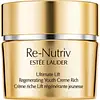
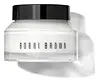
Estée Lauder Re-Nutriv Ultimate Lift Regenerating Youth Creme Rich Versus Bobbi Brown Hydrating Face Cream Moisturizer
This anti-aging moisturizer is formulated around Acetyl Hexapeptide-8 and Acetyl Glucosamine to soften the look of wrinkles.
This barrier-repair moisturizer is formulated around Trehalose and Sodium Hyaluronate to strengthen the skin barrier and hydrate skin.

What's inside
What's inside
 Key Ingredients
Benefits
Concerns
Ingredients Side-by-side
Water
Skin ConditioningCaprylic/Capric/Myristic/Stearic Triglyceride
EmollientPetrolatum
Emollient



Hexyldecyl Stearate
EmollientButylene Glycol
Humectant
Dimethicone
Emollient

Glycereth-26
Humectant
PEG-100 Stearate
Surfactant

Behenyl Alcohol
Emollient
Swertia Chirata Extract
HumectantNarcissus Tazetta Bulb Extract
Astringent
Hypnea Musciformis Extract
Skin Protecting

Gelidiella Acerosa Extract
Skin Protecting
Polygonum Cuspidatum Root Extract
Antioxidant
Laminaria Digitata Extract
Skin Protecting
Algae Extract
Emollient
Laminaria Ochroleuca Extract
Skin Conditioning

Cordyceps Sinensis Extract
Antioxidant
Inonotus Obliquus Extract
Skin ConditioningSaccharomyces Lysate Extract
Humectant
Scutellaria Baicalensis Root Extract
Astringent
Artemia Extract
Skin ConditioningAcetyl Hexapeptide-8
Humectant

Sodium Hyaluronate
Humectant
Tocopheryl Acetate
Antioxidant

Mangifera Indica Seed Oil
Emollient
Caffeine
Skin Conditioning
Helianthus Annuus Seed Extract
Skin Conditioning
Astrocaryum Murumuru Seed Butter
Emollient
Trehalose
Humectant
Acetyl Glucosamine
Skin Conditioning
Caprylic/Capric Triglyceride
Masking
Myristyl Myristate
Emollient
Gold
Cosmetic ColorantGlycerin
Humectant
Caprylyl Glycol
Emollient
Pearl Powder
Isohexadecane
EmollientLinoleic Acid
Cleansing
Propylene Glycol Dicaprate
EmollientGlycine Soja Sterols
Emollient
Cholesterol
Emollient
Whey Protein
Skin ConditioningMyristyl Laurate
SurfactantHordeum Vulgare Extract
EmollientCucumis Sativus Fruit Extract
Emollient
Decarboxy Carnosine Hcl
Skin ConditioningGlucose
Humectant
Hydrolyzed Wheat Protein
Skin ConditioningGlycine Soja Protein
EmulsifyingFaex Extract
Skin ConditioningPyrus Malus Fruit Extract
Skin Conditioning
Ergothioneine
Antioxidant
Glyceryl Stearate
Emollient
Pentylene Glycol
Skin Conditioning
Polymethylsilsesquioxane
Myristyl Alcohol
Emollient
Tromethamine
BufferingPolysorbate 80
Emulsifying
Hexylene Glycol
EmulsifyingAluminum Hydroxide
EmollientStearic Acid
Cleansing
Cellulose
Absorbent
Lecithin
Emollient
Acrylamide/Sodium Acryloyldimethyltaurate Copolymer
Emulsion StabilisingAcrylates/C10-30 Alkyl Acrylate Crosspolymer
Emulsion StabilisingCitric Acid
Buffering
Parfum
Masking

BHT
Antioxidant
Sodium Sulfite
Preservative
Sodium Metabisulfite
Antioxidant
Disodium EDTA
ChelatingPhenoxyethanol
Preservative
Potassium Sorbate
Preservative
Sodium Benzoate
Masking
CI 77891
Cosmetic ColorantCI 17200
Cosmetic ColorantCI 19140
Cosmetic ColorantWater, Caprylic/Capric/Myristic/Stearic Triglyceride, Petrolatum, Hexyldecyl Stearate, Butylene Glycol, Dimethicone, Glycereth-26, PEG-100 Stearate, Behenyl Alcohol, Swertia Chirata Extract, Narcissus Tazetta Bulb Extract, Hypnea Musciformis Extract, Gelidiella Acerosa Extract, Polygonum Cuspidatum Root Extract, Laminaria Digitata Extract, Algae Extract, Laminaria Ochroleuca Extract, Cordyceps Sinensis Extract, Inonotus Obliquus Extract, Saccharomyces Lysate Extract, Scutellaria Baicalensis Root Extract, Artemia Extract, Acetyl Hexapeptide-8, Sodium Hyaluronate, Tocopheryl Acetate, Mangifera Indica Seed Oil, Caffeine, Helianthus Annuus Seed Extract, Astrocaryum Murumuru Seed Butter, Trehalose, Acetyl Glucosamine, Caprylic/Capric Triglyceride, Myristyl Myristate, Gold, Glycerin, Caprylyl Glycol, Pearl Powder, Isohexadecane, Linoleic Acid, Propylene Glycol Dicaprate, Glycine Soja Sterols, Cholesterol, Whey Protein, Myristyl Laurate, Hordeum Vulgare Extract, Cucumis Sativus Fruit Extract, Decarboxy Carnosine Hcl, Glucose, Hydrolyzed Wheat Protein, Glycine Soja Protein, Faex Extract, Pyrus Malus Fruit Extract, Ergothioneine, Glyceryl Stearate, Pentylene Glycol, Polymethylsilsesquioxane, Myristyl Alcohol, Tromethamine, Polysorbate 80, Hexylene Glycol, Aluminum Hydroxide, Stearic Acid, Cellulose, Lecithin, Acrylamide/Sodium Acryloyldimethyltaurate Copolymer, Acrylates/C10-30 Alkyl Acrylate Crosspolymer, Citric Acid, Parfum, BHT, Sodium Sulfite, Sodium Metabisulfite, Disodium EDTA, Phenoxyethanol, Potassium Sorbate, Sodium Benzoate, CI 77891, CI 17200, CI 19140
Trehalose
Humectant
Water
Skin ConditioningDimethicone
Emollient
Butylene Glycol
Humectant
Cetyl Alcohol
Emollient
Ethylhexyl Palmitate
Emollient
Caprylic/Capric/Myristic/Stearic Triglyceride
EmollientAleurites Moluccanus Seed Oil
Skin Conditioning
Myristyl Myristate
Emollient
Glyceryl Stearate
Emollient
Algae Extract
Emollient
Cetyl Phosphate
EmulsifyingPolyperfluoromethylisopropyl Ether
Skin ConditioningCoriandrum Sativum Seed Oil
Emollient
Rosmarinus Officinalis Leaf Oil
Masking
Rosa Canina Fruit Oil
Emollient
Elettaria Cardamomum Seed Powder
Skin ConditioningLavandula Angustifolia Oil
Masking
Jasminum Officinale Oil
Masking
Tocopheryl Acetate
Antioxidant
Cholesterol
Emollient
Linoleic Acid
Cleansing
Glycerin
Humectant
Caffeine
Skin Conditioning
PEG-10 Dimethicone
Skin Conditioning
Myristyl Laurate
SurfactantPhytantriol
HumectantAcrylates Copolymer
Lecithin
Emollient
Sodium Acrylate/Acrylonitrogens Copolymer
Skin ConditioningPhytosphingosine
Skin Conditioning
Propylene Glycol Stearate
Skin Conditioning
Sodium Hyaluronate
Humectant
Polysorbate 20
Emulsifying
Caprylyl Glycol
Emollient
Sorbitan Laurate
Emulsifying
Myristyl Alcohol
Emollient
Propylene Glycol Laurate
Skin ConditioningTocopherol
Antioxidant
Glycine
Buffering
Sodium Hydroxide
BufferingCarbomer
Emulsion StabilisingHydroxyproline
Skin ConditioningProline
Skin Conditioning
Citric Acid
Buffering
Hexylene Glycol
EmulsifyingDisodium EDTA
ChelatingTrehalose, Water, Dimethicone, Butylene Glycol, Cetyl Alcohol, Ethylhexyl Palmitate, Caprylic/Capric/Myristic/Stearic Triglyceride, Aleurites Moluccanus Seed Oil, Myristyl Myristate, Glyceryl Stearate, Algae Extract, Cetyl Phosphate, Polyperfluoromethylisopropyl Ether, Coriandrum Sativum Seed Oil, Rosmarinus Officinalis Leaf Oil, Rosa Canina Fruit Oil, Elettaria Cardamomum Seed Powder, Lavandula Angustifolia Oil, Jasminum Officinale Oil, Tocopheryl Acetate, Cholesterol, Linoleic Acid, Glycerin, Caffeine, PEG-10 Dimethicone, Myristyl Laurate, Phytantriol, Acrylates Copolymer, Lecithin, Sodium Acrylate/Acrylonitrogens Copolymer, Phytosphingosine, Propylene Glycol Stearate, Sodium Hyaluronate, Polysorbate 20, Caprylyl Glycol, Sorbitan Laurate, Myristyl Alcohol, Propylene Glycol Laurate, Tocopherol, Glycine, Sodium Hydroxide, Carbomer, Hydroxyproline, Proline, Citric Acid, Hexylene Glycol, Disodium EDTA
Ingredients Explained
These ingredients are found in both products.
Ingredients higher up in an ingredient list are typically present in a larger amount.
Algae Extract is one of the vaguest names on any label because it just means "extract of some alga" (and there are thousands of species and dozens of ways to extract them). This just means two products listing it can contain completely different things.
This ingredient name was actually officially retired in the INCI dictionary in 2015 and brands were pushed toward species-specific names instead (like Laminaria Digitata Extract or Chondrus Crispus Extract).
Generally, it is used to hold water and soften skin in a formula. Algae are rich in polysaccharides, pigments, and amino-acids that act as humectants, emollients, and skin-conditioning agents.
It isn't on standard cosmetic-patch test panels and "seaweed dermatitis" is actually an acute irritant reaction to algal toxins in seawater and not the cosmetic ingredient.
You'll see algae listed as a 5/5 on a lot of pore-clogging charts and that number doesn't come from anywhere; it's not in the original rabbit-ear studies that most comedogenic ratings trace back to.
The reasoning behind the reputation is that seaweed is high in iodine and iodine can trigger acne-like breakouts when eaten. This traces back to a 1976 letter in Archives of Dermatology describing two women whose breakouts cleared after they stopped taking high-dose kelp supplements orally.
And the reaction of these two women wasn't clogged pores at all: it was an iodine-triggered pustular rash. Later research found normal dietary iodine doesn't meaningfully affect acne either and nobody has shown topical algae delivers enough iodine to matter.
What we do have is dozens of brown and red algae ingredients found to be non-irritating and non-sensitizing, and a handful of studies that found algae compounds may actually help acne.
However, plenty of people do report breaking out from algae-containing products. Skin is individual and it's worth avoiding if yours has reacted to algae before.
Learn more about Algae ExtractButylene Glycol (or BG) is used within cosmetic products for a few different reasons:
Overall, Butylene Glycol is a safe and well-rounded ingredient that works well with other ingredients.
Though this ingredient works well with most skin types, some people with sensitive skin may experience a reaction such as allergic rashes, closed comedones, or itchiness.
Learn more about Butylene GlycolCaffeine is a naturally occurring plant compound found in coffee beans, tea leaves, cocoa pods, and guarana.
As an antioxidant, caffeine protects your skin from free radical damage caused by UV exposure and envionrmnetal stressors.
Early research also shows that caffeine can help calm redness, soothe irritated skin, and support hair growth by stimulating microcirculation in the scalp.
You might have seen eye creams marketing caffeine as a depuffing ingredient. This is because it is a vasoconstrictor meaning it can temporarily constrict blood vessels, though clinical evidence for this specific use is still limited.
Most skincare products contain this ingredient at concentrations between 1-6%. It is able to penetrate skin easily regardless of skin type or thickness.
Just so you know, a very small number of case reports describe caffeine-induced allergy. This ingredient is generally well-tolerated, non-irritating, and non-sensitizing for the majority of people.
Learn more about CaffeineWe don't have a description for Caprylic/Capric/Myristic/Stearic Triglyceride yet.
Caprylyl Glycol is a humectant, skin conditioner, emollient, and preservative booster derived from either caprylic acid or synthetically created.
Typical use levels vary from 0.3-1% as a preservative booster and go up to 2% to condition skin.
Because it is not a free-fatty acid, this ingredient is fungal acne safe (there's nothing for Malassezia to feed on).
Learn more about Caprylyl GlycolCholesterol is a lipid that is naturally found in human skin and is one of the three key components of your skin barrier. In skincare, it is an emollient and barrier-repairing ingredient.
It works by fitting directly into the lipid layers of skin to help restore structure and reduce transepidermal water loss (TEWL).
This is a great ingredient for dry, compromised, or aging skin; our skin starts to produce less cholesterol with age.
Research shows cholesterol works best in combination with ceramides and fatty acids, the other two major components in your skin barrier.
Cholesterol is also a well-establish penetration enhancer and can help other actives absorb more effectively.
Cosmetic-grade cholesterol is usually derived from lanolin but plant and synthetic options also exist. We recommend reaching out to the brand if you have questions about their source of cholesterol.
Learn more about CholesterolCitric Acid is an alpha hydroxy acid (AHA) naturally found in citrus fruits like oranges, lemons, and limes.
Like other AHAs, citric acid can exfoliate skin by breaking down the bonds that hold dead skin cells together. This helps reveal smoother and brighter skin underneath.
However, this exfoliating effect only happens at high concentrations (20%) which can be hard to find in cosmetic products.
Due to this, citric acid is usually included in small amounts as a pH adjuster. This helps keep products slightly more acidic and compatible with skin's natural pH.
In skincare formulas, citric acid can:
While it can provide some skin benefits, research shows lactic acid and glycolic acid are generally more effective and less irritating exfoliants.
Most citric acid used in skincare today is made by fermenting sugars (usually from molasses). This synthetic version is identical to the natural citrus form but easier to stabilize and use in formulations.
Rosacea skin has a lower threshold for acids generally, with 62.5% of rosacea subjects in one study reacting to lactic acid in a sting test. This is why we mark citric acid as a potential rosacea trigger.
However, this ingredient shows up as a pH adjuster or chelator at roughly 0.1-1% in many products. These low levels are unlikely to be an issue for rosacea skin and becomes a potential trigger at exfoliating concentrations (20%). Because everybody's skin is unique, we recommend a patch test if you are unsure.
Learn more about Citric AcidDimethicone is a type of synthetic silicone created from natural materials such as quartz. It is also known as polydimethylsiloxane.
What it does:
Dimethicone comes in different viscosities:
Depending on the viscosity, dimethicone has different properties.
Ingredients lists don't always show which type is used, so we recommend reaching out to the brand if you have questions about the viscosity.
This ingredient is unlikely to cause irritation because it does not get absorbed into skin. However, people with silicone allergies should be careful about using this ingredient.
Note: Dimethicone may contribute to pilling. This is because it is not oil or water soluble, so pilling may occur when layered with products. When mixed with heavy oils in a formula, the outcome is also quite greasy.
Learn more about DimethiconeDisodium EDTA is a chelating agent. It grabs onto and deactivates metal ions that sneak into your products from water, packaging, or air.
This ingredient mainly works behind the scenes and helps with:
On top of that, this ingredient can counteract the effects of hard water by binding to the minerals in it.
One thing worth knowing is that Disodium EDTA has been shown to be a mild penetration enhancer. It can help other ingredients absorb into skin more effectively which can be a double-edged sword (great for actives, but can also make the active too strong if you have sensitive skin).
Clinical patch testing showed no significant skin irritation at typical use concentrations and minimal dermal absorption.
You'll most likely see this ingredient near the end of an ingredient list. It's typically found in concentrations less than 1%.
Learn more about Disodium EDTAGlycerin (or glycerol) is a compound naturally found in your skin. It's a powerhouse humectant that pulls water into the stratum corneum.
Topically, glycerin does several things at once:
Your skin makes glycerin on its own (mostly from sebaceous oil breakdown) and shuttles it to your outermost layer of skin, or your epidermis, via aquaporin-3.
Aquaporin-3 is a transporter that is essential for normal skin hydration, elasticity, and repair. Interestingly, mice lacking in AQP3 have dry and less elastic skin that can be fully corrected with glycerin.
This ingredient is non-irritating, plays well with almost every ingredient, and works across all skin types. Typical use is anywhere between 3-10% but can go up to 79% in some leave-on products.
Just know very high concentrations (>40%) can feel tacky in low humidity.
Glycerin is the name for this ingredient in American English. British English uses Glycerol/Glycerine.
Learn more about GlycerinGlyceryl Stearate is made by reacting glycerin with stearic acid (typically sourced from plant oils like palm or coconut). It's an emulsifier, emollient, and mild occlusive.
Emulsifiers help ingredients like oil and water stay mixed so your formula stays nicely blended and uniform in texture.
This ingredient is typically used in concentrations between 1-10%. Studies have found it to be non-sensitizing, non-phototoxic, and non-photoallergenic.
A close cousin of this ingredient is Glyceryl Stearate SE ("self-emulsifying"). This just has a small amount of sodium or potassium stearate added so it can emulsify without a co-emulsifier.
Since this ingredient is an ester of a C18 fatty acid, it may not be fungal acne safe. The Malassezia yeast can potentially metabolize within the C11-C24 range.
Fun fact: The human body also creates Glyceryl Stearate naturally.
Learn more about Glyceryl StearateHexylene Glycol is a multitasker ingredient that works as a solvent, humectant, emulsifier, viscosity reducer, and preservative booster.
It is able to dissolve both water and oil-soluble ingredients to stabilize tricky actives and make products spread more easily.
As a humectant, it pulls water into the skin. But it's a pretty minor moisturizing ingredient compared to other humectants, like glycerin.
Interestingly, it can act as a mild penetration enhancer. One in vitro study on human skin found a 12% concentration upped the absorption of mometasone furoate (a medicinal ingredient used to treat inflammatory skin conditions) up to 7%.
This ingredient is typically used at levels of 0.1-10% depending on the role it's playing.
A patch test study on eczema patients didn't find a significant increase in irritation versus the control group, but the potential for irritation rises at higher concentrations.
Learn more about Hexylene GlycolLecithin is a term for a group of substances found in the cell membranes of plants, animals, and humans. They are made up of phospholipids.
Thanks to its amphiphilic structure (water-loving head and oil-loving tail), it is a true multitasker:
It plays well with most ingredients and is typically used at 0.1-1%. However, concentrations up to 50% have been reported in moisturizers.
Learn more about LecithinLinoleic Acid is also known as Vitamin F. It is a fatty acid with emollient and skin conditioning properties.
Our top layer of skin, or epidermis, naturally contains high amounts of linoleic acid.
Your body uses linoleic acid to build ceramides and prostaglandins. Ceramides keep your skin's barrier hydrated and strong while prosaglandins help control inflammation and healing.
Needless to say, linoleic acid is crucial for having a strong skin barrier.
One study found applying linoleic acid rich sunflower oil to be more effective at repairing the skin barrier than olive oil.
This ingredient can also help treat acne by softening sebum to prevent clogged pores. Another study found using 2.5% linoleic acid gel for 4 weeks showed a 25% reduction in small comedones.
Studies show it can also help lighten hyperpigmentation or sun spots by disrupting the melanin production process. It also helps your skin shed melanin pigment from your skin caused by UV exposure.
Due to its role in the production of the fatty acid prostaglandin, linoleic acid can also help reduce inflammation and support wound healing.
Fun fact: Linoleic acid is an essential fatty acid. This means our bodies cannot create it on its own and we need to get it through foods such as nuts and vegetable oils.
Just know this ingredient is not always fungal-acne safe because it is a long-chain fatty acid (with 18 carbon atoms) that directly feeds the Malassezia yeast responsible for fungal acne.
Learn more about Linoleic AcidMyristyl Alcohol is a fatty alcohol. Despite the word "alcohol", it has nothing in common with the drying kind you find in hand sanitizer.
This ingredient is a waxy solid that formulators use to thicken creams, help oil + water stay mixed, soften skin, and boost foam.
Concentration use usually lands somewhere between 0.1-3% for face products.
Allergies to this ingredient are uncommon and most reported cases from from medication creams rather than cosmetics.
This ingredient does have a comedogenic rating of 2, but this doesn't mean a formula with this ingredient will clog pores. Human testing has proved that any finished product with this ingredient won't automatically make you break out; it really comes down to concentration, formula, and your skin.
The Malassezia yeast feeds on fatty alcohols with a chain length above 12 carbons, and this ingredient is a C14 primary fatty alcohol. This ingredient may not be fungal acne safe.
Learn more about Myristyl AlcoholWe don't have a description for Myristyl Laurate yet.
Myristyl Myristate is a waxy ester made by combining myristyl alcohol and myristic acid (both from plant oils from coconut or palm).
It's a non-greasy emollient that melts right around skin temperature. It gives products a soft and velvet feel and helps improve how a cream spreads.
Safety-wise, it's deemed safe to use in cosmetics by the Cosmetic Ingredient Review Expert Panel. Dermal animal testing found it to be non-toxic and non-irritating.
This ingredient has a comedogenic reputation; it's important to know comedogenic ratings come from outdated rabbit ear tests. Rabbit ears are way more sensitive than human skin and prone to clogging. How likely a formula will clog pores depends on the overall formulation rather than a few comedogenic ingredients.
Because this ingredient is an ester of Myristic acid, it may not be fungal acne safe. Myristic acid is a C14 fatty acid that sits in the C11-24 range that feeds the Malassezia yeast.
Learn more about Myristyl MyristateSodium Hyaluronate is the salt form of hyaluronic acid. It is a long sugar chain that is naturally found in your skin, joints, and connective tissue that maintains hydration and elasticity.
In skincare, it works as a humectant. It pulls water from the environment and deeper layers of skin and binds it to the surface.
Interestingly, the size of the molecule affects its behavior:
Some clinical evidence links low molecular weight versions to improved wrinkle depth, elasticity, anti-inflammatory effects, and barrier repair.
Many serums use a blend of both weights so you can get surface hydration plus longer-lasting and deeper effects.
You'll typically see concentrations between 0.1-2% for this ingredient.
Learn more about Sodium HyaluronateTocopheryl Acetate is a stable, shelf-friendly form of vitamin E.
Formulators love it because plain vitamin E oxidizes quickly once it hits air. This acetate version stays stable and resists going off, helping to extend a product's shelf life.
It's actually inactive on its own and works like a slow-release "storage" form; the enzymes in your skin called esterases gradually convert it into active vitamin E over time.
One in vivo study showed 5% of the acetate in the living layer of the epidermis converted to vitamin E after 5 days of application. This study also found the skin gained protection against UV damage even though the conversion was slow and small.
Once converted, vitamin E acts as a skin's main fat-soluble antioxidant that fights free radicals to protect skin from damage.
Topical vitamin E generally boosts the skin's photoprotection, and it reduced UV-damage in animal models.
This ingredient has some brightening potential but it's more of a prevention ingredient than spot-fader. Cell studies show it can slow down melanin production but it's worth noting that it's not the most powerful brightener out there.
Overall, it has a pretty solid safety profile and has been found to be non-irritating and non-comedogenic. Allergic reactions may happen but stay rare due to how widely the ingredient gets used.
The concentration will vary depending on the formula; industry data shows 0.1% in baby lotions, 3% in lipsticks, and 5% in foot powders. You can also find this ingredient at 100% in a pure vitamin E oil.
Most leave-on skincare keeps it at the lower end, often between 0.5-1%.
Learn more about Tocopheryl AcetateTrehalose is a disaccharide made of two glucose molecules (glucose is sugar!). Trehalose is used to help moisturize skin. It also has antioxidant properties.
As a humectant, trehalose helps draw moisture from the air to your skin. This helps keep your skin hydrated.
Due to its antioxidant properties, trehalose may help with signs of aging. Antioxidants help fight free-radical molecules, unstable molecules that may damage your skin.
In medicine, trehalose and hyaluronic acid are used to help treat dry eyes.
Some animals, plants, and bacteria create trehalose as a source of energy to survive freeze or lack of water.
Learn more about TrehaloseWater. It's the most common cosmetic ingredient of all. You'll usually see it at the top of ingredient lists, meaning that it makes up the largest part of the product.
So why is it so popular? Water most often acts as a solvent - this means that it helps dissolve other ingredients into the formulation.
You'll also recognize water as that liquid we all need to stay alive. If you see this, drink a glass of water. Remember to stay hydrated!
Learn more about Water

