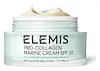
This day moisturizer is formulated around Ginkgo Biloba Leaf Extract to calm irritation and reduce redness.
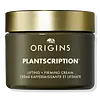
This anti-aging treatment is formulated around Niacinamide and Acetyl Hexapeptide-8 to soften the look of wrinkles.


What's inside
What's inside
 Key Ingredients
Benefits
Concerns
Ingredients Side-by-side
Water
Skin ConditioningGlycerin
Humectant


Caprylic/Capric Triglyceride
Masking
Glyceryl Stearate Se
Emulsifying




Isononyl Isononanoate
EmollientDicaprylyl Carbonate
EmollientDimethicone
Emollient
Butyl Methoxydibenzoylmethane
UV Absorber
Ethylhexyl Methoxycinnamate
UV Absorber

Phenoxyethanol
Preservative
Polyacrylate-13
Butylene Glycol
Humectant
Cetyl Alcohol
Emollient
Hydroxyacetophenone
Antioxidant
Octocrylene
UV Absorber
Stearic Acid
Cleansing
Tocopheryl Acetate
Antioxidant

Coco-Caprylate
Emollient
Xanthan Gum
EmulsifyingChlorphenesin
Antimicrobial
Polyisobutene
Parfum
Masking

Disodium EDTA
ChelatingLecithin
Emollient
Tocopherol
Antioxidant


Butyrospermum Parkii Butter
Skin Conditioning
Citric Acid
Buffering
Daucus Carota Sativa Root Extract
Skin Conditioning
Triticum Vulgare Germ Oil
Emollient
Chlorella Vulgaris Extract
Skin ConditioningGlyceryl Polyacrylate
Benzyl Benzoate
Antimicrobial
Glyceryl Acrylate/Acrylic Acid Copolymer
HumectantPadina Pavonica Thallus Extract
Skin ConditioningSodium Dehydroacetate
Preservative
Polysorbate 20
Emulsifying
Sorbitan Isostearate
Emulsifying
Ginkgo Biloba Leaf Extract
Skin Conditioning
Porphyridium Cruentum Extract
Skin ConditioningDipropylene Glycol
HumectantCitronellol
Perfuming
Geraniol
Perfuming
Hydroxycitronellal
Perfuming
Citrus Limon Peel Oil
Masking

Limonene
Perfuming
Potassium Sorbate
Preservative
Sodium Benzoate
Masking
Citrus Aurantium Amara Peel Oil
Skin Conditioning
Water, Glycerin, Caprylic/Capric Triglyceride, Glyceryl Stearate Se, Isononyl Isononanoate, Dicaprylyl Carbonate, Dimethicone, Butyl Methoxydibenzoylmethane, Ethylhexyl Methoxycinnamate, Phenoxyethanol, Polyacrylate-13, Butylene Glycol, Cetyl Alcohol, Hydroxyacetophenone, Octocrylene, Stearic Acid, Tocopheryl Acetate, Coco-Caprylate, Xanthan Gum, Chlorphenesin, Polyisobutene, Parfum, Disodium EDTA, Lecithin, Tocopherol, Butyrospermum Parkii Butter, Citric Acid, Daucus Carota Sativa Root Extract, Triticum Vulgare Germ Oil, Chlorella Vulgaris Extract, Glyceryl Polyacrylate, Benzyl Benzoate, Glyceryl Acrylate/Acrylic Acid Copolymer, Padina Pavonica Thallus Extract, Sodium Dehydroacetate, Polysorbate 20, Sorbitan Isostearate, Ginkgo Biloba Leaf Extract, Porphyridium Cruentum Extract, Dipropylene Glycol, Citronellol, Geraniol, Hydroxycitronellal, Citrus Limon Peel Oil, Limonene, Potassium Sorbate, Sodium Benzoate, Citrus Aurantium Amara Peel Oil
Water
Skin ConditioningButylene Glycol
Humectant
Glycerin
Humectant
Caprylic/Capric Triglyceride
Masking
Simmondsia Chinensis Seed Oil
Emollient
Heptyl Undecylenate
EmollientJojoba Esters
Emollient
Niacinamide
Smoothing




Squalane
Emollient
Anogeissus Leiocarpa Bark Extract
Skin ConditioningHydrolyzed Rice Extract
Skin Conditioning
Acetyl Hexapeptide-8
Humectant
Palmitoyl Tripeptide-1
Skin Conditioning
Palmitoyl Tetrapeptide-7
Skin Conditioning
Acetyl Octapeptide-3
Humectant
Palmitoyl Hexapeptide-12
Skin Conditioning
Dipeptide Diaminobutyroyl Benzylamide Diacetate
Skin Conditioning
Sodium Hyaluronate
Humectant
Sigesbeckia Orientalis Extract
Skin ConditioningButyrospermum Parkii Butter
Skin Conditioning
Caffeine
Skin Conditioning
Trehalose
Humectant
Zingiber Officinale Root Extract
Masking
Pisum Sativum Extract
Skin ConditioningGlucosamine Hcl
Oryzanol
Skin ConditioningPhytosterols
Skin Conditioning
Tocotrienols
Skin Conditioning
Tocopherol
Antioxidant
Algae Extract
Emollient
Bambusa Vulgaris Extract
Skin Conditioning
Lecithin
Emollient
Ricinus Communis Seed Oil
Masking
Elaeis Guineensis Oil
Emollient
Tocopheryl Acetate
Antioxidant
Hydrogenated Lecithin
Emulsifying
Hydrogenated Castor Oil
Emollient
Sodium Stearoyl Lactylate
EmulsifyingBehenyl Alcohol
Emollient
Galactoarabinan
Squalene
Emollient
Ethylhexylglycerin
Skin ConditioningPolyglyceryl-10 Pentastearate
Skin Conditioning
Carbomer
Emulsion StabilisingPEG-8
HumectantPEG-100 Stearate
Surfactant
Polysorbate 20
Emulsifying
Sodium Acrylates Copolymer
Glyceryl Polymethacrylate
Caprylyl Glycol
Emollient
Sodium Hydroxide
BufferingHibiscus Abelmoschus Extract
MaskingIllicium Verum Fruit/Seed Oil
Masking
Citrus Aurantium Bergamia Fruit Oil
Masking
Pelargonium Graveolens Flower Oil
Masking
Lavandula Angustifolia Oil
Masking
Citrus Limon Peel Oil
Masking
Carthamus Tinctorius Seed Oil
Masking
Litsea Cubeba Fruit Oil
Masking
Citrus Nobilis Peel Oil
Masking
Myristica Fragrans Kernel Oil
Masking
Citrus Aurantium Dulcis Peel Oil
Masking
Rosa Damascena Flower Oil
Masking
Limonene
Perfuming
Linalool
Perfuming
Citronellol
Perfuming
Geraniol
Perfuming
Citral
Perfuming
Sodium Phytate
ChelatingPhenoxyethanol
Preservative
Potassium Sorbate
Preservative
CI 77891
Cosmetic ColorantWater, Butylene Glycol, Glycerin, Caprylic/Capric Triglyceride, Simmondsia Chinensis Seed Oil, Heptyl Undecylenate, Jojoba Esters, Niacinamide, Squalane, Anogeissus Leiocarpa Bark Extract, Hydrolyzed Rice Extract, Acetyl Hexapeptide-8, Palmitoyl Tripeptide-1, Palmitoyl Tetrapeptide-7, Acetyl Octapeptide-3, Palmitoyl Hexapeptide-12, Dipeptide Diaminobutyroyl Benzylamide Diacetate, Sodium Hyaluronate, Sigesbeckia Orientalis Extract, Butyrospermum Parkii Butter, Caffeine, Trehalose, Zingiber Officinale Root Extract, Pisum Sativum Extract, Glucosamine Hcl, Oryzanol, Phytosterols, Tocotrienols, Tocopherol, Algae Extract, Bambusa Vulgaris Extract, Lecithin, Ricinus Communis Seed Oil, Elaeis Guineensis Oil, Tocopheryl Acetate, Hydrogenated Lecithin, Hydrogenated Castor Oil, Sodium Stearoyl Lactylate, Behenyl Alcohol, Galactoarabinan, Squalene, Ethylhexylglycerin, Polyglyceryl-10 Pentastearate, Carbomer, PEG-8, PEG-100 Stearate, Polysorbate 20, Sodium Acrylates Copolymer, Glyceryl Polymethacrylate, Caprylyl Glycol, Sodium Hydroxide, Hibiscus Abelmoschus Extract, Illicium Verum Fruit/Seed Oil, Citrus Aurantium Bergamia Fruit Oil, Pelargonium Graveolens Flower Oil, Lavandula Angustifolia Oil, Citrus Limon Peel Oil, Carthamus Tinctorius Seed Oil, Litsea Cubeba Fruit Oil, Citrus Nobilis Peel Oil, Myristica Fragrans Kernel Oil, Citrus Aurantium Dulcis Peel Oil, Rosa Damascena Flower Oil, Limonene, Linalool, Citronellol, Geraniol, Citral, Sodium Phytate, Phenoxyethanol, Potassium Sorbate, CI 77891
Reviews
Ingredients Explained
These ingredients are found in both products.
Ingredients higher up in an ingredient list are typically present in a larger amount.
Butylene Glycol (or BG) is used within cosmetic products for a few different reasons:
Overall, Butylene Glycol is a safe and well-rounded ingredient that works well with other ingredients.
Though this ingredient works well with most skin types, some people with sensitive skin may experience a reaction such as allergic rashes, closed comedones, or itchiness.
Learn more about Butylene GlycolThis ingredient is also known as shea butter. It is a plant-derived extract from the nuts of the Africa shea tree and one of the most well-studied emollients.
Because it has a high concentration of fatty acids (primarily oleic, stearic, and linoleic) it is able to form a protective barrier on the skin's surface. This helps seal in moisture and prevents transepidermal water loss (TEWL).
In vitro research found an increase in skin hydration by 58% and a decrease in TEWL by 37.8% after 24 hours of applying this ingredient (pretty impressive for a single ingredient!).
Besides hydration, shea butter also contains triterpenes that have anti-inflammatory potential. In particule, lupeol cinnamate has shown the highest anti-inflammatory activity in vivo.
Shea butter also contains vitamins A and E which may contribute to antioxidant activity.
While Shea Butter has an SPF rating of about 3-4, it is not a sunscreen replacement.
This ingredient may not be fungal acne safe because its fatty acids fall within the C11-C24 range that the Malassezia yeast can metabolize.
This ingredient shows up on a lot of "pore-clogging" lists but there's no real evidence behind that. It doesn't even have a comedogenic rating from an actual study; the numbers you'll find online come from blogs citing other blogs.
Ratings for other ingredients mostly come from a 1980s rabbit ear test. This test doesn't translate well to human skin or to real products because the ingredient sits at a much lower percentage.
Some people still find it breaks them out. So if that's you, definitely trust your skin. Just know this one's based on experience and not evidence.
Learn more about Butyrospermum Parkii ButterCaprylic/Capric Triglyceride (aka MCT Oil) is a lightweight emollient, solvent, and texture enhancer. It is considered a skin-softener by helping to prevent moisture loss.
Though it behaves like an oil, it is not technically one due to its chemical composition. One perk of this ingredient is that it is very stable, resistant to oxidation, and unlikely to go rancid.
In practice, that translates to a long shelf life and a consistently elegant skin feel.
While there is an assumption Caprylic Triglyceride can clog pores due to it being derived from coconut oil, there is no research supporting this. Just patch test if you have concerns.
Fractionated coconut oil and MCT Oil are both listed as Caprylic/Capric Triglyceride according to INCI. This is because INCI names are based on the ingredient’s final chemical composition and not its marketing name or source.
This ingredient is treated as the gold standard fungal acne safe oil. Even though it is coconut derived, the problematic lauric acid is stripped out.
This leaves just caprylic (C8) and capric (C10) acid. These chain lengths actually trend antifungal; a 2020 study found caprylic acid was enough to disrupt Malassezia furfur cell membrane, with a caprylic acid derivative damaging membrane structures at concentrations as low as 0.2%.
Learn more about Caprylic/Capric TriglycerideCitronellol is a naturally occurring alcohol found in Rose and Geranium oils. In cosmetics, it functions purely as a fragrance ingredient.
The scent of this ingredient is described as "fresh, rosey, and citrusy".
Typical use levels are very low since the total fragrance load in a product is usually well under 1% and citronellol is only a small fraction of that.
The EU asks brands to name it on the label once it goes above 0.001% in leave-on products of 0.01% in rinse-off ones.
It is one of the EU's labeled fragrance allergens but real-world patch testing has shown it to be fairly weak and an infrequent allergen; positive reactions land around 0.1-0.9% of patients across recent European dermatitis clinic studies.
The bigger nuance is oxidation. Citronellol forms hydroperoxides when it reacts with air. These hydroperoxides are more sensitizing than the fresh ingredient, and patch test studies confirmed oxidized Citronellol causes more reactions than purified.
This means good packaging and freshness matter more than the molecule itself.
Fragrance can be irritating to very reactive or compromised skin, so people with sensitive skin may still prefer to skip it.
Learn more about CitronellolCitrus Limon Peel Oil is created from the peels of the lemon. It is used to add a lemon-scent to products. Lemon peel oil also has antibacterial, antifungal, and antioxidant properties. However, it may also cause phototoxicity and sensitize skin.
Lemon peel oil contains limonene, a skin sensitizing ingredient. Another component is furanocoumarin, which induces phototoxicity in skin.
Furanocoumarins bind and destabilize your DNA to increase the rate of sunburn.
Most reputable companies will remove furanocoumarins from their formulations.
Learn more about Citrus Limon Peel OilGeraniol is used to add fragrance/parfum to a product. It is the main component of citronellol. It is a monoterpenoid and an alcohol.
Monoterpenes are naturally found in many parts of different plants.
Geraniol can be found in many essential oils including Rose Oil and Citronella Oil. The scent of Geraniol is often described as "rose-like". Many foods also contain Geraniol for fruit flavoring.
Geraniol can irritate the skin when exposed to air. However, irritation depends on the ability of geraniol to penetrate into the skin. In general, geraniol is not able to penetrate skin easily.
Geraniol is colorless and has low water-solubility. However, it is soluble in common organic solvents.
Like citronellol, it is a natural insect repellent.
2,6-Octadien-1-ol, 3,7-dimethyl-, (2E)-
Learn more about GeraniolGlycerin (or glycerol) is a compound naturally found in your skin. It's a powerhouse humectant that pulls water into the stratum corneum.
Topically, glycerin does several things at once:
Your skin makes glycerin on its own (mostly from sebaceous oil breakdown) and shuttles it to your outermost layer of skin, or your epidermis, via aquaporin-3.
Aquaporin-3 is a transporter that is essential for normal skin hydration, elasticity, and repair. Interestingly, mice lacking in AQP3 have dry and less elastic skin that can be fully corrected with glycerin.
This ingredient is non-irritating, plays well with almost every ingredient, and works across all skin types. Typical use is anywhere between 3-10% but can go up to 79% in some leave-on products.
Just know very high concentrations (>40%) can feel tacky in low humidity.
Glycerin is the name for this ingredient in American English. British English uses Glycerol/Glycerine.
Learn more about GlycerinLecithin is a term for a group of substances found in the cell membranes of plants, animals, and humans. They are made up of phospholipids.
Thanks to its amphiphilic structure (water-loving head and oil-loving tail), it is a true multitasker:
It plays well with most ingredients and is typically used at 0.1-1%. However, concentrations up to 50% have been reported in moisturizers.
Learn more about LecithinLimonene is the compound that gives citrus peel its smell.
In skincare, it shows up as a standalone fragrance ingredient or as a natural compound of citrus and other essential oils.
You'll typically see this ingredient used in very small amounts; anything above 0.001% in a leave-on product or 0.01% in a rinse-off has to be named on the label in the EU. The citrus oils that carry it sit around 0.5-1% in a finished formula.
Fresh limonene is a weak allergen; the real issue is that it slowly reacts with air and then breaks down from oxidation to create hydroperoxides (which are strong sensitizers). This is why suppliers are required to keep the peroxide value below 20 mmol.
Positive reactions in people being investigated for eczema vary:
It's worth skipping if you have a known fragrance allergy or a compromised barrier, but the risk is low for most people.
Older or long-opened products are also more likely to bother you than fresh ones due to oxidation.
Learn more about LimonenePhenoxyethanol is one of the most widely used preservatives in skincare (and for good reason!).
It has a large spectrum of antimicrobial activity and especially effective bacteria, yeast, and mold while only having a weak effect on your skin's natural microbiome.
On a cellular level, it disrupts the cell membranes of microbes by poking holes that make the cell leak. This shuts down the chemical reactions the microbe needs to make energy so it can no longer survive.
Another perk of this ingredient is that it stays functional across a wide pH range (3-10).
You'll often see it paired with boosters like Ethylhexylglycerin; one study showed that a 1:9 ratio of Ethylhexylglycerin to Phenoxyethanol damages bacterial membranes as effectively as doubling the Phenoxyethanol concentration on its own.
Typical use concentrations range from 0.3-1% depending on the formula, and this ingredient is capped at 1% int the EU.
Safety-wise, the fear mongering does not hold up to the evidence. The EU's Scientific Committee on Consumer Safety and FDA consider it safe as a preservative at up to 1%, including for children of all ages.
Adverse systemic effects only showed up in animal studies at exposures roughly 200x higher than what people get from cosmetics. And despite its very widespread use, this ingredient is a rare sensitizer and allergic reactions are uncommon.
Learn more about PhenoxyethanolPolysorbate 20 is a gentle, water-soluble emulsifier and mild surfactant. It stops oil and water from separating to keep your formulas blended and stable.
It also acts as a mild penetration enhancer by helping active ingredients absorb slightly better.
The common safety discussion around this ingredient involves a manufacturing byproduct called 1,4-dioxane.
Trace amounts can form during production but the EU's Scientific Committee on Consumer Safety has concluded that levels at/below 10 ppm in finished products are safe (commercial products consistently fall within acceptable margins).
True allergic reactions are uncommon and the CIR Expert Panel has confirmed this ingredient to be safe as used in cosmetics.
Because it is derived from lauric acid, it may not be fungal acne safe.
Learn more about Polysorbate 20Potassium sorbate is a gentle and widely used preservative that helps keep water-based products free of mold and yeast.
It's the salt form of sorbic acid, a compound found naturally in rowan berries though the cosmetic version is made in a lab.
Once inside a formula, it turns into sorbic acid, which does the actual preserving. It works best in slightly acidic products and isn't great against bacteria alone so you'll usually see it teamed up with other preservatives like Sodium Benzoate.
Typical use at around 1% or less, and the EU caps it at 0.6 percent. The Cosmetic Ingredient Review Panel has concluded it's safe as used in cosmetics and it's also a common food preservative.
Potassium sorbate has a pretty good safety record on skin. Formulas with up to 0.5% were not irritating or sensitizing in human testing, and true allergies are rare.
Irritation or sensitization can happen mostly with medicated creams used on broken skin.
Definitely avoid Potassium Sorbate if you're allergic to Sorbic Acid, since they're essentially the same thing on skin.
There is a known harmless and short-lived reaction where some people may notice brief redness or itching right after applying. Just know this is common and not a sign of allergy.
Learn more about Potassium SorbateTocopherol is a fat-soluble antioxidant known as Vitamin E.
You'll find this ingredient in the vast majority of skincare (for good reason). It works to neutralize free radicals, or unstable molecules generated by UV exposure, pollution, and other environmental stressors, before they can cause oxidative damage to your skin cells.
Topically applied tocopherol has been shown to protect against UV damage by ramping up the skin's own natural defense enzymes.
It also acts as a skin conditioning agent; some studies show that regular topical use can improve the skin's water-binding capacity over 2-4 weeks.
This ingredient is especially loved for being a team player. When combined with Vitamin C, the photoprotective effect of both ingredients roughly doubles and the combo also helps reduce UV-induced DNA damage.
This ingredient has some brightening potential but it's more of a prevention ingredient than spot-fader. Cell studies show it can slow down melanin production but it's worth noting that it's not the most powerful brightener out there.
In formulations, it also serves as a stabilizer that helps protect other oxidation-prone ingredients from degrading.
Concentrations usually range from 0.1-1% in most leave-on products.
Learn more about TocopherolTocopheryl Acetate is a stable, shelf-friendly form of vitamin E.
Formulators love it because plain vitamin E oxidizes quickly once it hits air. This acetate version stays stable and resists going off, helping to extend a product's shelf life.
It's actually inactive on its own and works like a slow-release "storage" form; the enzymes in your skin called esterases gradually convert it into active vitamin E over time.
One in vivo study showed 5% of the acetate in the living layer of the epidermis converted to vitamin E after 5 days of application. This study also found the skin gained protection against UV damage even though the conversion was slow and small.
Once converted, vitamin E acts as a skin's main fat-soluble antioxidant that fights free radicals to protect skin from damage.
Topical vitamin E generally boosts the skin's photoprotection, and it reduced UV-damage in animal models.
This ingredient has some brightening potential but it's more of a prevention ingredient than spot-fader. Cell studies show it can slow down melanin production but it's worth noting that it's not the most powerful brightener out there.
Overall, it has a pretty solid safety profile and has been found to be non-irritating and non-comedogenic. Allergic reactions may happen but stay rare due to how widely the ingredient gets used.
The concentration will vary depending on the formula; industry data shows 0.1% in baby lotions, 3% in lipsticks, and 5% in foot powders. You can also find this ingredient at 100% in a pure vitamin E oil.
Most leave-on skincare keeps it at the lower end, often between 0.5-1%.
Learn more about Tocopheryl AcetateWater. It's the most common cosmetic ingredient of all. You'll usually see it at the top of ingredient lists, meaning that it makes up the largest part of the product.
So why is it so popular? Water most often acts as a solvent - this means that it helps dissolve other ingredients into the formulation.
You'll also recognize water as that liquid we all need to stay alive. If you see this, drink a glass of water. Remember to stay hydrated!
Learn more about Water

