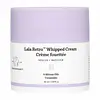
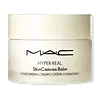
Drunk Elephant Lala Retro Whipped Cream Versus Mac Cosmetics Hyper Real Skincanvas Balm Moisturizing Cream

What's inside
What's inside
 Key Ingredients
Benefits
Concerns
Ingredients Side-by-side
Water
Skin ConditioningGlycerin
Humectant



Caprylic/Capric Triglyceride
Masking
Isopropyl Isostearate
Emollient


Pseudozyma Epicola/Camellia Sinensis Seed Oil Ferment Extract Filtrate
Humectant
Glyceryl Stearate Se
Emulsifying
Cetearyl Alcohol
Emollient
Palmitic Acid
Emollient
Stearic Acid
Cleansing
Pentylene Glycol
Skin ConditioningPlantago Lanceolata Leaf Extract
AntimicrobialAdansonia Digitata Seed Oil
Emollient
Citrullus Lanatus Seed Oil
Emollient
Passiflora Edulis Seed Oil
Emollient
Schinziophyton Rautanenii Kernel Oil
Emollient
Sclerocarya Birrea Seed Oil
Humectant
Ximenia Americana Seed Oil
Emollient
Cholesterol
Emollient
Ceramide AP
Skin Conditioning

Ceramide EOP
Skin Conditioning
Sodium Hyaluronate Crosspolymer
Humectant
Ceramide NP
Skin Conditioning
Phytosphingosine
Skin Conditioning
Ceteareth-20
Cleansing
Trisodium Ethylenediamine Disuccinate
Tocopherol
Antioxidant

Sodium Lauroyl Lactylate
EmulsifyingSodium Hydroxide
BufferingCitric Acid
Buffering




Carbomer
Emulsion StabilisingXanthan Gum
EmulsifyingCaprylyl Glycol
Emollient
Sodium Chloride
Masking
Sodium Carbonate
BufferingChlorphenesin
Antimicrobial
Phenoxyethanol
Preservative
Ethylhexylglycerin
Skin ConditioningWater, Glycerin, Caprylic/Capric Triglyceride, Isopropyl Isostearate, Pseudozyma Epicola/Camellia Sinensis Seed Oil Ferment Extract Filtrate, Glyceryl Stearate Se, Cetearyl Alcohol, Palmitic Acid, Stearic Acid, Pentylene Glycol, Plantago Lanceolata Leaf Extract, Adansonia Digitata Seed Oil, Citrullus Lanatus Seed Oil, Passiflora Edulis Seed Oil, Schinziophyton Rautanenii Kernel Oil, Sclerocarya Birrea Seed Oil, Ximenia Americana Seed Oil, Cholesterol, Ceramide AP, Ceramide EOP, Sodium Hyaluronate Crosspolymer, Ceramide NP, Phytosphingosine, Ceteareth-20, Trisodium Ethylenediamine Disuccinate, Tocopherol, Sodium Lauroyl Lactylate, Sodium Hydroxide, Citric Acid, Carbomer, Xanthan Gum, Caprylyl Glycol, Sodium Chloride, Sodium Carbonate, Chlorphenesin, Phenoxyethanol, Ethylhexylglycerin
Water
Skin ConditioningPropanediol
Solvent
Helianthus Annuus Seed Oil
Emollient
Caprylic/Capric/Myristic/Stearic Triglyceride
EmollientNiacinamide
Smoothing



Cocos Nucifera Oil
Masking
Polyglyceryl-3 Methylglucose Distearate
Emulsifying
Coco-Caprylate/Caprate
Emollient
Simmondsia Chinensis Seed Oil
Emollient
Butylene Glycol
Humectant
Hydroxyethyl Acrylate/Sodium Acryloyldimethyl Taurate Copolymer
Emulsion StabilisingGlyceryl Stearate
Emollient
PEG-100 Stearate
Trehalose
Humectant
Persea Gratissima Oil
Skin Conditioning
Glycerin
Humectant
Sodium Hyaluronate
Humectant
Squalane
Emollient
Ethylhexylglycerin
Skin ConditioningCholesterol
Emollient
Sodium Rna
Skin ConditioningCeramide Ng
Skin Conditioning
Acetyl Glucosamine
Skin ConditioningAcetyl Hexapeptide-8
Humectant
Isononyl Isononanoate
EmollientCaprylic/Capric Triglyceride
Masking
Caprylyl Glycol
Emollient
Mangifera Indica Seed Butter
Skin Conditioning
Paeonia Albiflora Flower Extract
TonicCrithmum Maritimum Extract
Skin ConditioningAloe Barbadensis Leaf Extract
Emollient
Laminaria Digitata Extract
Skin Protecting
Algae Extract
Emollient
Hordeum Distichon Extract
Skin ProtectingPrunus Amygdalus Dulcis Seed Extract
Skin ConditioningSigesbeckia Orientalis Extract
Skin ConditioningTriticum Vulgare Germ Oil
Emollient
Hydrogenated Vegetable Oil
Emollient
Canola Oil
Emollient
Argania Spinosa Kernel Oil
Emollient
Caffeine
Skin Conditioning
Acrylates/C10-30 Alkyl Acrylate Crosspolymer
Emulsion StabilisingSorbitan Isostearate
Emulsifying
Potassium Cetyl Phosphate
EmulsifyingPolysorbate 60
Emulsifying
Hexylene Glycol
EmulsifyingSodium Hydroxide
BufferingParfum
Masking
Linalool
Perfuming

Limonene
Perfuming
Benzyl Salicylate
Perfuming
Tocopherol
Antioxidant
Tocopheryl Acetate
Antioxidant
Tetrasodium EDTA
Phenoxyethanol
Preservative
Potassium Sorbate
Preservative
Chlorphenesin
Antimicrobial
CI 77891
Cosmetic ColorantWater, Propanediol, Helianthus Annuus Seed Oil, Caprylic/Capric/Myristic/Stearic Triglyceride, Niacinamide, Cocos Nucifera Oil, Polyglyceryl-3 Methylglucose Distearate, Coco-Caprylate/Caprate, Simmondsia Chinensis Seed Oil, Butylene Glycol, Hydroxyethyl Acrylate/Sodium Acryloyldimethyl Taurate Copolymer, Glyceryl Stearate, PEG-100 Stearate, Trehalose, Persea Gratissima Oil, Glycerin, Sodium Hyaluronate, Squalane, Ethylhexylglycerin, Cholesterol, Sodium Rna, Ceramide Ng, Acetyl Glucosamine, Acetyl Hexapeptide-8, Isononyl Isononanoate, Caprylic/Capric Triglyceride, Caprylyl Glycol, Mangifera Indica Seed Butter, Paeonia Albiflora Flower Extract, Crithmum Maritimum Extract, Aloe Barbadensis Leaf Extract, Laminaria Digitata Extract, Algae Extract, Hordeum Distichon Extract, Prunus Amygdalus Dulcis Seed Extract, Sigesbeckia Orientalis Extract, Triticum Vulgare Germ Oil, Hydrogenated Vegetable Oil, Canola Oil, Argania Spinosa Kernel Oil, Caffeine, Acrylates/C10-30 Alkyl Acrylate Crosspolymer, Sorbitan Isostearate, Potassium Cetyl Phosphate, Polysorbate 60, Hexylene Glycol, Sodium Hydroxide, Parfum, Linalool, Limonene, Benzyl Salicylate, Tocopherol, Tocopheryl Acetate, Tetrasodium EDTA, Phenoxyethanol, Potassium Sorbate, Chlorphenesin, CI 77891
Reviews
Ingredients Explained
These ingredients are found in both products.
Ingredients higher up in an ingredient list are typically present in a larger amount.
This ingredient is an emollient, solvent, and texture enhancer. It is considered a skin-softener by helping the skin prevent moisture loss.
It helps thicken a product's formula and makes it easier to spread by dissolving clumping compounds.
Caprylic Triglyceride is made by combining glycerin with coconut oil, forming a clear liquid.
While there is an assumption Caprylic Triglyceride can clog pores due to it being derived from coconut oil, there is no research supporting this.
Learn more about Caprylic/Capric TriglycerideCaprylyl Glycol is a humectant and emollient, meaning it attracts and preserves moisture.
It is a common ingredient in many products, especially those designed to hydrate skin. The primary benefits are retaining moisture, skin softening, and promoting a healthy skin barrier.
Though Caprylyl Glycol is an alcohol derived from fatty acids, it is not the kind that can dry out skin.
This ingredient is also used as a preservative to extend the life of products. It has slight antimicrobial properties.
Learn more about Caprylyl GlycolChlorphenesin is a synthetic preservative. It helps protect a product against bacteria in order to extend shelf life. In most cases, Chlorphenesin is paired with other preservatives such as phenoxyethanol and caprylyl glycol.
Chlorphenesin is a biocide. This means it is able to help fight the microorganisms on our skin. It is also able to fight odor-releasing bacteria.
Chlorphenesin is soluble in both water and glycerin.
Studies show Chlorphenesin is easily absorbed by our skin. You should speak with a skincare professional if you have concerns about using Chlorphenesin.
Learn more about ChlorphenesinCholesterol is a class of organic molecules called lipids. It helps hydrate your skin and is essential to having a healthy skin barrier.
Our skin naturally contains cholesterol in the outermost layer. Besides cholesterol, it also contains ceramides and fatty acids. Cholesterol makes up about 1/4 of your skin's outer layer and barrier. Your skin barrier is responsible for keeping allergens and microbes out. Having a healthy skin barrier is also responsible for keeping your skin firm and plump.
Our bodies use cholestrol to create vitamin D, steroid hormones, and more.
Learn more about CholesterolEthylhexylglycerin (we can't pronounce this either) is commonly used as a preservative and skin softener. It is derived from glyceryl.
You might see Ethylhexylglycerin often paired with other preservatives such as phenoxyethanol. Ethylhexylglycerin has been found to increase the effectiveness of these other preservatives.
Glycerin is already naturally found in your skin. It helps moisturize and protect your skin.
A study from 2016 found glycerin to be more effective as a humectant than AHAs and hyaluronic acid.
As a humectant, it helps the skin stay hydrated by pulling moisture to your skin. The low molecular weight of glycerin allows it to pull moisture into the deeper layers of your skin.
Hydrated skin improves your skin barrier; Your skin barrier helps protect against irritants and bacteria.
Glycerin has also been found to have antimicrobial and antiviral properties. Due to these properties, glycerin is often used in wound and burn treatments.
In cosmetics, glycerin is usually derived from plants such as soybean or palm. However, it can also be sourced from animals, such as tallow or animal fat.
This ingredient is organic, colorless, odorless, and non-toxic.
Glycerin is the name for this ingredient in American English. British English uses Glycerol/Glycerine.
Learn more about GlycerinPhenoxyethanol is a preservative that has germicide, antimicrobial, and aromatic properties. Studies show that phenoxyethanol can prevent microbial growth. By itself, it has a scent that is similar to that of a rose.
It's often used in formulations along with Caprylyl Glycol to preserve the shelf life of products.
Sodium Hydroxide is also known as lye or caustic soda. It is used to adjust the pH of products; many ingredients require a specific pH to be effective.
In small amounts, sodium hydroxide is considered safe to use. However, large amounts may cause chemical burns due to its high alkaline.
Your skin has a natural pH and acid mantle. This acid mantle helps prevent harmful bacteria from breaking through. The acid mantle also helps keep your skin hydrated.
"Alkaline" refers to a high pH level. A low pH level would be considered acidic.
Learn more about Sodium HydroxideTocopherol (also known as Vitamin E) is a common antioxidant used to help protect the skin from free-radicals and strengthen the skin barrier. It's also fat soluble - this means our skin is great at absorbing it.
Vitamin E also helps keep your natural skin lipids healthy. Your lipid skin barrier naturally consists of lipids, ceramides, and fatty acids. Vitamin E offers extra protection for your skin’s lipid barrier, keeping your skin healthy and nourished.
Another benefit is a bit of UV protection. Vitamin E helps reduce the damage caused by UVB rays. (It should not replace your sunscreen). Combining it with Vitamin C can decrease sunburned cells and hyperpigmentation after UV exposure.
You might have noticed Vitamin E + C often paired together. This is because it is great at stabilizing Vitamin C. Using the two together helps increase the effectiveness of both ingredients.
There are often claims that Vitamin E can reduce/prevent scarring, but these claims haven't been confirmed by scientific research.
Learn more about TocopherolWater. It's the most common cosmetic ingredient of all. You'll usually see it at the top of ingredient lists, meaning that it makes up the largest part of the product.
So why is it so popular? Water most often acts as a solvent - this means that it helps dissolve other ingredients into the formulation.
You'll also recognize water as that liquid we all need to stay alive. If you see this, drink a glass of water. Stay hydrated!
Learn more about Water
