Drunk Elephant C-Tango Multivitamin Eye Cream Versus Perricone MD Cold Plasma Plus + Advanced Eye Cream
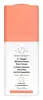
This anti-aging eye moisturizer is formulated around Sodium Ascorbyl Phosphate and Tetrahexyldecyl Ascorbate to soften the look of wrinkles and brighten dull-looking skin.
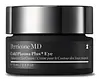
This anti-aging eye moisturizer is formulated around Tetrahexyldecyl Ascorbate and Palmitoyl Tripeptide-1 to soften the look of wrinkles and fade the look of dark spots.

What's inside
What's inside
 Key Ingredients
Benefits
Concerns
Ingredients Side-by-side
Water
Skin ConditioningGlycerin
Humectant


Dicaprylyl Carbonate
EmollientCetearyl Alcohol
Emollient






Caprylic/Capric Triglyceride
Masking
Hydroxyethyl Acrylate/Sodium Acryloyldimethyl Taurate Copolymer
Emulsion StabilisingSodium Ascorbyl Phosphate
Antioxidant






Cetearyl Olivate
Sorbitan Olivate
Emulsifying
Sclerocarya Birrea Seed Oil
Humectant
Persea Gratissima Oil
Skin Conditioning
Plukenetia Volubilis Seed Oil
Emollient
Magnesium Ascorbyl Phosphate
Antioxidant
Ceteareth-6 Olivate
EmulsifyingTetrahexyldecyl Ascorbate
Antioxidant
Ascorbyl Glucoside
Antioxidant
Ascorbyl Palmitate
Antioxidant
Palmitoyl Tripeptide-1
Skin Conditioning
Glycine Soja Sterols
Emollient
Linoleic Acid
Cleansing

Phospholipids
Skin Conditioning
Ceramide NP
Skin Conditioning
Glycine Soja Protein
EmulsifyingCeramide AP
Skin Conditioning
Phytosphingosine
Skin Conditioning
Cholesterol
Emollient
Ceramide EOP
Skin Conditioning
Cucumis Sativus Fruit Extract
Emollient
Camellia Sinensis Leaf Extract
Antimicrobial
Palmitoyl Dipeptide-5 Diaminobutyroyl Hydroxythreonine
Skin Conditioning
Palmitoyl Dipeptide-5 Diaminohydroxybutyrate
Skin Conditioning
Dipeptide Diaminobutyroyl Benzylamide Diacetate
Skin Conditioning
Sodium Hyaluronate Crosspolymer
Humectant
C12-15 Alkyl Benzoate
AntimicrobialPanthenol
Skin Conditioning
Dipotassium Glycyrrhizate
Humectant
Hesperidin Methyl Chalcone
Antioxidant
Dipeptide-2
Skin Conditioning
Palmitoyl Tetrapeptide-7
Skin Conditioning
Fragaria Ananassa Seed Extract
Antioxidant
Medicago Sativa Extract
TonicMorus Alba Leaf Extract
Skin ConditioningHydrolyzed Rice Protein
Skin ConditioningSpilanthes Acmella Flower Extract
Skin ConditioningAloe Barbadensis Leaf Juice
Skin Conditioning
Ubiquinone
Antioxidant
Superoxide Dismutase
Antioxidant
Palmitoyl Tripeptide-38
Skin Conditioning
Acetyl Hexapeptide-8
Humectant
Pyrus Malus Fruit Extract
Skin Conditioning
Phytic Acid
Chelating
Actinidia Chinensis Fruit Extract
EmollientVaccinium Myrtillus Leaf Extract
AstringentTocopherol
Antioxidant
Thioctic Acid
Antioxidant
N-Hydroxysuccinimide
Skin ConditioningChrysin
Skin ConditioningMica
Cosmetic ColorantEthylhexyl Palmitate
Emollient
Phenoxyethanol
Preservative
Pentylene Glycol
Skin Conditioning
Sodium Lauroyl Lactylate
EmulsifyingTitanium Dioxide
Cosmetic Colorant

Hydroxypropyl Cyclodextrin
MaskingSodium Benzoate
Masking
Xanthan Gum
EmulsifyingCarbomer
Emulsion StabilisingTocopheryl Acetate
Antioxidant
Sodium Dextran Sulfate
Gel FormingSorbitan Isostearate
Emulsifying
Caprylyl Glycol
Emollient
Steareth-20
CleansingChlorhexidine Digluconate
Antimicrobial
Citric Acid
Buffering
Chlorphenesin
Antimicrobial
Polysorbate 60
Emulsifying
Potassium Sorbate
Preservative
Ethylhexylglycerin
Skin ConditioningWater, Glycerin, Dicaprylyl Carbonate, Cetearyl Alcohol, Caprylic/Capric Triglyceride, Hydroxyethyl Acrylate/Sodium Acryloyldimethyl Taurate Copolymer, Sodium Ascorbyl Phosphate, Cetearyl Olivate, Sorbitan Olivate, Sclerocarya Birrea Seed Oil, Persea Gratissima Oil, Plukenetia Volubilis Seed Oil, Magnesium Ascorbyl Phosphate, Ceteareth-6 Olivate, Tetrahexyldecyl Ascorbate, Ascorbyl Glucoside, Ascorbyl Palmitate, Palmitoyl Tripeptide-1, Glycine Soja Sterols, Linoleic Acid, Phospholipids, Ceramide NP, Glycine Soja Protein, Ceramide AP, Phytosphingosine, Cholesterol, Ceramide EOP, Cucumis Sativus Fruit Extract, Camellia Sinensis Leaf Extract, Palmitoyl Dipeptide-5 Diaminobutyroyl Hydroxythreonine, Palmitoyl Dipeptide-5 Diaminohydroxybutyrate, Dipeptide Diaminobutyroyl Benzylamide Diacetate, Sodium Hyaluronate Crosspolymer, C12-15 Alkyl Benzoate, Panthenol, Dipotassium Glycyrrhizate, Hesperidin Methyl Chalcone, Dipeptide-2, Palmitoyl Tetrapeptide-7, Fragaria Ananassa Seed Extract, Medicago Sativa Extract, Morus Alba Leaf Extract, Hydrolyzed Rice Protein, Spilanthes Acmella Flower Extract, Aloe Barbadensis Leaf Juice, Ubiquinone, Superoxide Dismutase, Palmitoyl Tripeptide-38, Acetyl Hexapeptide-8, Pyrus Malus Fruit Extract, Phytic Acid, Actinidia Chinensis Fruit Extract, Vaccinium Myrtillus Leaf Extract, Tocopherol, Thioctic Acid, N-Hydroxysuccinimide, Chrysin, Mica, Ethylhexyl Palmitate, Phenoxyethanol, Pentylene Glycol, Sodium Lauroyl Lactylate, Titanium Dioxide, Hydroxypropyl Cyclodextrin, Sodium Benzoate, Xanthan Gum, Carbomer, Tocopheryl Acetate, Sodium Dextran Sulfate, Sorbitan Isostearate, Caprylyl Glycol, Steareth-20, Chlorhexidine Digluconate, Citric Acid, Chlorphenesin, Polysorbate 60, Potassium Sorbate, Ethylhexylglycerin
Water
Skin ConditioningIsopropyl Palmitate
Emollient
Cetearyl Alcohol
Emollient
Glyceryl Stearate
Emollient
Jojoba Esters
Emollient
PEG-100 Stearate
Surfactant
Ceteareth-20
Cleansing
Benzyl Alcohol
Perfuming




Hydrogenated Olive Oil
Skin Conditioning
Olea Europaea Fruit Oil
Masking
Tetrahexyldecyl Ascorbate
Antioxidant
Phosphatidylcholine
EmulsifyingAcetyl Tetrapeptide-5
Humectant
Palmitoyl Tripeptide-1
Skin Conditioning
Palmitoyl Tetrapeptide-7
Skin Conditioning
Echium Plantagineum Seed Oil
Skin Conditioning
Helianthus Annuus Seed Oil
Emollient
Copper Tripeptide-1
Skin Conditioning
Magnesium Aspartate
Skin ConditioningZinc Gluconate
Skin Conditioning

Sodium Hyaluronate
Humectant
Rosmarinus Officinalis Leaf Extract
AntimicrobialCopper Gluconate
Skin Conditioning
N-Hydroxysuccinimide
Skin ConditioningChrysin
Skin ConditioningDisodium EDTA
ChelatingDimethicone
Emollient
Glycerin
Humectant
Butylene Glycol
Humectant
Steareth-20
CleansingDimethicone Crosspolymer
Emulsion Stabilising
Silica
Abrasive
CI 77891
Cosmetic ColorantCI 77491
Cosmetic ColorantWater, Isopropyl Palmitate, Cetearyl Alcohol, Glyceryl Stearate, Jojoba Esters, PEG-100 Stearate, Ceteareth-20, Benzyl Alcohol, Hydrogenated Olive Oil, Olea Europaea Fruit Oil, Tetrahexyldecyl Ascorbate, Phosphatidylcholine, Acetyl Tetrapeptide-5, Palmitoyl Tripeptide-1, Palmitoyl Tetrapeptide-7, Echium Plantagineum Seed Oil, Helianthus Annuus Seed Oil, Copper Tripeptide-1, Magnesium Aspartate, Zinc Gluconate, Sodium Hyaluronate, Rosmarinus Officinalis Leaf Extract, Copper Gluconate, N-Hydroxysuccinimide, Chrysin, Disodium EDTA, Dimethicone, Glycerin, Butylene Glycol, Steareth-20, Dimethicone Crosspolymer, Silica, CI 77891, CI 77491
Reviews
Ingredients Explained
These ingredients are found in both products.
Ingredients higher up in an ingredient list are typically present in a larger amount.
Cetearyl alcohol is a waxy mixture of two fatty alcohols: cetyl alcohol and stearyl alcohol. It is an emollient and emulsifier.
Despite having "alcohol" in its name, it has nothing to do with drying solvent alcohols; the FDA also allows "alcohol-free" products to contain fatty alcohols like this ingredient.
It plays several roles in a formula:
Typical use levels for this ingredient sit around 1-10% and the Cosmetic Ingredient Review Expert Panel has affirmed safety at concentrations up to 25% in leave-on products.
Multiple assessments have found it to be non-irritating and non-sensitizing to most people.
However, there have been some cases of allergic contact dermatitis in patients with chronically compromised skin barriers.
Cetearyl alcohol has a comedogenic rating of 2 and irritancy rating of 1. Both of these numbers come from the 1989 study that used rabbit ears; a "2" means mildly comedogenic and a "1" means low irritancy.
Here's the catch: rabbit skin is more sensitive than human skin and throws a lot of false positives. A 1996 reappraisal found that ingredients rated 1-2 in the rabbit ear tests are generally safe for humans.
Remember comedogenic ratings are unable to assess the entire formula of a product or how it will react on your skin. Just be sure to patch test if you are unsure about certain ingredients.
This ingredient is not fungal acne safe. Cetearyl alcohol is a fatty alcohol with chain lengths that fall within the range that Malassezia can metabolize.
A 2019 study has also observed Malassezia growth in the presence of this ingredient, confirming it to be not-fungal acne safe.
Learn more about Cetearyl AlcoholWe don't have a description for Chrysin yet.
Glycerin (or glycerol) is a compound naturally found in your skin. It's a powerhouse humectant that pulls water into the stratum corneum.
Topically, glycerin does several things at once:
Your skin makes glycerin on its own (mostly from sebaceous oil breakdown) and shuttles it to your outermost layer of skin, or your epidermis, via aquaporin-3.
Aquaporin-3 is a transporter that is essential for normal skin hydration, elasticity, and repair. Interestingly, mice lacking in AQP3 have dry and less elastic skin that can be fully corrected with glycerin.
This ingredient is non-irritating, plays well with almost every ingredient, and works across all skin types. Typical use is anywhere between 3-10% but can go up to 79% in some leave-on products.
Just know very high concentrations (>40%) can feel tacky in low humidity.
Glycerin is the name for this ingredient in American English. British English uses Glycerol/Glycerine.
Learn more about GlycerinWe don't have a description for N-Hydroxysuccinimide yet.
Palmitoyl Tetrapeptide-7 (formerly Palmitoyl Tetrapeptide-3) is a synthetic peptide. Its main job is to fight what researchers call "inflammaging".
"Inflammaging" is the slow, low-grade chronic inflammation that quietly breaks down collagen as we age.
This ingredient calms down a specific inflammation signal in your skin cells (called IL-6). When left unchecked, this signal triggers enzymes that break down collagen and elastin.
Clinical testing showed statistically significant improvements in:
Studies also found the more of this ingredient used, the more your skin produces Collagen I, fibronectin, and hyaluronic acid.
You'll likely see this ingredient paired with Palmitoyl Tripeptide-1 in the well-known Matrixyl 3000 complex for enhanced anti-aging effects.
A 3% concentration applied twice daily for two months showed meaningful skin rejuvenation results in clinical panels.
Fungal acne note:
Usually a palmitic acid component can feed Malassezia in unbound form, but here is is covalently bonded to the peptide. This means it is very difficult for Malassezia to access, and therefore very unlikely to cause fungal acne.
Palmitoyl Tripeptide-1 (aka Pal-GHK) is a synthetic signal peptide made of three amino acids attached to palmitic acid.
That fatty acid attachment is the key: it boosts the peptide's ability to penetrate the skin barrier. This puts it closer to the dermal cells where it can actually make a difference.
Once there, it acts as a matrikine, a signaling peptide that prompts fibroblasts to produce more collagen, fibronectin, and hyaluronic acid.
In vitro studies show it can boost collagen production in skin cells even when UV-damaged skin samples were treated with it at a tiny concentration (it almost fully restored dermal collagen at 5ppm). It achieved this at 100x lower concentration than retinoic acid, which needed 500 ppm to do the same thing.
Human clinical data is promising, but modest:
A study of 23 female volunteers found a small but statistically significant increase (~4%) in skin thickness after treatment at 4 ppm.
A separate small trial of 15 women showed statistically significant reductions in wrinkle length, depth, and skin roughness after applying it twice daily for four weeks.
You'll likely see Pal-GHK paired with Palmitoyl Tetrapeptide-7 as part of the Matrixyl 3000 complex.
Fungal acne note:
Usually a palmitic acid component can feed Malassezia in unbound form, but here is is covalently bonded to the peptide. This means it is very difficult for Malassezia to access, and therefore very unlikely to cause fungal acne.
Steareth-20 is an emulsifier and solubilizer. It is created from stearyl alcohol with ~20 units of ethylene oxide to give it a strong preference for water.
As an emulsifier, it helps oil-in-water emulsions like lotions, creams, and cleansers stay stable. It also solubilizes small amounts of oil-loving ingredients (like fragrance) into water-based formulas.
You'll likely find this ingredient with steareth-2 (it's oil-loving sister) where the two work together to give products a cushiony feel.
Typical use levels sit at around 1-5% and this ingredient has been found to be non-irritating by the CIR Expert Panel.
Learn more about Steareth-20Tetrahexyldecyl Ascorbate (THD) is a stable and oil-soluble form of Vitamin C.
THD is special in that it has the ability to travel deeper into skin than traditional ascorbic acid while maintaining the same skin benefits (double win!).
Because it’s oil-soluble, THD dives deep into your skin’s fatty layers (think ceramides and cholesterol) to fight off the kind of free radicals that mess with your skin barrier. This makes it a great pair with water-based vitamin C (ascorbic acid) that mainly works on the surface.
Even at just 0.1%, THD is already showing great antioxidant activity. When used up to 2%, it helps keep your skin happy and calm, especially when it’s stressed from pollution or sun.
Want to fade dark spots or tackle hyperpigmentation? You’ll want 5% or more. Pairing it with brightening buddies like niacinamide or licorice root gives even better results. One study even used 30% THD with other brighteners and saw real results on stubborn discoloration, even in melasma-prone skin.
A note on THD: It’s has a slightly silky, oily texture and usually shows up colorless or pale yellow (though the exact shade can vary by supplier).
While you can sneak it into water-based formulas, it really shines when paired with silicones or oils, which help your skin soak it up better.
THD is pretty stable, but it’s still vulnerable to degradation like ascorbic acid. Too much light or heat (above 113°F / 45°C) can break it down over time. Go for dark and opaque packaging that keeps it safe and shady!
Read more about other types of Vitamin C:
Learn more about Tetrahexyldecyl AscorbateWater. It's the most common cosmetic ingredient of all. You'll usually see it at the top of ingredient lists, meaning that it makes up the largest part of the product.
So why is it so popular? Water most often acts as a solvent - this means that it helps dissolve other ingredients into the formulation.
You'll also recognize water as that liquid we all need to stay alive. If you see this, drink a glass of water. Remember to stay hydrated!
Learn more about Water

