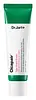
This calming moisturizer is formulated around Niacinamide and Madecassoside to calm redness and strengthen the skin barrier.
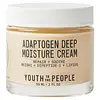
This calming moisturizer is formulated around Niacinamide and Tremella Fuciformis Polysaccharide to calm redness and hydrate skin.


What's inside
What's inside
 Key Ingredients
Benefits
Concerns
Ingredients Side-by-side
Water
Skin ConditioningButylene Glycol
Humectant

Propanediol
Solvent
Caprylic/Capric Triglyceride
Masking
Cetearyl Alcohol
Emollient





Hydrogenated Poly(C6-14 Olefin)
EmollientCetyl Ethylhexanoate
EmollientPolyglyceryl-3 Methylglucose Distearate
Emulsifying
Butyrospermum Parkii Butter
Skin Conditioning
Niacinamide
Smoothing










Vinyldimethicone

Macadamia Integrifolia Seed Oil
Skin Conditioning
Glyceryl Stearate
Emollient
Pentylene Glycol
Skin Conditioning
1,2-Hexanediol
Skin Conditioning
Diisostearyl Malate
EmollientEryngium Maritimum Callus Culture Filtrate
Skin ConditioningHydrogenated Vegetable Oil
Emollient
Polymethylsilsesquioxane
Cera Alba
Emollient
Cetearyl Olivate
Sorbitan Olivate
Emulsifying
Madecassoside
Antioxidant
Houttuynia Cordata Extract
Skin Conditioning
Ilex Aquifolium Leaf Extract
Skin ConditioningStreptococcus Thermophilus Ferment
Humectant
Hydroxyethyl Acrylate/Sodium Acryloyldimethyl Taurate Copolymer
Emulsion StabilisingAchillea Millefolium Oil
Cleansing


Hydroxyacetophenone
Antioxidant
Palmitic Acid
Emollient
Stearic Acid
Cleansing
Lavandula Angustifolia Oil
Masking
Sodium Polyacryloyldimethyl Taurate
Emulsion StabilisingCarbomer
Emulsion StabilisingXanthan Gum
EmulsifyingHydrogenated Polydecene
EmollientTromethamine
BufferingCaramel
Cosmetic ColorantCitrus Aurantium Bergamia Fruit Oil
Masking
Melia Azadirachta Leaf Extract
Skin ConditioningDNA
Skin ConditioningMelia Azadirachta Flower Extract
Skin ConditioningAdenosine
Skin Conditioning
Sorbitan Isostearate
Emulsifying
Asiaticoside
Antioxidant
Disodium EDTA
Centella Asiatica Leaf Extract
Skin Conditioning
Hedera Helix Extract
AntimicrobialCoccinia Indica Fruit Extract
Skin Conditioning
Trideceth-10
CleansingPanthenol
Skin Conditioning
Amber Powder
Solanum Melongena Fruit Extract
Skin ConditioningEthylhexylglycerin
Skin ConditioningCurcuma Longa Root Extract
Antioxidant
Ocimum Sanctum Leaf Extract
Skin ConditioningCorallina Officinalis Extract
Skin Conditioning
Moringa Oleifera Seed Oil
Emollient
Tocopherol
Antioxidant
Calcium Chloride
AstringentMagnesium Sulfate
Asiatic Acid
Skin Conditioning
Madecassic Acid
Skin Conditioning
Centella Asiatica Extract
Cleansing
Water, Butylene Glycol, Propanediol, Caprylic/Capric Triglyceride, Cetearyl Alcohol, Hydrogenated Poly(C6-14 Olefin), Cetyl Ethylhexanoate, Polyglyceryl-3 Methylglucose Distearate, Butyrospermum Parkii Butter, Niacinamide, Vinyldimethicone, Macadamia Integrifolia Seed Oil, Glyceryl Stearate, Pentylene Glycol, 1,2-Hexanediol, Diisostearyl Malate, Eryngium Maritimum Callus Culture Filtrate, Hydrogenated Vegetable Oil, Polymethylsilsesquioxane, Cera Alba, Cetearyl Olivate, Sorbitan Olivate, Madecassoside, Houttuynia Cordata Extract, Ilex Aquifolium Leaf Extract, Streptococcus Thermophilus Ferment, Hydroxyethyl Acrylate/Sodium Acryloyldimethyl Taurate Copolymer, Achillea Millefolium Oil, Hydroxyacetophenone, Palmitic Acid, Stearic Acid, Lavandula Angustifolia Oil, Sodium Polyacryloyldimethyl Taurate, Carbomer, Xanthan Gum, Hydrogenated Polydecene, Tromethamine, Caramel, Citrus Aurantium Bergamia Fruit Oil, Melia Azadirachta Leaf Extract, DNA, Melia Azadirachta Flower Extract, Adenosine, Sorbitan Isostearate, Asiaticoside, Disodium EDTA, Centella Asiatica Leaf Extract, Hedera Helix Extract, Coccinia Indica Fruit Extract, Trideceth-10, Panthenol, Amber Powder, Solanum Melongena Fruit Extract, Ethylhexylglycerin, Curcuma Longa Root Extract, Ocimum Sanctum Leaf Extract, Corallina Officinalis Extract, Moringa Oleifera Seed Oil, Tocopherol, Calcium Chloride, Magnesium Sulfate, Asiatic Acid, Madecassic Acid, Centella Asiatica Extract
Water
Skin ConditioningGlycerin
Humectant
Ethyl Oleate
Emollient
Centaurea Cyanus Flower Water
Skin Conditioning
Niacinamide
Smoothing
Glyceryl Stearate Citrate
Emollient
Behenyl Alcohol
Emollient
Lauryl Laurate
Skin Conditioning
Butyrospermum Parkii Butter
Skin Conditioning
Ammonium Polyacryloyldimethyl Taurate
Emulsion StabilisingInonotus Obliquus Extract
Skin ConditioningTremella Fuciformis Polysaccharide
Emulsion Stabilising
Acetyl Dipeptide-1 Cetyl Ester
Skin Conditioning
Ganoderma Lucidum Extract
Skin Protecting
Linoleic Acid
Cleansing
Linolenic Acid
Cleansing
Oleic Acid
Emollient
Phytic Acid

Sodium Hydroxide
BufferingStearic Acid
Cleansing
Withania Somnifera Root Extract
Skin Conditioning
Panthenol
Skin Conditioning
Tocopherol
Antioxidant
Ceramide NP
Skin Conditioning
C12-16 Alcohols
EmollientHydrogenated Lecithin
Emulsifying
Palmitic Acid
Emollient
Simmondsia Chinensis Seed Oil
Emollient
Squalane
Emollient
Arginine
Masking
Caprylyl Glycol
Emollient
Citric Acid
Buffering
Coco-Betaine
Cleansing
Ethylhexylglycerin
Skin ConditioningFructose
Humectant
Helianthus Annuus Seed Oil
Emollient
Propanediol
Solvent
Xanthan Gum
EmulsifyingCaramel
Cosmetic ColorantBenzyl Alcohol
Perfuming

Phenoxyethanol
Preservative
Potassium Sorbate
Preservative
Water, Glycerin, Ethyl Oleate, Centaurea Cyanus Flower Water, Niacinamide, Glyceryl Stearate Citrate, Behenyl Alcohol, Lauryl Laurate, Butyrospermum Parkii Butter, Ammonium Polyacryloyldimethyl Taurate, Inonotus Obliquus Extract, Tremella Fuciformis Polysaccharide, Acetyl Dipeptide-1 Cetyl Ester, Ganoderma Lucidum Extract, Linoleic Acid, Linolenic Acid, Oleic Acid, Phytic Acid, Sodium Hydroxide, Stearic Acid, Withania Somnifera Root Extract, Panthenol, Tocopherol, Ceramide NP, C12-16 Alcohols, Hydrogenated Lecithin, Palmitic Acid, Simmondsia Chinensis Seed Oil, Squalane, Arginine, Caprylyl Glycol, Citric Acid, Coco-Betaine, Ethylhexylglycerin, Fructose, Helianthus Annuus Seed Oil, Propanediol, Xanthan Gum, Caramel, Benzyl Alcohol, Phenoxyethanol, Potassium Sorbate
Reviews
Ingredients Explained
These ingredients are found in both products.
Ingredients higher up in an ingredient list are typically present in a larger amount.
This ingredient is also known as shea butter. It is a plant-derived extract from the nuts of the Africa shea tree and one of the most well-studied emollients.
Because it has a high concentration of fatty acids (primarily oleic, stearic, and linoleic) it is able to form a protective barrier on the skin's surface. This helps seal in moisture and prevents transepidermal water loss (TEWL).
In vitro research found an increase in skin hydration by 58% and a decrease in TEWL by 37.8% after 24 hours of applying this ingredient (pretty impressive for a single ingredient!).
Besides hydration, shea butter also contains triterpenes that have anti-inflammatory potential. In particule, lupeol cinnamate has shown the highest anti-inflammatory activity in vivo.
Shea butter also contains vitamins A and E which may contribute to antioxidant activity.
While Shea Butter has an SPF rating of about 3-4, it is not a sunscreen replacement.
This ingredient may not be fungal acne safe because its fatty acids fall within the C11-C24 range that the Malassezia yeast can metabolize.
Learn more about Butyrospermum Parkii ButterWe don't have a description for Caramel yet.
Ethylhexylglycerin is created from glycerin. It is a multitasker ingredient that:
The CIR Expert Panel found minimal skin absorption or sensitization of any kind in a safety assessment. Though this ingredient is considered well-tolerated, a small number of cases of allergic dermatitis have been published since 2002. Just be sure to patch test if you are unsure.
Industry-reported use ranges from 8% in rinse-off products and 2% in leave-on formulations.
Learn more about EthylhexylglycerinNiacinamide is a multitasking form of vitamin B3 that strengthens the skin barrier, reduces pores and dark spots, regulates oil, and improves signs of aging.
And the best part? It's gentle and well-tolerated by most skin types, including sensitive and reactive skin.
You might have heard of "niacin flush", or the reddening of skin that causes itchiness. Niacinamide has not been found to cause this.
In very rare cases, some individuals may not be able to tolerate niacinamide at all or experience an allergic reaction to it.
If you are experiencing flaking, irritation, and dryness with this ingredient, be sure to double check all your products as this ingredient can be found in all categories of skincare.
When incorporating niacinamide into your routine, look out for concentration amounts. Typically, 5% niacinamide provides benefits such as fading dark spots. However, if you have sensitive skin, it is better to begin with a smaller concentration.
When you apply niacinamide to your skin, your body converts it into nicotinamide adenine dinucleotide (NAD). NAD is an essential coenzyme that is already found in your cells as "fuel" and powers countless biological processes.
In your skin, NAD helps repair cell damage, produce new healthy cells, support collagen production, strengthen the skin barrier, and fight environmental stressors (like UV and pollution).
Our natural NAD levels start to decline with age, leading to slower skin repair, visible aging, and a weaker skin barrier. By providing your skin niacinamide, you're recharging your skin's NAD levels. This leads to stronger, healthier, and younger looking skin.
Another name for vitamin B3 is nicotinamide. This vitamin is water-soluble and our bodies don't store it. We obtain Vitamin B3 from either food or skincare. Meat, fish, wheat, yeast, and leafy greens contain vitamin B3.
The type of niacinamide used in skincare is synthetically created.
Learn more about NiacinamidePalmitic Acid is a fatty acid naturally found in our skin and in many plant and animal sources.
In cosmetics, it is usually derived from palm oil. It serves many purposes in skincare, acting as a cleanser, emollient, and emulsifier.
Interestingly, topically applied Palmitic Acid can be elongated into longer chain fatty acids and ceramides. A 2019 study found low levels of Palmitic Acid lead to slower development of cells, suggesting it plays a role in keeping your skin's renewal process on track.
The CIR (Cosmetic Ingredient Review) panel determined it safe as used in cosmetics at concentrations up to 13%. It is non-irritating and non-sensitizing in clinical studies.
The culprit behind fungal acne, the Malassezia yeast, feeds on fatty acids with carbon chain lengths between C11-C24. Palmitic Acid, at C16, falls right into that sweet spot.
In vitro studies have shown that Palmitic Acid is one of the fatty acids that induce rapid Malassezia growth in lab settings.
It's worth noting that what feeds yeast in a lab doesn't necessarily feed it on your face since formulation and your skin's chemistry play a bigger role.
Learn more about Palmitic AcidPanthenol is a common ingredient that helps hydrate and soothe the skin. It is found naturally in our skin and hair.
There are two forms of panthenol: D and L.
D-panthenol is also known as dexpanthenol. Most cosmetics use dexpanthenol or a mixture of D and L-panthenol.
Panthenol is famous due to its ability to go deeper into the skin's layers. Using this ingredient has numerous pros (and no cons):
Like hyaluronic acid, panthenol is a humectant. Humectants are able to bind and hold large amounts of water to keep skin hydrated.
This ingredient works well for wound healing. It works by increasing tissue in the wound and helps close open wounds.
Once oxidized, panthenol converts to pantothenic acid. Panthothenic acid is found in all living cells.
This ingredient is also referred to as pro-vitamin B5.
Learn more about PanthenolPropanediol is an all-star ingredient. It softens, hydrates, and smooths the skin.
It’s often used to:
Propanediol is not likely to cause sensitivity and considered safe to use. It is derived from corn or petroleum with a clear color and no scent.
Learn more about PropanediolStearic Acid is a fatty acid that is already found in your skin. It's one of the free fatty acids that works alongside ceramides and cholesterols to maintain your barrier.
In cosmetics, it is a multitasker:
Safety-wise, the CIR Expert Panel has concluded it to be safe in cosmetics when formulated to be non-irritating and non-sensitizing.
Free stearic acid is a C18 fatty acid that the Malassezia yeast can substrate, so this ingredient may not be fungal acne safe.
Learn more about Stearic AcidTocopherol is a fat-soluble antioxidant known as Vitamin E.
You'll find this ingredient in the vast majority of skincare (for good reason). It works to neutralize free radicals, or unstable molecules generated by UV exposure, pollution, and other environmental stressors, before they can cause oxidative damage to your skin cells.
Topically applied tocopherol has been shown to protect against UV damage by ramping up the skin's own natural defense enzymes.
It also acts as a skin conditioning agent; some studies show that regular topical use can improve the skin's water-binding capacity over 2-4 weeks.
This ingredient is especially loved for being a team player. When combined with Vitamin C, the photoprotective effect of both ingredients roughly doubles and the combo also helps reduce UV-induced DNA damage.
This ingredient has some brightening potential but it's more of a prevention ingredient than spot-fader. Cell studies show it can slow down melanin production but it's worth noting that it's not the most powerful brightener out there.
In formulations, it also serves as a stabilizer that helps protect other oxidation-prone ingredients from degrading.
Concentrations usually range from 0.1-1% in most leave-on products.
Learn more about TocopherolWater. It's the most common cosmetic ingredient of all. You'll usually see it at the top of ingredient lists, meaning that it makes up the largest part of the product.
So why is it so popular? Water most often acts as a solvent - this means that it helps dissolve other ingredients into the formulation.
You'll also recognize water as that liquid we all need to stay alive. If you see this, drink a glass of water. Remember to stay hydrated!
Learn more about WaterXanthan gum is used as a stabilizer and thickener within cosmetic products. It helps give products a sticky, thick feeling - preventing them from being too runny.
On the technical side of things, xanthan gum is a polysaccharide - a combination consisting of multiple sugar molecules bonded together.
Xanthan gum is a pretty common and great ingredient. It is a natural, non-toxic, non-irritating ingredient that is also commonly used in food products.
Learn more about Xanthan Gum

