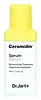
This barrier-repair serum is formulated around Ceramide NP and Beta-Glucan to strengthen the skin barrier and hydrate skin.
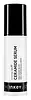
This barrier-repair night moisturizer is formulated around Sodium Hyaluronate and Ceramide NP to strengthen the skin barrier and hydrate skin.


What's inside
What's inside
 Key Ingredients
Benefits
Concerns
Ingredients Side-by-side
Water
Skin ConditioningDipropylene Glycol
HumectantGlycerin
Humectant


1,2-Hexanediol
Skin Conditioning
Glycereth-26
Humectant
Cyclomethicone
Emollient
Cyclohexasiloxane
Emollient
Caprylic/Capric Triglyceride
Masking
Pentylene Glycol
Skin Conditioning
Polyglyceryl-10 Stearate
Skin Conditioning

Polyglyceryl-3 Methylglucose Distearate
Emulsifying
Hydrogenated Poly(C6-14 Olefin)
EmollientC12-15 Alkyl Benzoate
AntimicrobialNeopentyl Glycol Diheptanoate
EmollientCetearyl Alcohol
Emollient



Pentaerythrityl Distearate
Emulsifying
Ceramide NP
Skin Conditioning



Ceramide Ns
Skin Conditioning
Ceramide As
Skin Conditioning
Ceramide AP
Skin Conditioning
Ceramide EOP
Skin Conditioning
Himanthalia Elongata Extract
Skin Protecting
Eclipta Prostrata Leaf Extract
Skin ConditioningMalt Extract
Skin ProtectingMelia Azadirachta Flower Extract
Skin ConditioningTheobroma Cacao Extract
Skin ConditioningMelia Azadirachta Leaf Extract
Skin ConditioningCurcuma Longa Root Extract
Antioxidant

Avena Sativa Kernel Extract
Abrasive
Pteris Multifida Extract
Antioxidant
Cynara Scolymus Leaf Extract
Skin ConditioningOcimum Sanctum Leaf Extract
Skin ConditioningCorallina Officinalis Extract
Skin Conditioning
Hydrogenated Lecithin
Emulsifying
Citrus Aurantium Bergamia Fruit Oil
Masking


Pelargonium Graveolens Flower Oil
Masking
Argania Spinosa Kernel Oil
Emollient

Salvia Officinalis Oil
Masking
Pogostemon Cablin Leaf Oil
Masking
Saccharomyces Ferment Filtrate
Humectant
Methylpropanediol
SolventAcrylates/C10-30 Alkyl Acrylate Crosspolymer
Emulsion StabilisingAmmonium Acryloyldimethyltaurate/Vp Copolymer
Tromethamine
BufferingXanthan Gum
EmulsifyingSodium Stearoyl Glutamate
CleansingFructooligosaccharides
Humectant
Beta-Glucan
Skin Conditioning
Glyceryl Polymethacrylate
Dextrin
AbsorbentDisodium EDTA
ChelatingBisabolol
Antioxidant
Polyquaternium-51
Skin Conditioning
Glyceryl Stearate
Emollient
Hydrolyzed Hyaluronic Acid
Humectant
Dicaprylyl Carbonate
EmollientSucrose Distearate
Emollient
Cholesterol
Emollient
Pyracantha Fortuneana Fruit Extract
Skin ConditioningEthylhexylglycerin
Skin ConditioningCitronellol
Perfuming
Geraniol
Perfuming
Linalool
Perfuming
Limonene
Perfuming
Water, Dipropylene Glycol, Glycerin, 1,2-Hexanediol, Glycereth-26, Cyclomethicone, Cyclohexasiloxane, Caprylic/Capric Triglyceride, Pentylene Glycol, Polyglyceryl-10 Stearate, Polyglyceryl-3 Methylglucose Distearate, Hydrogenated Poly(C6-14 Olefin), C12-15 Alkyl Benzoate, Neopentyl Glycol Diheptanoate, Cetearyl Alcohol, Pentaerythrityl Distearate, Ceramide NP, Ceramide Ns, Ceramide As, Ceramide AP, Ceramide EOP, Himanthalia Elongata Extract, Eclipta Prostrata Leaf Extract, Malt Extract, Melia Azadirachta Flower Extract, Theobroma Cacao Extract, Melia Azadirachta Leaf Extract, Curcuma Longa Root Extract, Avena Sativa Kernel Extract, Pteris Multifida Extract, Cynara Scolymus Leaf Extract, Ocimum Sanctum Leaf Extract, Corallina Officinalis Extract, Hydrogenated Lecithin, Citrus Aurantium Bergamia Fruit Oil, Pelargonium Graveolens Flower Oil, Argania Spinosa Kernel Oil, Salvia Officinalis Oil, Pogostemon Cablin Leaf Oil, Saccharomyces Ferment Filtrate, Methylpropanediol, Acrylates/C10-30 Alkyl Acrylate Crosspolymer, Ammonium Acryloyldimethyltaurate/Vp Copolymer, Tromethamine, Xanthan Gum, Sodium Stearoyl Glutamate, Fructooligosaccharides, Beta-Glucan, Glyceryl Polymethacrylate, Dextrin, Disodium EDTA, Bisabolol, Polyquaternium-51, Glyceryl Stearate, Hydrolyzed Hyaluronic Acid, Dicaprylyl Carbonate, Sucrose Distearate, Cholesterol, Pyracantha Fortuneana Fruit Extract, Ethylhexylglycerin, Citronellol, Geraniol, Linalool, Limonene
Water
Skin ConditioningButylene Glycol
Humectant
Glycerin
Humectant
Sodium Hyaluronate
Humectant
Simmondsia Chinensis Seed Oil
Emollient
Carbomer
Emulsion StabilisingPhenoxyethanol
Preservative
Hydroxyethyl Acrylate/Sodium Acryloyldimethyl Taurate Copolymer
Emulsion StabilisingBenzyl Alcohol
Perfuming

Squalane
Emollient
Sodium Lauroyl Lactylate
EmulsifyingSodium PCA
Humectant
Sodium Hydroxide
BufferingSodium Stearoyl Glutamate
CleansingSodium Lactate
Buffering
Arginine
Masking
Aspartic Acid
Masking
Ethylhexylglycerin
Skin ConditioningSodium Gluconate
ChelatingPCA
Humectant
Polysorbate 60
Emulsifying
Dehydroacetic Acid
Preservative
Ceramide NP
Skin Conditioning
Glycine
Buffering
Alanine
Masking
Sorbitan Isostearate
Emulsifying
Ceramide AP
Skin Conditioning
Phytosphingosine
Skin Conditioning
Serine
Masking
Cholesterol
Emollient
Valine
MaskingXanthan Gum
EmulsifyingIsoleucine
Skin ConditioningProline
Skin Conditioning
Threonine
Histidine
Humectant
Phenylalanine
Masking
Ceramide EOP
Skin Conditioning
Water, Butylene Glycol, Glycerin, Sodium Hyaluronate, Simmondsia Chinensis Seed Oil, Carbomer, Phenoxyethanol, Hydroxyethyl Acrylate/Sodium Acryloyldimethyl Taurate Copolymer, Benzyl Alcohol, Squalane, Sodium Lauroyl Lactylate, Sodium PCA, Sodium Hydroxide, Sodium Stearoyl Glutamate, Sodium Lactate, Arginine, Aspartic Acid, Ethylhexylglycerin, Sodium Gluconate, PCA, Polysorbate 60, Dehydroacetic Acid, Ceramide NP, Glycine, Alanine, Sorbitan Isostearate, Ceramide AP, Phytosphingosine, Serine, Cholesterol, Valine, Xanthan Gum, Isoleucine, Proline, Threonine, Histidine, Phenylalanine, Ceramide EOP
Ingredients Explained
These ingredients are found in both products.
Ingredients higher up in an ingredient list are typically present in a larger amount.
Ceramide AP is is a skin-identical lipid that mimics what your skin already makes naturally. Ceramides help maintain epidermal integrity and barrier function.
You'll often see this ingredient paired with other ceramides (like ceramide NP), cholesterol, or fatty acids because this combination best mimics the natural lipid mix your skin already has.
The skin's ability to produce ceramides gets disrupted in skin conditions like eczema. This in turn weakens the skin barrier and applying ceramides topically has been shown to replenish what's been lost to restore barrier function.
Most of the studies with Ceramide AP test it as part of a multi-ceramide complex; studies reinforce ceramide AP's role in rebalancing ceramides in skin and improving skin hydration.
Learn more about Ceramide APCeramide EOP is formally known as Ceramide 1.
It is naturally found in skin and part of the intercellular "mortar" holding everything together in your outermost layer.
EOP stands for a linked Ester fatty acid, a linked Omega hydroxy fatty acid, and the Phytosphingosine base.
What makes Ceramide EOP special is its ultra-long fatty acid chain; this unique structure allows it to bridge the lipid layers in your skin barrier to prevent water loss (something no other ceramide can do).
Low levels of Ceramide EOP have been found in people with eczema and psoriasis.
Using it together with other ceramides, cholesterol, and linoleic acid have been shown to meaningfully improve hydration and reduce water loss.
In one clinical study, a regimen using Ceramide EOP, NP, and AP led to significant symptom improvements in patients with eczema, psoriasis, and dry skin in just 4 weeks.
You'll usually see concentrations between 0.1-0.5% in formulations. Overall, this is a well-tolerated and safe ingredient for cosmetic use.
Learn more about Ceramide EOPCeramide NP (formerly known as Ceramide 3) is one of the skin's naturally occurring lipids.
Since ceramides are the major lipid components of the skin, they are crucial for maintaining skin barrier and hydration. Ceramide NP most closely mirrors the dominant kind in human skin amongst ceramide subtypes.
This ceramide works by slotting into gaps within the stratum corneum's lipid matrix to limit trans-epidermal water loss (TEWL) and shield the skin against external irritants.
A study with 312 patients found that using a ceramide-containing routine for 4 weeks reduced the severity of atopic dermatitis by over 61%.
Another clinical study in subjects aged 60 and older found that a ceramide body wash and moisturizer improved skin dryness and itchy skin in 15 days.
Overall, ceramides are considered non-irritating and safety tests have found little to no observable adverse effects from using this ingredient.
Ceramide NP is usually sourced from plants (like soybean or rice bran), or produced synthetically.
Learn more about Ceramide NPCholesterol is a lipid that is naturally found in human skin and is one of the three key components of your skin barrier. In skincare, it is an emollient and barrier-repairing ingredient.
It works by fitting directly into the lipid layers of skin to help restore structure and reduce transepidermal water loss (TEWL).
This is a great ingredient for dry, compromised, or aging skin; our skin starts to produce less cholesterol with age.
Research shows cholesterol works best in combination with ceramides and fatty acids, the other two major components in your skin barrier.
Cholesterol is also a well-establish penetration enhancer and can help other actives absorb more effectively.
Cosmetic-grade cholesterol is usually derived from lanolin but plant and synthetic options also exist. We recommend reaching out to the brand if you have questions about their source of cholesterol.
Learn more about CholesterolEthylhexylglycerin is created from glycerin. It is a multitasker ingredient that:
The CIR Expert Panel found minimal skin absorption or sensitization of any kind in a safety assessment. Though this ingredient is considered well-tolerated, a small number of cases of allergic dermatitis have been published since 2002. Just be sure to patch test if you are unsure.
Industry-reported use ranges from 8% in rinse-off products and 2% in leave-on formulations.
Learn more about EthylhexylglycerinGlycerin (or glycerol) is a compound naturally found in your skin. It's a powerhouse humectant that pulls water into the stratum corneum.
Topically, glycerin does several things at once:
Your skin makes glycerin on its own (mostly from sebaceous oil breakdown) and shuttles it to your outermost layer of skin, or your epidermis, via aquaporin-3.
Aquaporin-3 is a transporter that is essential for normal skin hydration, elasticity, and repair. Interestingly, mice lacking in AQP3 have dry and less elastic skin that can be fully corrected with glycerin.
This ingredient is non-irritating, plays well with almost every ingredient, and works across all skin types. Typical use is anywhere between 3-10% but can go up to 79% in some leave-on products.
Just know very high concentrations (>40%) can feel tacky in low humidity.
Glycerin is the name for this ingredient in American English. British English uses Glycerol/Glycerine.
Learn more about GlycerinSodium Stearoyl Glutamate is an amino-acid based emulsifier. It is made by combining stearic acid with L-glutamic acid and neutralizing it to a sodium salt.
As an emulsifier, it works mainly as an oil-in-water one and helps keep the oil and water in your formulas blended. It also contributes to a smooth, non-greasy skin feel.
This ingredient is biodegradable and commonly available in natural/COSMOS-certified grades.
Learn more about Sodium Stearoyl GlutamateWater. It's the most common cosmetic ingredient of all. You'll usually see it at the top of ingredient lists, meaning that it makes up the largest part of the product.
So why is it so popular? Water most often acts as a solvent - this means that it helps dissolve other ingredients into the formulation.
You'll also recognize water as that liquid we all need to stay alive. If you see this, drink a glass of water. Remember to stay hydrated!
Learn more about WaterXanthan gum is used as a stabilizer and thickener within cosmetic products. It helps give products a sticky, thick feeling - preventing them from being too runny.
On the technical side of things, xanthan gum is a polysaccharide - a combination consisting of multiple sugar molecules bonded together.
Xanthan gum is a pretty common and great ingredient. It is a natural, non-toxic, non-irritating ingredient that is also commonly used in food products.
Learn more about Xanthan Gum

