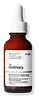
This barrier-repair serum is formulated around Niacinamide and Asiaticoside to strengthen the skin barrier and calm redness.
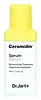
This barrier-repair serum is formulated around Ceramide NP and Beta-Glucan to strengthen the skin barrier and hydrate skin.


What's inside
What's inside
 Key Ingredients
Benefits
Concerns
Ingredients Side-by-side
Water
Skin ConditioningPropanediol
Solvent

Isodecyl Neopentanoate
EmollientPentylene Glycol
Skin Conditioning
Niacinamide
Smoothing










Hexyldecanol
Emollient
Cetearyl Alcohol
Emollient





Xylitylglucoside
Humectant
Ceteth-20 Phosphate
CleansingAnhydroxylitol
Humectant
Ethyl Linoleate
Emollient

Asiaticoside
Antioxidant
Asiatic Acid
Skin Conditioning
Madecassic Acid
Skin Conditioning
Naringenin
Skin ConditioningCyanocobalamin
Skin ConditioningPanthenyl Triacetate
4-T-Butylcyclohexanol
Masking
Hydroxyphenyl Propamidobenzoic Acid
Skin ConditioningCetylhydroxyproline Palmitamide
Skin ConditioningBisabolol
Antioxidant
Brassica Campestris Sterols
EmollientSphingolipids
Emollient
Phospholipids
Skin Conditioning
Epigallocatechin Gallatyl Glucoside
Antioxidant
Gallyl Glucoside
Antioxidant
Propyl Gallate
Antioxidant
Xylitol
Humectant
Zingiber Officinale Root Extract
Masking
Stearic Acid
Cleansing
Dicetyl Phosphate
EmulsifyingIsoceteth-20
EmulsifyingXanthan Gum
EmulsifyingTrisodium Ethylenediamine Disuccinate
ChelatingTocopherol
Antioxidant
Dehydroacetic Acid
Preservative
P-Anisic Acid
MaskingPhytic Acid
Chelating
Sodium Phytate
ChelatingSodium Citrate
BufferingSodium Hydroxide
BufferingBenzyl Alcohol
Perfuming

Ethylhexylglycerin
Skin ConditioningPhenoxyethanol
Preservative
Chlorphenesin
Antimicrobial
Water, Propanediol, Isodecyl Neopentanoate, Pentylene Glycol, Niacinamide, Hexyldecanol, Cetearyl Alcohol, Xylitylglucoside, Ceteth-20 Phosphate, Anhydroxylitol, Ethyl Linoleate, Asiaticoside, Asiatic Acid, Madecassic Acid, Naringenin, Cyanocobalamin, Panthenyl Triacetate, 4-T-Butylcyclohexanol, Hydroxyphenyl Propamidobenzoic Acid, Cetylhydroxyproline Palmitamide, Bisabolol, Brassica Campestris Sterols, Sphingolipids, Phospholipids, Epigallocatechin Gallatyl Glucoside, Gallyl Glucoside, Propyl Gallate, Xylitol, Zingiber Officinale Root Extract, Stearic Acid, Dicetyl Phosphate, Isoceteth-20, Xanthan Gum, Trisodium Ethylenediamine Disuccinate, Tocopherol, Dehydroacetic Acid, P-Anisic Acid, Phytic Acid, Sodium Phytate, Sodium Citrate, Sodium Hydroxide, Benzyl Alcohol, Ethylhexylglycerin, Phenoxyethanol, Chlorphenesin
Water
Skin ConditioningDipropylene Glycol
HumectantGlycerin
Humectant
1,2-Hexanediol
Skin Conditioning
Glycereth-26
Humectant
Cyclomethicone
Emollient
Cyclohexasiloxane
Emollient
Caprylic/Capric Triglyceride
Masking
Pentylene Glycol
Skin Conditioning
Polyglyceryl-10 Stearate
Skin Conditioning
Polyglyceryl-3 Methylglucose Distearate
Emulsifying
Hydrogenated Poly(C6-14 Olefin)
EmollientC12-15 Alkyl Benzoate
AntimicrobialNeopentyl Glycol Diheptanoate
EmollientCetearyl Alcohol
Emollient
Pentaerythrityl Distearate
Emulsifying
Ceramide NP
Skin Conditioning
Ceramide Ns
Skin Conditioning
Ceramide As
Skin Conditioning
Ceramide AP
Skin Conditioning
Ceramide EOP
Skin Conditioning
Himanthalia Elongata Extract
Skin Protecting
Eclipta Prostrata Leaf Extract
Skin ConditioningMalt Extract
Skin ProtectingMelia Azadirachta Flower Extract
Skin ConditioningTheobroma Cacao Extract
Skin ConditioningMelia Azadirachta Leaf Extract
Skin ConditioningCurcuma Longa Root Extract
Antioxidant
Avena Sativa Kernel Extract
Abrasive
Pteris Multifida Extract
Antioxidant
Cynara Scolymus Leaf Extract
Skin ConditioningOcimum Sanctum Leaf Extract
Skin ConditioningCorallina Officinalis Extract
Skin Conditioning
Hydrogenated Lecithin
Emulsifying
Citrus Aurantium Bergamia Fruit Oil
Masking

Pelargonium Graveolens Flower Oil
Masking
Argania Spinosa Kernel Oil
Emollient
Salvia Officinalis Oil
Masking
Pogostemon Cablin Leaf Oil
Masking
Saccharomyces Ferment Filtrate
Humectant
Methylpropanediol
SolventAcrylates/C10-30 Alkyl Acrylate Crosspolymer
Emulsion StabilisingAmmonium Acryloyldimethyltaurate/Vp Copolymer
Tromethamine
BufferingXanthan Gum
EmulsifyingSodium Stearoyl Glutamate
CleansingFructooligosaccharides
Humectant
Beta-Glucan
Skin Conditioning
Glyceryl Polymethacrylate
Dextrin
AbsorbentDisodium EDTA
ChelatingBisabolol
Antioxidant
Polyquaternium-51
Skin Conditioning
Glyceryl Stearate
Emollient
Hydrolyzed Hyaluronic Acid
Humectant
Dicaprylyl Carbonate
EmollientSucrose Distearate
Emollient
Cholesterol
Emollient
Pyracantha Fortuneana Fruit Extract
Skin ConditioningEthylhexylglycerin
Skin ConditioningCitronellol
Perfuming
Geraniol
Perfuming
Linalool
Perfuming
Limonene
Perfuming
Water, Dipropylene Glycol, Glycerin, 1,2-Hexanediol, Glycereth-26, Cyclomethicone, Cyclohexasiloxane, Caprylic/Capric Triglyceride, Pentylene Glycol, Polyglyceryl-10 Stearate, Polyglyceryl-3 Methylglucose Distearate, Hydrogenated Poly(C6-14 Olefin), C12-15 Alkyl Benzoate, Neopentyl Glycol Diheptanoate, Cetearyl Alcohol, Pentaerythrityl Distearate, Ceramide NP, Ceramide Ns, Ceramide As, Ceramide AP, Ceramide EOP, Himanthalia Elongata Extract, Eclipta Prostrata Leaf Extract, Malt Extract, Melia Azadirachta Flower Extract, Theobroma Cacao Extract, Melia Azadirachta Leaf Extract, Curcuma Longa Root Extract, Avena Sativa Kernel Extract, Pteris Multifida Extract, Cynara Scolymus Leaf Extract, Ocimum Sanctum Leaf Extract, Corallina Officinalis Extract, Hydrogenated Lecithin, Citrus Aurantium Bergamia Fruit Oil, Pelargonium Graveolens Flower Oil, Argania Spinosa Kernel Oil, Salvia Officinalis Oil, Pogostemon Cablin Leaf Oil, Saccharomyces Ferment Filtrate, Methylpropanediol, Acrylates/C10-30 Alkyl Acrylate Crosspolymer, Ammonium Acryloyldimethyltaurate/Vp Copolymer, Tromethamine, Xanthan Gum, Sodium Stearoyl Glutamate, Fructooligosaccharides, Beta-Glucan, Glyceryl Polymethacrylate, Dextrin, Disodium EDTA, Bisabolol, Polyquaternium-51, Glyceryl Stearate, Hydrolyzed Hyaluronic Acid, Dicaprylyl Carbonate, Sucrose Distearate, Cholesterol, Pyracantha Fortuneana Fruit Extract, Ethylhexylglycerin, Citronellol, Geraniol, Linalool, Limonene
Reviews
Ingredients Explained
These ingredients are found in both products.
Ingredients higher up in an ingredient list are typically present in a larger amount.
Bisabolol is a gentle skin conditioner, antioxidant, and soothing ingredient.
It's primary claim to fame is soothing and research shows topically applied bisabolol can quiet the chemical messengers that cause your skin to become inflamed, helping to sooth any irritation.
A clinical study found that applying 0.5% bisabolol daily for 8 weeks produced an average 9% decrease in skin pigmentation. Researchers found it can also suppress the process that leads to excess melanin production in skin.
In vitro studies found that bisabolol combined with propylene glycol significantly increased skin permeability by increasing lipid fluidity in the stratum corneum.
You'll likely see use concentrations quite low, usually 0.1-0.2%.
Overall, this is a well-tolerated ingredient that works well in formulas designed for sensitive, reactive, or post-procedure skin.
Learn more about BisabololCetearyl alcohol is a waxy mixture of two fatty alcohols: cetyl alcohol and stearyl alcohol. It is an emollient and emulsifier.
Despite having "alcohol" in its name, it has nothing to do with drying solvent alcohols; the FDA also allows "alcohol-free" products to contain fatty alcohols like this ingredient.
It plays several roles in a formula:
Typical use levels for this ingredient sit around 1-10% and the Cosmetic Ingredient Review Expert Panel has affirmed safety at concentrations up to 25% in leave-on products.
Multiple assessments have found it to be non-irritating and non-sensitizing to most people.
However, there have been some cases of allergic contact dermatitis in patients with chronically compromised skin barriers.
Cetearyl alcohol has a comedogenic rating of 2 and irritancy rating of 1. Both of these numbers come from the 1989 study that used rabbit ears; a "2" means mildly comedogenic and a "1" means low irritancy.
Here's the catch: rabbit skin is more sensitive than human skin and throws a lot of false positives. A 1996 reappraisal found that ingredients rated 1-2 in the rabbit ear tests are generally safe for humans.
Remember comedogenic ratings are unable to assess the entire formula of a product or how it will react on your skin. Just be sure to patch test if you are unsure about certain ingredients.
This ingredient is not fungal acne safe. Cetearyl alcohol is a fatty alcohol with chain lengths that fall within the range that Malassezia can metabolize.
A 2019 study has also observed Malassezia growth in the presence of this ingredient, confirming it to be not-fungal acne safe.
Learn more about Cetearyl AlcoholEthylhexylglycerin is created from glycerin. It is a multitasker ingredient that:
The CIR Expert Panel found minimal skin absorption or sensitization of any kind in a safety assessment. Though this ingredient is considered well-tolerated, a small number of cases of allergic dermatitis have been published since 2002. Just be sure to patch test if you are unsure.
Industry-reported use ranges from 8% in rinse-off products and 2% in leave-on formulations.
Learn more about EthylhexylglycerinPentylene Glycol (1,2-pentanediol) is a multitasking little diol with three main roles in a formula:
Research on alkanediols (the family pentylene glycol belongs to) show they work by disrupting microbial cell membranes. This disruption helps the primary preservative system in a product work more effectively at lower doses.
On the safety side, the Cosmetic Ingredient Review Expert Panel has concluded this ingredient to be safe as used in current cosmetic practices + concentrations.
Typical use levels in a formula run about 1-5%.
Learn more about Pentylene GlycolWater. It's the most common cosmetic ingredient of all. You'll usually see it at the top of ingredient lists, meaning that it makes up the largest part of the product.
So why is it so popular? Water most often acts as a solvent - this means that it helps dissolve other ingredients into the formulation.
You'll also recognize water as that liquid we all need to stay alive. If you see this, drink a glass of water. Remember to stay hydrated!
Learn more about WaterXanthan gum is used as a stabilizer and thickener within cosmetic products. It helps give products a sticky, thick feeling - preventing them from being too runny.
On the technical side of things, xanthan gum is a polysaccharide - a combination consisting of multiple sugar molecules bonded together.
Xanthan gum is a pretty common and great ingredient. It is a natural, non-toxic, non-irritating ingredient that is also commonly used in food products.
Learn more about Xanthan Gum

