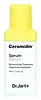
This barrier-repair serum is formulated around Ceramide NP and Beta-Glucan to strengthen the skin barrier and hydrate skin.
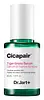
This calming serum is formulated around Niacinamide and Houttuynia Cordata Extract to calm redness and strengthen the skin barrier.

What's inside
What's inside
 Key Ingredients
Benefits
Concerns
Ingredients Side-by-side
Water
Skin ConditioningDipropylene Glycol
HumectantGlycerin
Humectant


1,2-Hexanediol
Skin Conditioning
Glycereth-26
Humectant
Cyclomethicone
Emollient
Cyclohexasiloxane
Emollient
Caprylic/Capric Triglyceride
Masking
Pentylene Glycol
Skin Conditioning
Polyglyceryl-10 Stearate
Skin Conditioning

Polyglyceryl-3 Methylglucose Distearate
Emulsifying
Hydrogenated Poly(C6-14 Olefin)
EmollientC12-15 Alkyl Benzoate
AntimicrobialNeopentyl Glycol Diheptanoate
EmollientCetearyl Alcohol
Emollient



Pentaerythrityl Distearate
Emulsifying
Ceramide NP
Skin Conditioning



Ceramide Ns
Skin Conditioning
Ceramide As
Skin Conditioning
Ceramide AP
Skin Conditioning
Ceramide EOP
Skin Conditioning
Himanthalia Elongata Extract
Skin Protecting
Eclipta Prostrata Leaf Extract
Skin ConditioningMalt Extract
Skin ProtectingMelia Azadirachta Flower Extract
Skin ConditioningTheobroma Cacao Extract
Skin ConditioningMelia Azadirachta Leaf Extract
Skin ConditioningCurcuma Longa Root Extract
Antioxidant

Avena Sativa Kernel Extract
Abrasive
Pteris Multifida Extract
Antioxidant
Cynara Scolymus Leaf Extract
Skin ConditioningOcimum Sanctum Leaf Extract
Skin ConditioningCorallina Officinalis Extract
Skin Conditioning
Hydrogenated Lecithin
Emulsifying
Citrus Aurantium Bergamia Fruit Oil
Masking


Pelargonium Graveolens Flower Oil
Masking
Argania Spinosa Kernel Oil
Emollient

Salvia Officinalis Oil
Masking
Pogostemon Cablin Leaf Oil
Masking
Saccharomyces Ferment Filtrate
Humectant
Methylpropanediol
SolventAcrylates/C10-30 Alkyl Acrylate Crosspolymer
Emulsion StabilisingAmmonium Acryloyldimethyltaurate/Vp Copolymer
Tromethamine
BufferingXanthan Gum
EmulsifyingSodium Stearoyl Glutamate
CleansingFructooligosaccharides
Humectant
Beta-Glucan
Skin Conditioning
Glyceryl Polymethacrylate
Dextrin
AbsorbentDisodium EDTA
ChelatingBisabolol
Antioxidant
Polyquaternium-51
Skin Conditioning
Glyceryl Stearate
Emollient
Hydrolyzed Hyaluronic Acid
Humectant
Dicaprylyl Carbonate
EmollientSucrose Distearate
Emollient
Cholesterol
Emollient
Pyracantha Fortuneana Fruit Extract
Skin ConditioningEthylhexylglycerin
Skin ConditioningCitronellol
Perfuming
Geraniol
Perfuming
Linalool
Perfuming
Limonene
Perfuming
Water, Dipropylene Glycol, Glycerin, 1,2-Hexanediol, Glycereth-26, Cyclomethicone, Cyclohexasiloxane, Caprylic/Capric Triglyceride, Pentylene Glycol, Polyglyceryl-10 Stearate, Polyglyceryl-3 Methylglucose Distearate, Hydrogenated Poly(C6-14 Olefin), C12-15 Alkyl Benzoate, Neopentyl Glycol Diheptanoate, Cetearyl Alcohol, Pentaerythrityl Distearate, Ceramide NP, Ceramide Ns, Ceramide As, Ceramide AP, Ceramide EOP, Himanthalia Elongata Extract, Eclipta Prostrata Leaf Extract, Malt Extract, Melia Azadirachta Flower Extract, Theobroma Cacao Extract, Melia Azadirachta Leaf Extract, Curcuma Longa Root Extract, Avena Sativa Kernel Extract, Pteris Multifida Extract, Cynara Scolymus Leaf Extract, Ocimum Sanctum Leaf Extract, Corallina Officinalis Extract, Hydrogenated Lecithin, Citrus Aurantium Bergamia Fruit Oil, Pelargonium Graveolens Flower Oil, Argania Spinosa Kernel Oil, Salvia Officinalis Oil, Pogostemon Cablin Leaf Oil, Saccharomyces Ferment Filtrate, Methylpropanediol, Acrylates/C10-30 Alkyl Acrylate Crosspolymer, Ammonium Acryloyldimethyltaurate/Vp Copolymer, Tromethamine, Xanthan Gum, Sodium Stearoyl Glutamate, Fructooligosaccharides, Beta-Glucan, Glyceryl Polymethacrylate, Dextrin, Disodium EDTA, Bisabolol, Polyquaternium-51, Glyceryl Stearate, Hydrolyzed Hyaluronic Acid, Dicaprylyl Carbonate, Sucrose Distearate, Cholesterol, Pyracantha Fortuneana Fruit Extract, Ethylhexylglycerin, Citronellol, Geraniol, Linalool, Limonene
Water
Skin ConditioningDipropylene Glycol
HumectantGlycerin
Humectant
Butylene Glycol
Humectant
Propanediol
Solvent
Eryngium Maritimum Callus Culture Filtrate
Skin Conditioning1,2-Hexanediol
Skin Conditioning
Niacinamide
Smoothing




Houttuynia Cordata Extract
Skin Conditioning
Ilex Aquifolium Leaf Extract
Skin ConditioningAchillea Millefolium Oil
Cleansing
Panthenol
Skin Conditioning
Chondrus Crispus Extract
Skin Conditioning
C12-14 Pareth-12
EmulsifyingSaccharum Officinarum Extract
MoisturisingStreptococcus Thermophilus Ferment
Humectant
Carbomer
Emulsion StabilisingTromethamine
BufferingMadecassoside
Antioxidant
Melia Azadirachta Leaf Extract
Skin ConditioningXanthan Gum
EmulsifyingEthylhexylglycerin
Skin ConditioningAdenosine
Skin Conditioning
Lavandula Angustifolia Oil
Masking
DNA
Skin ConditioningDisodium EDTA
ChelatingMelia Azadirachta Flower Extract
Skin ConditioningCitrus Aurantium Bergamia Fruit Oil
Masking
Asiaticoside
Antioxidant
Dextrin
AbsorbentTheobroma Cacao Extract
Skin ConditioningCentella Asiatica Leaf Extract
Skin Conditioning
Hedera Helix Extract
AntimicrobialAsiatic Acid
Skin Conditioning
Madecassic Acid
Skin Conditioning
Calcium Chloride
AstringentCentella Asiatica Extract
Cleansing
Magnesium Sulfate
Water, Dipropylene Glycol, Glycerin, Butylene Glycol, Propanediol, Eryngium Maritimum Callus Culture Filtrate, 1,2-Hexanediol, Niacinamide, Houttuynia Cordata Extract, Ilex Aquifolium Leaf Extract, Achillea Millefolium Oil, Panthenol, Chondrus Crispus Extract, C12-14 Pareth-12, Saccharum Officinarum Extract, Streptococcus Thermophilus Ferment, Carbomer, Tromethamine, Madecassoside, Melia Azadirachta Leaf Extract, Xanthan Gum, Ethylhexylglycerin, Adenosine, Lavandula Angustifolia Oil, DNA, Disodium EDTA, Melia Azadirachta Flower Extract, Citrus Aurantium Bergamia Fruit Oil, Asiaticoside, Dextrin, Theobroma Cacao Extract, Centella Asiatica Leaf Extract, Hedera Helix Extract, Asiatic Acid, Madecassic Acid, Calcium Chloride, Centella Asiatica Extract, Magnesium Sulfate
Reviews
Ingredients Explained
These ingredients are found in both products.
Ingredients higher up in an ingredient list are typically present in a larger amount.
1,2-Hexanediol is a synthetic liquid and another multi-functional powerhouse.
It is a:
- Humectant, drawing moisture into the skin
- Emollient, helping to soften skin
- Solvent, dispersing and stabilizing formulas
- Preservative booster, enhancing the antimicrobial activity of other preservatives
Citrus Aurantium Bergamia Fruit Oil is the oil from the bergamot orange and is primarily used as a fragrance. It has a "fresh" and "bright orange" scent.
The main aroma compounds found in this ingredient are limonene (~27-52%), linalool (~2-22%), and linalyl acetate (~27-40%). These are known EU fragrance allergens.
The term 'fragrance' is not regulated in many countries. In many cases, it is up to the brand to define this term. For instance, many brands choose to label themselves as "fragrance-free" because they are not using synthetic fragrances. However, their products may still contain ingredients such as essential oils that are considered a fragrance.
When used topically, Citrus Aurantium Bergamia Fruit Oil is a photosensitizer due to the furanocoumarin content. Furanocoumarins absorb UV-A and cause phytophotodermatitis; this can look like redness, blistering, and lasting brown pigmentation on sun-exposed skin.
Due to this, this ingredient is capped at 0.4% in leave-on products applied to sun exposed skin.
Many modern formulas used a "furanocoumarin-free" version that sidesteps the phototoxicity issue, but still contains the fragrance allergens.
Learn more about Citrus Aurantium Bergamia Fruit OilDextrin is a starch-derived polysaccharide. It's made by partially breaking down corn, potato, or other plant starches.
Think of it as "half-processed" starch; it's less complex than the original but not fully broken down into sugar like maltodextrin.
In cosmetics, it mainly functions as a bulking agent, viscosity controller, binder, and absorbent. It helps thicken products, stabilize powders, and get certain textures a less "wet" feel.
This ingredient has a pretty solid safety profile; it's recognized as a safe food additive and its large molecular size means it doesn't meaningfully penetrate skin.
Human repeat insult patch tests using a rinse-off facial product containing 42.69% dextrin found no skin irritation or sensitization in 54 subjects.
Typical real-world usage is much lower: usually under 1% as a texture modifier and up to 40% in masks (rinse off products use less).
Learn more about DextrinDipropylene Glycol is a synthetically created humectant, stabilizer, and solvent.
This ingredient helps:
Dipropylene glycol is technically an alcohol, but it belongs to the glycol family (often considered part of the ‘good’ alcohols). This means it is hydrating and gentle on skin unlike drying solvent alcohols like denatured alcohol.
As a masking agent, Dipropylene Glycol can be used to cover the smell of other ingredients. However, it does not have a scent.
Studies show Dipropylene Glycol is considered safe to use in skincare.
Learn more about Dipropylene GlycolDisodium EDTA is a chelating agent. It grabs onto and deactivates metal ions that sneak into your products from water, packaging, or air.
This ingredient mainly works behind the scenes and helps with:
On top of that, this ingredient can counteract the effects of hard water by binding to the minerals in it.
One thing worth knowing is that Disodium EDTA has been shown to be a mild penetration enhancer. It can help other ingredients absorb into skin more effectively which can be a double-edged sword (great for actives, but can also make the active too strong if you have sensitive skin).
Clinical patch testing showed no significant skin irritation at typical use concentrations and minimal dermal absorption.
You'll most likely see this ingredient near the end of an ingredient list. It's typically found in concentrations less than 1%.
Learn more about Disodium EDTAEthylhexylglycerin is created from glycerin. It is a multitasker ingredient that:
The CIR Expert Panel found minimal skin absorption or sensitization of any kind in a safety assessment. Though this ingredient is considered well-tolerated, a small number of cases of allergic dermatitis have been published since 2002. Just be sure to patch test if you are unsure.
Industry-reported use ranges from 8% in rinse-off products and 2% in leave-on formulations.
Learn more about EthylhexylglycerinGlycerin (or glycerol) is a compound naturally found in your skin. It's a powerhouse humectant that pulls water into the stratum corneum.
Topically, glycerin does several things at once:
Your skin makes glycerin on its own (mostly from sebaceous oil breakdown) and shuttles it to your outermost layer of skin, or your epidermis, via aquaporin-3.
Aquaporin-3 is a transporter that is essential for normal skin hydration, elasticity, and repair. Interestingly, mice lacking in AQP3 have dry and less elastic skin that can be fully corrected with glycerin.
This ingredient is non-irritating, plays well with almost every ingredient, and works across all skin types. Typical use is anywhere between 3-10% but can go up to 79% in some leave-on products.
Just know very high concentrations (>40%) can feel tacky in low humidity.
Glycerin is the name for this ingredient in American English. British English uses Glycerol/Glycerine.
Learn more about GlycerinMelia Azadirachta Flower Extract is from the Neem tree. Neem trees originate from India.
Melia Azadirachta Flower Extract contains antioxidants. Antioxidants help fight free-radicals. Free-radicals are molecules that may damage your skin cells, such as pollution.
The flowers of this tree are lilac colored.
Learn more about Melia Azadirachta Flower ExtractThis ingredient is also known as neem leaf extract. It contains natural compounds like nimbidin, quercetin, and other polyphenols that give it antibacterial, antifungal, and anti-inflammatory activity.
Lab studies have shown neem leaf extract can inhibit acne-related bacteria and help calm skin. Animal studies on wound gels using 1-3% neem leaf extract found it sped up healing without causing irritation.
A wound-healing study testing gels with the extract at 1%, 2%, and 3% concentrations and found none of them irritated the skin.
Most commercial products also use it in a similar low range (typically under 5%).
Allergy-wise, there are some case reports on neem oil causing allergic contact dermatitis so people with plant/botanical sensitivities may want to patch test first.
Learn more about Melia Azadirachta Leaf ExtractThis ingredient is extracted from the seeds of the cocoa tree.
Cacao seeds contain antioxidants known as polyphenols. These include flavonoids, procyanidins, and epicatechins.
Studies show these polyphenols help improve skin health.
The more famous ingredient from cocoa tree is cocoa butter.
Learn more about Theobroma Cacao ExtractTromethamine (aka THAM) is a synthetic amino acid that shows up in skincare as a helper ingredient.
It functions as a pH adjuster to help neutralize acidic ingredients and set a formula's pH to the right spot.
This matters a lot because a lot of actives (like vitamin C) needs a specific pH to work well and feel comfortable on skin.
Concentration use ranges from 0.1-1.0% depending on the formula.
Learn more about TromethamineWater. It's the most common cosmetic ingredient of all. You'll usually see it at the top of ingredient lists, meaning that it makes up the largest part of the product.
So why is it so popular? Water most often acts as a solvent - this means that it helps dissolve other ingredients into the formulation.
You'll also recognize water as that liquid we all need to stay alive. If you see this, drink a glass of water. Remember to stay hydrated!
Learn more about WaterXanthan gum is used as a stabilizer and thickener within cosmetic products. It helps give products a sticky, thick feeling - preventing them from being too runny.
On the technical side of things, xanthan gum is a polysaccharide - a combination consisting of multiple sugar molecules bonded together.
Xanthan gum is a pretty common and great ingredient. It is a natural, non-toxic, non-irritating ingredient that is also commonly used in food products.
Learn more about Xanthan Gum

