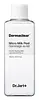
This smoothing exfoliator is formulated around Protease and Salicylic Acid to refine skin texture and brighten dull-looking skin.
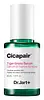
This calming serum is formulated around Niacinamide and Houttuynia Cordata Extract to calm redness and strengthen the skin barrier.

What's inside
What's inside
 Key Ingredients
Benefits
Concerns
Ingredients Side-by-side
Water
Skin ConditioningHydrogenated Polydecene
EmollientCaprylic/Capric Triglyceride
Masking


Squalane
Emollient
Carthamus Tinctorius Seed Oil
Masking


1,2-Hexanediol
Skin Conditioning
Glycerin
Humectant
Cyclopentasiloxane
Emollient
Steareth-2
EmulsifyingButylene Glycol
Humectant
Propanediol
Solvent
Cyclohexasiloxane
Emollient
Pyrus Malus Fruit Water
MaskingCitrus Aurantium Bergamia Fruit Oil
Masking


Ethylhexylglycerin
Skin ConditioningProtease
Exfoliating


Algin
MaskingSalicylic Acid
Masking







Polyglutamic Acid
Skin Conditioning
Sodium Hyaluronate
Humectant
Glutathione

Panthenol
Skin Conditioning
Sea Salt
Abrasive
Propylene Glycol
Humectant
Lactic Acid
Buffering
Lactobionic Acid
Buffering
Ascorbic Acid
Antioxidant

Citric Acid
Buffering
Cocos Nucifera Fruit Extract
Emollient
Hibiscus Sabdariffa Flower Extract
Skin ConditioningMalic Acid
Buffering
Tartaric Acid
Buffering
Theanine
EmollientCrataegus Monogyna Flower Extract
Skin ConditioningMilk Lipids
Skin Conditioning
Potassium Sorbate
Preservative
Sodium Benzoate
Masking
Viola Tricolor Extract
EmollientWater, Hydrogenated Polydecene, Caprylic/Capric Triglyceride, Squalane, Carthamus Tinctorius Seed Oil, 1,2-Hexanediol, Glycerin, Cyclopentasiloxane, Steareth-2, Butylene Glycol, Propanediol, Cyclohexasiloxane, Pyrus Malus Fruit Water, Citrus Aurantium Bergamia Fruit Oil, Ethylhexylglycerin, Protease, Algin, Salicylic Acid, Polyglutamic Acid, Sodium Hyaluronate, Glutathione, Panthenol, Sea Salt, Propylene Glycol, Lactic Acid, Lactobionic Acid, Ascorbic Acid, Citric Acid, Cocos Nucifera Fruit Extract, Hibiscus Sabdariffa Flower Extract, Malic Acid, Tartaric Acid, Theanine, Crataegus Monogyna Flower Extract, Milk Lipids, Potassium Sorbate, Sodium Benzoate, Viola Tricolor Extract
Water
Skin ConditioningDipropylene Glycol
HumectantGlycerin
Humectant
Butylene Glycol
Humectant
Propanediol
Solvent
Eryngium Maritimum Callus Culture Filtrate
Skin Conditioning1,2-Hexanediol
Skin Conditioning
Niacinamide
Smoothing
Houttuynia Cordata Extract
Skin Conditioning
Ilex Aquifolium Leaf Extract
Skin ConditioningAchillea Millefolium Oil
Cleansing
Panthenol
Skin Conditioning
Chondrus Crispus Extract
Skin Conditioning
C12-14 Pareth-12
EmulsifyingSaccharum Officinarum Extract
MoisturisingStreptococcus Thermophilus Ferment
Humectant
Carbomer
Emulsion StabilisingTromethamine
BufferingMadecassoside
Antioxidant
Melia Azadirachta Leaf Extract
Skin ConditioningXanthan Gum
EmulsifyingEthylhexylglycerin
Skin ConditioningAdenosine
Skin Conditioning
Lavandula Angustifolia Oil
Masking
DNA
Skin ConditioningDisodium EDTA
ChelatingMelia Azadirachta Flower Extract
Skin ConditioningCitrus Aurantium Bergamia Fruit Oil
Masking
Asiaticoside
Antioxidant
Dextrin
AbsorbentTheobroma Cacao Extract
Skin ConditioningCentella Asiatica Leaf Extract
Skin Conditioning
Hedera Helix Extract
AntimicrobialAsiatic Acid
Skin Conditioning
Madecassic Acid
Skin Conditioning
Calcium Chloride
AstringentCentella Asiatica Extract
Cleansing
Magnesium Sulfate
Water, Dipropylene Glycol, Glycerin, Butylene Glycol, Propanediol, Eryngium Maritimum Callus Culture Filtrate, 1,2-Hexanediol, Niacinamide, Houttuynia Cordata Extract, Ilex Aquifolium Leaf Extract, Achillea Millefolium Oil, Panthenol, Chondrus Crispus Extract, C12-14 Pareth-12, Saccharum Officinarum Extract, Streptococcus Thermophilus Ferment, Carbomer, Tromethamine, Madecassoside, Melia Azadirachta Leaf Extract, Xanthan Gum, Ethylhexylglycerin, Adenosine, Lavandula Angustifolia Oil, DNA, Disodium EDTA, Melia Azadirachta Flower Extract, Citrus Aurantium Bergamia Fruit Oil, Asiaticoside, Dextrin, Theobroma Cacao Extract, Centella Asiatica Leaf Extract, Hedera Helix Extract, Asiatic Acid, Madecassic Acid, Calcium Chloride, Centella Asiatica Extract, Magnesium Sulfate
Reviews
Ingredients Explained
These ingredients are found in both products.
Ingredients higher up in an ingredient list are typically present in a larger amount.
1,2-Hexanediol is a synthetic liquid and another multi-functional powerhouse.
It is a:
- Humectant, drawing moisture into the skin
- Emollient, helping to soften skin
- Solvent, dispersing and stabilizing formulas
- Preservative booster, enhancing the antimicrobial activity of other preservatives
Butylene Glycol (or BG) is used within cosmetic products for a few different reasons:
Overall, Butylene Glycol is a safe and well-rounded ingredient that works well with other ingredients.
Though this ingredient works well with most skin types, some people with sensitive skin may experience a reaction such as allergic rashes, closed comedones, or itchiness.
Learn more about Butylene GlycolCitrus Aurantium Bergamia Fruit Oil is the oil from the bergamot orange and is primarily used as a fragrance. It has a "fresh" and "bright orange" scent.
The main aroma compounds found in this ingredient are limonene (~27-52%), linalool (~2-22%), and linalyl acetate (~27-40%). These are known EU fragrance allergens.
The term 'fragrance' is not regulated in many countries. In many cases, it is up to the brand to define this term. For instance, many brands choose to label themselves as "fragrance-free" because they are not using synthetic fragrances. However, their products may still contain ingredients such as essential oils that are considered a fragrance.
When used topically, Citrus Aurantium Bergamia Fruit Oil is a photosensitizer due to the furanocoumarin content. Furanocoumarins absorb UV-A and cause phytophotodermatitis; this can look like redness, blistering, and lasting brown pigmentation on sun-exposed skin.
Due to this, this ingredient is capped at 0.4% in leave-on products applied to sun exposed skin.
Many modern formulas used a "furanocoumarin-free" version that sidesteps the phototoxicity issue, but still contains the fragrance allergens.
Learn more about Citrus Aurantium Bergamia Fruit OilEthylhexylglycerin is created from glycerin. It is a multitasker ingredient that:
The CIR Expert Panel found minimal skin absorption or sensitization of any kind in a safety assessment. Though this ingredient is considered well-tolerated, a small number of cases of allergic dermatitis have been published since 2002. Just be sure to patch test if you are unsure.
Industry-reported use ranges from 8% in rinse-off products and 2% in leave-on formulations.
Learn more about EthylhexylglycerinGlycerin (or glycerol) is a compound naturally found in your skin. It's a powerhouse humectant that pulls water into the stratum corneum.
Topically, glycerin does several things at once:
Your skin makes glycerin on its own (mostly from sebaceous oil breakdown) and shuttles it to your outermost layer of skin, or your epidermis, via aquaporin-3.
Aquaporin-3 is a transporter that is essential for normal skin hydration, elasticity, and repair. Interestingly, mice lacking in AQP3 have dry and less elastic skin that can be fully corrected with glycerin.
This ingredient is non-irritating, plays well with almost every ingredient, and works across all skin types. Typical use is anywhere between 3-10% but can go up to 79% in some leave-on products.
Just know very high concentrations (>40%) can feel tacky in low humidity.
Glycerin is the name for this ingredient in American English. British English uses Glycerol/Glycerine.
Learn more about GlycerinPanthenol is a common ingredient that helps hydrate and soothe the skin. It is found naturally in our skin and hair.
There are two forms of panthenol: D and L.
D-panthenol is also known as dexpanthenol. Most cosmetics use dexpanthenol or a mixture of D and L-panthenol.
Panthenol is famous due to its ability to go deeper into the skin's layers. Using this ingredient has numerous pros (and no cons):
Like hyaluronic acid, panthenol is a humectant. Humectants are able to bind and hold large amounts of water to keep skin hydrated.
This ingredient works well for wound healing. It works by increasing tissue in the wound and helps close open wounds.
Once oxidized, panthenol converts to pantothenic acid. Panthothenic acid is found in all living cells.
This ingredient is also referred to as pro-vitamin B5.
Learn more about PanthenolPropanediol is an all-star ingredient. It softens, hydrates, and smooths the skin.
It’s often used to:
Propanediol is not likely to cause sensitivity and considered safe to use. It is derived from corn or petroleum with a clear color and no scent.
Learn more about PropanediolWater. It's the most common cosmetic ingredient of all. You'll usually see it at the top of ingredient lists, meaning that it makes up the largest part of the product.
So why is it so popular? Water most often acts as a solvent - this means that it helps dissolve other ingredients into the formulation.
You'll also recognize water as that liquid we all need to stay alive. If you see this, drink a glass of water. Remember to stay hydrated!
Learn more about Water

