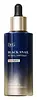
This anti-aging ampoule is formulated around Snail Secretion Filtrate and Niacinamide to soften the look of wrinkles and refine skin texture.


What's inside
What's inside
 Key Ingredients
Benefits
Concerns
Ingredients Side-by-side
Snail Secretion Filtrate 34%
Skin Conditioning





Water
Skin ConditioningPropanediol
Solvent
Glycerin
Humectant
C13-16 Isoalkane
SolventGlycereth-26
Humectant
Niacinamide
Smoothing







Pentylene Glycol
Skin Conditioning
Squalane
Emollient
Heptyl Undecylenate
EmollientPolyglyceryl-3 Distearate
Emulsifying

1,2-Hexanediol
Skin Conditioning
Glyceryl Stearate
Emollient
Betaine
Humectant
Hydrogenated Polydecene
EmollientHydrogenated Polyisobutene
EmollientUndecane
EmollientHydrogenated Poly(C6-14 Olefin)
EmollientSynthetic Sapphire
Tridecane
Perfuming

Caprylyl Glycol
Emollient
Acrylates/C10-30 Alkyl Acrylate Crosspolymer
Emulsion StabilisingParfum
Masking

Hydrogenated Lecithin
Emulsifying
Butylene Glycol
Humectant
Cetyl Palmitate
Emollient
Coco-Caprylate/Caprate
Emollient
Hydrogenated Olive Oil Unsaponifiables
Emollient
Malt Extract
Skin ProtectingSorbitan Olivate
Emulsifying
Sorbitan Palmitate
Emulsifying
Dioscorea Japonica Root Extract
Skin Conditioning
Glyceryl Stearate Citrate
Emollient
Xanthan Gum
EmulsifyingAdenosine
Skin Conditioning
Tromethamine
BufferingEthylhexylglycerin
Skin ConditioningCoccinia Indica Fruit Extract
Skin Conditioning
Eclipta Prostrata Extract
Skin Conditioning
Hydrolyzed Corn Starch
HumectantDisodium EDTA
Beta-Glucan
Skin Conditioning
Sodium Polyacrylate
Absorbent
Sucrose
Humectant
Biosaccharide Gum-1
Humectant
Polyether-1
Allantoin
Skin Conditioning
Centella Asiatica Extract
Cleansing
Dimethyl Isosorbide
SolventGlyceryl Oleate
Emollient
Caprylic/Capric Triglyceride
Masking
Tocopherol
Antioxidant

Lauryl Glucoside
CleansingMyristyl Glucoside
CleansingPolyglyceryl-6 Laurate
Emulsifying
Hydroxypinacolone Retinoate
Skin Conditioning
Macadamia Ternifolia Seed Oil
Emollient
Octyldodecanol
Emollient
Hydrolyzed Collagen
Emollient
Hydrolyzed Hyaluronic Acid
Humectant
Retinol
Skin Conditioning
Maltodextrin
Absorbent
Glycolipids
Skin ConditioningBrassica Campestris Sterols
EmollientPhosphatidylcholine
EmulsifyingCholesterol
Emollient
Aluminum/Magnesium Hydroxide Stearate
Emulsion StabilisingPentaerythrityl Tetra-Di-T-Butyl Hydroxyhydrocinnamate
Antioxidant
Zymomonas Ferment Extract
HumectantPearl Extract
Antioxidant
Hydroxydecyl Ubiquinone
Antioxidant
Tris(Tetramethylhydroxypiperidinol)Citrate
StabilisingFerulic Acid
Antimicrobial
Honey Extract
Humectant
Palmitoyl Pentapeptide-4
Skin Conditioning
Snail Secretion Filtrate 34%, Water, Propanediol, Glycerin, C13-16 Isoalkane, Glycereth-26, Niacinamide, Pentylene Glycol, Squalane, Heptyl Undecylenate, Polyglyceryl-3 Distearate, 1,2-Hexanediol, Glyceryl Stearate, Betaine, Hydrogenated Polydecene, Hydrogenated Polyisobutene, Undecane, Hydrogenated Poly(C6-14 Olefin), Synthetic Sapphire, Tridecane, Caprylyl Glycol, Acrylates/C10-30 Alkyl Acrylate Crosspolymer, Parfum, Hydrogenated Lecithin, Butylene Glycol, Cetyl Palmitate, Coco-Caprylate/Caprate, Hydrogenated Olive Oil Unsaponifiables, Malt Extract, Sorbitan Olivate, Sorbitan Palmitate, Dioscorea Japonica Root Extract, Glyceryl Stearate Citrate, Xanthan Gum, Adenosine, Tromethamine, Ethylhexylglycerin, Coccinia Indica Fruit Extract, Eclipta Prostrata Extract, Hydrolyzed Corn Starch, Disodium EDTA, Beta-Glucan, Sodium Polyacrylate, Sucrose, Biosaccharide Gum-1, Polyether-1, Allantoin, Centella Asiatica Extract, Dimethyl Isosorbide, Glyceryl Oleate, Caprylic/Capric Triglyceride, Tocopherol, Lauryl Glucoside, Myristyl Glucoside, Polyglyceryl-6 Laurate, Hydroxypinacolone Retinoate, Macadamia Ternifolia Seed Oil, Octyldodecanol, Hydrolyzed Collagen, Hydrolyzed Hyaluronic Acid, Retinol, Maltodextrin, Glycolipids, Brassica Campestris Sterols, Phosphatidylcholine, Cholesterol, Aluminum/Magnesium Hydroxide Stearate, Pentaerythrityl Tetra-Di-T-Butyl Hydroxyhydrocinnamate, Zymomonas Ferment Extract, Pearl Extract, Hydroxydecyl Ubiquinone, Tris(Tetramethylhydroxypiperidinol)Citrate, Ferulic Acid, Honey Extract, Palmitoyl Pentapeptide-4
Water
Skin ConditioningGlycerin
Humectant
Acrylates Copolymer
Potassium Cocoyl Glycinate
Surfactant
Lauramidopropyl Betaine
CleansingCaprylic/Capric Triglyceride
Masking
Potassium Cocoate
Emulsifying
Glycolipids
Skin ConditioningTocopherol
Antioxidant
Ananas Sativus Fruit Extract
Skin ConditioningHippophae Rhamnoides Fruit Oil
Skin Protecting
Camellia Oleifera Leaf Extract
AstringentLauroyl Lysine
Skin Conditioning
Polyglutamic Acid
Skin Conditioning
Hydroxyacetophenone
Antioxidant
Lactobacillus Ferment
Skin Conditioning
Saccharide Isomerate
Humectant
Caprylyl Glycol
Emollient
Phytosteryl/Octyldodecyl Lauroyl Glutamate
Skin ConditioningHydroxypropyltrimonium Hyaluronate
Polyglyceryl-4 Caprate
EmulsifyingPolyglyceryl-6 Caprylate
EmulsifyingCaprylyl Glyceryl Ether
Cleansing1,2-Hexanediol
Skin Conditioning
Sodium Citrate
BufferingLeuconostoc/Radish Root Ferment Filtrate
Antimicrobial
Citric Acid
Buffering
Sodium Hydroxide
BufferingWater, Glycerin, Acrylates Copolymer, Potassium Cocoyl Glycinate, Lauramidopropyl Betaine, Caprylic/Capric Triglyceride, Potassium Cocoate, Glycolipids, Tocopherol, Ananas Sativus Fruit Extract, Hippophae Rhamnoides Fruit Oil, Camellia Oleifera Leaf Extract, Lauroyl Lysine, Polyglutamic Acid, Hydroxyacetophenone, Lactobacillus Ferment, Saccharide Isomerate, Caprylyl Glycol, Phytosteryl/Octyldodecyl Lauroyl Glutamate, Hydroxypropyltrimonium Hyaluronate, Polyglyceryl-4 Caprate, Polyglyceryl-6 Caprylate, Caprylyl Glyceryl Ether, 1,2-Hexanediol, Sodium Citrate, Leuconostoc/Radish Root Ferment Filtrate, Citric Acid, Sodium Hydroxide
Reviews
Ingredients Explained
These ingredients are found in both products.
Ingredients higher up in an ingredient list are typically present in a larger amount.
1,2-Hexanediol is a synthetic liquid and another multi-functional powerhouse.
It is a:
- Humectant, drawing moisture into the skin
- Emollient, helping to soften skin
- Solvent, dispersing and stabilizing formulas
- Preservative booster, enhancing the antimicrobial activity of other preservatives
Caprylic/Capric Triglyceride (aka MCT Oil) is a lightweight emollient, solvent, and texture enhancer. It is considered a skin-softener by helping to prevent moisture loss.
Though it behaves like an oil, it is not technically one due to its chemical composition. One perk of this ingredient is that it is very stable, resistant to oxidation, and unlikely to go rancid.
In practice, that translates to a long shelf life and a consistently elegant skin feel.
While there is an assumption Caprylic Triglyceride can clog pores due to it being derived from coconut oil, there is no research supporting this. Just patch test if you have concerns.
Fractionated coconut oil and MCT Oil are both listed as Caprylic/Capric Triglyceride according to INCI. This is because INCI names are based on the ingredient’s final chemical composition and not its marketing name or source.
This ingredient is treated as the gold standard fungal acne safe oil. Even though it is coconut derived, the problematic lauric acid is stripped out.
This leaves just caprylic (C8) and capric (C10) acid. These chain lengths actually trend antifungal; a 2020 study found caprylic acid was enough to disrupt Malassezia furfur cell membrane, with a caprylic acid derivative damaging membrane structures at concentrations as low as 0.2%.
Learn more about Caprylic/Capric TriglycerideCaprylyl Glycol is a humectant, skin conditioner, emollient, and preservative booster derived from either caprylic acid or synthetically created.
Typical use levels vary from 0.3-1% as a preservative booster and go up to 2% to condition skin.
Because it is not a free-fatty acid, this ingredient is fungal acne safe (there's nothing for Malassezia to feed on).
Learn more about Caprylyl GlycolGlycerin (or glycerol) is a compound naturally found in your skin. It's a powerhouse humectant that pulls water into the stratum corneum.
Topically, glycerin does several things at once:
Your skin makes glycerin on its own (mostly from sebaceous oil breakdown) and shuttles it to your outermost layer of skin, or your epidermis, via aquaporin-3.
Aquaporin-3 is a transporter that is essential for normal skin hydration, elasticity, and repair. Interestingly, mice lacking in AQP3 have dry and less elastic skin that can be fully corrected with glycerin.
This ingredient is non-irritating, plays well with almost every ingredient, and works across all skin types. Typical use is anywhere between 3-10% but can go up to 79% in some leave-on products.
Just know very high concentrations (>40%) can feel tacky in low humidity.
Glycerin is the name for this ingredient in American English. British English uses Glycerol/Glycerine.
Learn more about GlycerinGlycolipids are natural, sustainable biosurfactants. They are both surfactants (cleansing agents) and emollients.
Made from lipids and sugars, in-vitro studies show glycolipids are a gentle alternative to conventional surfactants. They also possess foaming properties to give cleaning products a nice texture.
One manufacturer study found their glycolipid also demonstrated sebum reduction and helped reduced oiliness after four weeks. This means it can also be great for scalp care.
Learn more about GlycolipidsTocopherol is a fat-soluble antioxidant known as Vitamin E.
You'll find this ingredient in the vast majority of skincare (for good reason). It works to neutralize free radicals, or unstable molecules generated by UV exposure, pollution, and other environmental stressors, before they can cause oxidative damage to your skin cells.
Topically applied tocopherol has been shown to protect against UV damage by ramping up the skin's own natural defense enzymes.
It also acts as a skin conditioning agent; some studies show that regular topical use can improve the skin's water-binding capacity over 2-4 weeks.
This ingredient is especially loved for being a team player. When combined with Vitamin C, the photoprotective effect of both ingredients roughly doubles and the combo also helps reduce UV-induced DNA damage.
This ingredient has some brightening potential but it's more of a prevention ingredient than spot-fader. Cell studies show it can slow down melanin production but it's worth noting that it's not the most powerful brightener out there.
In formulations, it also serves as a stabilizer that helps protect other oxidation-prone ingredients from degrading.
Concentrations usually range from 0.1-1% in most leave-on products.
Learn more about TocopherolWater. It's the most common cosmetic ingredient of all. You'll usually see it at the top of ingredient lists, meaning that it makes up the largest part of the product.
So why is it so popular? Water most often acts as a solvent - this means that it helps dissolve other ingredients into the formulation.
You'll also recognize water as that liquid we all need to stay alive. If you see this, drink a glass of water. Remember to stay hydrated!
Learn more about Water

