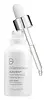
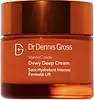
Dr. Dennis Gross Skincare Alpha Beta® Pore Perfecting & Refining Serum Versus Dr. Dennis Gross Skincare Vitamin C Lactic Dewy Deep Cream
This pore-care serum is formulated around Mandelic Acid and Salicylic Acid to refine the look of pores and refine skin texture.
This brightening moisturizer is formulated around 3-O-Ethyl Ascorbic Acid and Niacinamide to brighten dull-looking skin and refine skin texture.

What's inside
What's inside
 Key Ingredients
Benefits
Concerns
Ingredients Side-by-side
Water
Skin ConditioningPropylene Glycol
Humectant


Ethoxydiglycol
HumectantGlycerin
Humectant

Polysorbate 80
Emulsifying
Butylene Glycol
Humectant
Mandelic Acid
Antimicrobial








Carnitine Hcl
HumectantSalicylic Acid
Masking


Farnesol
Perfuming

Glycolic Acid
Buffering
Lactic Acid
Buffering
Adipic Acid
BufferingFomes Officinalis Extract
Skin ProtectingOpuntia Ficus-Indica Stem Extract
Skin Conditioning
Salix Alba Bark Extract
Astringent
Phytic Acid
Siraitia Grosvenorii Fruit Extract
Skin ConditioningHamamelis Virginiana Water
Astringent
Bisabolol
Antioxidant

Pentasodium Pentetate
Camellia Sinensis Leaf Extract
Antimicrobial
Hexylresorcinol
Antimicrobial
Quercetin
Antioxidant
Tocopherol
Antioxidant
Sodium Hyaluronate
Humectant
Dimethyl Isosorbide
SolventPanthenol
Skin Conditioning
Urea
Buffering
Isopropyl Jojobate
EmollientJojoba Alcohol
Emollient
Jojoba Esters
Emollient
Retinol
Skin Conditioning
Hydroxyethylcellulose
Emulsion StabilisingPolysorbate 20
Emulsifying
Potassium Hydroxide
BufferingOctoxynol-9
EmulsifyingCaprylic/Capric Triglyceride
Masking
Cucumis Sativus Fruit Extract
Emollient
Prunus Persica Fruit Extract
Abrasive
Vaccinium Macrocarpon Fruit Extract
AstringentLavandula Angustifolia Extract
Skin Conditioning
Citrus Aurantium Bergamia Fruit Extract
Skin ConditioningRose Extract
Skin ConditioningRosmarinus Officinalis Leaf Extract
AntimicrobialRubus Idaeus Fruit Extract
AstringentCitrus Limon Fruit Extract
Masking
Triethyl Citrate
Masking
Fucus Vesiculosus Extract
Emollient
Jasminum Officinale Flower Extract
Masking
Vanilla Planifolia Fruit Extract
Skin Conditioning
Coriandrum Sativum Seed Extract
Skin ConditioningBenzoic Acid
Masking
Phenoxyethanol
Preservative
Sodium Benzoate
Masking
Water, Propylene Glycol, Ethoxydiglycol, Glycerin, Polysorbate 80, Butylene Glycol, Mandelic Acid, Carnitine Hcl, Salicylic Acid, Farnesol, Glycolic Acid, Lactic Acid, Adipic Acid, Fomes Officinalis Extract, Opuntia Ficus-Indica Stem Extract, Salix Alba Bark Extract, Phytic Acid, Siraitia Grosvenorii Fruit Extract, Hamamelis Virginiana Water, Bisabolol, Pentasodium Pentetate, Camellia Sinensis Leaf Extract, Hexylresorcinol, Quercetin, Tocopherol, Sodium Hyaluronate, Dimethyl Isosorbide, Panthenol, Urea, Isopropyl Jojobate, Jojoba Alcohol, Jojoba Esters, Retinol, Hydroxyethylcellulose, Polysorbate 20, Potassium Hydroxide, Octoxynol-9, Caprylic/Capric Triglyceride, Cucumis Sativus Fruit Extract, Prunus Persica Fruit Extract, Vaccinium Macrocarpon Fruit Extract, Lavandula Angustifolia Extract, Citrus Aurantium Bergamia Fruit Extract, Rose Extract, Rosmarinus Officinalis Leaf Extract, Rubus Idaeus Fruit Extract, Citrus Limon Fruit Extract, Triethyl Citrate, Fucus Vesiculosus Extract, Jasminum Officinale Flower Extract, Vanilla Planifolia Fruit Extract, Coriandrum Sativum Seed Extract, Benzoic Acid, Phenoxyethanol, Sodium Benzoate
3-O-Ethyl Ascorbic Acid
Skin Conditioning
Niacinamide
Smoothing
Squalane
Emollient
Water
Skin ConditioningGlycerin
Humectant
Butylene Glycol
Humectant
Camellia Japonica Seed Oil
Emollient
Oryza Sativa Bran Oil
Emollient
Dimethicone
Emollient
Sucrose
Humectant
Pentylene Glycol
Skin Conditioning
Helianthus Annuus Seed Oil
Emollient
Hydroxyethyl Acrylate/Sodium Acryloyldimethyl Taurate Copolymer
Emulsion StabilisingLactic Acid
Buffering
Dipotassium Glycyrrhizate
Humectant
Ceramide NP
Skin Conditioning
Saccharide Isomerate
Humectant
Superoxide Dismutase
Antioxidant
Ubiquinone
Antioxidant
Undaria Pinnatifida Extract
Skin ConditioningAloe Barbadensis Leaf Juice
Skin Conditioning
Adenosine
Skin Conditioning
Collagen Amino Acids
Moisturising
Hydroxyproline
Skin ConditioningAcetyl Hexapeptide-8
Humectant
Leuconostoc/Radish Root Ferment Filtrate
Antimicrobial
Glycolic Acid
Buffering
Carnitine
Cleansing
Glycine
Buffering
Carnitine Hcl
HumectantLactobacillus Ferment
Skin Conditioning
1,2-Hexanediol
Skin Conditioning
Caprylyl Glycol
Emollient
Caprylic/Capric Triglyceride
Masking
Hydrogenated Lecithin
Emulsifying
Lecithin
Emollient
Maltodextrin
Absorbent
Hydroxyethylcellulose
Emulsion StabilisingPolysorbate 60
Emulsifying
Carbomer
Emulsion StabilisingAmmonium Hydroxide
BufferingPotassium Hydroxide
BufferingSodium Phytate
Camellia Sinensis Leaf Extract
Antimicrobial
Cucumis Sativus Fruit Extract
Emollient
Triethyl Citrate
Masking
Lavandula Angustifolia Flower/Leaf/Stem Extract
Masking
Elettaria Cardamomum Seed Extract
Perfuming
Pyrus Malus Fruit Extract
Skin Conditioning
Rubus Idaeus Fruit Extract
AstringentCananga Odorata Flower Extract
Perfuming
Citrus Aurantium Bergamia Fruit Extract
Skin ConditioningCitrus Aurantium Amara Flower Extract
RefreshingCoffea Arabica Seed Extract
Masking
Cucumis Melo Fruit Extract
Skin ConditioningCupressus Sempervirens Leaf/Stem Extract
Skin ConditioningFucus Vesiculosus Extract
Emollient
Jasminum Officinale Flower Extract
Masking
Rose Extract
Skin ConditioningRosmarinus Officinalis Leaf Extract
AntimicrobialSalvia Officinalis Leaf Extract
CleansingSantalum Album Wood Extract
Perfuming
Phenoxyethanol
Preservative
Potassium Sorbate
Preservative
3-O-Ethyl Ascorbic Acid, Niacinamide, Squalane, Water, Glycerin, Butylene Glycol, Camellia Japonica Seed Oil, Oryza Sativa Bran Oil, Dimethicone, Sucrose, Pentylene Glycol, Helianthus Annuus Seed Oil, Hydroxyethyl Acrylate/Sodium Acryloyldimethyl Taurate Copolymer, Lactic Acid, Dipotassium Glycyrrhizate, Ceramide NP, Saccharide Isomerate, Superoxide Dismutase, Ubiquinone, Undaria Pinnatifida Extract, Aloe Barbadensis Leaf Juice, Adenosine, Collagen Amino Acids, Hydroxyproline, Acetyl Hexapeptide-8, Leuconostoc/Radish Root Ferment Filtrate, Glycolic Acid, Carnitine, Glycine, Carnitine Hcl, Lactobacillus Ferment, 1,2-Hexanediol, Caprylyl Glycol, Caprylic/Capric Triglyceride, Hydrogenated Lecithin, Lecithin, Maltodextrin, Hydroxyethylcellulose, Polysorbate 60, Carbomer, Ammonium Hydroxide, Potassium Hydroxide, Sodium Phytate, Camellia Sinensis Leaf Extract, Cucumis Sativus Fruit Extract, Triethyl Citrate, Lavandula Angustifolia Flower/Leaf/Stem Extract, Elettaria Cardamomum Seed Extract, Pyrus Malus Fruit Extract, Rubus Idaeus Fruit Extract, Cananga Odorata Flower Extract, Citrus Aurantium Bergamia Fruit Extract, Citrus Aurantium Amara Flower Extract, Coffea Arabica Seed Extract, Cucumis Melo Fruit Extract, Cupressus Sempervirens Leaf/Stem Extract, Fucus Vesiculosus Extract, Jasminum Officinale Flower Extract, Rose Extract, Rosmarinus Officinalis Leaf Extract, Salvia Officinalis Leaf Extract, Santalum Album Wood Extract, Phenoxyethanol, Potassium Sorbate
Reviews
Ingredients Explained
These ingredients are found in both products.
Ingredients higher up in an ingredient list are typically present in a larger amount.
Butylene Glycol (or BG) is used within cosmetic products for a few different reasons:
Overall, Butylene Glycol is a safe and well-rounded ingredient that works well with other ingredients.
Though this ingredient works well with most skin types, some people with sensitive skin may experience a reaction such as allergic rashes, closed comedones, or itchiness.
Learn more about Butylene GlycolCamellia Sinensis Leaf Extract (tea extract) is one of the most well-researched plant extracts in skincare with an impressive resume.
Black tea, green tea, and oolong tea are all harvested from the Camellia Sinensis plant.
Studies show green tea extract and its catechins (like epigallocatechin gallate (EGCG)) help your skin cells product energy more efficiently and reducing the number of free-radicals that can damage your skin from the inside.
In lab-grown skin models, this translated to younger, healthier, and stronger skin.
There's also good sun protection data; researchers saw less DNA damage and redness on human skin when green tea was applied before UVB exposure. And the more they applied, the better the protection.
Needless to say, this ingredient shouldn't replace your sunscreen. But it is a great supportive ingredient that you can already find in many sunscreens and antioxidant serums.
A 2009 study found a 2% green tea lotion was effective for mild-to-moderate acne thanks to its anti-inflammatory and mild antimicrobial activity.
The quality of the extract matters a lot here:
Good extracts contain 50-90% catechins while lower quality ones are mostly there for marketing. We recommend reaching out to the brand if you have questions about the quality or source of their ingredients.
Human Repeated Insult Patch Testing showed no irritation or sensitization at use concentrations (0.86% in leave-on products and up to 30% as leaf water).
Learn more about Camellia Sinensis Leaf ExtractCaprylic/Capric Triglyceride (aka MCT Oil) is a lightweight emollient, solvent, and texture enhancer. It is considered a skin-softener by helping to prevent moisture loss.
Though it behaves like an oil, it is not technically one due to its chemical composition. One perk of this ingredient is that it is very stable, resistant to oxidation, and unlikely to go rancid.
In practice, that translates to a long shelf life and a consistently elegant skin feel.
While there is an assumption Caprylic Triglyceride can clog pores due to it being derived from coconut oil, there is no research supporting this. Just patch test if you have concerns.
Fractionated coconut oil and MCT Oil are both listed as Caprylic/Capric Triglyceride according to INCI. This is because INCI names are based on the ingredient’s final chemical composition and not its marketing name or source.
This ingredient is treated as the gold standard fungal acne safe oil. Even though it is coconut derived, the problematic lauric acid is stripped out.
This leaves just caprylic (C8) and capric (C10) acid. These chain lengths actually trend antifungal; a 2020 study found caprylic acid was enough to disrupt Malassezia furfur cell membrane, with a caprylic acid derivative damaging membrane structures at concentrations as low as 0.2%.
Learn more about Caprylic/Capric TriglycerideWe don't have a description for Carnitine Hcl yet.
Citrus Aurantium Bergamia Fruit Extract comes from the bergamot orange.
Bergamot oranges contain antioxidants, dietary fiber, vitamins such as Vitamin C, and minerals.
This extract comes from cucumber. Cucumbers are mostly made up of water (95%), and the other 5% is composed of: vitamin C, caffeic acid, fatty acids, amino acids, and other minerals.
Cucumbers have anti-inflammatory, barrier repair, and hydrating properties.
They contain shikimate dehydrigenase, an enzyme shown to help reduce inflammation and soothe the skin.
The amino acids found in cucumbers help nourish our skin's natural acid mantle (it's an important part of our skin barrier). This slightly acidic film acts as a barrier to protect us from bacteria, viruses, and other contaminants.
Unless you have an allergy to cucumbers, this is generally a non-irritating ingredient.
Fun fact: Cucumis Sativus is native to South Asia and can now be found on every continent.
Learn more about Cucumis Sativus Fruit ExtractFucus Vesiculosus Extract is derived from a type of brown algae.
Algae is an informal term for a group of aquatic organisms that can photosynthesize. It is estimated there are at least 30,000 types of Algae.
Fucus Vesiculosus Extract contains antioxidants. Antioxidants help fight free-radicals. Free-radicals are molecules that may damage your skin cells, such as pollution.
Fucus Vesiculosus Extract is also rich in sodium, potassium, and amino acids.
Many different types of algae have different benefits.
Learn more about Fucus Vesiculosus ExtractGlycerin (or glycerol) is a compound naturally found in your skin. It's a powerhouse humectant that pulls water into the stratum corneum.
Topically, glycerin does several things at once:
Your skin makes glycerin on its own (mostly from sebaceous oil breakdown) and shuttles it to your outermost layer of skin, or your epidermis, via aquaporin-3.
Aquaporin-3 is a transporter that is essential for normal skin hydration, elasticity, and repair. Interestingly, mice lacking in AQP3 have dry and less elastic skin that can be fully corrected with glycerin.
This ingredient is non-irritating, plays well with almost every ingredient, and works across all skin types. Typical use is anywhere between 3-10% but can go up to 79% in some leave-on products.
Just know very high concentrations (>40%) can feel tacky in low humidity.
Glycerin is the name for this ingredient in American English. British English uses Glycerol/Glycerine.
Learn more about GlycerinGlycolic Acid is arguably the most famous alpha hydroxy acid (AHA) with tons of research backing its benefits.
It is found naturally in sugar cane but the form used in skincare is usually synthetic for purity and stability.
Glycolic acid removes the top layer of dead skin cells to allow newer and fresher ones to emerge.
AHAs work by breaking down the structural “glue” that holds old skin cells in place. When that buildup is gone, your skin can renew itself more efficiently.
Research also shows glycolic acid stimulates collagen production, helping to firm and thicken the skin over time. This is one of its biggest advantages over other AHAs.
Overall, glycolic acid helps with:
Fun fact: Glycolic acid boosts skin hydration by helping it produce molecules that increase hyaluronic acid naturally.
To work best, glycolic acid products should have a pH between 3-4 (that’s where exfoliation is most effective but still gentle on skin).
The pH and concentration of a product are key to its effectiveness:
It is normal to feel a slight stinging sensation when using glycolic acid. This usually fades as your skin adjusts.
Because glycolic acid has the smallest molecular size in the AHA family, it can penetrate deeper, which enhances its effectiveness but also makes it more likely to irritate sensitive skin.
If your skin is very sensitive or prone to rosacea, glycolic acid may be too strong; in that case, try milder options like lactic acid or a PHA instead.
Recent studies suggest glycolic acid might even help protect against UV damage. But don’t skip sunscreen! Freshly exfoliated skin is more sensitive to the sun.
Glycolic acid is a skincare superstar. It smooths, brightens, hydrates, and firms the skin. Unless you’re highly sensitive, it’s well worth adding to your routine.
Read more about some other popular AHA's here:
Learn more about Glycolic AcidHydroxyethylcellulose is used to improve the texture of products. It is created from a chemical reaction involving ethylene oxide and alkali-cellulose. Cellulose is a sugar found in plant cell walls and help give plants structure.
This ingredient helps stabilize products by preventing ingredients from separating. It can also help thicken the texture of a product.
This ingredient can also be found in pill medicines to help our bodies digest other ingredients.
Learn more about HydroxyethylcelluloseJasmine flower extract is a fragrance. The flower also has antioxidant and antimicrobial properties.
The antioxidant activity in Jasmine comes from flavonoids - a compound found in many plants. While antioxidants are great - Jasmine flowers also contain coumarin, a known EU allergen.
This ingredient can also help mask unpleasant scents from other ingredients.
Learn more about Jasminum Officinale Flower ExtractLactic Acid is another well-loved alpha hydroxy acid (AHA). It is gentler than glycolic acid but still highly effective.
Its main role is to exfoliate the surface of the skin by loosening the “glue” that holds dead skin cells together. Shedding those old cells leads to smoother, softer, and more even-toned skin.
Because lactic acid molecules are larger than glycolic acid, they don’t penetrate as deeply. This means they’re less likely to sting or irritate, making it a great choice for beginners or those with sensitive skin.
Like glycolic acid, it can:
Lactic acid also acts as a humectant (like hyaluronic acid). It can draw water into the skin to improve hydration and also plays a role in the skin's natural moisturizing factor (NMF) in the form of sodium lactate.
Studies show it can boost ceramide production to strengthen the skin barrier and even help balance the skin’s microbiome.
To get results, choose products with a pH between 3-4.
Lower strengths (5-12%) focus on surface exfoliation; higher strengths (12% and up) can reach deeper in the dermis (deeper, supportive layer) to improve skin texture and firmness over time.
Though it was originally derived from milk, most modern lactic acid used in skincare is vegan. It is made through non-dairy fermentation to create a bio-identical and stable form suitable for all formulations.
When lactic acid shows up near the end of an ingredient list, it usually means the brand added just a tiny amount to adjust the product’s pH.
Legend has it that Cleopatra used to bathe in sour milk to help reduce wrinkles.
Lactic acid is truly a gentle multitasker: it exfoliates, hydrates, strengthens, and brightens. It's a great ingredient for giving your skin a smooth, glowing, and healthy look without the harshness of stronger acids.
Read more about some other popular AHA's here:
Learn more about Lactic AcidPhenoxyethanol is one of the most widely used preservatives in skincare (and for good reason!).
It has a large spectrum of antimicrobial activity and especially effective bacteria, yeast, and mold while only having a weak effect on your skin's natural microbiome.
On a cellular level, it disrupts the cell membranes of microbes by poking holes that make the cell leak. This shuts down the chemical reactions the microbe needs to make energy so it can no longer survive.
Another perk of this ingredient is that it stays functional across a wide pH range (3-10).
You'll often see it paired with boosters like Ethylhexylglycerin; one study showed that a 1:9 ratio of Ethylhexylglycerin to Phenoxyethanol damages bacterial membranes as effectively as doubling the Phenoxyethanol concentration on its own.
Typical use concentrations range from 0.3-1% depending on the formula, and this ingredient is capped at 1% int the EU.
Safety-wise, the fear mongering does not hold up to the evidence. The EU's Scientific Committee on Consumer Safety and FDA consider it safe as a preservative at up to 1%, including for children of all ages.
Adverse systemic effects only showed up in animal studies at exposures roughly 200x higher than what people get from cosmetics. And despite its very widespread use, this ingredient is a rare sensitizer and allergic reactions are uncommon.
Learn more about PhenoxyethanolPotassium Hydroxide (also known as potash) is a strong alkaline ingredient that does one job: it nudges a product's pH up so the whole formula lands in a skin-friendly range.
It's also the base that turns oils into liquid soap during the soap making process.
An expert safety panel reviewed it and found it safe when formulations are made to be non-irritating.
As a pH adjuster, it's typically used well under 1% though regulatory caps go much higher: 5% in nail cuticle removers and 2-4.5% in hair straighteners.
Though there is some concern for irritation from raw or high pH material, a well-balanced formula will be a non-issue for the vast majority of people.
Learn more about Potassium HydroxideRose extract comes from various species of the Rosa genus. It has skin conditioning and antioxidant properties due to its polyphenol, flavonoid, and phenolic acid content.
Rosa damascena, Rosa centifolia, and Rosa gallica.
Just keep in mind that rose extracts contain known fragrance allergens like citronellol, geraniol, linalool, and limonene.
Learn more about Rose ExtractThis is a botanical extract from the rosemary plant (the same one you cook with). In skincare, it mostly works as a skin conditioning agent.
Its activity comes from a handful of polyphenols, carnosic acid, carnosol, and rosmarinic acid. Almost 90% of the antioxidant activity of this ingredient can be attributed to canosol and carnosic acid.
These compounds protect your skin two ways:
1) They fight off free radicals, or the unstable molecules from things like sun and pollution that age and damage skin.
2) They help calm inflammation by switching off the chemical signals that tell skin to get red and irritated.
Lab studies also suggest that rosmarinic acid may help protect collagen and slow sugar-related damage to it.
The Cosmetic Ingredient Review has concluded rosemary-derived ingredients to be safe when formulated to be non-sensitizing.
Rosemary can occasionally cause allergic contact dermatitis (due to carnosol), so be sure to patch test if you have reactive or fragrance-sensitive skin.
Learn more about Rosmarinus Officinalis Leaf ExtractWe don't have a description for Rubus Idaeus Fruit Extract yet.
Triethyl Citrate comes from citric acid. It has masking, perfuming, and solvent properties. As a solvent, this ingredient helps disperse ingredients evenly in skincare.
One manufacturer claims this ingredient can:
According to perfume manufacturers, this ingredient is almost odorless but has a mild fruity, wine and plum scent. It can be used to mask the scent of other ingredients.
This ingredient can be plant-sourced or synthetic; it can naturally be found in cabbage and white wine.
Learn more about Triethyl CitrateWater. It's the most common cosmetic ingredient of all. You'll usually see it at the top of ingredient lists, meaning that it makes up the largest part of the product.
So why is it so popular? Water most often acts as a solvent - this means that it helps dissolve other ingredients into the formulation.
You'll also recognize water as that liquid we all need to stay alive. If you see this, drink a glass of water. Remember to stay hydrated!
Learn more about Water

