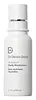
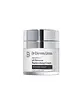
Dr. Dennis Gross Skincare Alpha Beta Daily Moisturizer Versus Dr. Dennis Gross Skincare Alpha Beta pH Balance Replenishing Cream
This smoothing moisturizer is formulated around Lactic Acid and Glycolic Acid to refine skin texture and brighten dull-looking skin.
This smoothing moisturizer is formulated around Phytic Acid and Lactic Acid to refine skin texture and strengthen the skin barrier.

What's inside
What's inside
 Key Ingredients
Benefits
Concerns
Ingredients Side-by-side
Squalane
Emollient


Ceramides

Bisabolol
Antioxidant



Alpha-Methyl-Beta-Ionone
Perfuming

Water
Skin ConditioningLactic Acid
Buffering








Glycolic Acid
Buffering

Polyacrylate Crosspolymer-6
Emulsion StabilisingC13-15 Alkane
SolventMethyl Gluceth-20
Humectant
C15-19 Alkane
SolventPropanediol
Solvent
Glycerin
Humectant
Caprylic/Capric Triglyceride
Masking
Potassium Hydroxide
BufferingSodium Hydroxide
BufferingSodium PCA
Humectant
Ceramide NP
Skin Conditioning
Sodium Hyaluronate
Humectant
Saccharide Isomerate
Humectant
Malic Acid
Buffering
Mandelic Acid
Antimicrobial
Salicylic Acid
Masking


Phytic Acid
Chelating
Salix Alba Bark Extract
Astringent
Citric Acid
Buffering
Tartaric Acid
Buffering
Farnesol
Perfuming
Rehmannia Glutinosa Root Extract
Skin ConditioningSanguisorba Officinalis Root Extract
CleansingCinnamomum Cassia Bark Extract
Masking
Zingiber Officinale Root Extract
Masking
Jojoba Esters
Emollient
Aloe Barbadensis Leaf Juice
Skin Conditioning
Tocopherol
Antioxidant
Hydroxyethyl Urea
Humectant
Ethylhexyl Palmitate
Emollient

Dimethicone
Emollient
Butylene Glycol
Humectant
Ethylhexyl Olivate
Skin Conditioning
Isoamyl Laurate
Emollient
Isohexadecane
EmollientDicaprylyl Ether
Emollient
Dimethiconol
Emollient
Caprylyl Glycol
Emollient
Glycereth-26
Humectant
Polymethylsilsesquioxane
Ammonium Acryloyldimethyltaurate/Vp Copolymer
Polysorbate 20
Emulsifying
Polysorbate 60
Emulsifying
Jasminum Officinale Flower/Leaf Extract
Masking
Cucumis Sativus Fruit Extract
Emollient
Eugenia Caryophyllus Flower Extract
AstringentPyrus Malus Fruit Extract
Skin Conditioning
Cucumis Melo Fruit Extract
Skin ConditioningRose Extract
Skin ConditioningRubus Idaeus Fruit Extract
AstringentLavandula Angustifolia Flower/Leaf/Stem Extract
Masking
Elettaria Cardamomum Seed Extract
Perfuming
Santalum Album Wood Extract
Perfuming
Phenoxyethanol
Preservative
Potassium Sorbate
Preservative
CI 77891
Cosmetic ColorantMica
Cosmetic ColorantSqualane, Ceramides, Bisabolol, Alpha-Methyl-Beta-Ionone, Water, Lactic Acid, Glycolic Acid, Polyacrylate Crosspolymer-6, C13-15 Alkane, Methyl Gluceth-20, C15-19 Alkane, Propanediol, Glycerin, Caprylic/Capric Triglyceride, Potassium Hydroxide, Sodium Hydroxide, Sodium PCA, Ceramide NP, Sodium Hyaluronate, Saccharide Isomerate, Malic Acid, Mandelic Acid, Salicylic Acid, Phytic Acid, Salix Alba Bark Extract, Citric Acid, Tartaric Acid, Farnesol, Rehmannia Glutinosa Root Extract, Sanguisorba Officinalis Root Extract, Cinnamomum Cassia Bark Extract, Zingiber Officinale Root Extract, Jojoba Esters, Aloe Barbadensis Leaf Juice, Tocopherol, Hydroxyethyl Urea, Ethylhexyl Palmitate, Dimethicone, Butylene Glycol, Ethylhexyl Olivate, Isoamyl Laurate, Isohexadecane, Dicaprylyl Ether, Dimethiconol, Caprylyl Glycol, Glycereth-26, Polymethylsilsesquioxane, Ammonium Acryloyldimethyltaurate/Vp Copolymer, Polysorbate 20, Polysorbate 60, Jasminum Officinale Flower/Leaf Extract, Cucumis Sativus Fruit Extract, Eugenia Caryophyllus Flower Extract, Pyrus Malus Fruit Extract, Cucumis Melo Fruit Extract, Rose Extract, Rubus Idaeus Fruit Extract, Lavandula Angustifolia Flower/Leaf/Stem Extract, Elettaria Cardamomum Seed Extract, Santalum Album Wood Extract, Phenoxyethanol, Potassium Sorbate, CI 77891, Mica
Water
Skin ConditioningButylene Glycol
Humectant
C13-16 Isoalkane
SolventCetearyl Alcohol
Emollient
Caprylic/Capric Triglyceride
Masking
Sodium Acrylate/Sodium Acryloyldimethyl Taurate Copolymer
Emulsion StabilisingHeptyl Undecylenate
EmollientGlyceryl Behenate
Emollient
Stearyl Dimethicone
Emollient
Saccharide Isomerate
Humectant
Magnesium PCA
Humectant
Manganese PCA
HumectantPhytic Acid
Chelating
Sodium PCA
Humectant
Linoleic Acid
Cleansing
Phospholipids
Skin Conditioning
Copper PCA
HumectantInonotus Obliquus Extract
Skin ConditioningLactic Acid
Buffering
Sodium Hyaluronate
Humectant
Niacinamide
Smoothing
Aloe Barbadensis Leaf Juice
Skin Conditioning
Bisabolol
Antioxidant
Centella Asiatica Extract
Cleansing
Phytosterols
Skin Conditioning
Adenosine
Skin Conditioning
Salicylic Acid
Masking
Aloe Barbadensis Leaf Extract
Emollient
Caulerpa Lentillifera Extract
Citrus Sinensis Fruit Extract
Antioxidant
Cocos Nucifera Fruit Extract
Emollient
Citrullus Lanatus Fruit Extract
Skin Conditioning
Hydrolyzed Soy Protein
Humectant
Zinc PCA
Humectant
Glycolic Acid
Buffering
Glycerin
Humectant
Pentylene Glycol
Skin Conditioning
Ethylhexylglycerin
Skin ConditioningDimethicone
Emollient
Dimethicone Crosspolymer-3
Skin Conditioning
Polyglyceryl-10 Laurate
Skin Conditioning
Hydrogenated Lecithin
Emulsifying
Isohexadecane
EmollientPotassium Cetyl Phosphate
EmulsifyingIsododecane
EmollientPotassium Chloride
Sodium Chloride
MaskingCalcium Chloride
AstringentTocopherol
Antioxidant
Ceteareth-20
Cleansing
Sorbitan Oleate
Emulsifying
Polysorbate 80
Emulsifying
Sodium Hydroxide
BufferingSodium Bicarbonate
Abrasive
Sodium Citrate
BufferingCitric Acid
Buffering
Phenoxyethanol
Preservative
Benzyl Alcohol
Perfuming
Sodium Benzoate
Masking
Potassium Sorbate
Preservative
Water, Butylene Glycol, C13-16 Isoalkane, Cetearyl Alcohol, Caprylic/Capric Triglyceride, Sodium Acrylate/Sodium Acryloyldimethyl Taurate Copolymer, Heptyl Undecylenate, Glyceryl Behenate, Stearyl Dimethicone, Saccharide Isomerate, Magnesium PCA, Manganese PCA, Phytic Acid, Sodium PCA, Linoleic Acid, Phospholipids, Copper PCA, Inonotus Obliquus Extract, Lactic Acid, Sodium Hyaluronate, Niacinamide, Aloe Barbadensis Leaf Juice, Bisabolol, Centella Asiatica Extract, Phytosterols, Adenosine, Salicylic Acid, Aloe Barbadensis Leaf Extract, Caulerpa Lentillifera Extract, Citrus Sinensis Fruit Extract, Cocos Nucifera Fruit Extract, Citrullus Lanatus Fruit Extract, Hydrolyzed Soy Protein, Zinc PCA, Glycolic Acid, Glycerin, Pentylene Glycol, Ethylhexylglycerin, Dimethicone, Dimethicone Crosspolymer-3, Polyglyceryl-10 Laurate, Hydrogenated Lecithin, Isohexadecane, Potassium Cetyl Phosphate, Isododecane, Potassium Chloride, Sodium Chloride, Calcium Chloride, Tocopherol, Ceteareth-20, Sorbitan Oleate, Polysorbate 80, Sodium Hydroxide, Sodium Bicarbonate, Sodium Citrate, Citric Acid, Phenoxyethanol, Benzyl Alcohol, Sodium Benzoate, Potassium Sorbate
Ingredients Explained
These ingredients are found in both products.
Ingredients higher up in an ingredient list are typically present in a larger amount.
Aloe Barbadensis Leaf Juice is the filtered, stabilized liquid pressed from the inner gel of the aloe vera leaf.
In cosmetics, it shows up as either soothing active or a water-replacement base. It is roughly 98-99% water and the last 1-2% is an interesting mix of polysaccharides, amino acids, vitamins, minerals, and enzymes.
The polysaccharides do most of the work: they bind water at the skin surface for a light, non-greasy hydration boost. And one of the polysaccharides, glycomannan, is linked to fibroblast stimulation + collagen synthesis. This is also why aloe has such a long track record in wound and burn healing.
This ingredient is also calming with anti-inflammatory and mild antimicrobial activity, making it a great pick for sensitive, irritated, or post-sun skin.
Realistic expectations matter though; the solid evidence is mostly limited to hydration, soothing, and wound support. Deeper claims about anti-aging or sun protection are not well backed, and science reviews note it does not prevent radiation-induced skin injury.
Because it plays well with almost everything, it's commonly used as a base alongside other actives like niacinamide or vitamin C.
Typical usage concentrations range from 0.5% (where hydration benefits already show up) all the way to 90%+ (where it replaces water as the main base).
The safety for this ingredient is well-establish as well. Overall, this is a great supporting ingredient for those who want a boost in hydration.
Learn more about Aloe Barbadensis Leaf JuiceBisabolol is a gentle skin conditioner, antioxidant, and soothing ingredient.
It's primary claim to fame is soothing and research shows topically applied bisabolol can quiet the chemical messengers that cause your skin to become inflamed, helping to sooth any irritation.
A clinical study found that applying 0.5% bisabolol daily for 8 weeks produced an average 9% decrease in skin pigmentation. Researchers found it can also suppress the process that leads to excess melanin production in skin.
In vitro studies found that bisabolol combined with propylene glycol significantly increased skin permeability by increasing lipid fluidity in the stratum corneum.
You'll likely see use concentrations quite low, usually 0.1-0.2%.
Overall, this is a well-tolerated ingredient that works well in formulas designed for sensitive, reactive, or post-procedure skin.
Learn more about BisabololButylene Glycol (or BG) is used within cosmetic products for a few different reasons:
Overall, Butylene Glycol is a safe and well-rounded ingredient that works well with other ingredients.
Though this ingredient works well with most skin types, some people with sensitive skin may experience a reaction such as allergic rashes, closed comedones, or itchiness.
Learn more about Butylene GlycolCaprylic/Capric Triglyceride (aka MCT Oil) is a lightweight emollient, solvent, and texture enhancer. It is considered a skin-softener by helping to prevent moisture loss.
Though it behaves like an oil, it is not technically one due to its chemical composition. One perk of this ingredient is that it is very stable, resistant to oxidation, and unlikely to go rancid.
In practice, that translates to a long shelf life and a consistently elegant skin feel.
While there is an assumption Caprylic Triglyceride can clog pores due to it being derived from coconut oil, there is no research supporting this. Just patch test if you have concerns.
Fractionated coconut oil and MCT Oil are both listed as Caprylic/Capric Triglyceride according to INCI. This is because INCI names are based on the ingredient’s final chemical composition and not its marketing name or source.
This ingredient is treated as the gold standard fungal acne safe oil. Even though it is coconut derived, the problematic lauric acid is stripped out.
This leaves just caprylic (C8) and capric (C10) acid. These chain lengths actually trend antifungal; a 2020 study found caprylic acid was enough to disrupt Malassezia furfur cell membrane, with a caprylic acid derivative damaging membrane structures at concentrations as low as 0.2%.
Learn more about Caprylic/Capric TriglycerideCitric Acid is an alpha hydroxy acid (AHA) naturally found in citrus fruits like oranges, lemons, and limes.
Like other AHAs, citric acid can exfoliate skin by breaking down the bonds that hold dead skin cells together. This helps reveal smoother and brighter skin underneath.
However, this exfoliating effect only happens at high concentrations (20%) which can be hard to find in cosmetic products.
Due to this, citric acid is usually included in small amounts as a pH adjuster. This helps keep products slightly more acidic and compatible with skin's natural pH.
In skincare formulas, citric acid can:
While it can provide some skin benefits, research shows lactic acid and glycolic acid are generally more effective and less irritating exfoliants.
Most citric acid used in skincare today is made by fermenting sugars (usually from molasses). This synthetic version is identical to the natural citrus form but easier to stabilize and use in formulations.
Rosacea skin has a lower threshold for acids generally, with 62.5% of rosacea subjects in one study reacting to lactic acid in a sting test. This is why we mark citric acid as a potential rosacea trigger.
However, this ingredient shows up as a pH adjuster or chelator at roughly 0.1-1% in many products. These low levels are unlikely to be an issue for rosacea skin and becomes a potential trigger at exfoliating concentrations (20%). Because everybody's skin is unique, we recommend a patch test if you are unsure.
Learn more about Citric AcidDimethicone is a type of synthetic silicone created from natural materials such as quartz. It is also known as polydimethylsiloxane.
What it does:
Dimethicone comes in different viscosities:
Depending on the viscosity, dimethicone has different properties.
Ingredients lists don't always show which type is used, so we recommend reaching out to the brand if you have questions about the viscosity.
This ingredient is unlikely to cause irritation because it does not get absorbed into skin. However, people with silicone allergies should be careful about using this ingredient.
Note: Dimethicone may contribute to pilling. This is because it is not oil or water soluble, so pilling may occur when layered with products. When mixed with heavy oils in a formula, the outcome is also quite greasy.
Learn more about DimethiconeGlycerin (or glycerol) is a compound naturally found in your skin. It's a powerhouse humectant that pulls water into the stratum corneum.
Topically, glycerin does several things at once:
Your skin makes glycerin on its own (mostly from sebaceous oil breakdown) and shuttles it to your outermost layer of skin, or your epidermis, via aquaporin-3.
Aquaporin-3 is a transporter that is essential for normal skin hydration, elasticity, and repair. Interestingly, mice lacking in AQP3 have dry and less elastic skin that can be fully corrected with glycerin.
This ingredient is non-irritating, plays well with almost every ingredient, and works across all skin types. Typical use is anywhere between 3-10% but can go up to 79% in some leave-on products.
Just know very high concentrations (>40%) can feel tacky in low humidity.
Glycerin is the name for this ingredient in American English. British English uses Glycerol/Glycerine.
Learn more about GlycerinGlycolic Acid is arguably the most famous alpha hydroxy acid (AHA) with tons of research backing its benefits.
It is found naturally in sugar cane but the form used in skincare is usually synthetic for purity and stability.
Glycolic acid removes the top layer of dead skin cells to allow newer and fresher ones to emerge.
AHAs work by breaking down the structural “glue” that holds old skin cells in place. When that buildup is gone, your skin can renew itself more efficiently.
Research also shows glycolic acid stimulates collagen production, helping to firm and thicken the skin over time. This is one of its biggest advantages over other AHAs.
Overall, glycolic acid helps with:
Fun fact: Glycolic acid boosts skin hydration by helping it produce molecules that increase hyaluronic acid naturally.
To work best, glycolic acid products should have a pH between 3-4 (that’s where exfoliation is most effective but still gentle on skin).
The pH and concentration of a product are key to its effectiveness:
It is normal to feel a slight stinging sensation when using glycolic acid. This usually fades as your skin adjusts.
Because glycolic acid has the smallest molecular size in the AHA family, it can penetrate deeper, which enhances its effectiveness but also makes it more likely to irritate sensitive skin.
If your skin is very sensitive or prone to rosacea, glycolic acid may be too strong; in that case, try milder options like lactic acid or a PHA instead.
Recent studies suggest glycolic acid might even help protect against UV damage. But don’t skip sunscreen! Freshly exfoliated skin is more sensitive to the sun.
Glycolic acid is a skincare superstar. It smooths, brightens, hydrates, and firms the skin. Unless you’re highly sensitive, it’s well worth adding to your routine.
Read more about some other popular AHA's here:
Learn more about Glycolic AcidIsohexadecane is added to enhance texture, emulsify, and to help cleanse. It is an isoparrafin. It is a component of petrolatum.
Due to its large size, Isohexadecane is not absorbed by the skin. Instead, it sits on top and acts as an emollient. Emollients help keep your skin soft and smooth by trapping moisture within.
Isohexadecane is often used in products designed to help oily skin. It is lightweight and non-greasy while helping to moisturize. When mixed with silicones, it gives a product a silky feel.
Learn more about IsohexadecaneLactic Acid is another well-loved alpha hydroxy acid (AHA). It is gentler than glycolic acid but still highly effective.
Its main role is to exfoliate the surface of the skin by loosening the “glue” that holds dead skin cells together. Shedding those old cells leads to smoother, softer, and more even-toned skin.
Because lactic acid molecules are larger than glycolic acid, they don’t penetrate as deeply. This means they’re less likely to sting or irritate, making it a great choice for beginners or those with sensitive skin.
Like glycolic acid, it can:
Lactic acid also acts as a humectant (like hyaluronic acid). It can draw water into the skin to improve hydration and also plays a role in the skin's natural moisturizing factor (NMF) in the form of sodium lactate.
Studies show it can boost ceramide production to strengthen the skin barrier and even help balance the skin’s microbiome.
To get results, choose products with a pH between 3-4.
Lower strengths (5-12%) focus on surface exfoliation; higher strengths (12% and up) can reach deeper in the dermis (deeper, supportive layer) to improve skin texture and firmness over time.
Though it was originally derived from milk, most modern lactic acid used in skincare is vegan. It is made through non-dairy fermentation to create a bio-identical and stable form suitable for all formulations.
When lactic acid shows up near the end of an ingredient list, it usually means the brand added just a tiny amount to adjust the product’s pH.
Legend has it that Cleopatra used to bathe in sour milk to help reduce wrinkles.
Lactic acid is truly a gentle multitasker: it exfoliates, hydrates, strengthens, and brightens. It's a great ingredient for giving your skin a smooth, glowing, and healthy look without the harshness of stronger acids.
Read more about some other popular AHA's here:
Learn more about Lactic AcidPhenoxyethanol is one of the most widely used preservatives in skincare (and for good reason!).
It has a large spectrum of antimicrobial activity and especially effective bacteria, yeast, and mold while only having a weak effect on your skin's natural microbiome.
On a cellular level, it disrupts the cell membranes of microbes by poking holes that make the cell leak. This shuts down the chemical reactions the microbe needs to make energy so it can no longer survive.
Another perk of this ingredient is that it stays functional across a wide pH range (3-10).
You'll often see it paired with boosters like Ethylhexylglycerin; one study showed that a 1:9 ratio of Ethylhexylglycerin to Phenoxyethanol damages bacterial membranes as effectively as doubling the Phenoxyethanol concentration on its own.
Typical use concentrations range from 0.3-1% depending on the formula, and this ingredient is capped at 1% int the EU.
Safety-wise, the fear mongering does not hold up to the evidence. The EU's Scientific Committee on Consumer Safety and FDA consider it safe as a preservative at up to 1%, including for children of all ages.
Adverse systemic effects only showed up in animal studies at exposures roughly 200x higher than what people get from cosmetics. And despite its very widespread use, this ingredient is a rare sensitizer and allergic reactions are uncommon.
Learn more about PhenoxyethanolPhytic Acid is a gentle AHA and antioxidant. AHAs are chemical exfoliants that help remove dead skin cells. Phytic Acid has a slight and mild exfoliating effect.
The chemical makeup makes it classified as an AHA, much like lactic acid.
In some cases, it is a chelating agent. Chelating agents help prevent metals from binding to water, helping to stabilize the ingredients in a product.
An interesting fact about phytic acid is that it is considered an antinutrient. People do not have the enzyme needed to properly breakdown and digest phytic acid. When ingested, phytic acid binds to minerals and prevents them from being absorbed.
Read more about some other popular AHA's here:
Learn more about Phytic AcidPotassium Sorbate is a preservative used to prevent yeast and mold in products. It is commonly found in both cosmetic and food products.
This ingredient comes from potassium salt derived from sorbic acid. Sorbic acid is a natural antibiotic and effective against fungus.
Both potassium sorbate and sorbic acid can be found in baked goods, cheeses, dried meats, dried fruit, ice cream, pickles, wine, yogurt, and more.
You'll often find this ingredient used with other preservatives.
Learn more about Potassium SorbateSaccharide Isomerate comes from sugars found in corn. It is a skin hydrator.
The structure of this ingredient can be altered to be more similar to the carbohydrates found in our skin. This ability to mimic our skin gives it hydrating properties.
Specifically, saccharide Isomerate is a humectant. Humectants draw moisture from the air to our skin.
Research shows Saccharide Isomerate to be an effective moisturizer.
Learn more about Saccharide IsomerateSalicylic Acid (also known as beta hydroxy acid or BHA) is a well-known ingredient for treating skin that struggles with acne and clogged pores. It exfoliates both the skin's surface and deep within the pores to help clear out buildup, control oil, and reduce inflammation.
Unlike AHAs (alpha hydroxy acids), salicylic acid is oil-soluble. This allows it to penetrate into pores which makes it especially effective for treating blackheads and preventing future breakouts.
Salicylic acid is also known for its soothing properties. It has a similar structure to aspirin and can calm inflamed or irritated skin, making it a good option for acne-prone skin that is also sensitive.
Concentrations of 0.5-2% are recognized by the U.S. FDA as an over-the-counter topical acne product.
It can cause irritation and/or dryness if one's skin already has a compromised moisture barrier, so it's best to focus on repairing that before introducing this ingredient into your routine.
While salicylic acid does not increase sun sensitivity, it’s still important to wear sunscreen daily to protect your skin.
If you are looking for the ingredient called BHA or Butylated Hydroxyanisole, click here.
Learn more about Salicylic AcidSodium Hyaluronate is the salt form of hyaluronic acid. It is a long sugar chain that is naturally found in your skin, joints, and connective tissue that maintains hydration and elasticity.
In skincare, it works as a humectant. It pulls water from the environment and deeper layers of skin and binds it to the surface.
Interestingly, the size of the molecule affects its behavior:
Some clinical evidence links low molecular weight versions to improved wrinkle depth, elasticity, anti-inflammatory effects, and barrier repair.
Many serums use a blend of both weights so you can get surface hydration plus longer-lasting and deeper effects.
You'll typically see concentrations between 0.1-2% for this ingredient.
Learn more about Sodium HyaluronateSodium Hydroxide is also known as lye or caustic soda. It is used to adjust the pH of products; many ingredients require a specific pH to be effective.
In small amounts, sodium hydroxide is considered safe to use. However, large amounts may cause chemical burns due to its high alkaline.
Your skin has a natural pH and acid mantle. This acid mantle helps prevent harmful bacteria from breaking through. The acid mantle also helps keep your skin hydrated.
"Alkaline" refers to a high pH level. A low pH level would be considered acidic.
Learn more about Sodium HydroxideSodium PCA (the salt of PCA) is one of the most well-established humectants in skincare.
Why is it so special? Your skin already makes it naturally; it's a natural component of your skin's Natural Moisturizing Factor (NMF), or the mix of water-binding compounds inside your skin cells that keeps things soft and hydrated.
As a cosmetic ingredient, it grabs water and holds it in the upper layers of skin to smooth roughness and ease dehydration.
There's some clinical support for the NMF approach with a study showing that a cream built to mimic the skin's NMF significantly boosted hydration.
Safety-wise, this ingredient non-irritating, non-comedogenic, and non-phototoxic in testing, with minimal skin absorption.
It also works really well with other hydrators like glycerin or hyaluronic acid, and typical usage is somewhere between 0.2-4%.
Learn more about Sodium PCATocopherol is a fat-soluble antioxidant known as Vitamin E.
You'll find this ingredient in the vast majority of skincare (for good reason). It works to neutralize free radicals, or unstable molecules generated by UV exposure, pollution, and other environmental stressors, before they can cause oxidative damage to your skin cells.
Topically applied tocopherol has been shown to protect against UV damage by ramping up the skin's own natural defense enzymes.
It also acts as a skin conditioning agent; some studies show that regular topical use can improve the skin's water-binding capacity over 2-4 weeks.
This ingredient is especially loved for being a team player. When combined with Vitamin C, the photoprotective effect of both ingredients roughly doubles and the combo also helps reduce UV-induced DNA damage.
This ingredient has some brightening potential but it's more of a prevention ingredient than spot-fader. Cell studies show it can slow down melanin production but it's worth noting that it's not the most powerful brightener out there.
In formulations, it also serves as a stabilizer that helps protect other oxidation-prone ingredients from degrading.
Concentrations usually range from 0.1-1% in most leave-on products.
Learn more about TocopherolWater. It's the most common cosmetic ingredient of all. You'll usually see it at the top of ingredient lists, meaning that it makes up the largest part of the product.
So why is it so popular? Water most often acts as a solvent - this means that it helps dissolve other ingredients into the formulation.
You'll also recognize water as that liquid we all need to stay alive. If you see this, drink a glass of water. Remember to stay hydrated!
Learn more about Water

