

What's inside
What's inside
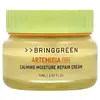 Key Ingredients
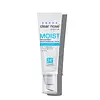
Benefits
Concerns
Ingredients Side-by-side
Artemisia Capillaris Extract
Water
Skin ConditioningGlycerin
Humectant



Propanediol
Solvent
Hydrogenated Poly(C6-14 Olefin)
Emollient1,2-Hexanediol
Skin Conditioning
Polyglyceryl-6 Distearate
Emulsifying
Cetearyl Alcohol
Emollient


Cyclohexasiloxane
Emollient
Propylheptyl Caprylate
EmollientLaminaria Japonica Extract
Skin Protecting

Eclipta Prostrata Leaf Extract
Skin ConditioningPhellodendron Amurense Bark Extract
Skin ConditioningTheobroma Cacao Seed Extract
Antioxidant
Pelargonium Graveolens Flower Oil
Masking



Macadamia Ternifolia Seed Oil
Emollient
Hydrogenated Lecithin
Emulsifying
Salvia Officinalis Oil
Masking
Pogostemon Cablin Leaf Oil
Masking
Citrus Aurantium Bergamia Fruit Oil
Masking
Ammonium Acryloyldimethyltaurate/Vp Copolymer
Candelilla/Jojoba/Rice Bran Polyglyceryl-3 Esters
Emulsifying
Glyceryl Stearate
Emollient
Behenyl Alcohol
Emollient
Ceramide NP
Skin Conditioning

Sodium Stearoyl Glutamate
CleansingXanthan Gum
EmulsifyingCarbomer
Emulsion StabilisingFructooligosaccharides
Humectant
Glyceryl Polymethacrylate
Candida Bombicola/Glucose/Methyl Rapeseedate Ferment
AntimicrobialPolyglyceryl-10 Stearate
Skin Conditioning
Beta-Glucan
Skin Conditioning
Dextrin
AbsorbentEctoin
Skin Conditioning
Hydrolyzed Hyaluronic Acid
Humectant
Hydroxyacetophenone
Antioxidant
Ethylhexylglycerin
Skin ConditioningCitronellol
Perfuming
Geraniol
Perfuming
Linalool
Perfuming

Artemisia Capillaris Extract, Water, Glycerin, Propanediol, Hydrogenated Poly(C6-14 Olefin), 1,2-Hexanediol, Polyglyceryl-6 Distearate, Cetearyl Alcohol, Cyclohexasiloxane, Propylheptyl Caprylate, Laminaria Japonica Extract, Eclipta Prostrata Leaf Extract, Phellodendron Amurense Bark Extract, Theobroma Cacao Seed Extract, Pelargonium Graveolens Flower Oil, Macadamia Ternifolia Seed Oil, Hydrogenated Lecithin, Salvia Officinalis Oil, Pogostemon Cablin Leaf Oil, Citrus Aurantium Bergamia Fruit Oil, Ammonium Acryloyldimethyltaurate/Vp Copolymer, Candelilla/Jojoba/Rice Bran Polyglyceryl-3 Esters, Glyceryl Stearate, Behenyl Alcohol, Ceramide NP, Sodium Stearoyl Glutamate, Xanthan Gum, Carbomer, Fructooligosaccharides, Glyceryl Polymethacrylate, Candida Bombicola/Glucose/Methyl Rapeseedate Ferment, Polyglyceryl-10 Stearate, Beta-Glucan, Dextrin, Ectoin, Hydrolyzed Hyaluronic Acid, Hydroxyacetophenone, Ethylhexylglycerin, Citronellol, Geraniol, Linalool
Water
Skin ConditioningPropanediol
Solvent
Glycerin
Humectant
Caprylic/Capric Triglyceride
Masking
Cetearyl Olivate
Niacinamide
Smoothing




Caprylyl Glycol
Emollient
Ceramide NP
Skin Conditioning
Ceramide AP
Skin Conditioning
Phytosphingosine
Skin Conditioning
Panthenol
Skin Conditioning
Ceramide EOP
Skin Conditioning
Squalane
Emollient
Cholesterol
Emollient
C13-14 Isoparaffin
Emollient
Cetyl Palmitate
Emollient
Propylene Glycol
Humectant
Hydrolyzed Sodium Hyaluronate
Skin Conditioning
Hydrolyzed Hyaluronic Acid
Humectant
Sodium Hyaluronate
Humectant
Sodium Acetylated Hyaluronate
Humectant
Melaleuca Alternifolia Leaf Extract
Perfuming
Hamamelis Virginiana Leaf Extract
Skin Conditioning
Hyaluronic Acid
Humectant
Potassium Hydroxide
Buffering1,2-Hexanediol
Skin Conditioning
Lactic Acid
Buffering

Vitis Vinifera Seed Oil
Emollient
Ethylhexylglycerin
Skin ConditioningTocopheryl Acetate
Antioxidant
Polyacrylamide
Laureth-7
EmulsifyingCeteareth-12
EmulsifyingSorbitan Olivate
Emulsifying
Butylene Glycol
Humectant
Glucose
Humectant
Disodium EDTA
Cetearyl Alcohol
Emollient
Hydroxypropyltrimonium Hyaluronate
Potassium Cetyl Phosphate
EmulsifyingSodium Lauroyl Lactylate
EmulsifyingAcrylates/C10-30 Alkyl Acrylate Crosspolymer
Emulsion StabilisingMyristyl Myristate
Emollient
Xanthan Gum
EmulsifyingGlyceryl Stearate
Emollient
Ceteareth-20
Cleansing
Carbomer
Emulsion StabilisingPhenoxyethanol
Preservative
Chlorphenesin
Antimicrobial
Sodium Benzoate
Masking
Potassium Sorbate
Preservative
Sodium Hyaluronate Crosspolymer
Humectant
Potassium Hyaluronate
Skin ConditioningChondrus Crispus Extract
Skin Conditioning
Sophora Japonica Flower Extract
Skin ProtectingWater, Propanediol, Glycerin, Caprylic/Capric Triglyceride, Cetearyl Olivate, Niacinamide, Caprylyl Glycol, Ceramide NP, Ceramide AP, Phytosphingosine, Panthenol, Ceramide EOP, Squalane, Cholesterol, C13-14 Isoparaffin, Cetyl Palmitate, Propylene Glycol, Hydrolyzed Sodium Hyaluronate, Hydrolyzed Hyaluronic Acid, Sodium Hyaluronate, Sodium Acetylated Hyaluronate, Melaleuca Alternifolia Leaf Extract, Hamamelis Virginiana Leaf Extract, Hyaluronic Acid, Potassium Hydroxide, 1,2-Hexanediol, Lactic Acid, Vitis Vinifera Seed Oil, Ethylhexylglycerin, Tocopheryl Acetate, Polyacrylamide, Laureth-7, Ceteareth-12, Sorbitan Olivate, Butylene Glycol, Glucose, Disodium EDTA, Cetearyl Alcohol, Hydroxypropyltrimonium Hyaluronate, Potassium Cetyl Phosphate, Sodium Lauroyl Lactylate, Acrylates/C10-30 Alkyl Acrylate Crosspolymer, Myristyl Myristate, Xanthan Gum, Glyceryl Stearate, Ceteareth-20, Carbomer, Phenoxyethanol, Chlorphenesin, Sodium Benzoate, Potassium Sorbate, Sodium Hyaluronate Crosspolymer, Potassium Hyaluronate, Chondrus Crispus Extract, Sophora Japonica Flower Extract
Reviews
Ingredients Explained
These ingredients are found in both products.
Ingredients higher up in an ingredient list are typically present in a larger amount.
1,2-Hexanediol is a synthetic liquid and another multi-functional powerhouse.
It is a:
- Humectant, drawing moisture into the skin
- Emollient, helping to soften skin
- Solvent, dispersing and stabilizing formulas
- Preservative booster, enhancing the antimicrobial activity of other preservatives
Carbomer is a polymer of acrylic acid. Its main role is to create a gel consistency.
A high amount of carbomer can cause pilling or balling up of products. Don't worry, most products contain 1% or less of carbomer.
Ceramide NP is a type of ceramide and formally known as ceramide 3.
Ceramides are intercellular lipids naturally found in our skin that bonds dead skin cells together to create a barrier. They are known for their ability to hold water and thus are a great ingredient for dry skin.
Ceramides are an important building block for our skin barrier. A stronger barrier helps the skin look more firm and hydrated. By bolstering the skin ceramides act as a barrier against irritating ingredients. This can help with inflammation as well.
If you would like to eat ceramides, sweet potatoes contain a small amount.
Read more about other common types of ceramides here:
Ceramide AP
Ceramide EOP
Cetearyl alcohol is a mixture of two fatty alcohols: cetyl alcohol and stearyl alcohol. It is mainly used as an emulsifier. Emulsifiers help prevent the separation of oils and products. Due to its composition, it can also be used to thicken a product or help create foam.
Cetearyl alcohol is an emollient. Emollients help soothe and hydrate the skin by trapping moisture.
Studies show Cetearyl alcohol is non-toxic and non-irritating. The FDA allows products labeled "alcohol-free" to have fatty alcohols.
This ingredient is usually derived from plant oils such as palm, vegetable, or coconut oils. There is debate on whether this ingredient will cause acne.
Due to the fatty acid base, this ingredient may not be Malassezia folliculitis safe.
Learn more about Cetearyl AlcoholEthylhexylglycerin (we can't pronounce this either) is commonly used as a preservative and skin softener. It is derived from glyceryl.
You might see Ethylhexylglycerin often paired with other preservatives such as phenoxyethanol. Ethylhexylglycerin has been found to increase the effectiveness of these other preservatives.
Glycerin is already naturally found in your skin. It helps moisturize and protect your skin.
A study from 2016 found glycerin to be more effective as a humectant than AHAs and hyaluronic acid.
As a humectant, it helps the skin stay hydrated by pulling moisture to your skin. The low molecular weight of glycerin allows it to pull moisture into the deeper layers of your skin.
Hydrated skin improves your skin barrier; Your skin barrier helps protect against irritants and bacteria.
Glycerin has also been found to have antimicrobial and antiviral properties. Due to these properties, glycerin is often used in wound and burn treatments.
In cosmetics, glycerin is usually derived from plants such as soybean or palm. However, it can also be sourced from animals, such as tallow or animal fat.
This ingredient is organic, colorless, odorless, and non-toxic.
Glycerin is the name for this ingredient in American English. British English uses Glycerol/Glycerine.
Learn more about GlycerinGlyceryl Stearate is a mix of glycerin and stearic acid.
It is used to stabilize the mixing of water and oil ingredients. By preventing these ingredients from separating, it can help elongate shelf life. It can also help thicken the product's texture.
As an emollient, it helps soften skin and supports barrier-replenishing ingredients.
In cosmetics, Glyceryl Stearate is often made from vegetable oils or synthetically produced.
This ingredient may not be fungal-acne safe
Fun fact: The human body also creates Glyceryl Stearate naturally.
Learn more about Glyceryl StearateHydrolyzed Hyaluronic Acid is a form of hyaluronic acid. It is created by the hydrolysis of hyaluronic acid with a high molecular weight. Once created, Hydrolyzed Hyaluronic Acid has a low molecular weight.
Low molecular weight HA has been shown to hydrate and increase elasticity of the skin. Increasing elasticity is also associated with reduction of wrinkle depth.
One study found topical low molecular weight hyaluronic acid may be considered for the treatment of rosacea in the adult population. However, we always recommend speaking with a professional about your skin concerns.
Hyaluronic acids are a humectant. This means they draw moisture from the air. Hyaluronic acids help moisturize, soothe, and protect the skin.
Read more about other common forms of hyaluronic acid:
Learn more about Hydrolyzed Hyaluronic AcidPropanediol is an all-star ingredient. It softens, hydrates, and smooths the skin.
It’s often used to:
Propanediol is not likely to cause sensitivity and considered safe to use. It is derived from corn or petroleum with a clear color and no scent.
Learn more about PropanediolWater. It's the most common cosmetic ingredient of all. You'll usually see it at the top of ingredient lists, meaning that it makes up the largest part of the product.
So why is it so popular? Water most often acts as a solvent - this means that it helps dissolve other ingredients into the formulation.
You'll also recognize water as that liquid we all need to stay alive. If you see this, drink a glass of water. Stay hydrated!
Learn more about WaterXanthan gum is used as a stabilizer and thickener within cosmetic products. It helps give products a sticky, thick feeling - preventing them from being too runny.
On the technical side of things, xanthan gum is a polysaccharide - a combination consisting of multiple sugar molecules bonded together.
Xanthan gum is a pretty common and great ingredient. It is a natural, non-toxic, non-irritating ingredient that is also commonly used in food products.
Learn more about Xanthan Gum
