BOH Bio Heal Probioderm 3D Lifting Eye & Wrinkle Cream Versus Dr.Melaxin Eyephalt Retinol Eyebag Cream
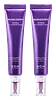
This anti-aging eye moisturizer is formulated around Lactobacillus Ferment Lysate and Lactobacillus Ferment to soften the look of wrinkles.
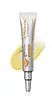
This anti-aging eye moisturizer is formulated around Niacinamide and Retinol to soften the look of wrinkles and refine skin texture.

What's inside
What's inside
 Key Ingredients
Benefits
Concerns
Ingredients Side-by-side
Water
Skin ConditioningLactobacillus Ferment Lysate
Skin Conditioning
Glycerin
Humectant


Caprylic/Capric Triglyceride
Masking
Diisostearyl Malate
EmollientCetearyl Alcohol
Emollient





Cetearyl Olivate
Lactobacillus Ferment
Skin Conditioning
Fructooligosaccharides
Humectant
Fructan
Skin ConditioningInulin
Skin Conditioning
Panthenol
Skin Conditioning
Betaine
Humectant
Beta-Glucan
Skin Conditioning
Adenosine
Skin Conditioning
Saponins
CleansingSoluble Proteoglycan
Skin ConditioningAcetyl Tetrapeptide-5
Humectant
Nonapeptide-1
Skin Conditioning
Acetyl Tetrapeptide-9
Skin Conditioning
Acetyl Hexapeptide-1
Skin Conditioning
Acetyl Hexapeptide-8
Humectant
Palmitoyl Tripeptide-8
Skin Conditioning
Dipeptide Diaminobutyroyl Benzylamide Diacetate
Skin Conditioning
Copper Tripeptide-1
Skin Conditioning
Tripeptide-1
Skin Conditioning
Palmitoyl Tetrapeptide-7
Skin Conditioning
Palmitoyl Tripeptide-1
Skin Conditioning
Palmitoyl Tripeptide-5
Skin Conditioning
Palmitoyl Pentapeptide-4
Skin Conditioning
Palmitoyl Hexapeptide-12
Skin Conditioning
Pentapeptide-3
Skin Conditioning
Hexapeptide-9
Skin Conditioning
Oligopeptide-2
Skin Conditioning
Laminaria Japonica Extract
Skin Protecting
Eclipta Prostrata Leaf Extract
Skin ConditioningMalt Extract
Skin ProtectingElaeis Guineensis Oil
Emollient
Hydrogenated Lecithin
Emulsifying
Polyglycerin-3
Humectant
Polymethylsilsesquioxane

Phytosteryl/Behenyl/Octyldodecyl Lauroyl Glutamate
Skin ConditioningSorbitan Olivate
Emulsifying
Stearyl Dimethicone
Emollient
1,2-Hexanediol
Skin Conditioning
Butylene Glycol
Humectant
Vinyldimethicone
Ammonium Acryloyldimethyltaurate/Vp Copolymer
Hydroxyethyl Acrylate/Sodium Acryloyldimethyl Taurate Copolymer
Emulsion StabilisingDimethicone/Vinyl Dimethicone Crosspolymer
Skin Conditioning
Hydroxyacetophenone
Antioxidant
Octadecene
SolventEuphorbia Cerifera Wax
Dipropylene Glycol
HumectantPolyacrylate-13
Ethylhexylglycerin
Skin ConditioningXanthan Gum
EmulsifyingGlyceryl Acrylate/Acrylic Acid Copolymer
HumectantHydrogenated Polyisobutene
EmollientSorbitan Isostearate
Emulsifying
Polyglyceryl-10 Myristate
Skin Conditioning
Disodium EDTA
ChelatingPolyglyceryl-10 Laurate
Skin Conditioning
Ethylhexyl Palmitate
Emollient
Hydrolyzed Hyaluronic Acid
Humectant
Cyanocobalamin
Skin ConditioningArginine
Masking
Carbomer
Emulsion StabilisingMaltodextrin
Absorbent
Tocopherol
Antioxidant


Propanediol
Solvent
Sodium Phosphate
BufferingCaprylyl Glycol
Emollient
Algin
MaskingBiosaccharide Gum-4
Skin Conditioning
Dextran
Mineral Salts
Skin ConditioningDisodium Phosphate
BufferingParfum
Masking


Water, Lactobacillus Ferment Lysate, Glycerin, Caprylic/Capric Triglyceride, Diisostearyl Malate, Cetearyl Alcohol, Cetearyl Olivate, Lactobacillus Ferment, Fructooligosaccharides, Fructan, Inulin, Panthenol, Betaine, Beta-Glucan, Adenosine, Saponins, Soluble Proteoglycan, Acetyl Tetrapeptide-5, Nonapeptide-1, Acetyl Tetrapeptide-9, Acetyl Hexapeptide-1, Acetyl Hexapeptide-8, Palmitoyl Tripeptide-8, Dipeptide Diaminobutyroyl Benzylamide Diacetate, Copper Tripeptide-1, Tripeptide-1, Palmitoyl Tetrapeptide-7, Palmitoyl Tripeptide-1, Palmitoyl Tripeptide-5, Palmitoyl Pentapeptide-4, Palmitoyl Hexapeptide-12, Pentapeptide-3, Hexapeptide-9, Oligopeptide-2, Laminaria Japonica Extract, Eclipta Prostrata Leaf Extract, Malt Extract, Elaeis Guineensis Oil, Hydrogenated Lecithin, Polyglycerin-3, Polymethylsilsesquioxane, Phytosteryl/Behenyl/Octyldodecyl Lauroyl Glutamate, Sorbitan Olivate, Stearyl Dimethicone, 1,2-Hexanediol, Butylene Glycol, Vinyldimethicone, Ammonium Acryloyldimethyltaurate/Vp Copolymer, Hydroxyethyl Acrylate/Sodium Acryloyldimethyl Taurate Copolymer, Dimethicone/Vinyl Dimethicone Crosspolymer, Hydroxyacetophenone, Octadecene, Euphorbia Cerifera Wax, Dipropylene Glycol, Polyacrylate-13, Ethylhexylglycerin, Xanthan Gum, Glyceryl Acrylate/Acrylic Acid Copolymer, Hydrogenated Polyisobutene, Sorbitan Isostearate, Polyglyceryl-10 Myristate, Disodium EDTA, Polyglyceryl-10 Laurate, Ethylhexyl Palmitate, Hydrolyzed Hyaluronic Acid, Cyanocobalamin, Arginine, Carbomer, Maltodextrin, Tocopherol, Propanediol, Sodium Phosphate, Caprylyl Glycol, Algin, Biosaccharide Gum-4, Dextran, Mineral Salts, Disodium Phosphate, Parfum
Water
Skin ConditioningTrimethylpentanediol/Adipic Acid/Glycerin Crosspolymer
Skin ConditioningGlycerin
Humectant
Dimethicone
Emollient
Niacinamide
Smoothing


Dimethicone/Vinyl Dimethicone Crosspolymer
Skin Conditioning
1,2-Hexanediol
Skin Conditioning
Vp/Va Copolymer
Sodium Acrylate/Sodium Acryloyldimethyl Taurate Copolymer
Emulsion StabilisingIsohexadecane
EmollientHydroxypropyl Methylcellulose
Emulsion StabilisingAmodimethicone
Polysorbate 80
Emulsifying
Butylene Glycol
Humectant
Canola Oil
Emollient
Caprylyl Glycol
Emollient
Sorbitan Oleate
Emulsifying
Ethylhexylglycerin
Skin ConditioningC12-14 Sec-Alketh-5
EmulsifyingAdenosine
Skin Conditioning
Illicium Verum Fruit Extract
Perfuming
Pentylene Glycol
Skin Conditioning
Macadamia Integrifolia Seed Oil
Skin Conditioning
Caprylic/Capric Triglyceride
Masking
Hydrogenated Phosphatidylcholine
Emulsifying
Retinol
Skin Conditioning
Propylene Glycol
Humectant
Polysorbate 20
Emulsifying
Alcohol
Antimicrobial

PEG-5 Rapeseed Sterol
Cleansing
Brassica Alcohol
Emollient
Ceteareth-5
EmulsifyingCeteareth-3
EmulsifyingPotassium Cetyl Phosphate
EmulsifyingBHT
Antioxidant
Cholesterol
Emollient
Daucus Carota Sativa Seed Oil
Emollient
Lecithin
Emollient
Sodium Phosphate
BufferingSh-Oligopeptide-1
Skin Conditioning
Hydrolyzed Sponge
Skin ConditioningTocopheryl Acetate
Antioxidant
Helianthus Annuus Seed Oil
Emollient
Daucus Carota Sativa Root Extract
Skin Conditioning
Beta-Carotene
Skin ConditioningSoluble Collagen
Humectant
Caffeine
Skin Conditioning
Sodium Hyaluronate
Humectant
Hydroxypropyltrimonium Hyaluronate
Sodium Acetylated Hyaluronate
Humectant
Hydrolyzed Hyaluronic Acid
Humectant
Hyaluronic Acid
Humectant
Sodium Hyaluronate Crosspolymer
Humectant
Hydrolyzed Sodium Hyaluronate
Skin Conditioning
Potassium Hyaluronate
Skin ConditioningDisodium EDTA
ChelatingParfum
Masking
Coumarin
Perfuming
Linalool
Perfuming
Water, Trimethylpentanediol/Adipic Acid/Glycerin Crosspolymer, Glycerin, Dimethicone, Niacinamide, Dimethicone/Vinyl Dimethicone Crosspolymer, 1,2-Hexanediol, Vp/Va Copolymer, Sodium Acrylate/Sodium Acryloyldimethyl Taurate Copolymer, Isohexadecane, Hydroxypropyl Methylcellulose, Amodimethicone, Polysorbate 80, Butylene Glycol, Canola Oil, Caprylyl Glycol, Sorbitan Oleate, Ethylhexylglycerin, C12-14 Sec-Alketh-5, Adenosine, Illicium Verum Fruit Extract, Pentylene Glycol, Macadamia Integrifolia Seed Oil, Caprylic/Capric Triglyceride, Hydrogenated Phosphatidylcholine, Retinol, Propylene Glycol, Polysorbate 20, Alcohol, PEG-5 Rapeseed Sterol, Brassica Alcohol, Ceteareth-5, Ceteareth-3, Potassium Cetyl Phosphate, BHT, Cholesterol, Daucus Carota Sativa Seed Oil, Lecithin, Sodium Phosphate, Sh-Oligopeptide-1, Hydrolyzed Sponge, Tocopheryl Acetate, Helianthus Annuus Seed Oil, Daucus Carota Sativa Root Extract, Beta-Carotene, Soluble Collagen, Caffeine, Sodium Hyaluronate, Hydroxypropyltrimonium Hyaluronate, Sodium Acetylated Hyaluronate, Hydrolyzed Hyaluronic Acid, Hyaluronic Acid, Sodium Hyaluronate Crosspolymer, Hydrolyzed Sodium Hyaluronate, Potassium Hyaluronate, Disodium EDTA, Parfum, Coumarin, Linalool
Reviews
Ingredients Explained
These ingredients are found in both products.
Ingredients higher up in an ingredient list are typically present in a larger amount.
1,2-Hexanediol is a synthetic liquid and another multi-functional powerhouse.
It is a:
- Humectant, drawing moisture into the skin
- Emollient, helping to soften skin
- Solvent, dispersing and stabilizing formulas
- Preservative booster, enhancing the antimicrobial activity of other preservatives
Adenosine is a purine nucleoside that your body already makes in every cell. In skincare, it acts mainly as a skin conditioning and anti-aging agent.
The way it works is fairly well mapped out:
Your skin has cells called fibroblasts that build collagen (the stuff that keeps skin firm and smooth). Adenosine basically flips a switch on these cells that tells them to get to work making more collagen and other proteins. These cells slow down on their own as skin ages, so Adenosine helps give them a little nudge to keep going.
The clinical backing is pretty solid too.
A blind, randomized, placebo-controlled trial of 126 women aged 45-65 tested a 0.1% cream twice daily and found real improvements in crow's feet and frown lines using a precise 3D skin-mapping technique; these changes showed up by week 3 and held at 2 months.
A later study using Adenosine-loaded dissolving microneedle patches reported gains in wrinkle depth, dermal density, elasticity, and hydration.
On concentrations, South Korea's Ministry of Food and Drug Safety has set 0.04% as the approved functional anti-wrinkle level. You'll typically see this ingredient used somewhere in the 0.04-0.1% range since it works at low doses.
This ingredient has been found safe for cosmetics with the data showing no irritation or sensitization.
Overall, this is a great ingredient for any anti-aging routine and has no photosensitizing effect, so it suits both AM and PM use.
Learn more about AdenosineButylene Glycol (or BG) is used within cosmetic products for a few different reasons:
Overall, Butylene Glycol is a safe and well-rounded ingredient that works well with other ingredients.
Though this ingredient works well with most skin types, some people with sensitive skin may experience a reaction such as allergic rashes, closed comedones, or itchiness.
Learn more about Butylene GlycolCaprylic/Capric Triglyceride (aka MCT Oil) is a lightweight emollient, solvent, and texture enhancer. It is considered a skin-softener by helping to prevent moisture loss.
Though it behaves like an oil, it is not technically one due to its chemical composition. One perk of this ingredient is that it is very stable, resistant to oxidation, and unlikely to go rancid.
In practice, that translates to a long shelf life and a consistently elegant skin feel.
While there is an assumption Caprylic Triglyceride can clog pores due to it being derived from coconut oil, there is no research supporting this. Just patch test if you have concerns.
Fractionated coconut oil and MCT Oil are both listed as Caprylic/Capric Triglyceride according to INCI. This is because INCI names are based on the ingredient’s final chemical composition and not its marketing name or source.
This ingredient is treated as the gold standard fungal acne safe oil. Even though it is coconut derived, the problematic lauric acid is stripped out.
This leaves just caprylic (C8) and capric (C10) acid. These chain lengths actually trend antifungal; a 2020 study found caprylic acid was enough to disrupt Malassezia furfur cell membrane, with a caprylic acid derivative damaging membrane structures at concentrations as low as 0.2%.
Learn more about Caprylic/Capric TriglycerideCaprylyl Glycol is a humectant, skin conditioner, emollient, and preservative booster derived from either caprylic acid or synthetically created.
Typical use levels vary from 0.3-1% as a preservative booster and go up to 2% to condition skin.
Because it is not a free-fatty acid, this ingredient is fungal acne safe (there's nothing for Malassezia to feed on).
Learn more about Caprylyl GlycolThis ingredient is a silicone elastomer that works as a texture enhancer, adds a silky slip, and also helps absorb excess oil.
Because it's a large macromolecule that's insoluble in water and chemically inert, it's not expected to penetrate or be absorbed into skin.
Human patch tests with a facial lotion containing 1% of this ingredient found no sensitization.
Learn more about Dimethicone/Vinyl Dimethicone CrosspolymerDisodium EDTA is a chelating agent. It grabs onto and deactivates metal ions that sneak into your products from water, packaging, or air.
This ingredient mainly works behind the scenes and helps with:
On top of that, this ingredient can counteract the effects of hard water by binding to the minerals in it.
One thing worth knowing is that Disodium EDTA has been shown to be a mild penetration enhancer. It can help other ingredients absorb into skin more effectively which can be a double-edged sword (great for actives, but can also make the active too strong if you have sensitive skin).
Clinical patch testing showed no significant skin irritation at typical use concentrations and minimal dermal absorption.
You'll most likely see this ingredient near the end of an ingredient list. It's typically found in concentrations less than 1%.
Learn more about Disodium EDTAEthylhexylglycerin is created from glycerin. It is a multitasker ingredient that:
The CIR Expert Panel found minimal skin absorption or sensitization of any kind in a safety assessment. Though this ingredient is considered well-tolerated, a small number of cases of allergic dermatitis have been published since 2002. Just be sure to patch test if you are unsure.
Industry-reported use ranges from 8% in rinse-off products and 2% in leave-on formulations.
Learn more about EthylhexylglycerinGlycerin (or glycerol) is a compound naturally found in your skin. It's a powerhouse humectant that pulls water into the stratum corneum.
Topically, glycerin does several things at once:
Your skin makes glycerin on its own (mostly from sebaceous oil breakdown) and shuttles it to your outermost layer of skin, or your epidermis, via aquaporin-3.
Aquaporin-3 is a transporter that is essential for normal skin hydration, elasticity, and repair. Interestingly, mice lacking in AQP3 have dry and less elastic skin that can be fully corrected with glycerin.
This ingredient is non-irritating, plays well with almost every ingredient, and works across all skin types. Typical use is anywhere between 3-10% but can go up to 79% in some leave-on products.
Just know very high concentrations (>40%) can feel tacky in low humidity.
Glycerin is the name for this ingredient in American English. British English uses Glycerol/Glycerine.
Learn more about GlycerinHydrolyzed Hyaluronic Acid is hyaluronic acid (HA) that is broken down into lower molecular weight fragments.
It's a humectant that pulls and holds water in the skin to help with hydration, plumpness, and reduce transepidermal water loss.
Because hydrolyzed hyaluronic acid is smaller in size, it can slip past your outermost layer of skin more easily than full-sized HA.
Most formulations will combine all sizes to get the best of both worlds.
Typical usage levels range from 0.01-1%. Any percentage higher than 2% might become goopy and tacky.
Learn more about Hydrolyzed Hyaluronic AcidParfum is a catch-all term for an ingredient or more that is used to give a scent to products.
Also called "fragrance", this ingredient can be a blend of hundreds of chemicals or plant oils. This means every product with "fragrance" or "parfum" in the ingredients list is a different mixture.
For instance, Habanolide is a proprietary trade name for a specific aroma chemical. When used as a fragrance ingredient in cosmetics, most aroma chemicals fall under the broad labeling category of “FRAGRANCE” or “PARFUM” according to EU and US regulations.
The term 'parfum' or 'fragrance' is not regulated in many countries. In many cases, it is up to the brand to define this term.
For instance, many brands choose to label themselves as "fragrance-free" because they are not using synthetic fragrances. However, their products may still contain ingredients such as essential oils that are considered a fragrance by INCI standards.
One example is Calendula flower extract. Calendula is an essential oil that still imparts a scent or 'fragrance'.
Depending on the blend, the ingredients in the mixture can cause allergies and sensitivities on the skin. Some ingredients that are known EU allergens include linalool and citronellol.
Parfum can also be used to mask or cover an unpleasant scent.
The bottom line is: not all fragrances/parfum/ingredients are created equally. If you are worried about fragrances, we recommend taking a closer look at an ingredient. And of course, we always recommend speaking with a professional.
Learn more about ParfumSodium Phosphate is is behind-the-scenes formulation helper. Its main job is buffering, or locking in the product's pH.
This helps ensure the formula stays at its intended acidity through manufacturing, shipping, and sitting on your shelf. Many active ingredients like vitamin C or retinoids are pH sensitive so maintaining their happy pH range matters.
It is synthetic and reported use concentrations are very low (up to 0.086% in face powders).
Learn more about Sodium PhosphateWater. It's the most common cosmetic ingredient of all. You'll usually see it at the top of ingredient lists, meaning that it makes up the largest part of the product.
So why is it so popular? Water most often acts as a solvent - this means that it helps dissolve other ingredients into the formulation.
You'll also recognize water as that liquid we all need to stay alive. If you see this, drink a glass of water. Remember to stay hydrated!
Learn more about Water

