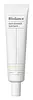
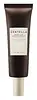
Biodance Skin Barrier Sun Safe SPF 50+ Versus SKIN1004 Madagascar Centella Probio-Cica Glow Sun Ampoule SPF50+ PA++++
This hybrid sunscreen covers the full UV range and blocks ~98% of UVB at SPF 50.
This chemical sunscreen covers the full UV range and blocks ~98% of UVB at SPF 50.

What's inside
What's inside
 Key Ingredients
Benefits
Concerns
Ingredients Side-by-side
Water
Skin ConditioningZinc Oxide
Cosmetic Colorant


Caprylyl Methicone
Skin Conditioning
Caprylic/Capric Triglyceride
Masking


Titanium Dioxide
Cosmetic Colorant
Diphenylsiloxy Phenyl Trimethicone
Skin Conditioning
Butyloctyl Salicylate
Skin Conditioning
Butylene Glycol
Humectant
Isohexadecane
EmollientGlycerin
Humectant
Methylpropanediol
SolventPolyglyceryl-4 Diisostearate/Polyhydroxystearate/Sebacate
Emulsifying

Polymethylsilsesquioxane
Polyglyceryl-3 Oleate
Emulsifying
Aluminum Hydroxide
EmollientStearic Acid
Cleansing
Diisostearoyl Polyglyceryl-3 Dimer Dilinoleate
Emollient
Hydrogen Dimethicone
Caprylyl Glycol
Emollient
Hydroxyacetophenone
Antioxidant
Pentylene Glycol
Skin Conditioning
Sodium Methyl Stearoyl Taurate
CleansingMentha Arvensis Leaf Oil
Masking

Triethoxycaprylylsilane
Trehalose
Humectant
Barosma Betulina Leaf Extract
Perfuming
Dipropylene Glycol
HumectantSodium PCA
Humectant
Ethylhexylglycerin
Skin ConditioningRosa Damascena Flower Water
Masking
Disodium EDTA
Xanthan Gum
EmulsifyingTocopherol
Antioxidant


Macadamia Ternifolia Seed Oil
Emollient
Lactobacillus Ferment Lysate
Skin Conditioning
Bifida Ferment Lysate
Skin Conditioning
Streptococcus Thermophilus Ferment
Humectant
1,2-Hexanediol
Skin Conditioning
Polyglyceryl-10 Myristate
Skin Conditioning
Brassica Campestris Sterols
EmollientCholesterol
Emollient
Phytosteryl/Behenyl/Octyldodecyl Lauroyl Glutamate
Skin ConditioningHydrogenated Lecithin
Emulsifying
Sodium Hyaluronate
Humectant
Polyglyceryl-10 Oleate
Skin Conditioning
Ceramide NP
Skin Conditioning
Cetyl Ethylhexanoate
EmollientButyrospermum Parkii Butter
Skin Conditioning

Ethylhexyl Palmitate
Emollient
Potassium Cetyl Phosphate
EmulsifyingHydroxypropyltrimonium Hyaluronate
Hydrolyzed Hyaluronic Acid
Humectant
Sodium Hyaluronate Crosspolymer
Humectant
Ceramide Ns
Skin Conditioning
Sodium Acetylated Hyaluronate
Humectant
Ceramide EOP
Skin Conditioning
Water, Zinc Oxide, Caprylyl Methicone, Caprylic/Capric Triglyceride, Titanium Dioxide, Diphenylsiloxy Phenyl Trimethicone, Butyloctyl Salicylate, Butylene Glycol, Isohexadecane, Glycerin, Methylpropanediol, Polyglyceryl-4 Diisostearate/Polyhydroxystearate/Sebacate, Polymethylsilsesquioxane, Polyglyceryl-3 Oleate, Aluminum Hydroxide, Stearic Acid, Diisostearoyl Polyglyceryl-3 Dimer Dilinoleate, Hydrogen Dimethicone, Caprylyl Glycol, Hydroxyacetophenone, Pentylene Glycol, Sodium Methyl Stearoyl Taurate, Mentha Arvensis Leaf Oil, Triethoxycaprylylsilane, Trehalose, Barosma Betulina Leaf Extract, Dipropylene Glycol, Sodium PCA, Ethylhexylglycerin, Rosa Damascena Flower Water, Disodium EDTA, Xanthan Gum, Tocopherol, Macadamia Ternifolia Seed Oil, Lactobacillus Ferment Lysate, Bifida Ferment Lysate, Streptococcus Thermophilus Ferment, 1,2-Hexanediol, Polyglyceryl-10 Myristate, Brassica Campestris Sterols, Cholesterol, Phytosteryl/Behenyl/Octyldodecyl Lauroyl Glutamate, Hydrogenated Lecithin, Sodium Hyaluronate, Polyglyceryl-10 Oleate, Ceramide NP, Cetyl Ethylhexanoate, Butyrospermum Parkii Butter, Ethylhexyl Palmitate, Potassium Cetyl Phosphate, Hydroxypropyltrimonium Hyaluronate, Hydrolyzed Hyaluronic Acid, Sodium Hyaluronate Crosspolymer, Ceramide Ns, Sodium Acetylated Hyaluronate, Ceramide EOP
Water
Skin ConditioningDibutyl Adipate
EmollientButyloctyl Salicylate
Skin Conditioning
Ethylhexyl Triazone
UV Absorber
Diethylamino Hydroxybenzoyl Hexyl Benzoate
UV Filter
Propanediol
Solvent
Niacinamide
Smoothing



Bis-Ethylhexyloxyphenol Methoxyphenyl Triazine
UV Absorber
Terephthalylidene Dicamphor Sulfonic Acid
UV Absorber
1,2-Hexanediol
Skin Conditioning
Poly C10-30 Alkyl Acrylate
Emulsion StabilisingGlycerin
Humectant
Tromethamine
BufferingPanthenol
Skin Conditioning
Vp/Hexadecene Copolymer
Sodium Polyacryloyldimethyl Taurate
Emulsion StabilisingPolyglyceryl-3 Distearate
Emulsifying
Sodium Acrylate/Sodium Acryloyldimethyl Taurate Copolymer
Emulsion StabilisingHydrogenated Poly(C6-14 Olefin)
EmollientCentella Asiatica Extract
Cleansing
Betaine
Humectant
Hydroxypropyl Methylcellulose Stearoxy Ether
Ammonium Polyacryloyldimethyl Taurate
Emulsion StabilisingEthylhexylglycerin
Skin ConditioningAdenosine
Skin Conditioning
Glyceryl Stearate Citrate
Emollient
Laminaria Japonica Extract
Skin Protecting
Ulmus Davidiana Root Extract
Skin Conditioning
Aloe Barbadensis Leaf Extract
Emollient
Viola Tricolor Extract
EmollientDioscorea Japonica Root Extract
Skin Conditioning
Lauryl Glucoside
CleansingButylene Glycol
Humectant
T-Butyl Alcohol
Perfuming


Caprylic/Capric Triglyceride
Masking
Hydrogenated Lecithin
Emulsifying
Macadamia Integrifolia Seed Oil
Skin Conditioning
Hydroxystearic Acid
Cleansing
Ceramide NP
Skin Conditioning
Lactobacillus Ferment
Skin Conditioning
Madecassic Acid
Skin Conditioning
Asiaticoside
Antioxidant
Polyglyceryl-10 Myristate
Skin Conditioning
Phytosphingosine
Skin Conditioning
Asiatic Acid
Skin Conditioning
Sucrose Distearate
Emollient
Lauric Acid
Cleansing
Phytosterols
Skin Conditioning
Water, Dibutyl Adipate, Butyloctyl Salicylate, Ethylhexyl Triazone, Diethylamino Hydroxybenzoyl Hexyl Benzoate, Propanediol, Niacinamide, Bis-Ethylhexyloxyphenol Methoxyphenyl Triazine, Terephthalylidene Dicamphor Sulfonic Acid, 1,2-Hexanediol, Poly C10-30 Alkyl Acrylate, Glycerin, Tromethamine, Panthenol, Vp/Hexadecene Copolymer, Sodium Polyacryloyldimethyl Taurate, Polyglyceryl-3 Distearate, Sodium Acrylate/Sodium Acryloyldimethyl Taurate Copolymer, Hydrogenated Poly(C6-14 Olefin), Centella Asiatica Extract, Betaine, Hydroxypropyl Methylcellulose Stearoxy Ether, Ammonium Polyacryloyldimethyl Taurate, Ethylhexylglycerin, Adenosine, Glyceryl Stearate Citrate, Laminaria Japonica Extract, Ulmus Davidiana Root Extract, Aloe Barbadensis Leaf Extract, Viola Tricolor Extract, Dioscorea Japonica Root Extract, Lauryl Glucoside, Butylene Glycol, T-Butyl Alcohol, Caprylic/Capric Triglyceride, Hydrogenated Lecithin, Macadamia Integrifolia Seed Oil, Hydroxystearic Acid, Ceramide NP, Lactobacillus Ferment, Madecassic Acid, Asiaticoside, Polyglyceryl-10 Myristate, Phytosphingosine, Asiatic Acid, Sucrose Distearate, Lauric Acid, Phytosterols
Reviews
Ingredients Explained
These ingredients are found in both products.
Ingredients higher up in an ingredient list are typically present in a larger amount.
1,2-Hexanediol is a synthetic liquid and another multi-functional powerhouse.
It is a:
- Humectant, drawing moisture into the skin
- Emollient, helping to soften skin
- Solvent, dispersing and stabilizing formulas
- Preservative booster, enhancing the antimicrobial activity of other preservatives
Butylene Glycol (or BG) is used within cosmetic products for a few different reasons:
Overall, Butylene Glycol is a safe and well-rounded ingredient that works well with other ingredients.
Though this ingredient works well with most skin types, some people with sensitive skin may experience a reaction such as allergic rashes, closed comedones, or itchiness.
Learn more about Butylene GlycolButyloctyl Salicylate is a chemical UV filter structurally similar to octisalate. It is a photostabilizer, SPF booster, emollient and solvent. This ingredient helps evenly spread out ingredients.
According to a manufacturer, it is suitable for pairing with micro Titanium Dioxide, Zinc Oxide, and pigments.
Photostabilizers help stabilize UV-filters and prevents them from degrading quickly.
Learn more about Butyloctyl SalicylateCaprylic/Capric Triglyceride (aka MCT Oil) is a lightweight emollient, solvent, and texture enhancer. It is considered a skin-softener by helping to prevent moisture loss.
Though it behaves like an oil, it is not technically one due to its chemical composition. One perk of this ingredient is that it is very stable, resistant to oxidation, and unlikely to go rancid.
In practice, that translates to a long shelf life and a consistently elegant skin feel.
While there is an assumption Caprylic Triglyceride can clog pores due to it being derived from coconut oil, there is no research supporting this. Just patch test if you have concerns.
Fractionated coconut oil and MCT Oil are both listed as Caprylic/Capric Triglyceride according to INCI. This is because INCI names are based on the ingredient’s final chemical composition and not its marketing name or source.
This ingredient is treated as the gold standard fungal acne safe oil. Even though it is coconut derived, the problematic lauric acid is stripped out.
This leaves just caprylic (C8) and capric (C10) acid. These chain lengths actually trend antifungal; a 2020 study found caprylic acid was enough to disrupt Malassezia furfur cell membrane, with a caprylic acid derivative damaging membrane structures at concentrations as low as 0.2%.
Learn more about Caprylic/Capric TriglycerideCeramide NP (formerly known as Ceramide 3) is one of the skin's naturally occurring lipids.
Since ceramides are the major lipid components of the skin, they are crucial for maintaining skin barrier and hydration. Ceramide NP most closely mirrors the dominant kind in human skin amongst ceramide subtypes.
This ceramide works by slotting into gaps within the stratum corneum's lipid matrix to limit trans-epidermal water loss (TEWL) and shield the skin against external irritants.
A study with 312 patients found that using a ceramide-containing routine for 4 weeks reduced the severity of atopic dermatitis by over 61%.
Another clinical study in subjects aged 60 and older found that a ceramide body wash and moisturizer improved skin dryness and itchy skin in 15 days.
Overall, ceramides are considered non-irritating and safety tests have found little to no observable adverse effects from using this ingredient.
Ceramide NP is usually sourced from plants (like soybean or rice bran), or produced synthetically.
Learn more about Ceramide NPEthylhexylglycerin is created from glycerin. It is a multitasker ingredient that:
The CIR Expert Panel found minimal skin absorption or sensitization of any kind in a safety assessment. Though this ingredient is considered well-tolerated, a small number of cases of allergic dermatitis have been published since 2002. Just be sure to patch test if you are unsure.
Industry-reported use ranges from 8% in rinse-off products and 2% in leave-on formulations.
Learn more about EthylhexylglycerinGlycerin (or glycerol) is a compound naturally found in your skin. It's a powerhouse humectant that pulls water into the stratum corneum.
Topically, glycerin does several things at once:
Your skin makes glycerin on its own (mostly from sebaceous oil breakdown) and shuttles it to your outermost layer of skin, or your epidermis, via aquaporin-3.
Aquaporin-3 is a transporter that is essential for normal skin hydration, elasticity, and repair. Interestingly, mice lacking in AQP3 have dry and less elastic skin that can be fully corrected with glycerin.
This ingredient is non-irritating, plays well with almost every ingredient, and works across all skin types. Typical use is anywhere between 3-10% but can go up to 79% in some leave-on products.
Just know very high concentrations (>40%) can feel tacky in low humidity.
Glycerin is the name for this ingredient in American English. British English uses Glycerol/Glycerine.
Learn more about GlycerinHydrogenated Lecithin is a more stable version of lecithin.
It's made by taking lecithin (a phospholipid commonly found in soybeans and egg yolks) and hydrogenating it. This just means the unsaturated fatty acids are turned into saturated ones so they don't go bad as easily.
This ingredient is an emollient, emulsifier, and penetration enhancer. As an emollient, it helps soften and hydrate skin by trapping moisture within. As an emulsifier, it prevents oil and water ingredients from separating.
Hydrogenated Lecithin can form tiny spherical structures made of phospholipid bilayers called liposomes. These liposomes are able to capture compounds inside their structure and deliver them through the skin barrier.
Because phospholipids are a natural component of our cell membranes, this ingredient is inherently compatible with skin.
A 2021 study found lecithin-based surfactants were less harsh and more tolerable comared to Sodium Lauryl Sulfate (SLS).
Learn more about Hydrogenated LecithinPolyglyceryl-10 Myristate is a nonionic emulsifier and skin conditioner made from Polyglycerin-10 and Myristic Acid.
As a skin conditioning agent, this ingredient leaves skin feeling soft without a greasy finish. As an emulsifier, it helps stabilize oil-in-water emulsions.
You'll likely see this ingredient in "clean" formulations because it's considered a natural alternative to PEGs.
Patch testing at concentration 0.1-1% showed no reactions and this ingredient is considered to be well-tolerated across skin types.
Due to its myristic acid base, this ingredient may not be fungal acne safe.
Learn more about Polyglyceryl-10 MyristateWater. It's the most common cosmetic ingredient of all. You'll usually see it at the top of ingredient lists, meaning that it makes up the largest part of the product.
So why is it so popular? Water most often acts as a solvent - this means that it helps dissolve other ingredients into the formulation.
You'll also recognize water as that liquid we all need to stay alive. If you see this, drink a glass of water. Remember to stay hydrated!
Learn more about Water

