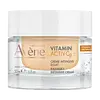
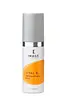
Avène Vitamin Activ Cg Radiance Intensive Cream Versus IMAGE skincare Vital C Hydrating Anti-Aging Serum


What's inside
What's inside
 Key Ingredients
Benefits
Concerns
Ingredients Side-by-side
Water
Skin ConditioningCaprylic/Capric Triglyceride
Masking
Glycerin
Humectant


Niacinamide
Smoothing







Carthamus Tinctorius Seed Oil
Masking

Butyrospermum Parkii Butter
Skin Conditioning

Glycol Palmitate
Emulsifying
Ascorbyl Glucoside
Antioxidant


Arachidyl Alcohol
EmollientCetearyl Alcohol
Emollient
Glyceryl Stearate
Emollient
Arachidyl Glucoside
EmulsifyingBehenyl Alcohol
Emollient
Caprylyl Glycol
Emollient
Cetearyl Glucoside
EmulsifyingCitric Acid
Buffering

Parfum
Masking

Helianthus Annuus Seed Oil
Emollient
Sodium Benzoate
Masking
Sodium Citrate
BufferingSodium Hyaluronate
Humectant
Sodium Hydroxide
BufferingSodium Stearoyl Glutamate
CleansingTocopherol
Antioxidant
Xanthan Gum
EmulsifyingWater, Caprylic/Capric Triglyceride, Glycerin, Niacinamide, Carthamus Tinctorius Seed Oil, Butyrospermum Parkii Butter, Glycol Palmitate, Ascorbyl Glucoside, Arachidyl Alcohol, Cetearyl Alcohol, Glyceryl Stearate, Arachidyl Glucoside, Behenyl Alcohol, Caprylyl Glycol, Cetearyl Glucoside, Citric Acid, Parfum, Helianthus Annuus Seed Oil, Sodium Benzoate, Sodium Citrate, Sodium Hyaluronate, Sodium Hydroxide, Sodium Stearoyl Glutamate, Tocopherol, Xanthan Gum
Aloe Barbadensis Leaf Juice
Skin Conditioning
Water
Skin ConditioningGlycerin
Humectant
Citrus Aurantium Dulcis Oil
Masking
Caprylic/Capric Triglyceride
Masking
Limonene
Perfuming

C12-15 Alkyl Benzoate
AntimicrobialCetearyl Olivate
Sorbitan Olivate
Emulsifying
Imperata Cylindrica Root Extract
Skin ConditioningMagnesium Ascorbyl Phosphate
Antioxidant
PPG-12/Smdi Copolymer
EmollientTetrahexyldecyl Ascorbate
Antioxidant
Glyceryl Stearate
Emollient
PEG-100 Stearate
Cetyl Alcohol
Emollient
Dimethicone
Emollient
Di-PPG-2 Myreth-10 Adipate
Emollient
Stearic Acid
Cleansing
Phenoxyethanol
Preservative
Ethylhexyl Methoxycinnamate
UV Absorber

Panthenol
Skin Conditioning
Prunus Amygdalus Dulcis Oil
Skin Conditioning
Xanthan Gum
EmulsifyingCaprylyl Glycol
Emollient
Butylene Glycol
Humectant
Tocopheryl Acetate
Antioxidant
Glycine Soja Sterols
Emollient
Linoleic Acid
Cleansing
Phospholipids
Skin Conditioning
Simmondsia Chinensis Seed Oil
Emollient
Squalene
Emollient
Propylene Glycol
Humectant
Ethylhexylglycerin
Skin ConditioningGlucosamine Hcl
Hexylene Glycol
EmulsifyingLinoleamidopropyl Pg-Dimonium Chloride Phosphate
PEG-8
HumectantPisum Sativum Extract
Skin ConditioningCitrus Nobilis Peel Oil
Masking
Dipotassium Glycyrrhizate
Humectant
Phyllanthus Emblica Fruit Extract
HumectantStearyl Glycyrrhetinate
Skin ConditioningBambusa Vulgaris Leaf/Stem Extract
HumectantTocopherol
Antioxidant
Magnesium Aluminum Silicate
AbsorbentOlea Europaea Leaf Extract
Perfuming
Disodium EDTA
Eugenia Caryophyllus Leaf Oil
Masking
Yeast Polysaccharides
Skin ConditioningSodium Hyaluronate
Humectant
Glyceryl Polymethacrylate
Carbomer
Emulsion StabilisingEugenol
Perfuming
Ascorbyl Palmitate
Antioxidant
Citric Acid
Buffering
Benzoic Acid
Masking
Camellia Sinensis Leaf Extract
Antimicrobial
Ascorbic Acid
Antioxidant
Sodium Lactate
BufferingPolysorbate 20
Emulsifying
Acrylates/C10-30 Alkyl Acrylate Crosspolymer
Emulsion StabilisingSpiraea Ulmaria Flower Extract
Skin ConditioningTaurine
BufferingCorallina Officinalis Extract
Skin Conditioning
Vitis Vinifera Seed Extract
Antimicrobial
Centella Asiatica Flower/Leaf/Stem Extract
Skin Conditioning
Centella Asiatica Extract
Cleansing
Potassium Sorbate
Preservative
BHT
Antioxidant
Acetyl Hexapeptide-8
Humectant
Darutoside
Skin ConditioningPalmitoyl Pentapeptide-4
Skin Conditioning
Arginine
Masking
Leucine
Skin ConditioningLysine
Skin ConditioningSodium Benzoate
Masking
Valine
MaskingPalmitoyl Tripeptide-1
Skin Conditioning
Aloe Barbadensis Leaf Juice, Water, Glycerin, Citrus Aurantium Dulcis Oil, Caprylic/Capric Triglyceride, Limonene, C12-15 Alkyl Benzoate, Cetearyl Olivate, Sorbitan Olivate, Imperata Cylindrica Root Extract, Magnesium Ascorbyl Phosphate, PPG-12/Smdi Copolymer, Tetrahexyldecyl Ascorbate, Glyceryl Stearate, PEG-100 Stearate, Cetyl Alcohol, Dimethicone, Di-PPG-2 Myreth-10 Adipate, Stearic Acid, Phenoxyethanol, Ethylhexyl Methoxycinnamate, Panthenol, Prunus Amygdalus Dulcis Oil, Xanthan Gum, Caprylyl Glycol, Butylene Glycol, Tocopheryl Acetate, Glycine Soja Sterols, Linoleic Acid, Phospholipids, Simmondsia Chinensis Seed Oil, Squalene, Propylene Glycol, Ethylhexylglycerin, Glucosamine Hcl, Hexylene Glycol, Linoleamidopropyl Pg-Dimonium Chloride Phosphate, PEG-8, Pisum Sativum Extract, Citrus Nobilis Peel Oil, Dipotassium Glycyrrhizate, Phyllanthus Emblica Fruit Extract, Stearyl Glycyrrhetinate, Bambusa Vulgaris Leaf/Stem Extract, Tocopherol, Magnesium Aluminum Silicate, Olea Europaea Leaf Extract, Disodium EDTA, Eugenia Caryophyllus Leaf Oil, Yeast Polysaccharides, Sodium Hyaluronate, Glyceryl Polymethacrylate, Carbomer, Eugenol, Ascorbyl Palmitate, Citric Acid, Benzoic Acid, Camellia Sinensis Leaf Extract, Ascorbic Acid, Sodium Lactate, Polysorbate 20, Acrylates/C10-30 Alkyl Acrylate Crosspolymer, Spiraea Ulmaria Flower Extract, Taurine, Corallina Officinalis Extract, Vitis Vinifera Seed Extract, Centella Asiatica Flower/Leaf/Stem Extract, Centella Asiatica Extract, Potassium Sorbate, BHT, Acetyl Hexapeptide-8, Darutoside, Palmitoyl Pentapeptide-4, Arginine, Leucine, Lysine, Sodium Benzoate, Valine, Palmitoyl Tripeptide-1
Ingredients Explained
These ingredients are found in both products.
Ingredients higher up in an ingredient list are typically present in a larger amount.
This ingredient is an emollient, solvent, and texture enhancer. It is considered a skin-softener by helping the skin prevent moisture loss.
It helps thicken a product's formula and makes it easier to spread by dissolving clumping compounds.
Caprylic Triglyceride is made by combining glycerin with coconut oil, forming a clear liquid.
While there is an assumption Caprylic Triglyceride can clog pores due to it being derived from coconut oil, there is no research supporting this.
Learn more about Caprylic/Capric TriglycerideCaprylyl Glycol is a humectant and emollient, meaning it attracts and preserves moisture.
It is a common ingredient in many products, especially those designed to hydrate skin. The primary benefits are retaining moisture, skin softening, and promoting a healthy skin barrier.
Though Caprylyl Glycol is an alcohol derived from fatty acids, it is not the kind that can dry out skin.
This ingredient is also used as a preservative to extend the life of products. It has slight antimicrobial properties.
Learn more about Caprylyl GlycolCitric Acid is an alpha hydroxy acid (AHA) naturally found in citrus fruits like oranges, lemons, and limes.
Like other AHAs, citric acid can exfoliate skin by breaking down the bonds that hold dead skin cells together. This helps reveal smoother and brighter skin underneath.
However, this exfoliating effect only happens at high concentrations (20%) which can be hard to find in cosmetic products.
Due to this, citric acid is usually included in small amounts as a pH adjuster. This helps keep products slightly more acidic and compatible with skin's natural pH.
In skincare formulas, citric acid can:
While it can provide some skin benefits, research shows lactic acid and glycolic acid are generally more effective and less irritating exfoliants.
Most citric acid used in skincare today is made by fermenting sugars (usually from molasses). This synthetic version is identical to the natural citrus form but easier to stabilize and use in formulations.
Read more about some other popular AHA's here:
Learn more about Citric AcidGlycerin is already naturally found in your skin. It helps moisturize and protect your skin.
A study from 2016 found glycerin to be more effective as a humectant than AHAs and hyaluronic acid.
As a humectant, it helps the skin stay hydrated by pulling moisture to your skin. The low molecular weight of glycerin allows it to pull moisture into the deeper layers of your skin.
Hydrated skin improves your skin barrier; Your skin barrier helps protect against irritants and bacteria.
Glycerin has also been found to have antimicrobial and antiviral properties. Due to these properties, glycerin is often used in wound and burn treatments.
In cosmetics, glycerin is usually derived from plants such as soybean or palm. However, it can also be sourced from animals, such as tallow or animal fat.
This ingredient is organic, colorless, odorless, and non-toxic.
Glycerin is the name for this ingredient in American English. British English uses Glycerol/Glycerine.
Learn more about GlycerinGlyceryl Stearate is a mix of glycerin and stearic acid.
It is used to stabilize the mixing of water and oil ingredients. By preventing these ingredients from separating, it can help elongate shelf life. It can also help thicken the product's texture.
As an emollient, it helps soften skin and supports barrier-replenishing ingredients.
In cosmetics, Glyceryl Stearate is often made from vegetable oils or synthetically produced.
This ingredient may not be fungal-acne safe
Fun fact: The human body also creates Glyceryl Stearate naturally.
Learn more about Glyceryl StearateSodium Benzoate is a preservative. It's used in both cosmetic and food products to inhibit the growth of mold and bacteria. It is typically produced synthetically.
Both the US FDA and EU Health Committee have approved the use of sodium benzoate. In the US, levels of 0.1% (of the total product) are allowed.
Sodium benzoate works as a preservative by inhibiting the growth of bacteria inside of cells. It prevents the cell from fermenting a type of sugar using an enzyme called phosphofructokinase.
It is the salt of benzoic acid. Foods containing sodium benzoate include soda, salad dressings, condiments, fruit juices, wines, and snack foods.
Studies for using ascorbic acid and sodium benzoate in cosmetics are lacking, especially in skincare routines with multiple steps.
We always recommend speaking with a professional, such as a dermatologist, if you have any concerns.
Learn more about Sodium BenzoateSodium Hyaluronate is hyaluronic acid's salt form. It is commonly derived from the sodium salt of hyaluronic acid.
Like hyaluronic acid, it is great at holding water and acts as a humectant. This makes it a great skin hydrating ingredient.
Sodium Hyaluronate is naturally occurring in our bodies and is mostly found in eye fluid and joints.
These are some other common types of Hyaluronic Acid:
Learn more about Sodium HyaluronateTocopherol (also known as Vitamin E) is a common antioxidant used to help protect the skin from free-radicals and strengthen the skin barrier. It's also fat soluble - this means our skin is great at absorbing it.
Vitamin E also helps keep your natural skin lipids healthy. Your lipid skin barrier naturally consists of lipids, ceramides, and fatty acids. Vitamin E offers extra protection for your skin’s lipid barrier, keeping your skin healthy and nourished.
Another benefit is a bit of UV protection. Vitamin E helps reduce the damage caused by UVB rays. (It should not replace your sunscreen). Combining it with Vitamin C can decrease sunburned cells and hyperpigmentation after UV exposure.
You might have noticed Vitamin E + C often paired together. This is because it is great at stabilizing Vitamin C. Using the two together helps increase the effectiveness of both ingredients.
There are often claims that Vitamin E can reduce/prevent scarring, but these claims haven't been confirmed by scientific research.
Learn more about TocopherolWater. It's the most common cosmetic ingredient of all. You'll usually see it at the top of ingredient lists, meaning that it makes up the largest part of the product.
So why is it so popular? Water most often acts as a solvent - this means that it helps dissolve other ingredients into the formulation.
You'll also recognize water as that liquid we all need to stay alive. If you see this, drink a glass of water. Stay hydrated!
Learn more about WaterXanthan gum is used as a stabilizer and thickener within cosmetic products. It helps give products a sticky, thick feeling - preventing them from being too runny.
On the technical side of things, xanthan gum is a polysaccharide - a combination consisting of multiple sugar molecules bonded together.
Xanthan gum is a pretty common and great ingredient. It is a natural, non-toxic, non-irritating ingredient that is also commonly used in food products.
Learn more about Xanthan Gum
