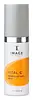
This hydrating serum is formulated around Aloe Barbadensis Leaf Juice and Magnesium Ascorbyl Phosphate to hydrate skin.
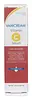
This brightening serum is formulated around Tetrahexyldecyl Ascorbate and Carnosine to brighten dull-looking skin and strengthen the skin barrier.

What's inside
What's inside
 Key Ingredients
Benefits
Concerns
Ingredients Side-by-side
Aloe Barbadensis Leaf Juice
Skin Conditioning


Water
Skin ConditioningGlycerin
Humectant

Citrus Aurantium Dulcis Oil
Masking
Caprylic/Capric Triglyceride
Masking
Limonene
Perfuming




C12-15 Alkyl Benzoate
AntimicrobialCetearyl Olivate

Sorbitan Olivate
Emulsifying
Imperata Cylindrica Root Extract
Skin ConditioningMagnesium Ascorbyl Phosphate
Antioxidant





PPG-12/Smdi Copolymer
EmollientTetrahexyldecyl Ascorbate
Antioxidant
Glyceryl Stearate
Emollient
PEG-100 Stearate
Surfactant
Cetyl Alcohol
Emollient
Dimethicone
Emollient
Di-PPG-2 Myreth-10 Adipate
Emollient
Stearic Acid
Cleansing
Phenoxyethanol
Preservative
Ethylhexyl Methoxycinnamate
UV Absorber

Panthenol
Skin Conditioning
Prunus Amygdalus Dulcis Oil
Skin Conditioning
Xanthan Gum
EmulsifyingCaprylyl Glycol
Emollient
Butylene Glycol
Humectant
Tocopheryl Acetate
Antioxidant
Glycine Soja Sterols
Emollient
Linoleic Acid
Cleansing
Phospholipids
Skin Conditioning
Simmondsia Chinensis Seed Oil
Emollient
Squalene
Emollient
Propylene Glycol
Humectant
Ethylhexylglycerin
Skin ConditioningGlucosamine Hcl
Hexylene Glycol
EmulsifyingLinoleamidopropyl Pg-Dimonium Chloride Phosphate
PEG-8
HumectantPisum Sativum Extract
Skin ConditioningCitrus Nobilis Peel Oil
Masking
Dipotassium Glycyrrhizate
Humectant
Phyllanthus Emblica Fruit Extract
HumectantStearyl Glycyrrhetinate
Skin ConditioningBambusa Vulgaris Leaf/Stem Extract
HumectantTocopherol
Antioxidant
Magnesium Aluminum Silicate
Absorbent
Olea Europaea Leaf Extract
Perfuming
Disodium EDTA
ChelatingEugenia Caryophyllus Leaf Oil
Masking
Yeast Polysaccharides
Skin ConditioningSodium Hyaluronate
Humectant
Glyceryl Polymethacrylate
Carbomer
Emulsion StabilisingEugenol
Perfuming
Ascorbyl Palmitate
Antioxidant
Citric Acid
Buffering
Benzoic Acid
Masking
Camellia Sinensis Leaf Extract
Antimicrobial
Ascorbic Acid
Antioxidant
Sodium Lactate
Buffering
Polysorbate 20
Emulsifying
Acrylates/C10-30 Alkyl Acrylate Crosspolymer
Emulsion StabilisingSpiraea Ulmaria Flower Extract
Skin ConditioningTaurine
BufferingCorallina Officinalis Extract
Skin Conditioning
Vitis Vinifera Seed Extract
Antimicrobial
Centella Asiatica Flower/Leaf/Stem Extract
Skin Conditioning
Centella Asiatica Extract
Cleansing
Potassium Sorbate
Preservative
BHT
Antioxidant
Acetyl Hexapeptide-8
Humectant
Darutoside
Skin ConditioningPalmitoyl Pentapeptide-4
Skin Conditioning
Arginine
Masking
Leucine
Skin ConditioningLysine
Skin ConditioningSodium Benzoate
Masking
Valine
MaskingPalmitoyl Tripeptide-1
Skin Conditioning
Aloe Barbadensis Leaf Juice, Water, Glycerin, Citrus Aurantium Dulcis Oil, Caprylic/Capric Triglyceride, Limonene, C12-15 Alkyl Benzoate, Cetearyl Olivate, Sorbitan Olivate, Imperata Cylindrica Root Extract, Magnesium Ascorbyl Phosphate, PPG-12/Smdi Copolymer, Tetrahexyldecyl Ascorbate, Glyceryl Stearate, PEG-100 Stearate, Cetyl Alcohol, Dimethicone, Di-PPG-2 Myreth-10 Adipate, Stearic Acid, Phenoxyethanol, Ethylhexyl Methoxycinnamate, Panthenol, Prunus Amygdalus Dulcis Oil, Xanthan Gum, Caprylyl Glycol, Butylene Glycol, Tocopheryl Acetate, Glycine Soja Sterols, Linoleic Acid, Phospholipids, Simmondsia Chinensis Seed Oil, Squalene, Propylene Glycol, Ethylhexylglycerin, Glucosamine Hcl, Hexylene Glycol, Linoleamidopropyl Pg-Dimonium Chloride Phosphate, PEG-8, Pisum Sativum Extract, Citrus Nobilis Peel Oil, Dipotassium Glycyrrhizate, Phyllanthus Emblica Fruit Extract, Stearyl Glycyrrhetinate, Bambusa Vulgaris Leaf/Stem Extract, Tocopherol, Magnesium Aluminum Silicate, Olea Europaea Leaf Extract, Disodium EDTA, Eugenia Caryophyllus Leaf Oil, Yeast Polysaccharides, Sodium Hyaluronate, Glyceryl Polymethacrylate, Carbomer, Eugenol, Ascorbyl Palmitate, Citric Acid, Benzoic Acid, Camellia Sinensis Leaf Extract, Ascorbic Acid, Sodium Lactate, Polysorbate 20, Acrylates/C10-30 Alkyl Acrylate Crosspolymer, Spiraea Ulmaria Flower Extract, Taurine, Corallina Officinalis Extract, Vitis Vinifera Seed Extract, Centella Asiatica Flower/Leaf/Stem Extract, Centella Asiatica Extract, Potassium Sorbate, BHT, Acetyl Hexapeptide-8, Darutoside, Palmitoyl Pentapeptide-4, Arginine, Leucine, Lysine, Sodium Benzoate, Valine, Palmitoyl Tripeptide-1
Water
Skin ConditioningGlycerin
Humectant
Diisooctyl Succinate
Emollient
Tetrahexyldecyl Ascorbate
Antioxidant
Pentylene Glycol
Skin Conditioning
Polyglyceryl-2 Stearate
Emulsifying
Carnosine
Skin Conditioning
Ceramide NP
Skin Conditioning
Ceramide EOP
Skin Conditioning
Ceramide AP
Skin Conditioning
Ceramide Ng
Skin Conditioning
Ceramide As
Skin Conditioning
Phytosterols
Skin Conditioning
Glyceryl Stearate
Emollient
Stearyl Alcohol
Emollient
Hydrogenated Lecithin
Emulsifying
1,2-Hexanediol
Skin Conditioning
Polyacrylate Crosspolymer-6
Emulsion StabilisingCitric Acid
Buffering
Caprylyl Glycol
Emollient
Water, Glycerin, Diisooctyl Succinate, Tetrahexyldecyl Ascorbate, Pentylene Glycol, Polyglyceryl-2 Stearate, Carnosine, Ceramide NP, Ceramide EOP, Ceramide AP, Ceramide Ng, Ceramide As, Phytosterols, Glyceryl Stearate, Stearyl Alcohol, Hydrogenated Lecithin, 1,2-Hexanediol, Polyacrylate Crosspolymer-6, Citric Acid, Caprylyl Glycol
Reviews
Ingredients Explained
These ingredients are found in both products.
Ingredients higher up in an ingredient list are typically present in a larger amount.
Caprylyl Glycol is a humectant, skin conditioner, emollient, and preservative booster derived from either caprylic acid or synthetically created.
Typical use levels vary from 0.3-1% as a preservative booster and go up to 2% to condition skin.
Because it is not a free-fatty acid, this ingredient is fungal acne safe (there's nothing for Malassezia to feed on).
Learn more about Caprylyl GlycolCitric Acid is an alpha hydroxy acid (AHA) naturally found in citrus fruits like oranges, lemons, and limes.
Like other AHAs, citric acid can exfoliate skin by breaking down the bonds that hold dead skin cells together. This helps reveal smoother and brighter skin underneath.
However, this exfoliating effect only happens at high concentrations (20%) which can be hard to find in cosmetic products.
Due to this, citric acid is usually included in small amounts as a pH adjuster. This helps keep products slightly more acidic and compatible with skin's natural pH.
In skincare formulas, citric acid can:
While it can provide some skin benefits, research shows lactic acid and glycolic acid are generally more effective and less irritating exfoliants.
Most citric acid used in skincare today is made by fermenting sugars (usually from molasses). This synthetic version is identical to the natural citrus form but easier to stabilize and use in formulations.
Rosacea skin has a lower threshold for acids generally, with 62.5% of rosacea subjects in one study reacting to lactic acid in a sting test. This is why we mark citric acid as a potential rosacea trigger.
However, this ingredient shows up as a pH adjuster or chelator at roughly 0.1-1% in many products. These low levels are unlikely to be an issue for rosacea skin and becomes a potential trigger at exfoliating concentrations (20%). Because everybody's skin is unique, we recommend a patch test if you are unsure.
Learn more about Citric AcidGlycerin (or glycerol) is a compound naturally found in your skin. It's a powerhouse humectant that pulls water into the stratum corneum.
Topically, glycerin does several things at once:
Your skin makes glycerin on its own (mostly from sebaceous oil breakdown) and shuttles it to your outermost layer of skin, or your epidermis, via aquaporin-3.
Aquaporin-3 is a transporter that is essential for normal skin hydration, elasticity, and repair. Interestingly, mice lacking in AQP3 have dry and less elastic skin that can be fully corrected with glycerin.
This ingredient is non-irritating, plays well with almost every ingredient, and works across all skin types. Typical use is anywhere between 3-10% but can go up to 79% in some leave-on products.
Just know very high concentrations (>40%) can feel tacky in low humidity.
Glycerin is the name for this ingredient in American English. British English uses Glycerol/Glycerine.
Learn more about GlycerinGlyceryl Stearate is made by reacting glycerin with stearic acid (typically sourced from plant oils like palm or coconut). It's an emulsifier, emollient, and mild occlusive.
Emulsifiers help ingredients like oil and water stay mixed so your formula stays nicely blended and uniform in texture.
This ingredient is typically used in concentrations between 1-10%. Studies have found it to be non-sensitizing, non-phototoxic, and non-photoallergenic.
A close cousin of this ingredient is Glyceryl Stearate SE ("self-emulsifying"). This just has a small amount of sodium or potassium stearate added so it can emulsify without a co-emulsifier.
Since this ingredient is an ester of a C18 fatty acid, it may not be fungal acne safe. The Malassezia yeast can potentially metabolize within the C11-C24 range.
Fun fact: The human body also creates Glyceryl Stearate naturally.
Learn more about Glyceryl StearateTetrahexyldecyl Ascorbate (THD) is a stable and oil-soluble form of Vitamin C.
THD is special in that it has the ability to travel deeper into skin than traditional ascorbic acid while maintaining the same skin benefits (double win!).
Because it’s oil-soluble, THD dives deep into your skin’s fatty layers (think ceramides and cholesterol) to fight off the kind of free radicals that mess with your skin barrier. This makes it a great pair with water-based vitamin C (ascorbic acid) that mainly works on the surface.
Even at just 0.1%, THD is already showing great antioxidant activity. When used up to 2%, it helps keep your skin happy and calm, especially when it’s stressed from pollution or sun.
Want to fade dark spots or tackle hyperpigmentation? You’ll want 5% or more. Pairing it with brightening buddies like niacinamide or licorice root gives even better results. One study even used 30% THD with other brighteners and saw real results on stubborn discoloration, even in melasma-prone skin.
A note on THD: It’s has a slightly silky, oily texture and usually shows up colorless or pale yellow (though the exact shade can vary by supplier).
While you can sneak it into water-based formulas, it really shines when paired with silicones or oils, which help your skin soak it up better.
THD is pretty stable, but it’s still vulnerable to degradation like ascorbic acid. Too much light or heat (above 113°F / 45°C) can break it down over time. Go for dark and opaque packaging that keeps it safe and shady!
Read more about other types of Vitamin C:
Learn more about Tetrahexyldecyl AscorbateWater. It's the most common cosmetic ingredient of all. You'll usually see it at the top of ingredient lists, meaning that it makes up the largest part of the product.
So why is it so popular? Water most often acts as a solvent - this means that it helps dissolve other ingredients into the formulation.
You'll also recognize water as that liquid we all need to stay alive. If you see this, drink a glass of water. Remember to stay hydrated!
Learn more about Water

