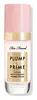
Too Faced Plump & Prime Face Plumping Primer Serum Versus Milani Conceal + Perfect Blur Out Smoothing Primer
This anti-aging serum is formulated around Niacinamide and Acetyl Hexapeptide-8 to soften the look of wrinkles and refine skin texture.

What's inside
What's inside
 Key Ingredients
Benefits
Concerns
Ingredients Side-by-side
Water
Skin ConditioningDimethicone
Emollient

Butylene Glycol
Humectant

Niacinamide
Smoothing









Bis-PEG-18 Methyl Ether Dimethyl Silane
EmollientGlycerin
Humectant
Caprylic/Capric Triglyceride
Masking
Polysorbate 20
Emulsifying

Lauryl PEG-9 Polydimethylsiloxyethyl Dimethicone
Skin Conditioning
Polysilicone-11
Prunus Persica Fruit
AstringentLactobacillus Ferment
Skin Conditioning
Vaccinium Angustifolium Fruit Extract
Skin Protecting
Vaccinium Macrocarpon Fruit Extract
AstringentAcetyl Hexapeptide-8
Humectant
Palmitoyl Hexapeptide-12
Skin Conditioning
Prunus Armeniaca Kernel Oil
Masking


Phoenix Dactylifera Fruit Extract
EmollientCoffea Arabica Seed Oil
Masking
Althaea Officinalis Root Extract
Skin Conditioning
Caffeine
Skin Conditioning
Lactic Acid
Buffering

Lycium Chinense Fruit Extract
Antioxidant
Mangifera Indica Seed Butter
Skin Conditioning
Cucumis Sativus Fruit Extract
Emollient
Sodium Hyaluronate
Humectant
Sigesbeckia Orientalis Extract
Skin ConditioningBambusa Vulgaris Extract
Skin Conditioning
Acetyl Glucosamine
Skin Conditioning
Glycyrrhiza Glabra Root Extract
Bleaching
Gelidiella Acerosa Extract
Skin Protecting
Propylene Glycol Dicaprate
EmollientSaccharide Isomerate
Humectant
Methyl Gluceth-20
Humectant
Ethylhexylglycerin
Skin ConditioningAcrylamide/Sodium Acryloyldimethyltaurate Copolymer
Emulsion StabilisingOenothera Biennis Oil
Emollient
Hypnea Musciformis Extract
Skin Protecting
Triticum Vulgare Germ Extract
Skin ConditioningTriticum Vulgare Germ Oil
Emollient
Laminaria Saccharina Extract
Skin Protecting
Pisum Sativum Extract
Skin ConditioningAlgae Extract
Emollient
Brassica Campestris Sterols
EmollientSodium PCA
Humectant
Rosa Canina Fruit Oil
Emollient
Whey Protein
Skin ConditioningHelianthus Annuus Seed Extract
Skin Conditioning
Laminaria Ochroleuca Extract
Skin Conditioning
Sesamum Indicum Seed Oil
Emollient
Olea Europaea Fruit Oil
Masking
Limnanthes Alba Seed Oil
Skin Conditioning
Caprylyl Glycol
Emollient
Isohexadecane
EmollientTocopheryl Acetate
Antioxidant
Acrylates/C10-30 Alkyl Acrylate Crosspolymer
Emulsion StabilisingGlyceryl Polymethacrylate
Persea Gratissima Oil
Skin Conditioning
Squalane
Emollient
Urea
Buffering
Glycine Soja Protein
EmulsifyingZea Mays Kernel Extract
Sodium Polyacrylate Starch
AbsorbentPolysorbate 80
Emulsifying
Triolein
Skin Conditioning
Faex Extract
Skin ConditioningHydrolyzed Rice Extract
Skin Conditioning
Oryza Sativa Bran Extract
Skin Conditioning
Linoleic Acid
Cleansing
Glucosamine Hcl
Phospholipids
Skin Conditioning
Laminaria Digitata Extract
Skin Protecting
Hordeum Vulgare Extract
EmollientPolyquaternium-51
Skin Conditioning
Tocopherol
Antioxidant
Trehalose
Humectant
Ergothioneine
Antioxidant
Simmondsia Chinensis Seed Oil
Emollient
Aminopropyl Ascorbyl Phosphate
Antioxidant
Sodium Citrate
BufferingPEG-8
HumectantVitis Vinifera Seed Oil
Emollient
Calcium Chloride
AstringentTriacetin
AntimicrobialPhytosteryl Canola Glycerides
Skin Conditioning
Chlorphenesin
Antimicrobial
Pentylene Glycol
Skin Conditioning
Brassica Campestris Seed Oil
Skin Conditioning
Oleic Acid
Emollient
Palmitic Acid
Emollient
Xanthan Gum
EmulsifyingParfum
Masking
Hexyl Cinnamal
Perfuming
Linalool
Perfuming
Geraniol
Perfuming
Limonene
Perfuming
Citronellol
Perfuming
Sodium Hydroxide
BufferingCitric Acid
Buffering
Sorbic Acid
Preservative
Polyglyceryl-3 Diisostearate
Emulsifying
Silica
Abrasive
Stearic Acid
Cleansing
Disodium EDTA
ChelatingPotassium Sorbate
Preservative
Phenoxyethanol
Preservative
BHT
Antioxidant
Synthetic Fluorphlogopite
Tin Oxide
Abrasive
Mica
Cosmetic ColorantCI 77891
Cosmetic ColorantCI 75470
Cosmetic ColorantCI 17200
Cosmetic ColorantWater, Dimethicone, Butylene Glycol, Niacinamide, Bis-PEG-18 Methyl Ether Dimethyl Silane, Glycerin, Caprylic/Capric Triglyceride, Polysorbate 20, Lauryl PEG-9 Polydimethylsiloxyethyl Dimethicone, Polysilicone-11, Prunus Persica Fruit, Lactobacillus Ferment, Vaccinium Angustifolium Fruit Extract, Vaccinium Macrocarpon Fruit Extract, Acetyl Hexapeptide-8, Palmitoyl Hexapeptide-12, Prunus Armeniaca Kernel Oil, Phoenix Dactylifera Fruit Extract, Coffea Arabica Seed Oil, Althaea Officinalis Root Extract, Caffeine, Lactic Acid, Lycium Chinense Fruit Extract, Mangifera Indica Seed Butter, Cucumis Sativus Fruit Extract, Sodium Hyaluronate, Sigesbeckia Orientalis Extract, Bambusa Vulgaris Extract, Acetyl Glucosamine, Glycyrrhiza Glabra Root Extract, Gelidiella Acerosa Extract, Propylene Glycol Dicaprate, Saccharide Isomerate, Methyl Gluceth-20, Ethylhexylglycerin, Acrylamide/Sodium Acryloyldimethyltaurate Copolymer, Oenothera Biennis Oil, Hypnea Musciformis Extract, Triticum Vulgare Germ Extract, Triticum Vulgare Germ Oil, Laminaria Saccharina Extract, Pisum Sativum Extract, Algae Extract, Brassica Campestris Sterols, Sodium PCA, Rosa Canina Fruit Oil, Whey Protein, Helianthus Annuus Seed Extract, Laminaria Ochroleuca Extract, Sesamum Indicum Seed Oil, Olea Europaea Fruit Oil, Limnanthes Alba Seed Oil, Caprylyl Glycol, Isohexadecane, Tocopheryl Acetate, Acrylates/C10-30 Alkyl Acrylate Crosspolymer, Glyceryl Polymethacrylate, Persea Gratissima Oil, Squalane, Urea, Glycine Soja Protein, Zea Mays Kernel Extract, Sodium Polyacrylate Starch, Polysorbate 80, Triolein, Faex Extract, Hydrolyzed Rice Extract, Oryza Sativa Bran Extract, Linoleic Acid, Glucosamine Hcl, Phospholipids, Laminaria Digitata Extract, Hordeum Vulgare Extract, Polyquaternium-51, Tocopherol, Trehalose, Ergothioneine, Simmondsia Chinensis Seed Oil, Aminopropyl Ascorbyl Phosphate, Sodium Citrate, PEG-8, Vitis Vinifera Seed Oil, Calcium Chloride, Triacetin, Phytosteryl Canola Glycerides, Chlorphenesin, Pentylene Glycol, Brassica Campestris Seed Oil, Oleic Acid, Palmitic Acid, Xanthan Gum, Parfum, Hexyl Cinnamal, Linalool, Geraniol, Limonene, Citronellol, Sodium Hydroxide, Citric Acid, Sorbic Acid, Polyglyceryl-3 Diisostearate, Silica, Stearic Acid, Disodium EDTA, Potassium Sorbate, Phenoxyethanol, BHT, Synthetic Fluorphlogopite, Tin Oxide, Mica, CI 77891, CI 75470, CI 17200
Water
Skin ConditioningSodium Acrylates Crosspolymer-2
AbsorbentGlycerin
Humectant
Dimethicone
Emollient
Butylene Glycol
Humectant
Dipropylene Glycol
HumectantNiacinamide
Smoothing
1,2-Hexanediol
Skin Conditioning
Dimethicone/Vinyl Dimethicone Crosspolymer
Skin Conditioning
Aphanizomenon Flos-Aquae Extract
HumectantPyrus Pyrifolia Fruit Extract
EmollientArnica Montana Flower Extract
Masking
Chamomilla Recutita Flower Extract
Masking
Jasminum Officinale Flower Extract
Masking
Hydrolyzed Hyaluronic Acid
Humectant
Silica
Abrasive
Tocopherol
Antioxidant
Nelumbo Nucifera Flower Extract
Skin ConditioningFreesia Refracta Extract
Skin ConditioningLeontopodium Alpinum Extract
Skin ConditioningLilium Candidum Bulb Extract
Skin ConditioningNarcissus Pseudonarcissus Flower Extract
Skin ConditioningRosa Damascena Flower Extract
Masking
Methyl Diisopropyl Propionamide
MaskingArginine
Masking
Carbomer
Emulsion StabilisingEthylhexylglycerin
Skin ConditioningC12-14 Alketh-12
EmulsifyingCaprylyl Glycol
Emollient
Xylitylglucoside
Humectant
Anhydroxylitol
Humectant
Xylitol
Humectant
Potassium Sorbate
Preservative
Sodium Benzoate
Masking
Tin Oxide
Abrasive
CI 77891
Cosmetic ColorantCI 17200
Cosmetic ColorantCI 42090
Cosmetic ColorantWater, Sodium Acrylates Crosspolymer-2, Glycerin, Dimethicone, Butylene Glycol, Dipropylene Glycol, Niacinamide, 1,2-Hexanediol, Dimethicone/Vinyl Dimethicone Crosspolymer, Aphanizomenon Flos-Aquae Extract, Pyrus Pyrifolia Fruit Extract, Arnica Montana Flower Extract, Chamomilla Recutita Flower Extract, Jasminum Officinale Flower Extract, Hydrolyzed Hyaluronic Acid, Silica, Tocopherol, Nelumbo Nucifera Flower Extract, Freesia Refracta Extract, Leontopodium Alpinum Extract, Lilium Candidum Bulb Extract, Narcissus Pseudonarcissus Flower Extract, Rosa Damascena Flower Extract, Methyl Diisopropyl Propionamide, Arginine, Carbomer, Ethylhexylglycerin, C12-14 Alketh-12, Caprylyl Glycol, Xylitylglucoside, Anhydroxylitol, Xylitol, Potassium Sorbate, Sodium Benzoate, Tin Oxide, CI 77891, CI 17200, CI 42090
Reviews
Ingredients Explained
These ingredients are found in both products.
Ingredients higher up in an ingredient list are typically present in a larger amount.
Butylene Glycol (or BG) is used within cosmetic products for a few different reasons:
Overall, Butylene Glycol is a safe and well-rounded ingredient that works well with other ingredients.
Though this ingredient works well with most skin types, some people with sensitive skin may experience a reaction such as allergic rashes, closed comedones, or itchiness.
Learn more about Butylene GlycolCaprylyl Glycol is a humectant, skin conditioner, emollient, and preservative booster derived from either caprylic acid or synthetically created.
Typical use levels vary from 0.3-1% as a preservative booster and go up to 2% to condition skin.
Because it is not a free-fatty acid, this ingredient is fungal acne safe (there's nothing for Malassezia to feed on).
Learn more about Caprylyl GlycolCI 17200 is a synthetic, water-soluble, reddish-pink dye. It is used purely as a cosmetic colorant.
In the US, the FDA permits this ingredient in cosmetics but it is not approved for use around the eyes while the EU allows this to be used in all cosmetic products.
The FDA requires batch-to-batch certification for this ingredient that is held to a pretty rigorous standard. That means the CI 17200 in your cosmetics has been tested and approved before it ever reaches you.
Contact allergy to cosmetic-grade dyes used at low concentrations are uncommon but has been documented before.
This ingredient also goes by the name D&C RED NO. 33.
CI 17200 has a comedogenic rating of 1 and an irritancy rating of 2 on a scale of 0-5. This is based on peer-reviewed research from the man who invented the comedogenic scale.
A 1 on the comedogenic scale is about as low as it gets without being a flat zero, and makes sense for CI 17200.
It's a water-soluble dye used at very small concentrations (typically 0.001-0.1%), so it dissolves into the water phase of a formula rather than sitting on your skin the way an oil or wax would.
The irritancy rating of 2 reflects that, like most synthetic dyes, there's a small possibility of mild irritation ( particularly for people with existing dye sensitivities).
For the vast majority of people, it's a non-issue at typical use levels.
It's also worth keeping in mind that comedogenic and irritancy ratings are tested on individual ingredients, not finished formulas. The final product's formulation, concentration, and other ingredients all play a role in how something actually behaves on your skin.
Just so you know, the FDA ban on Red Dye No. 3 refers to CI 45430, not this ingredient. CI 45430 and CI 17200 are different chemical compounds with distinct safety and regulatory histories.
It's also worth noting that Red No. 3 (CI 45430) was already banned from cosmetics back in 1990, so the 2025 action just extended the ban to food and oral drugs. CI 17200 was never part of any of this.
Learn more about CI 17200Ci 77891 is a white pigment from Titanium dioxide. It is naturally found in minerals such as rutile and ilmenite.
It's main function is to add a white color to cosmetics. It can also be mixed with other colors to create different shades.
Ci 77891 is commonly found in sunscreens due to its ability to block UV rays.
Learn more about CI 77891Dimethicone is a type of synthetic silicone created from natural materials such as quartz. It is also known as polydimethylsiloxane.
What it does:
Dimethicone comes in different viscosities:
Depending on the viscosity, dimethicone has different properties.
Ingredients lists don't always show which type is used, so we recommend reaching out to the brand if you have questions about the viscosity.
This ingredient is unlikely to cause irritation because it does not get absorbed into skin. However, people with silicone allergies should be careful about using this ingredient.
Note: Dimethicone may contribute to pilling. This is because it is not oil or water soluble, so pilling may occur when layered with products. When mixed with heavy oils in a formula, the outcome is also quite greasy.
Learn more about DimethiconeEthylhexylglycerin is created from glycerin. It is a multitasker ingredient that:
The CIR Expert Panel found minimal skin absorption or sensitization of any kind in a safety assessment. Though this ingredient is considered well-tolerated, a small number of cases of allergic dermatitis have been published since 2002. Just be sure to patch test if you are unsure.
Industry-reported use ranges from 8% in rinse-off products and 2% in leave-on formulations.
Learn more about EthylhexylglycerinGlycerin (or glycerol) is a compound naturally found in your skin. It's a powerhouse humectant that pulls water into the stratum corneum.
Topically, glycerin does several things at once:
Your skin makes glycerin on its own (mostly from sebaceous oil breakdown) and shuttles it to your outermost layer of skin, or your epidermis, via aquaporin-3.
Aquaporin-3 is a transporter that is essential for normal skin hydration, elasticity, and repair. Interestingly, mice lacking in AQP3 have dry and less elastic skin that can be fully corrected with glycerin.
This ingredient is non-irritating, plays well with almost every ingredient, and works across all skin types. Typical use is anywhere between 3-10% but can go up to 79% in some leave-on products.
Just know very high concentrations (>40%) can feel tacky in low humidity.
Glycerin is the name for this ingredient in American English. British English uses Glycerol/Glycerine.
Learn more about GlycerinNiacinamide is a multitasking form of vitamin B3 that strengthens the skin barrier, reduces pores and dark spots, regulates oil, and improves signs of aging.
And the best part? It's gentle and well-tolerated by most skin types, including sensitive and reactive skin.
You might have heard of "niacin flush", or the reddening of skin that causes itchiness. Niacinamide has not been found to cause this.
In very rare cases, some individuals may not be able to tolerate niacinamide at all or experience an allergic reaction to it.
If you are experiencing flaking, irritation, and dryness with this ingredient, be sure to double check all your products as this ingredient can be found in all categories of skincare.
When incorporating niacinamide into your routine, look out for concentration amounts. Typically, 5% niacinamide provides benefits such as fading dark spots. However, if you have sensitive skin, it is better to begin with a smaller concentration.
When you apply niacinamide to your skin, your body converts it into nicotinamide adenine dinucleotide (NAD). NAD is an essential coenzyme that is already found in your cells as "fuel" and powers countless biological processes.
In your skin, NAD helps repair cell damage, produce new healthy cells, support collagen production, strengthen the skin barrier, and fight environmental stressors (like UV and pollution).
Our natural NAD levels start to decline with age, leading to slower skin repair, visible aging, and a weaker skin barrier. By providing your skin niacinamide, you're recharging your skin's NAD levels. This leads to stronger, healthier, and younger looking skin.
Another name for vitamin B3 is nicotinamide. This vitamin is water-soluble and our bodies don't store it. We obtain Vitamin B3 from either food or skincare. Meat, fish, wheat, yeast, and leafy greens contain vitamin B3.
The type of niacinamide used in skincare is synthetically created.
Learn more about NiacinamidePotassium Sorbate is a preservative used to prevent yeast and mold in products. It is commonly found in both cosmetic and food products.
This ingredient comes from potassium salt derived from sorbic acid. Sorbic acid is a natural antibiotic and effective against fungus.
Both potassium sorbate and sorbic acid can be found in baked goods, cheeses, dried meats, dried fruit, ice cream, pickles, wine, yogurt, and more.
You'll often find this ingredient used with other preservatives.
Learn more about Potassium SorbateSilica, also known as silicon dioxide, is a naturally occurring mineral. It is used as a fine, spherical, and porous powder in cosmetics.
Though it has exfoliant properties, the function of silica varies depending on the product.
The unique structure of silica enhances the spreadability and adds smoothness, making it a great texture enhancer.
It is also used as an active carrier, emulsifier, and mattifier due to its ability to absorb excess oil.
In some products, tiny microneedles called spicules are made from silica or hydrolyzed sponge. When you rub them in, they lightly polish away dead skin layers and enhance the penetration of active ingredients.
Learn more about SilicaTin Oxide is an inorganic oxide used to add opacity and volume to a product. In nature, it is already found in mineral form. The main ore of tin is an opaque and shiny mineral called casseterite.
Tin Oxide helps remove translucency in a product, or make it more opaque. Besides adding opacity, tin oxide is used for bulking to add volume.
Tocopherol is a fat-soluble antioxidant known as Vitamin E.
You'll find this ingredient in the vast majority of skincare (for good reason). It works to neutralize free radicals, or unstable molecules generated by UV exposure, pollution, and other environmental stressors, before they can cause oxidative damage to your skin cells.
Topically applied tocopherol has been shown to protect against UV damage by ramping up the skin's own natural defense enzymes.
It also acts as a skin conditioning agent; some studies show that regular topical use can improve the skin's water-binding capacity over 2-4 weeks.
This ingredient is especially loved for being a team player. When combined with Vitamin C, the photoprotective effect of both ingredients roughly doubles and the combo also helps reduce UV-induced DNA damage.
This ingredient has some brightening potential but it's more of a prevention ingredient than spot-fader. Cell studies show it can slow down melanin production but it's worth noting that it's not the most powerful brightener out there.
In formulations, it also serves as a stabilizer that helps protect other oxidation-prone ingredients from degrading.
Concentrations usually range from 0.1-1% in most leave-on products.
Learn more about TocopherolWater. It's the most common cosmetic ingredient of all. You'll usually see it at the top of ingredient lists, meaning that it makes up the largest part of the product.
So why is it so popular? Water most often acts as a solvent - this means that it helps dissolve other ingredients into the formulation.
You'll also recognize water as that liquid we all need to stay alive. If you see this, drink a glass of water. Remember to stay hydrated!
Learn more about Water

