The Plant Base AC Clear Magic Cica Cream Versus Frankly Butter So Much Concentrated Nourishing Cream
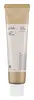
This calming moisturizer is formulated around Centella Asiatica Leaf Extract and Niacinamide to calm redness and clear breakouts.
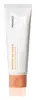
This barrier-repair moisturizer is formulated around Simmondsia Chinensis Seed Oil and Helianthus Annuus Seed Oil to strengthen the skin barrier and hydrate skin.

What's inside
What's inside
 Key Ingredients
Benefits
Concerns
Ingredients Side-by-side
Centella Asiatica Leaf Extract 55%
Skin Conditioning



Dipropylene Glycol
HumectantAstrocaryum Murumuru Seed Butter
Emollient



Cyclopentasiloxane
Emollient
Squalane
Emollient
Glyceryl Stearate Se
Emulsifying
Trimethylolpropane Triisostearate
Emollient
Beeswax
Emulsion Stabilising
Diphenylsiloxy Phenyl Trimethicone
Skin Conditioning
Niacinamide
Smoothing







Caprylic/Capric Triglyceride
Masking
Cyclohexasiloxane
Emollient
1,2-Hexanediol
Skin Conditioning
Cetyl Alcohol
Emollient
Glyceryl Stearate
Emollient
Limnanthes Alba Seed Oil
Skin Conditioning
Water
Skin ConditioningLauryl Alcohol
Emollient
Stearyl Alcohol
Emollient
Xanthan Gum
EmulsifyingStearic Acid
Cleansing
Dimethicone
Emollient
Phytosteryl/Behenyl/Octyldodecyl Lauroyl Glutamate
Skin ConditioningPhenoxyethanol
Preservative
Palmitic Acid
Emollient
Camellia Sinensis Leaf Powder
Tocopheryl Acetate
Antioxidant

Sodium Methyl Stearoyl Taurate
CleansingButylene Glycol
Humectant
PEG-100 Stearate
Surfactant
Tromethamine
BufferingMyristyl Alcohol
Emollient
Melaleuca Alternifolia Leaf Oil
Antioxidant


Glycyrrhiza Glabra Root Extract
Bleaching
Disodium EDTA
ChelatingAdenosine
Skin Conditioning
Polysorbate 80
Emulsifying
Propylene Glycol
Humectant
Morus Alba Bark Extract
Skin ConditioningOpuntia Coccinellifera Fruit Extract
Skin ConditioningDiospyros Kaki Leaf Extract
Skin Protecting
Vaccinium Myrtillus Fruit Extract
Skin ConditioningSalix Nigra Bark Extract
Skin ProtectingPropanediol
Solvent
Saccharum Officinarum Extract
MoisturisingCapryloyl Glycine
CleansingCapryloyl Salicylic Acid
Exfoliating
Allium Cepa Bulb Extract
Skin Conditioning
Carbomer
Emulsion StabilisingSodium Tocopheryl Phosphate
Antioxidant
Sophora Angustifolia Root Extract
Skin ConditioningAloe Barbadensis Leaf Extract
Emollient
Citrus Aurantium Dulcis Fruit Extract
MaskingCitrus Medica Limonum Fruit Extract
Skin ConditioningChenopodium Quinoa Extract
Skin ConditioningTocopherol
Antioxidant
Salix Alba Bark Extract
Astringent
Chamaecyparis Obtusa Leaf Extract
Skin ConditioningOriganum Vulgare Leaf Extract
Skin ConditioningArachidic Acid
Cleansing
Acer Saccharum Extract
Skin ConditioningMyristic Acid
Cleansing
Hydrogenated Lecithin
Emulsifying
Scutellaria Baicalensis Root Extract
Astringent
Cinnamomum Zeylanicum Bark Extract
Antimicrobial
Portulaca Oleracea Extract
Skin Conditioning
Lactobacillus/Soybean Ferment Extract
Skin ConditioningEthylhexylglycerin
Skin ConditioningHydrolyzed Hyaluronic Acid
Humectant
Caprylyl Glycol
Emollient
Sh-Decapeptide-9
Skin Conditioning
Centella Asiatica Leaf Extract 55%, Dipropylene Glycol, Astrocaryum Murumuru Seed Butter, Cyclopentasiloxane, Squalane, Glyceryl Stearate Se, Trimethylolpropane Triisostearate, Beeswax, Diphenylsiloxy Phenyl Trimethicone, Niacinamide, Caprylic/Capric Triglyceride, Cyclohexasiloxane, 1,2-Hexanediol, Cetyl Alcohol, Glyceryl Stearate, Limnanthes Alba Seed Oil, Water, Lauryl Alcohol, Stearyl Alcohol, Xanthan Gum, Stearic Acid, Dimethicone, Phytosteryl/Behenyl/Octyldodecyl Lauroyl Glutamate, Phenoxyethanol, Palmitic Acid, Camellia Sinensis Leaf Powder, Tocopheryl Acetate, Sodium Methyl Stearoyl Taurate, Butylene Glycol, PEG-100 Stearate, Tromethamine, Myristyl Alcohol, Melaleuca Alternifolia Leaf Oil, Glycyrrhiza Glabra Root Extract, Disodium EDTA, Adenosine, Polysorbate 80, Propylene Glycol, Morus Alba Bark Extract, Opuntia Coccinellifera Fruit Extract, Diospyros Kaki Leaf Extract, Vaccinium Myrtillus Fruit Extract, Salix Nigra Bark Extract, Propanediol, Saccharum Officinarum Extract, Capryloyl Glycine, Capryloyl Salicylic Acid, Allium Cepa Bulb Extract, Carbomer, Sodium Tocopheryl Phosphate, Sophora Angustifolia Root Extract, Aloe Barbadensis Leaf Extract, Citrus Aurantium Dulcis Fruit Extract, Citrus Medica Limonum Fruit Extract, Chenopodium Quinoa Extract, Tocopherol, Salix Alba Bark Extract, Chamaecyparis Obtusa Leaf Extract, Origanum Vulgare Leaf Extract, Arachidic Acid, Acer Saccharum Extract, Myristic Acid, Hydrogenated Lecithin, Scutellaria Baicalensis Root Extract, Cinnamomum Zeylanicum Bark Extract, Portulaca Oleracea Extract, Lactobacillus/Soybean Ferment Extract, Ethylhexylglycerin, Hydrolyzed Hyaluronic Acid, Caprylyl Glycol, Sh-Decapeptide-9
Water
Skin ConditioningSimmondsia Chinensis Seed Oil 6.3%
Emollient
Helianthus Annuus Seed Oil 5.7%
Emollient
Propanediol
Solvent
Dimethicone
Emollient
Glycerin
Humectant
Astrocaryum Murumuru Seed Butter 5%
Emollient
Macadamia Ternifolia Seed Oil 3%
Emollient
1,2-Hexanediol
Skin Conditioning
Glyceryl Stearate
Emollient
Methyl Glucose Sesquistearate
Emollient
C14-22 Alcohols
Emulsion Stabilising
Methyl Gluceth-20
Humectant
Cetearyl Alcohol
Emollient
Hydrogenated Polydecene
EmollientCetyl Palmitate
Emollient
Behenyl Alcohol
Emollient
Sorbitan Stearate
Emulsifying
C12-20 Alkyl Glucoside
EmulsifyingAcrylates/C10-30 Alkyl Acrylate Crosspolymer
Emulsion StabilisingXanthan Gum
EmulsifyingHydrolyzed Jojoba Esters
Skin Conditioning
Tromethamine
BufferingAdenosine
Skin Conditioning
Disodium EDTA
ChelatingSodium Hyaluronate
Humectant
Glucose
Humectant
Tocopherol
Antioxidant
Water, Simmondsia Chinensis Seed Oil 6.3%, Helianthus Annuus Seed Oil 5.7%, Propanediol, Dimethicone, Glycerin, Astrocaryum Murumuru Seed Butter 5%, Macadamia Ternifolia Seed Oil 3%, 1,2-Hexanediol, Glyceryl Stearate, Methyl Glucose Sesquistearate, C14-22 Alcohols, Methyl Gluceth-20, Cetearyl Alcohol, Hydrogenated Polydecene, Cetyl Palmitate, Behenyl Alcohol, Sorbitan Stearate, C12-20 Alkyl Glucoside, Acrylates/C10-30 Alkyl Acrylate Crosspolymer, Xanthan Gum, Hydrolyzed Jojoba Esters, Tromethamine, Adenosine, Disodium EDTA, Sodium Hyaluronate, Glucose, Tocopherol
Reviews
Ingredients Explained
These ingredients are found in both products.
Ingredients higher up in an ingredient list are typically present in a larger amount.
1,2-Hexanediol is a synthetic liquid and another multi-functional powerhouse.
It is a:
- Humectant, drawing moisture into the skin
- Emollient, helping to soften skin
- Solvent, dispersing and stabilizing formulas
- Preservative booster, enhancing the antimicrobial activity of other preservatives
Adenosine is a purine nucleoside that your body already makes in every cell. In skincare, it acts mainly as a skin conditioning and anti-aging agent.
The way it works is fairly well mapped out:
Your skin has cells called fibroblasts that build collagen (the stuff that keeps skin firm and smooth). Adenosine basically flips a switch on these cells that tells them to get to work making more collagen and other proteins. These cells slow down on their own as skin ages, so Adenosine helps give them a little nudge to keep going.
The clinical backing is pretty solid too.
A blind, randomized, placebo-controlled trial of 126 women aged 45-65 tested a 0.1% cream twice daily and found real improvements in crow's feet and frown lines using a precise 3D skin-mapping technique; these changes showed up by week 3 and held at 2 months.
A later study using Adenosine-loaded dissolving microneedle patches reported gains in wrinkle depth, dermal density, elasticity, and hydration.
On concentrations, South Korea's Ministry of Food and Drug Safety has set 0.04% as the approved functional anti-wrinkle level. You'll typically see this ingredient used somewhere in the 0.04-0.1% range since it works at low doses.
This ingredient has been found safe for cosmetics with the data showing no irritation or sensitization.
Overall, this is a great ingredient for any anti-aging routine and has no photosensitizing effect, so it suits both AM and PM use.
Learn more about AdenosineMurumuru butter is a solid fat pressed from the seeds of an Amazonian palm.
It's a bit unusual among plant butters due to its fatty acid profile: it's roughly 47% lauric acid (C12) and 26% myristic acid (C14), with about 13% oleic, 6% palmitic, 3% linoleic and 3% stearic acid.
Those are medium-chain fats which is why it melts fast on skin and feels lighter than stearic-heavy butters like shea or cacao.
In skincare, this butter works as an emollient and a temporary occlusive that helps soften the skin's surface and slows water loss.
Just to be upfront: there's no published human clinical trials on this ingredient and everything known about how it behaves on skin is from the fatty acid composition + general body of data on refined plant oils. At this time, marketing claims about wrinkles, elasticity, or "deep repair" are unsupported.
Industry survey data shows concentrations between 0.001%-7% for leave-on products and rinse-off products are capped around 0.2%.
No one has tested murumuru butter for comedogenicity in humans; the comedogenic ratings floating around trace back to lauric and myristic acid scores from the 1984 rabbit ear assay.
The author of that study later said that testing on rabbit ears is not ideal and human testing found that comedogenic ratings cannot predict how a finished formula will behave. It all comes down to formula, concentration, and your skin.
Malassezia is lipid dependent and feeds on free fatty acids between C11-24 chain lengths. This ingredient is made up entirely of chains in that range, so it may not be fungal acne safe.
Learn more about Astrocaryum Murumuru Seed ButterDimethicone is a type of synthetic silicone created from natural materials such as quartz. It is also known as polydimethylsiloxane.
What it does:
Dimethicone comes in different viscosities:
Depending on the viscosity, dimethicone has different properties.
Ingredients lists don't always show which type is used, so we recommend reaching out to the brand if you have questions about the viscosity.
This ingredient is unlikely to cause irritation because it does not get absorbed into skin. However, people with silicone allergies should be careful about using this ingredient.
Note: Dimethicone may contribute to pilling. This is because it is not oil or water soluble, so pilling may occur when layered with products. When mixed with heavy oils in a formula, the outcome is also quite greasy.
Learn more about DimethiconeDisodium EDTA is a chelating agent. It grabs onto and deactivates metal ions that sneak into your products from water, packaging, or air.
This ingredient mainly works behind the scenes and helps with:
On top of that, this ingredient can counteract the effects of hard water by binding to the minerals in it.
One thing worth knowing is that Disodium EDTA has been shown to be a mild penetration enhancer. It can help other ingredients absorb into skin more effectively which can be a double-edged sword (great for actives, but can also make the active too strong if you have sensitive skin).
Clinical patch testing showed no significant skin irritation at typical use concentrations and minimal dermal absorption.
You'll most likely see this ingredient near the end of an ingredient list. It's typically found in concentrations less than 1%.
Learn more about Disodium EDTAGlyceryl Stearate is made by reacting glycerin with stearic acid (typically sourced from plant oils like palm or coconut). It's an emulsifier, emollient, and mild occlusive.
Emulsifiers help ingredients like oil and water stay mixed so your formula stays nicely blended and uniform in texture.
This ingredient is typically used in concentrations between 1-10%. Studies have found it to be non-sensitizing, non-phototoxic, and non-photoallergenic.
A close cousin of this ingredient is Glyceryl Stearate SE ("self-emulsifying"). This just has a small amount of sodium or potassium stearate added so it can emulsify without a co-emulsifier.
Since this ingredient is an ester of a C18 fatty acid, it may not be fungal acne safe. The Malassezia yeast can potentially metabolize within the C11-C24 range.
Fun fact: The human body also creates Glyceryl Stearate naturally.
Learn more about Glyceryl StearatePropanediol is an all-star ingredient. It softens, hydrates, and smooths the skin.
It’s often used to:
Propanediol is not likely to cause sensitivity and considered safe to use. It is derived from corn or petroleum with a clear color and no scent.
Learn more about PropanediolTocopherol is a fat-soluble antioxidant known as Vitamin E.
You'll find this ingredient in the vast majority of skincare (for good reason). It works to neutralize free radicals, or unstable molecules generated by UV exposure, pollution, and other environmental stressors, before they can cause oxidative damage to your skin cells.
Topically applied tocopherol has been shown to protect against UV damage by ramping up the skin's own natural defense enzymes.
It also acts as a skin conditioning agent; some studies show that regular topical use can improve the skin's water-binding capacity over 2-4 weeks.
This ingredient is especially loved for being a team player. When combined with Vitamin C, the photoprotective effect of both ingredients roughly doubles and the combo also helps reduce UV-induced DNA damage.
This ingredient has some brightening potential but it's more of a prevention ingredient than spot-fader. Cell studies show it can slow down melanin production but it's worth noting that it's not the most powerful brightener out there.
In formulations, it also serves as a stabilizer that helps protect other oxidation-prone ingredients from degrading.
Concentrations usually range from 0.1-1% in most leave-on products.
Learn more about TocopherolTromethamine (aka THAM) is a synthetic amino acid that shows up in skincare as a helper ingredient.
It functions as a pH adjuster to help neutralize acidic ingredients and set a formula's pH to the right spot.
This matters a lot because a lot of actives (like vitamin C) needs a specific pH to work well and feel comfortable on skin.
Concentration use ranges from 0.1-1.0% depending on the formula.
Learn more about TromethamineWater. It's the most common cosmetic ingredient of all. You'll usually see it at the top of ingredient lists, meaning that it makes up the largest part of the product.
So why is it so popular? Water most often acts as a solvent - this means that it helps dissolve other ingredients into the formulation.
You'll also recognize water as that liquid we all need to stay alive. If you see this, drink a glass of water. Remember to stay hydrated!
Learn more about WaterXanthan gum is used as a stabilizer and thickener within cosmetic products. It helps give products a sticky, thick feeling - preventing them from being too runny.
On the technical side of things, xanthan gum is a polysaccharide - a combination consisting of multiple sugar molecules bonded together.
Xanthan gum is a pretty common and great ingredient. It is a natural, non-toxic, non-irritating ingredient that is also commonly used in food products.
Learn more about Xanthan Gum



