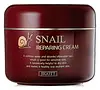
This barrier-repair moisturizer is formulated around Allantoin and Snail Secretion Filtrate to strengthen the skin barrier and hydrate skin.
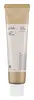
This calming moisturizer is formulated around Centella Asiatica Leaf Extract and Niacinamide to calm redness and clear breakouts.

What's inside
What's inside
 Key Ingredients
Benefits
Concerns
Ingredients Side-by-side
Water
Skin ConditioningParaffinum Liquidum
Emollient


Glycerin
Humectant


Propylene Glycol
Humectant

Polysorbate 60
Emulsifying
Glyceryl Stearate Se
Emulsifying
Stearic Acid
Cleansing
Cetearyl Alcohol
Emollient

Glyceryl Stearate
Emollient
PEG-100 Stearate
Surfactant
Triethanolamine
BufferingSorbitan Sesquioleate
Emulsifying
Dimethicone
Emollient
Carbomer
Emulsion StabilisingPhenoxyethanol
Preservative
Methylparaben
Preservative

Allantoin
Skin Conditioning

Sodium Polyacrylate
Absorbent
Xanthan Gum
EmulsifyingParfum
Masking

Butylphenyl Methylpropional
Perfuming
Linalool
Perfuming
Hexyl Cinnamal
Perfuming
Limonene
Perfuming
Alpha-Isomethyl Ionone
Perfuming
Snail Secretion Filtrate
Skin Conditioning
Camellia Sinensis Leaf Extract
Antimicrobial




Aloe Barbadensis Leaf Extract
Emollient
Water, Paraffinum Liquidum, Glycerin, Propylene Glycol, Polysorbate 60, Glyceryl Stearate Se, Stearic Acid, Cetearyl Alcohol, Glyceryl Stearate, PEG-100 Stearate, Triethanolamine, Sorbitan Sesquioleate, Dimethicone, Carbomer, Phenoxyethanol, Methylparaben, Allantoin, Sodium Polyacrylate, Xanthan Gum, Parfum, Butylphenyl Methylpropional, Linalool, Hexyl Cinnamal, Limonene, Alpha-Isomethyl Ionone, Snail Secretion Filtrate, Camellia Sinensis Leaf Extract, Aloe Barbadensis Leaf Extract
Centella Asiatica Leaf Extract 55%
Skin Conditioning
Dipropylene Glycol
HumectantAstrocaryum Murumuru Seed Butter
Emollient
Cyclopentasiloxane
Emollient
Squalane
Emollient
Glyceryl Stearate Se
Emulsifying
Trimethylolpropane Triisostearate
Emollient
Beeswax
Emulsion Stabilising
Diphenylsiloxy Phenyl Trimethicone
Skin Conditioning
Niacinamide
Smoothing



Caprylic/Capric Triglyceride
Masking
Cyclohexasiloxane
Emollient
1,2-Hexanediol
Skin Conditioning
Cetyl Alcohol
Emollient
Glyceryl Stearate
Emollient
Limnanthes Alba Seed Oil
Skin Conditioning
Water
Skin ConditioningLauryl Alcohol
Emollient
Stearyl Alcohol
Emollient
Xanthan Gum
EmulsifyingStearic Acid
Cleansing
Dimethicone
Emollient
Phytosteryl/Behenyl/Octyldodecyl Lauroyl Glutamate
Skin ConditioningPhenoxyethanol
Preservative
Palmitic Acid
Emollient
Camellia Sinensis Leaf Powder
Tocopheryl Acetate
Antioxidant
Sodium Methyl Stearoyl Taurate
CleansingButylene Glycol
Humectant
PEG-100 Stearate
Surfactant
Tromethamine
BufferingMyristyl Alcohol
Emollient
Melaleuca Alternifolia Leaf Oil
Antioxidant
Glycyrrhiza Glabra Root Extract
Bleaching
Disodium EDTA
ChelatingAdenosine
Skin Conditioning
Polysorbate 80
Emulsifying
Propylene Glycol
Humectant
Morus Alba Bark Extract
Skin ConditioningOpuntia Coccinellifera Fruit Extract
Skin ConditioningDiospyros Kaki Leaf Extract
Skin Protecting
Vaccinium Myrtillus Fruit Extract
Skin ConditioningSalix Nigra Bark Extract
Skin ProtectingPropanediol
Solvent
Saccharum Officinarum Extract
MoisturisingCapryloyl Glycine
CleansingCapryloyl Salicylic Acid
Exfoliating
Allium Cepa Bulb Extract
Skin Conditioning
Carbomer
Emulsion StabilisingSodium Tocopheryl Phosphate
Antioxidant
Sophora Angustifolia Root Extract
Skin ConditioningAloe Barbadensis Leaf Extract
Emollient
Citrus Aurantium Dulcis Fruit Extract
MaskingCitrus Medica Limonum Fruit Extract
Skin ConditioningChenopodium Quinoa Extract
Skin ConditioningTocopherol
Antioxidant
Salix Alba Bark Extract
Astringent
Chamaecyparis Obtusa Leaf Extract
Skin ConditioningOriganum Vulgare Leaf Extract
Skin ConditioningArachidic Acid
Cleansing
Acer Saccharum Extract
Skin ConditioningMyristic Acid
Cleansing
Hydrogenated Lecithin
Emulsifying
Scutellaria Baicalensis Root Extract
Astringent
Cinnamomum Zeylanicum Bark Extract
Antimicrobial
Portulaca Oleracea Extract
Skin Conditioning
Lactobacillus/Soybean Ferment Extract
Skin ConditioningEthylhexylglycerin
Skin ConditioningHydrolyzed Hyaluronic Acid
Humectant
Caprylyl Glycol
Emollient
Sh-Decapeptide-9
Skin Conditioning
Centella Asiatica Leaf Extract 55%, Dipropylene Glycol, Astrocaryum Murumuru Seed Butter, Cyclopentasiloxane, Squalane, Glyceryl Stearate Se, Trimethylolpropane Triisostearate, Beeswax, Diphenylsiloxy Phenyl Trimethicone, Niacinamide, Caprylic/Capric Triglyceride, Cyclohexasiloxane, 1,2-Hexanediol, Cetyl Alcohol, Glyceryl Stearate, Limnanthes Alba Seed Oil, Water, Lauryl Alcohol, Stearyl Alcohol, Xanthan Gum, Stearic Acid, Dimethicone, Phytosteryl/Behenyl/Octyldodecyl Lauroyl Glutamate, Phenoxyethanol, Palmitic Acid, Camellia Sinensis Leaf Powder, Tocopheryl Acetate, Sodium Methyl Stearoyl Taurate, Butylene Glycol, PEG-100 Stearate, Tromethamine, Myristyl Alcohol, Melaleuca Alternifolia Leaf Oil, Glycyrrhiza Glabra Root Extract, Disodium EDTA, Adenosine, Polysorbate 80, Propylene Glycol, Morus Alba Bark Extract, Opuntia Coccinellifera Fruit Extract, Diospyros Kaki Leaf Extract, Vaccinium Myrtillus Fruit Extract, Salix Nigra Bark Extract, Propanediol, Saccharum Officinarum Extract, Capryloyl Glycine, Capryloyl Salicylic Acid, Allium Cepa Bulb Extract, Carbomer, Sodium Tocopheryl Phosphate, Sophora Angustifolia Root Extract, Aloe Barbadensis Leaf Extract, Citrus Aurantium Dulcis Fruit Extract, Citrus Medica Limonum Fruit Extract, Chenopodium Quinoa Extract, Tocopherol, Salix Alba Bark Extract, Chamaecyparis Obtusa Leaf Extract, Origanum Vulgare Leaf Extract, Arachidic Acid, Acer Saccharum Extract, Myristic Acid, Hydrogenated Lecithin, Scutellaria Baicalensis Root Extract, Cinnamomum Zeylanicum Bark Extract, Portulaca Oleracea Extract, Lactobacillus/Soybean Ferment Extract, Ethylhexylglycerin, Hydrolyzed Hyaluronic Acid, Caprylyl Glycol, Sh-Decapeptide-9
Reviews
Ingredients Explained
These ingredients are found in both products.
Ingredients higher up in an ingredient list are typically present in a larger amount.
Aloe Barbadensis Leaf Extract is a botanical extract pulled from the leaves of aloe vera and one of the most studied plant ingredients in cosmetics.
The inner leaf gel it comes from is mostly water (~99-99.5%) and the remaining fraction is made up of pretty good stuff: polysaccharides, vitamins, phenolics, and enzymes.
Its headline job is hydration.
The star polysaccharide in aloe, acemannan, is a humectant that retains moisture and helps reduce trans-epidermal water loss.
Aloe also has real soothing credentials; it contains anti-inflammatory compounds like bradykinase and C-glucosyl chromone that help calm irritation and redness.
On the repair side, lab work shows that acemannan wakes up your skin's repair cells (fibroblasts), prompting them to multiply and speed up healing.
There's some human data for cosmetic benefit too: a cream containing 10% Aloe Barbadensis leaf extract improved skin hydration and elasticity in a real-use study.
Safety-wise, this ingredient is well-regarded with just one rare downside; there have been some case reports of acute eczema, contact urticaria, and dermatitis in people who applied aloe-derived ingredients topically. Those with a known aloe or Liliaceae sensitivity should patch test.
Typical use levels range widely, from under 1% up to 90%+ depending on the format and the effect you are after.
Learn more about Aloe Barbadensis Leaf ExtractCarbomer is a synthetic thickening and gelling agent. It's basically the ingredient that gives a lot of serums, gels, creams, and sunscreens their smooth, non-sticky texture.
Although legally permitted at very high levels, carbomers are normally used at concentrations below 1%.
It also needs to be neutralized to actually thicken, and because it is a large molecule, it doesn't really penetrate the skin barrier.
Allergy-wise, the risk is very low. Clinical studies show carbomers have low potential for skin irritation/sensitization even at concentrations up to 100%.
A 2024 UK study patch-tested 1,302 patients and found true allergy to the parent group of carbomer to be rare with no confirmed relevant reactions.
Learn more about CarbomerDimethicone is a type of synthetic silicone created from natural materials such as quartz. It is also known as polydimethylsiloxane.
What it does:
Dimethicone comes in different viscosities:
Depending on the viscosity, dimethicone has different properties.
Ingredients lists don't always show which type is used, so we recommend reaching out to the brand if you have questions about the viscosity.
This ingredient is unlikely to cause irritation because it does not get absorbed into skin. However, people with silicone allergies should be careful about using this ingredient.
Note: Dimethicone may contribute to pilling. This is because it is not oil or water soluble, so pilling may occur when layered with products. When mixed with heavy oils in a formula, the outcome is also quite greasy.
Learn more about DimethiconeGlyceryl Stearate is made by reacting glycerin with stearic acid (typically sourced from plant oils like palm or coconut). It's an emulsifier, emollient, and mild occlusive.
Emulsifiers help ingredients like oil and water stay mixed so your formula stays nicely blended and uniform in texture.
This ingredient is typically used in concentrations between 1-10%. Studies have found it to be non-sensitizing, non-phototoxic, and non-photoallergenic.
A close cousin of this ingredient is Glyceryl Stearate SE ("self-emulsifying"). This just has a small amount of sodium or potassium stearate added so it can emulsify without a co-emulsifier.
Since this ingredient is an ester of a C18 fatty acid, it may not be fungal acne safe. The Malassezia yeast can potentially metabolize within the C11-C24 range.
Fun fact: The human body also creates Glyceryl Stearate naturally.
Learn more about Glyceryl StearateGlyceryl Stearate SE is a self-emulsifying (SE) form of Glyceryl Stearate. It comes with a small amount of soap (usually potassium or sodium stearate) that gives it the "SE" part.
That soap lets it pull oil and water together on its own which is why it shows up as an emulsifier, thickener, and emollient.
Industry survey data shows this ingredient is used around 1-5% but Glyceryl Stearate goes as high at 17% in a leave-on deodorant.
Safety-wise, it's pretty boring: it's been deemed safe for topical use in 1982 and again most recently in 2021 by the CIR. Human repeat insult patch tests come back non-irritating, non-sensitizing, non-phototoxic, and non-photoallergenic.
This ingredient does carry a comedogenic rating of 3 from the old rabbit-ear assay. Just remember testing finished products in humans showed that formulas built with "comedogenic" ingredients are not necessarily comedogenic themselves. It's worth patch testing if you're breakout prone, and always listen to your skin.
The Malassezia yeast can potentially metabolize the stearic acid in this ingredient, so it may not be fungal acne safe.
Allergy is rare: a 310-patient patch test study of common emulsifiers found this ingredient was not a meaningful reactor. Isolated case reports do exist so a true contact allergy is possible but uncommon.
Learn more about Glyceryl Stearate SePeg-100 Stearate is an emollient and emulsifier. As an emollient, it helps keep skin soft by trapping moisture in. On the other hand, emulsifiers help prevent oil and water from separating in a product.
PEGS are a hydrophilic polyether compound . There are 100 ethylene oxide monomers in Peg-100 Stearate. Peg-100 Stearate is polyethylene glycol ester of stearic acid.
Phenoxyethanol is one of the most widely used preservatives in skincare (and for good reason!).
It has a large spectrum of antimicrobial activity and especially effective bacteria, yeast, and mold while only having a weak effect on your skin's natural microbiome.
On a cellular level, it disrupts the cell membranes of microbes by poking holes that make the cell leak. This shuts down the chemical reactions the microbe needs to make energy so it can no longer survive.
Another perk of this ingredient is that it stays functional across a wide pH range (3-10).
You'll often see it paired with boosters like Ethylhexylglycerin; one study showed that a 1:9 ratio of Ethylhexylglycerin to Phenoxyethanol damages bacterial membranes as effectively as doubling the Phenoxyethanol concentration on its own.
Typical use concentrations range from 0.3-1% depending on the formula, and this ingredient is capped at 1% int the EU.
Safety-wise, the fear mongering does not hold up to the evidence. The EU's Scientific Committee on Consumer Safety and FDA consider it safe as a preservative at up to 1%, including for children of all ages.
Adverse systemic effects only showed up in animal studies at exposures roughly 200x higher than what people get from cosmetics. And despite its very widespread use, this ingredient is a rare sensitizer and allergic reactions are uncommon.
Learn more about PhenoxyethanolPropylene Glycol is a synthetic, colorless, odorless liquid that has been a staple in cosmetics for decades. It is a skin conditioning agent, humectant, and solvent.
As a humectant, it draw water to the skin to reduce flaking and restore suppleness. It's also a solvent that helps dissolve other actives and keeps formulas stable across temperature changes.
The CIR Expert Panel has confirmed this ingredient to be nontoxic and clinical studies show no sensitization at cosmetic use concentrations.
True allergic reactions are quite rare: a 15-year retrospective study of 6,751 patients found only 0.31% had a positive reaction (and less than half were considered clinically relevant).
It seemed that when sensitization does occur, it's most commonly linked to topical medication (like corticosteroids) and not cosmetics. Allergic contact dermatitis also appears largely limited to individuals with underlying skin conditions.
Overall, propylene glycol is a well-studied ingredient that most people can tolerate without issue.
Learn more about Propylene GlycolStearic Acid is a fatty acid that is already found in your skin. It's one of the free fatty acids that works alongside ceramides and cholesterols to maintain your barrier.
In cosmetics, it is a multitasker:
Safety-wise, the CIR Expert Panel has concluded it to be safe in cosmetics when formulated to be non-irritating and non-sensitizing.
Free stearic acid is a C18 fatty acid that the Malassezia yeast can substrate, so this ingredient may not be fungal acne safe.
This ingredient does have a comedogenic rating of 2-3, but this doesn't mean a formula with this ingredient will clog pores.
Human testing has proved that any finished product with this ingredient won't automatically make you break out; it really comes down to concentration, formula, and your skin.
Learn more about Stearic AcidWater. It's the most common cosmetic ingredient of all. You'll usually see it at the top of ingredient lists, meaning that it makes up the largest part of the product.
So why is it so popular? Water most often acts as a solvent - this means that it helps dissolve other ingredients into the formulation.
You'll also recognize water as that liquid we all need to stay alive. If you see this, drink a glass of water. Remember to stay hydrated!
Learn more about WaterXanthan gum is used as a stabilizer and thickener within cosmetic products. It helps give products a sticky, thick feeling - preventing them from being too runny.
On the technical side of things, xanthan gum is a polysaccharide - a combination consisting of multiple sugar molecules bonded together.
Xanthan gum is a pretty common and great ingredient. It is a natural, non-toxic, non-irritating ingredient that is also commonly used in food products.
Learn more about Xanthan Gum

