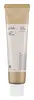
This calming moisturizer is formulated around Centella Asiatica Leaf Extract and Niacinamide to calm redness and clear breakouts.
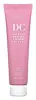
This oil-control moisturizer is formulated around Aloe Barbadensis Leaf Extract and Niacinamide to balance excess oil and refine the look of pores.

What's inside
What's inside
 Key Ingredients
Benefits
Concerns
Ingredients Side-by-side
Centella Asiatica Leaf Extract 55%
Skin Conditioning



Dipropylene Glycol
HumectantAstrocaryum Murumuru Seed Butter
Emollient



Cyclopentasiloxane
Emollient
Squalane
Emollient
Glyceryl Stearate Se
Emulsifying
Trimethylolpropane Triisostearate
Emollient
Beeswax
Emulsion Stabilising
Diphenylsiloxy Phenyl Trimethicone
Skin Conditioning
Niacinamide
Smoothing







Caprylic/Capric Triglyceride
Masking
Cyclohexasiloxane
Emollient
1,2-Hexanediol
Skin Conditioning
Cetyl Alcohol
Emollient
Glyceryl Stearate
Emollient
Limnanthes Alba Seed Oil
Skin Conditioning
Water
Skin ConditioningLauryl Alcohol
Emollient
Stearyl Alcohol
Emollient
Xanthan Gum
EmulsifyingStearic Acid
Cleansing
Dimethicone
Emollient
Phytosteryl/Behenyl/Octyldodecyl Lauroyl Glutamate
Skin ConditioningPhenoxyethanol
Preservative
Palmitic Acid
Emollient
Camellia Sinensis Leaf Powder
Tocopheryl Acetate
Antioxidant

Sodium Methyl Stearoyl Taurate
CleansingButylene Glycol
Humectant
PEG-100 Stearate
Surfactant
Tromethamine
BufferingMyristyl Alcohol
Emollient
Melaleuca Alternifolia Leaf Oil
Antioxidant


Glycyrrhiza Glabra Root Extract
Bleaching
Disodium EDTA
ChelatingAdenosine
Skin Conditioning
Polysorbate 80
Emulsifying
Propylene Glycol
Humectant
Morus Alba Bark Extract
Skin ConditioningOpuntia Coccinellifera Fruit Extract
Skin ConditioningDiospyros Kaki Leaf Extract
Skin Protecting
Vaccinium Myrtillus Fruit Extract
Skin ConditioningSalix Nigra Bark Extract
Skin ProtectingPropanediol
Solvent
Saccharum Officinarum Extract
MoisturisingCapryloyl Glycine
CleansingCapryloyl Salicylic Acid
Exfoliating
Allium Cepa Bulb Extract
Skin Conditioning
Carbomer
Emulsion StabilisingSodium Tocopheryl Phosphate
Antioxidant
Sophora Angustifolia Root Extract
Skin ConditioningAloe Barbadensis Leaf Extract
Emollient
Citrus Aurantium Dulcis Fruit Extract
MaskingCitrus Medica Limonum Fruit Extract
Skin ConditioningChenopodium Quinoa Extract
Skin ConditioningTocopherol
Antioxidant
Salix Alba Bark Extract
Astringent
Chamaecyparis Obtusa Leaf Extract
Skin ConditioningOriganum Vulgare Leaf Extract
Skin ConditioningArachidic Acid
Cleansing
Acer Saccharum Extract
Skin ConditioningMyristic Acid
Cleansing
Hydrogenated Lecithin
Emulsifying
Scutellaria Baicalensis Root Extract
Astringent
Cinnamomum Zeylanicum Bark Extract
Antimicrobial
Portulaca Oleracea Extract
Skin Conditioning
Lactobacillus/Soybean Ferment Extract
Skin ConditioningEthylhexylglycerin
Skin ConditioningHydrolyzed Hyaluronic Acid
Humectant
Caprylyl Glycol
Emollient
Sh-Decapeptide-9
Skin Conditioning
Centella Asiatica Leaf Extract 55%, Dipropylene Glycol, Astrocaryum Murumuru Seed Butter, Cyclopentasiloxane, Squalane, Glyceryl Stearate Se, Trimethylolpropane Triisostearate, Beeswax, Diphenylsiloxy Phenyl Trimethicone, Niacinamide, Caprylic/Capric Triglyceride, Cyclohexasiloxane, 1,2-Hexanediol, Cetyl Alcohol, Glyceryl Stearate, Limnanthes Alba Seed Oil, Water, Lauryl Alcohol, Stearyl Alcohol, Xanthan Gum, Stearic Acid, Dimethicone, Phytosteryl/Behenyl/Octyldodecyl Lauroyl Glutamate, Phenoxyethanol, Palmitic Acid, Camellia Sinensis Leaf Powder, Tocopheryl Acetate, Sodium Methyl Stearoyl Taurate, Butylene Glycol, PEG-100 Stearate, Tromethamine, Myristyl Alcohol, Melaleuca Alternifolia Leaf Oil, Glycyrrhiza Glabra Root Extract, Disodium EDTA, Adenosine, Polysorbate 80, Propylene Glycol, Morus Alba Bark Extract, Opuntia Coccinellifera Fruit Extract, Diospyros Kaki Leaf Extract, Vaccinium Myrtillus Fruit Extract, Salix Nigra Bark Extract, Propanediol, Saccharum Officinarum Extract, Capryloyl Glycine, Capryloyl Salicylic Acid, Allium Cepa Bulb Extract, Carbomer, Sodium Tocopheryl Phosphate, Sophora Angustifolia Root Extract, Aloe Barbadensis Leaf Extract, Citrus Aurantium Dulcis Fruit Extract, Citrus Medica Limonum Fruit Extract, Chenopodium Quinoa Extract, Tocopherol, Salix Alba Bark Extract, Chamaecyparis Obtusa Leaf Extract, Origanum Vulgare Leaf Extract, Arachidic Acid, Acer Saccharum Extract, Myristic Acid, Hydrogenated Lecithin, Scutellaria Baicalensis Root Extract, Cinnamomum Zeylanicum Bark Extract, Portulaca Oleracea Extract, Lactobacillus/Soybean Ferment Extract, Ethylhexylglycerin, Hydrolyzed Hyaluronic Acid, Caprylyl Glycol, Sh-Decapeptide-9
Aloe Barbadensis Leaf Extract
Emollient
Propanediol
Solvent
Niacinamide
Smoothing
Hydrogenated Lecithin
Emulsifying
Isononyl Isononanoate
Emollient1,2-Hexanediol
Skin Conditioning
Allantoin
Skin Conditioning
Caffeine
Skin Conditioning
Carbomer
Emulsion StabilisingCetearyl Olivate
Sorbitan Olivate
Emulsifying
Tromethamine
BufferingCamellia Sinensis Leaf Extract
Antimicrobial
Momordica Charantia Fruit Extract
Skin ConditioningSambucus Nigra Flower Extract
RefreshingLeontopodium Alpinum Extract
Skin ConditioningAloe Barbadensis Leaf Extract, Propanediol, Niacinamide, Hydrogenated Lecithin, Isononyl Isononanoate, 1,2-Hexanediol, Allantoin, Caffeine, Carbomer, Cetearyl Olivate, Sorbitan Olivate, Tromethamine, Camellia Sinensis Leaf Extract, Momordica Charantia Fruit Extract, Sambucus Nigra Flower Extract, Leontopodium Alpinum Extract
Reviews
Ingredients Explained
These ingredients are found in both products.
Ingredients higher up in an ingredient list are typically present in a larger amount.
1,2-Hexanediol is a synthetic liquid and another multi-functional powerhouse.
It is a:
- Humectant, drawing moisture into the skin
- Emollient, helping to soften skin
- Solvent, dispersing and stabilizing formulas
- Preservative booster, enhancing the antimicrobial activity of other preservatives
Aloe Barbadensis Leaf Extract is a botanical extract pulled from the leaves of aloe vera and one of the most studied plant ingredients in cosmetics.
The inner leaf gel it comes from is mostly water (~99-99.5%) and the remaining fraction is made up of pretty good stuff: polysaccharides, vitamins, phenolics, and enzymes.
Its headline job is hydration.
The star polysaccharide in aloe, acemannan, is a humectant that retains moisture and helps reduce trans-epidermal water loss.
Aloe also has real soothing credentials; it contains anti-inflammatory compounds like bradykinase and C-glucosyl chromone that help calm irritation and redness.
On the repair side, lab work shows that acemannan wakes up your skin's repair cells (fibroblasts), prompting them to multiply and speed up healing.
There's some human data for cosmetic benefit too: a cream containing 10% Aloe Barbadensis leaf extract improved skin hydration and elasticity in a real-use study.
Safety-wise, this ingredient is well-regarded with just one rare downside; there have been some case reports of acute eczema, contact urticaria, and dermatitis in people who applied aloe-derived ingredients topically. Those with a known aloe or Liliaceae sensitivity should patch test.
Typical use levels range widely, from under 1% up to 90%+ depending on the format and the effect you are after.
Learn more about Aloe Barbadensis Leaf ExtractCarbomer is a synthetic thickening and gelling agent. It's basically the ingredient that gives a lot of serums, gels, creams, and sunscreens their smooth, non-sticky texture.
Although legally permitted at very high levels, carbomers are normally used at concentrations below 1%.
It also needs to be neutralized to actually thicken, and because it is a large molecule, it doesn't really penetrate the skin barrier.
Allergy-wise, the risk is very low. Clinical studies show carbomers have low potential for skin irritation/sensitization even at concentrations up to 100%.
A 2024 UK study patch-tested 1,302 patients and found true allergy to the parent group of carbomer to be rare with no confirmed relevant reactions.
Learn more about CarbomerHydrogenated Lecithin is a more stable version of lecithin.
It's made by taking lecithin (a phospholipid commonly found in soybeans and egg yolks) and hydrogenating it. This just means the unsaturated fatty acids are turned into saturated ones so they don't go bad as easily.
This ingredient is an emollient, emulsifier, and penetration enhancer. As an emollient, it helps soften and hydrate skin by trapping moisture within. As an emulsifier, it prevents oil and water ingredients from separating.
Hydrogenated Lecithin can form tiny spherical structures made of phospholipid bilayers called liposomes. These liposomes are able to capture compounds inside their structure and deliver them through the skin barrier.
Because phospholipids are a natural component of our cell membranes, this ingredient is inherently compatible with skin.
A 2021 study found lecithin-based surfactants were less harsh and more tolerable comared to Sodium Lauryl Sulfate (SLS).
Learn more about Hydrogenated LecithinNiacinamide is a multitasking form of vitamin B3 that strengthens the skin barrier, reduces pores and dark spots, regulates oil, and improves signs of aging.
And the best part? It's gentle and well-tolerated by most skin types, including sensitive and reactive skin.
You might have heard of "niacin flush", or the reddening of skin that causes itchiness. Niacinamide has not been found to cause this.
In very rare cases, some individuals may not be able to tolerate niacinamide at all or experience an allergic reaction to it.
If you are experiencing flaking, irritation, and dryness with this ingredient, be sure to double check all your products as this ingredient can be found in all categories of skincare.
When incorporating niacinamide into your routine, look out for concentration amounts. Typically, 5% niacinamide provides benefits such as fading dark spots. However, if you have sensitive skin, it is better to begin with a smaller concentration.
When you apply niacinamide to your skin, your body converts it into nicotinamide adenine dinucleotide (NAD). NAD is an essential coenzyme that is already found in your cells as "fuel" and powers countless biological processes.
In your skin, NAD helps repair cell damage, produce new healthy cells, support collagen production, strengthen the skin barrier, and fight environmental stressors (like UV and pollution).
Our natural NAD levels start to decline with age, leading to slower skin repair, visible aging, and a weaker skin barrier. By providing your skin niacinamide, you're recharging your skin's NAD levels. This leads to stronger, healthier, and younger looking skin.
Another name for vitamin B3 is nicotinamide. This vitamin is water-soluble and our bodies don't store it. We obtain Vitamin B3 from either food or skincare. Meat, fish, wheat, yeast, and leafy greens contain vitamin B3.
The type of niacinamide used in skincare is synthetically created.
Learn more about NiacinamidePropanediol is an all-star ingredient. It softens, hydrates, and smooths the skin.
It’s often used to:
Propanediol is not likely to cause sensitivity and considered safe to use. It is derived from corn or petroleum with a clear color and no scent.
Learn more about PropanediolTromethamine (aka THAM) is a synthetic amino acid that shows up in skincare as a helper ingredient.
It functions as a pH adjuster to help neutralize acidic ingredients and set a formula's pH to the right spot.
This matters a lot because a lot of actives (like vitamin C) needs a specific pH to work well and feel comfortable on skin.
Concentration use ranges from 0.1-1.0% depending on the formula.
Learn more about Tromethamine

