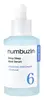
This hydrating serum is formulated around Niacinamide and Sodium Hyaluronate to hydrate skin and strengthen the skin barrier.
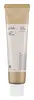
This calming moisturizer is formulated around Centella Asiatica Leaf Extract and Niacinamide to calm redness and clear breakouts.

What's inside
What's inside
 Key Ingredients
Benefits
Concerns
Ingredients Side-by-side
Water 63%
Skin ConditioningButylene Glycol
Humectant

Propanediol
Solvent
Glycerin
Humectant
Niacinamide
Smoothing









1,2-Hexanediol
Skin Conditioning
Chlorella Vulgaris Extract
Skin ConditioningXylitylglucoside
Humectant
Sodium Hyaluronate
Humectant
Hydrolyzed Hyaluronic Acid
Humectant
Xylitol
Humectant
Melia Azadirachta Leaf Extract
Skin ConditioningMelia Azadirachta Flower Extract
Skin ConditioningCoccinia Indica Fruit Extract
Skin Conditioning
Aloe Barbadensis Flower Extract
EmollientSolanum Melongena Fruit Extract
Skin ConditioningOcimum Sanctum Leaf Extract
Skin ConditioningCorallina Officinalis Extract
Skin Conditioning

Curcuma Longa Root Extract
Antioxidant

Hyaluronic Acid
Humectant
Glycereth-26
Humectant
Panthenol
Skin Conditioning
Pentylene Glycol
Skin Conditioning
Glucose
Humectant
Sodium PCA
Humectant
Anhydroxylitol
Humectant
Fructooligosaccharides
Humectant
Fructose
Humectant
Polyglyceryl-10 Laurate
Skin Conditioning

Sodium Citrate
BufferingDipotassium Glycyrrhizate
Humectant
Sodium Hyaluronate Crosspolymer
Humectant
Ethylhexylglycerin
Skin ConditioningAdenosine
Skin Conditioning
Hydrolyzed Glycosaminoglycans
HumectantCitric Acid
Buffering
Benzyl Glycol
SolventTocopherol
Antioxidant
Xanthan Gum
EmulsifyingWater 63%, Butylene Glycol, Propanediol, Glycerin, Niacinamide, 1,2-Hexanediol, Chlorella Vulgaris Extract, Xylitylglucoside, Sodium Hyaluronate, Hydrolyzed Hyaluronic Acid, Xylitol, Melia Azadirachta Leaf Extract, Melia Azadirachta Flower Extract, Coccinia Indica Fruit Extract, Aloe Barbadensis Flower Extract, Solanum Melongena Fruit Extract, Ocimum Sanctum Leaf Extract, Corallina Officinalis Extract, Curcuma Longa Root Extract, Hyaluronic Acid, Glycereth-26, Panthenol, Pentylene Glycol, Glucose, Sodium PCA, Anhydroxylitol, Fructooligosaccharides, Fructose, Polyglyceryl-10 Laurate, Sodium Citrate, Dipotassium Glycyrrhizate, Sodium Hyaluronate Crosspolymer, Ethylhexylglycerin, Adenosine, Hydrolyzed Glycosaminoglycans, Citric Acid, Benzyl Glycol, Tocopherol, Xanthan Gum
Centella Asiatica Leaf Extract 55%
Skin Conditioning
Dipropylene Glycol
HumectantAstrocaryum Murumuru Seed Butter
Emollient
Cyclopentasiloxane
Emollient
Squalane
Emollient
Glyceryl Stearate Se
Emulsifying
Trimethylolpropane Triisostearate
Emollient
Beeswax
Emulsion Stabilising
Diphenylsiloxy Phenyl Trimethicone
Skin Conditioning
Niacinamide
Smoothing
Caprylic/Capric Triglyceride
Masking
Cyclohexasiloxane
Emollient
1,2-Hexanediol
Skin Conditioning
Cetyl Alcohol
Emollient
Glyceryl Stearate
Emollient
Limnanthes Alba Seed Oil
Skin Conditioning
Water
Skin ConditioningLauryl Alcohol
Emollient
Stearyl Alcohol
Emollient
Xanthan Gum
EmulsifyingStearic Acid
Cleansing
Dimethicone
Emollient
Phytosteryl/Behenyl/Octyldodecyl Lauroyl Glutamate
Skin ConditioningPhenoxyethanol
Preservative
Palmitic Acid
Emollient
Camellia Sinensis Leaf Powder
Tocopheryl Acetate
Antioxidant
Sodium Methyl Stearoyl Taurate
CleansingButylene Glycol
Humectant
PEG-100 Stearate
Surfactant
Tromethamine
BufferingMyristyl Alcohol
Emollient
Melaleuca Alternifolia Leaf Oil
Antioxidant

Glycyrrhiza Glabra Root Extract
Bleaching
Disodium EDTA
ChelatingAdenosine
Skin Conditioning
Polysorbate 80
Emulsifying
Propylene Glycol
Humectant
Morus Alba Bark Extract
Skin ConditioningOpuntia Coccinellifera Fruit Extract
Skin ConditioningDiospyros Kaki Leaf Extract
Skin Protecting
Vaccinium Myrtillus Fruit Extract
Skin ConditioningSalix Nigra Bark Extract
Skin ProtectingPropanediol
Solvent
Saccharum Officinarum Extract
MoisturisingCapryloyl Glycine
CleansingCapryloyl Salicylic Acid
Exfoliating
Allium Cepa Bulb Extract
Skin Conditioning
Carbomer
Emulsion StabilisingSodium Tocopheryl Phosphate
Antioxidant
Sophora Angustifolia Root Extract
Skin ConditioningAloe Barbadensis Leaf Extract
Emollient
Citrus Aurantium Dulcis Fruit Extract
MaskingCitrus Medica Limonum Fruit Extract
Skin ConditioningChenopodium Quinoa Extract
Skin ConditioningTocopherol
Antioxidant
Salix Alba Bark Extract
Astringent
Chamaecyparis Obtusa Leaf Extract
Skin ConditioningOriganum Vulgare Leaf Extract
Skin ConditioningArachidic Acid
Cleansing
Acer Saccharum Extract
Skin ConditioningMyristic Acid
Cleansing
Hydrogenated Lecithin
Emulsifying
Scutellaria Baicalensis Root Extract
Astringent
Cinnamomum Zeylanicum Bark Extract
Antimicrobial
Portulaca Oleracea Extract
Skin Conditioning
Lactobacillus/Soybean Ferment Extract
Skin ConditioningEthylhexylglycerin
Skin ConditioningHydrolyzed Hyaluronic Acid
Humectant
Caprylyl Glycol
Emollient
Sh-Decapeptide-9
Skin Conditioning
Centella Asiatica Leaf Extract 55%, Dipropylene Glycol, Astrocaryum Murumuru Seed Butter, Cyclopentasiloxane, Squalane, Glyceryl Stearate Se, Trimethylolpropane Triisostearate, Beeswax, Diphenylsiloxy Phenyl Trimethicone, Niacinamide, Caprylic/Capric Triglyceride, Cyclohexasiloxane, 1,2-Hexanediol, Cetyl Alcohol, Glyceryl Stearate, Limnanthes Alba Seed Oil, Water, Lauryl Alcohol, Stearyl Alcohol, Xanthan Gum, Stearic Acid, Dimethicone, Phytosteryl/Behenyl/Octyldodecyl Lauroyl Glutamate, Phenoxyethanol, Palmitic Acid, Camellia Sinensis Leaf Powder, Tocopheryl Acetate, Sodium Methyl Stearoyl Taurate, Butylene Glycol, PEG-100 Stearate, Tromethamine, Myristyl Alcohol, Melaleuca Alternifolia Leaf Oil, Glycyrrhiza Glabra Root Extract, Disodium EDTA, Adenosine, Polysorbate 80, Propylene Glycol, Morus Alba Bark Extract, Opuntia Coccinellifera Fruit Extract, Diospyros Kaki Leaf Extract, Vaccinium Myrtillus Fruit Extract, Salix Nigra Bark Extract, Propanediol, Saccharum Officinarum Extract, Capryloyl Glycine, Capryloyl Salicylic Acid, Allium Cepa Bulb Extract, Carbomer, Sodium Tocopheryl Phosphate, Sophora Angustifolia Root Extract, Aloe Barbadensis Leaf Extract, Citrus Aurantium Dulcis Fruit Extract, Citrus Medica Limonum Fruit Extract, Chenopodium Quinoa Extract, Tocopherol, Salix Alba Bark Extract, Chamaecyparis Obtusa Leaf Extract, Origanum Vulgare Leaf Extract, Arachidic Acid, Acer Saccharum Extract, Myristic Acid, Hydrogenated Lecithin, Scutellaria Baicalensis Root Extract, Cinnamomum Zeylanicum Bark Extract, Portulaca Oleracea Extract, Lactobacillus/Soybean Ferment Extract, Ethylhexylglycerin, Hydrolyzed Hyaluronic Acid, Caprylyl Glycol, Sh-Decapeptide-9
Reviews
Ingredients Explained
These ingredients are found in both products.
Ingredients higher up in an ingredient list are typically present in a larger amount.
1,2-Hexanediol is a synthetic liquid and another multi-functional powerhouse.
It is a:
- Humectant, drawing moisture into the skin
- Emollient, helping to soften skin
- Solvent, dispersing and stabilizing formulas
- Preservative booster, enhancing the antimicrobial activity of other preservatives
Adenosine is a purine nucleoside that your body already makes in every cell. In skincare, it acts mainly as a skin conditioning and anti-aging agent.
The way it works is fairly well mapped out:
Your skin has cells called fibroblasts that build collagen (the stuff that keeps skin firm and smooth). Adenosine basically flips a switch on these cells that tells them to get to work making more collagen and other proteins. These cells slow down on their own as skin ages, so Adenosine helps give them a little nudge to keep going.
The clinical backing is pretty solid too.
A blind, randomized, placebo-controlled trial of 126 women aged 45-65 tested a 0.1% cream twice daily and found real improvements in crow's feet and frown lines using a precise 3D skin-mapping technique; these changes showed up by week 3 and held at 2 months.
A later study using Adenosine-loaded dissolving microneedle patches reported gains in wrinkle depth, dermal density, elasticity, and hydration.
On concentrations, South Korea's Ministry of Food and Drug Safety has set 0.04% as the approved functional anti-wrinkle level. You'll typically see this ingredient used somewhere in the 0.04-0.1% range since it works at low doses.
This ingredient has been found safe for cosmetics with the data showing no irritation or sensitization.
Overall, this is a great ingredient for any anti-aging routine and has no photosensitizing effect, so it suits both AM and PM use.
Learn more about AdenosineButylene Glycol (or BG) is used within cosmetic products for a few different reasons:
Overall, Butylene Glycol is a safe and well-rounded ingredient that works well with other ingredients.
Though this ingredient works well with most skin types, some people with sensitive skin may experience a reaction such as allergic rashes, closed comedones, or itchiness.
Learn more about Butylene GlycolEthylhexylglycerin is created from glycerin. It is a multitasker ingredient that:
The CIR Expert Panel found minimal skin absorption or sensitization of any kind in a safety assessment. Though this ingredient is considered well-tolerated, a small number of cases of allergic dermatitis have been published since 2002. Just be sure to patch test if you are unsure.
Industry-reported use ranges from 8% in rinse-off products and 2% in leave-on formulations.
Learn more about EthylhexylglycerinHydrolyzed Hyaluronic Acid is hyaluronic acid (HA) that is broken down into lower molecular weight fragments.
It's a humectant that pulls and holds water in the skin to help with hydration, plumpness, and reduce transepidermal water loss.
Because hydrolyzed hyaluronic acid is smaller in size, it can slip past your outermost layer of skin more easily than full-sized HA.
Most formulations will combine all sizes to get the best of both worlds.
Typical usage levels range from 0.01-1%. Any percentage higher than 2% might become goopy and tacky.
Learn more about Hydrolyzed Hyaluronic AcidNiacinamide is a multitasking form of vitamin B3 that strengthens the skin barrier, reduces pores and dark spots, regulates oil, and improves signs of aging.
And the best part? It's gentle and well-tolerated by most skin types, including sensitive and reactive skin.
You might have heard of "niacin flush", or the reddening of skin that causes itchiness. Niacinamide has not been found to cause this.
In very rare cases, some individuals may not be able to tolerate niacinamide at all or experience an allergic reaction to it.
If you are experiencing flaking, irritation, and dryness with this ingredient, be sure to double check all your products as this ingredient can be found in all categories of skincare.
When incorporating niacinamide into your routine, look out for concentration amounts. Typically, 5% niacinamide provides benefits such as fading dark spots. However, if you have sensitive skin, it is better to begin with a smaller concentration.
When you apply niacinamide to your skin, your body converts it into nicotinamide adenine dinucleotide (NAD). NAD is an essential coenzyme that is already found in your cells as "fuel" and powers countless biological processes.
In your skin, NAD helps repair cell damage, produce new healthy cells, support collagen production, strengthen the skin barrier, and fight environmental stressors (like UV and pollution).
Our natural NAD levels start to decline with age, leading to slower skin repair, visible aging, and a weaker skin barrier. By providing your skin niacinamide, you're recharging your skin's NAD levels. This leads to stronger, healthier, and younger looking skin.
Another name for vitamin B3 is nicotinamide. This vitamin is water-soluble and our bodies don't store it. We obtain Vitamin B3 from either food or skincare. Meat, fish, wheat, yeast, and leafy greens contain vitamin B3.
The type of niacinamide used in skincare is synthetically created.
Learn more about NiacinamidePropanediol is an all-star ingredient. It softens, hydrates, and smooths the skin.
It’s often used to:
Propanediol is not likely to cause sensitivity and considered safe to use. It is derived from corn or petroleum with a clear color and no scent.
Learn more about PropanediolTocopherol is a fat-soluble antioxidant known as Vitamin E.
You'll find this ingredient in the vast majority of skincare (for good reason). It works to neutralize free radicals, or unstable molecules generated by UV exposure, pollution, and other environmental stressors, before they can cause oxidative damage to your skin cells.
Topically applied tocopherol has been shown to protect against UV damage by ramping up the skin's own natural defense enzymes.
It also acts as a skin conditioning agent; some studies show that regular topical use can improve the skin's water-binding capacity over 2-4 weeks.
This ingredient is especially loved for being a team player. When combined with Vitamin C, the photoprotective effect of both ingredients roughly doubles and the combo also helps reduce UV-induced DNA damage.
This ingredient has some brightening potential but it's more of a prevention ingredient than spot-fader. Cell studies show it can slow down melanin production but it's worth noting that it's not the most powerful brightener out there.
In formulations, it also serves as a stabilizer that helps protect other oxidation-prone ingredients from degrading.
Concentrations usually range from 0.1-1% in most leave-on products.
Learn more about TocopherolWater. It's the most common cosmetic ingredient of all. You'll usually see it at the top of ingredient lists, meaning that it makes up the largest part of the product.
So why is it so popular? Water most often acts as a solvent - this means that it helps dissolve other ingredients into the formulation.
You'll also recognize water as that liquid we all need to stay alive. If you see this, drink a glass of water. Remember to stay hydrated!
Learn more about WaterXanthan gum is used as a stabilizer and thickener within cosmetic products. It helps give products a sticky, thick feeling - preventing them from being too runny.
On the technical side of things, xanthan gum is a polysaccharide - a combination consisting of multiple sugar molecules bonded together.
Xanthan gum is a pretty common and great ingredient. It is a natural, non-toxic, non-irritating ingredient that is also commonly used in food products.
Learn more about Xanthan Gum

