The Labatorian Brikk "6 In 1 Daily" Skin Barrier Treatment Essence Versus Cute Press CI-Lab Sensitiv Moisture Repair First Serum
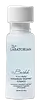
This barrier-repair essence is formulated around Niacinamide and Ectoin to strengthen the skin barrier and calm redness.
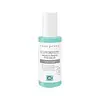
This barrier-repair serum is formulated around Phytosphingosine and Ceramide Ng to strengthen the skin barrier and hydrate skin.

What's inside
What's inside
 Key Ingredients
Benefits
Concerns
Ingredients Side-by-side
Water
Skin ConditioningRosa Centifolia Flower Water
Skin ConditioningGlycerin
Humectant


Niacinamide
Smoothing









Ectoin
Skin Conditioning
Ethoxydiglycol
HumectantPropanediol
Solvent
1,2-Hexanediol
Skin Conditioning
Tetradecyl Aminobutyroylvalylaminobutyric Urea Trifluoroacetate
Skin ConditioningAcetyl Glucosamine
Skin Conditioning
Betaine
Humectant
Hydroxyethyl Urea
Humectant
Polyquaternium-51
Skin Conditioning
Lactococcus Ferment Lysate
Skin Conditioning
Cyclodextrin
AbsorbentNordihydroguaiaretic Acid
Antioxidant
Oleanolic Acid
Skin ConditioningAllantoin
Skin Conditioning
Salix Alba Bark Extract
Astringent
Acetyl Dipeptide-1 Cetyl Ester
Skin Conditioning
Disodium EDTA
ChelatingPEG-40 Hydrogenated Castor Oil
Emulsifying


Sodium Hyaluronate
Humectant
Dipotassium Glycyrrhizate
Humectant
Trehalose
Humectant
Camellia Sinensis Leaf Extract
Antimicrobial
Malachite Extract
Antioxidant
Xanthan Gum
EmulsifyingSaccharide Isomerate
Humectant
Inulin
Skin Conditioning
Ferulic Acid
Antimicrobial
Resveratrol
Antioxidant
Caprylyl Glycol
Emollient
Carbomer
Emulsion StabilisingPEG-60 Almond Glycerides
Emulsifying
Centella Asiatica Extract
Cleansing
Sodium Metabisulfite
Antioxidant
Sodium PCA
Humectant
Sodium Lactate
Buffering
Tocopherol
Antioxidant
Polygonum Cuspidatum Root Extract
Antioxidant
Scutellaria Baicalensis Root Extract
Astringent
Glycyrrhiza Glabra Root Extract
Bleaching
Chamomilla Recutita Flower Extract
Masking
Rosmarinus Officinalis Leaf Extract
AntimicrobialLaureth-3
EmulsifyingHydroxyethylcellulose
Emulsion StabilisingArginine
Masking
Aspartic Acid
Masking
PCA
Humectant
Lactic Acid
Buffering


Sodium Lauroyl Lactylate
EmulsifyingHexacarboxymethyl Dipeptide-12
Humectant
Sodium Chloride
MaskingGlycine
Buffering
Alanine
Masking
Lecithin
Emollient
Serine
Masking
Valine
MaskingCeramide NP
Skin Conditioning
Ceramide AP
Skin Conditioning
Ceramide EOP
Skin Conditioning
Phytosphingosine
Skin Conditioning
Cholesterol
Emollient
Beta-Glucan
Skin Conditioning
Proline
Skin Conditioning
Threonine
Isoleucine
Skin ConditioningCitric Acid
Buffering
Sodium Citrate
BufferingGlucose
Humectant
Histidine
Humectant
Phenylalanine
Masking
Chondrus Crispus Extract
Skin Conditioning
Hydroxypropyltrimonium Hyaluronate
Hydrolyzed Hyaluronic Acid
Humectant
Sodium Acetylated Hyaluronate
Humectant
Hyaluronic Acid
Humectant
Sodium Hyaluronate Crosspolymer
Humectant
Hydrolyzed Sodium Hyaluronate
Skin Conditioning
Potassium Hyaluronate
Skin ConditioningPhenoxyethanol
Preservative
Sodium Benzoate
Masking
Water, Rosa Centifolia Flower Water, Glycerin, Niacinamide, Ectoin, Ethoxydiglycol, Propanediol, 1,2-Hexanediol, Tetradecyl Aminobutyroylvalylaminobutyric Urea Trifluoroacetate, Acetyl Glucosamine, Betaine, Hydroxyethyl Urea, Polyquaternium-51, Lactococcus Ferment Lysate, Cyclodextrin, Nordihydroguaiaretic Acid, Oleanolic Acid, Allantoin, Salix Alba Bark Extract, Acetyl Dipeptide-1 Cetyl Ester, Disodium EDTA, PEG-40 Hydrogenated Castor Oil, Sodium Hyaluronate, Dipotassium Glycyrrhizate, Trehalose, Camellia Sinensis Leaf Extract, Malachite Extract, Xanthan Gum, Saccharide Isomerate, Inulin, Ferulic Acid, Resveratrol, Caprylyl Glycol, Carbomer, PEG-60 Almond Glycerides, Centella Asiatica Extract, Sodium Metabisulfite, Sodium PCA, Sodium Lactate, Tocopherol, Polygonum Cuspidatum Root Extract, Scutellaria Baicalensis Root Extract, Glycyrrhiza Glabra Root Extract, Chamomilla Recutita Flower Extract, Rosmarinus Officinalis Leaf Extract, Laureth-3, Hydroxyethylcellulose, Arginine, Aspartic Acid, PCA, Lactic Acid, Sodium Lauroyl Lactylate, Hexacarboxymethyl Dipeptide-12, Sodium Chloride, Glycine, Alanine, Lecithin, Serine, Valine, Ceramide NP, Ceramide AP, Ceramide EOP, Phytosphingosine, Cholesterol, Beta-Glucan, Proline, Threonine, Isoleucine, Citric Acid, Sodium Citrate, Glucose, Histidine, Phenylalanine, Chondrus Crispus Extract, Hydroxypropyltrimonium Hyaluronate, Hydrolyzed Hyaluronic Acid, Sodium Acetylated Hyaluronate, Hyaluronic Acid, Sodium Hyaluronate Crosspolymer, Hydrolyzed Sodium Hyaluronate, Potassium Hyaluronate, Phenoxyethanol, Sodium Benzoate
Water
Skin ConditioningBetaine
Humectant
Glycerin
Humectant
1,2-Hexanediol
Skin Conditioning
Butylene Glycol
Humectant
Polyglyceryl-10 Laurate
Skin Conditioning
Hydrogenated Phosphatidylcholine
Emulsifying
PEG-30 Phytosterol
EmulsifyingPhytosphingosine
Skin Conditioning
Ceramide Ng
Skin Conditioning
Isopentyldiol
Humectant
Polyglyceryl-10 Diisostearate
Emulsifying
Aloe Barbadensis Leaf Juice
Skin Conditioning
Dipropylene Glycol
HumectantPanthenol
Skin Conditioning
Sodium Hyaluronate
Humectant
Hydrolyzed Hyaluronic Acid
Humectant
C12-13 Alkyl Glyceryl Hydrolyzed Hyaluronate
Phenoxyethanol
Preservative
Chlorphenesin
Antimicrobial
PEG/PPG-17/6 Copolymer
SolventC12-15 Pareth-12
EmulsifyingAcrylates/C10-30 Alkyl Acrylate Crosspolymer
Emulsion StabilisingDisodium EDTA
ChelatingSodium Hydroxide
BufferingWater, Betaine, Glycerin, 1,2-Hexanediol, Butylene Glycol, Polyglyceryl-10 Laurate, Hydrogenated Phosphatidylcholine, PEG-30 Phytosterol, Phytosphingosine, Ceramide Ng, Isopentyldiol, Polyglyceryl-10 Diisostearate, Aloe Barbadensis Leaf Juice, Dipropylene Glycol, Panthenol, Sodium Hyaluronate, Hydrolyzed Hyaluronic Acid, C12-13 Alkyl Glyceryl Hydrolyzed Hyaluronate, Phenoxyethanol, Chlorphenesin, PEG/PPG-17/6 Copolymer, C12-15 Pareth-12, Acrylates/C10-30 Alkyl Acrylate Crosspolymer, Disodium EDTA, Sodium Hydroxide
Ingredients Explained
These ingredients are found in both products.
Ingredients higher up in an ingredient list are typically present in a larger amount.
1,2-Hexanediol is a synthetic liquid and another multi-functional powerhouse.
It is a:
- Humectant, drawing moisture into the skin
- Emollient, helping to soften skin
- Solvent, dispersing and stabilizing formulas
- Preservative booster, enhancing the antimicrobial activity of other preservatives
Betaine is a humectant. Like hyaluronic acid, it helps attract and retain moisture in the skin. It’s known for being gentle and for helping the skin maintain balanced hydration.
Betaine is mainly used to improve hydration and support calmer skin. It helps skin cells regulate water balance because it functions as an osmolyte.
Some studies suggest betaine may support making skin tone more even.
Fun fact: Betaine naturally exists in the skin and the body. In cosmetic products, it can be either plant-derived (most commonly from sugar beets) or synthetically produced for consistency and stability.
Betaine is also known as trimethylglycine.
Learn more about BetaineDisodium EDTA is a chelating agent. It grabs onto and deactivates metal ions that sneak into your products from water, packaging, or air.
This ingredient mainly works behind the scenes and helps with:
On top of that, this ingredient can counteract the effects of hard water by binding to the minerals in it.
One thing worth knowing is that Disodium EDTA has been shown to be a mild penetration enhancer. It can help other ingredients absorb into skin more effectively which can be a double-edged sword (great for actives, but can also make the active too strong if you have sensitive skin).
Clinical patch testing showed no significant skin irritation at typical use concentrations and minimal dermal absorption.
You'll most likely see this ingredient near the end of an ingredient list. It's typically found in concentrations less than 1%.
Learn more about Disodium EDTAGlycerin (or glycerol) is a compound naturally found in your skin. It's a powerhouse humectant that pulls water into the stratum corneum.
Topically, glycerin does several things at once:
Your skin makes glycerin on its own (mostly from sebaceous oil breakdown) and shuttles it to your outermost layer of skin, or your epidermis, via aquaporin-3.
Aquaporin-3 is a transporter that is essential for normal skin hydration, elasticity, and repair. Interestingly, mice lacking in AQP3 have dry and less elastic skin that can be fully corrected with glycerin.
This ingredient is non-irritating, plays well with almost every ingredient, and works across all skin types. Typical use is anywhere between 3-10% but can go up to 79% in some leave-on products.
Just know very high concentrations (>40%) can feel tacky in low humidity.
Glycerin is the name for this ingredient in American English. British English uses Glycerol/Glycerine.
Learn more about GlycerinHydrolyzed Hyaluronic Acid is hyaluronic acid (HA) that is broken down into lower molecular weight fragments.
It's a humectant that pulls and holds water in the skin to help with hydration, plumpness, and reduce transepidermal water loss.
Because hydrolyzed hyaluronic acid is smaller in size, it can slip past your outermost layer of skin more easily than full-sized HA.
Most formulations will combine all sizes to get the best of both worlds.
Typical usage levels range from 0.01-1%. Any percentage higher than 2% might become goopy and tacky.
Learn more about Hydrolyzed Hyaluronic AcidPhenoxyethanol is one of the most widely used preservatives in skincare (and for good reason!).
It has a large spectrum of antimicrobial activity and especially effective bacteria, yeast, and mold while only having a weak effect on your skin's natural microbiome.
On a cellular level, it disrupts the cell membranes of microbes by poking holes that make the cell leak. This shuts down the chemical reactions the microbe needs to make energy so it can no longer survive.
Another perk of this ingredient is that it stays functional across a wide pH range (3-10).
You'll often see it paired with boosters like Ethylhexylglycerin; one study showed that a 1:9 ratio of Ethylhexylglycerin to Phenoxyethanol damages bacterial membranes as effectively as doubling the Phenoxyethanol concentration on its own.
Typical use concentrations range from 0.3-1% depending on the formula, and this ingredient is capped at 1% int the EU.
Safety-wise, the fear mongering does not hold up to the evidence. The EU's Scientific Committee on Consumer Safety and FDA consider it safe as a preservative at up to 1%, including for children of all ages.
Adverse systemic effects only showed up in animal studies at exposures roughly 200x higher than what people get from cosmetics. And despite its very widespread use, this ingredient is a rare sensitizer and allergic reactions are uncommon.
Learn more about PhenoxyethanolPhytosphingosine is a phospholipid naturally found in our skin as a building block for ceramides.. It helps moisturize, soothe, and protect skin.
Phytosphingosine contributes to your skin's natural moisturizing factor (NMF). The NMF is responsible for hydration, a strong barrier, and plasticity. Our NMF decreases with age. Increasing NMF leads to more healthy and hydrated skin.
Studies show products formulated with NMF ingredients help strengthen our skin's barrier. Having a healthy skin barrier reduces irritation and increases hydration. Our skin barrier is responsible for having plump and firm skin. It also helps protect our skin against infection, allergies, and inflammation.
Fun fact: Phytosphingosine is abundant in plants and fungi.
More ingredients that help boost collagen in skin:
Learn more about PhytosphingosineSodium Hyaluronate is the salt form of hyaluronic acid. It is a long sugar chain that is naturally found in your skin, joints, and connective tissue that maintains hydration and elasticity.
In skincare, it works as a humectant. It pulls water from the environment and deeper layers of skin and binds it to the surface.
Interestingly, the size of the molecule affects its behavior:
Some clinical evidence links low molecular weight versions to improved wrinkle depth, elasticity, anti-inflammatory effects, and barrier repair.
Many serums use a blend of both weights so you can get surface hydration plus longer-lasting and deeper effects.
You'll typically see concentrations between 0.1-2% for this ingredient.
Learn more about Sodium HyaluronateWater. It's the most common cosmetic ingredient of all. You'll usually see it at the top of ingredient lists, meaning that it makes up the largest part of the product.
So why is it so popular? Water most often acts as a solvent - this means that it helps dissolve other ingredients into the formulation.
You'll also recognize water as that liquid we all need to stay alive. If you see this, drink a glass of water. Remember to stay hydrated!
Learn more about Water

