The INKEY List Bio-Active Ceramide Repairing and Plumping Moisturizer Versus Drunk Elephant Bora Barrier Repair Cream
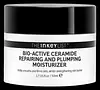
This barrier-repair moisturizer is formulated around Butyrospermum Parkii Butter and Ceramide NP to strengthen the skin barrier and hydrate skin.
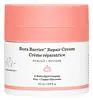
This barrier-repair moisturizer is formulated around Butyrospermum Parkii Butter and Glucosyl Ceramide to strengthen the skin barrier and hydrate skin.


What's inside
What's inside
 Key Ingredients
Benefits
Concerns
Ingredients Side-by-side
Water
Skin ConditioningGlycerin
Humectant


Butyrospermum Parkii Butter
Skin Conditioning




C12-15 Alkyl Benzoate
AntimicrobialPropanediol
Solvent
Polysilicone-11


C10-18 Triglycerides
Emollient
Caprylic/Capric Triglyceride
Masking
Pentaerythrityl Tetraisostearate
Emollient
Cetearyl Olivate
Sorbitan Olivate
Emulsifying
Cetyl Alcohol
Emollient
Phenoxyethanol
Preservative
Ceramide NP
Skin Conditioning



Polyacrylate-13
Hydrogenated Polyisobutene
EmollientEthylhexylglycerin
Skin ConditioningPolyglyceryl-10 Laurate
Skin Conditioning
Ethylhexyl Palmitate
Emollient
Laureth-12
EmulsifyingSorbitan Isostearate
Emulsifying
Hdi/Trimethylol Hexyllactone Crosspolymer
Polymethylsilsesquioxane
Citric Acid
Buffering

Sodium Hydroxide
BufferingWater, Glycerin, Butyrospermum Parkii Butter, C12-15 Alkyl Benzoate, Propanediol, Polysilicone-11, C10-18 Triglycerides, Caprylic/Capric Triglyceride, Pentaerythrityl Tetraisostearate, Cetearyl Olivate, Sorbitan Olivate, Cetyl Alcohol, Phenoxyethanol, Ceramide NP, Polyacrylate-13, Hydrogenated Polyisobutene, Ethylhexylglycerin, Polyglyceryl-10 Laurate, Ethylhexyl Palmitate, Laureth-12, Sorbitan Isostearate, Hdi/Trimethylol Hexyllactone Crosspolymer, Polymethylsilsesquioxane, Citric Acid, Sodium Hydroxide
Water
Skin ConditioningGlycerin
Humectant
Propanediol
Solvent
Ethylhexyl Olivate
Skin Conditioning
Butyrospermum Parkii Butter
Skin Conditioning
C10-18 Triglycerides
Emollient
Cetearyl Alcohol
Emollient
Hydroxyethyl Acrylate/Sodium Acryloyldimethyl Taurate Copolymer
Emulsion StabilisingCetearyl Olivate
Sorbitan Olivate
Emulsifying
Beta-Sitosterol
Emulsion Stabilising
Oenothera Biennis Oil
Emollient
Sclerocarya Birrea Seed Oil
Humectant
Simmondsia Chinensis Seed Oil
Emollient
Calophyllum Inophyllum Seed Oil
Antimicrobial
Oleic Acid
Emollient
Squalane
Emollient
Butylene Glycol
Humectant
Glucosyl Ceramide
Skin Conditioning
Linoleic Acid
Cleansing
Linolenic Acid
Cleansing

Glycosphingolipids
EmollientRosa Canina Fruit Oil
Emollient
Moringa Oleifera Seed Oil
Emollient
Alpha-Glucan
HumectantResveratrol
Antioxidant
Epigallocatechin Gallate
Antioxidant
Magnesium Aspartate
Skin ConditioningZinc Gluconate
Skin Conditioning


Copper Gluconate
Skin Conditioning
Acacia Senegal Gum
MaskingSodium PCA
Humectant
Palmitoyl Tripeptide-1
Skin Conditioning

Palmitoyl Tetrapeptide-7
Skin Conditioning
Sorbitan Isostearate
Emulsifying
Haematococcus Pluvialis Extract
Antioxidant
Quercetin
Antioxidant
Astaxanthin
Skin Conditioning
Magnesium Ascorbyl Phosphate
Antioxidant
Ceramide AP
Skin Conditioning
Ceramide NP
Skin Conditioning
Ceramide EOP
Skin Conditioning
Dextrin
AbsorbentPalmitic Acid
Emollient
Coco-Glucoside
Cleansing
Sodium Lactate
Buffering
Stearic Acid
Cleansing
Pentylene Glycol
Skin Conditioning
Brassica Campestris Seed Oil
Skin Conditioning
Tetrahexyldecyl Ascorbate
Antioxidant
Sodium Lauroyl Lactylate
EmulsifyingPhytosphingosine
Skin Conditioning
Cholesterol
Emollient
Xanthan Gum
EmulsifyingTetrasodium Glutamate Diacetate
ChelatingCitric Acid
Buffering
Phenoxyethanol
Preservative
Sodium Hydroxide
BufferingTocopherol
Antioxidant
Polysorbate 60
Emulsifying
Carbomer
Emulsion StabilisingEthylhexylglycerin
Skin ConditioningWater, Glycerin, Propanediol, Ethylhexyl Olivate, Butyrospermum Parkii Butter, C10-18 Triglycerides, Cetearyl Alcohol, Hydroxyethyl Acrylate/Sodium Acryloyldimethyl Taurate Copolymer, Cetearyl Olivate, Sorbitan Olivate, Beta-Sitosterol, Oenothera Biennis Oil, Sclerocarya Birrea Seed Oil, Simmondsia Chinensis Seed Oil, Calophyllum Inophyllum Seed Oil, Oleic Acid, Squalane, Butylene Glycol, Glucosyl Ceramide, Linoleic Acid, Linolenic Acid, Glycosphingolipids, Rosa Canina Fruit Oil, Moringa Oleifera Seed Oil, Alpha-Glucan, Resveratrol, Epigallocatechin Gallate, Magnesium Aspartate, Zinc Gluconate, Copper Gluconate, Acacia Senegal Gum, Sodium PCA, Palmitoyl Tripeptide-1, Palmitoyl Tetrapeptide-7, Sorbitan Isostearate, Haematococcus Pluvialis Extract, Quercetin, Astaxanthin, Magnesium Ascorbyl Phosphate, Ceramide AP, Ceramide NP, Ceramide EOP, Dextrin, Palmitic Acid, Coco-Glucoside, Sodium Lactate, Stearic Acid, Pentylene Glycol, Brassica Campestris Seed Oil, Tetrahexyldecyl Ascorbate, Sodium Lauroyl Lactylate, Phytosphingosine, Cholesterol, Xanthan Gum, Tetrasodium Glutamate Diacetate, Citric Acid, Phenoxyethanol, Sodium Hydroxide, Tocopherol, Polysorbate 60, Carbomer, Ethylhexylglycerin
Reviews
Ingredients Explained
These ingredients are found in both products.
Ingredients higher up in an ingredient list are typically present in a larger amount.
This ingredient is also known as shea butter. It is a plant-derived extract from the nuts of the Africa shea tree and one of the most well-studied emollients.
Because it has a high concentration of fatty acids (primarily oleic, stearic, and linoleic) it is able to form a protective barrier on the skin's surface. This helps seal in moisture and prevents transepidermal water loss (TEWL).
In vitro research found an increase in skin hydration by 58% and a decrease in TEWL by 37.8% after 24 hours of applying this ingredient (pretty impressive for a single ingredient!).
Besides hydration, shea butter also contains triterpenes that have anti-inflammatory potential. In particule, lupeol cinnamate has shown the highest anti-inflammatory activity in vivo.
Shea butter also contains vitamins A and E which may contribute to antioxidant activity.
While Shea Butter has an SPF rating of about 3-4, it is not a sunscreen replacement.
This ingredient may not be fungal acne safe because its fatty acids fall within the C11-C24 range that the Malassezia yeast can metabolize.
This ingredient shows up on a lot of "pore-clogging" lists but there's no real evidence behind that. It doesn't even have a comedogenic rating from an actual study; the numbers you'll find online come from blogs citing other blogs.
Ratings for other ingredients mostly come from a 1980s rabbit ear test. This test doesn't translate well to human skin or to real products because the ingredient sits at a much lower percentage.
Some people still find it breaks them out. So if that's you, definitely trust your skin. Just know this one's based on experience and not evidence.
Learn more about Butyrospermum Parkii ButterC10-18 Triglycerides is a skin conditioning and texture-enhancer.
It is created from glycerin and a mixture of C10-18 fatty acids.
This ingredient improves spreadability and helps thicken a product.
According to manufacturers, it usually comes from vegetable-based saturated fatty acids. Common bases for this ingredient are coconut oil, palm kernel oil, or both.
Due to the melting point being close to skin temperature, it is usually used in lip products.
Triglycerides are a main component of fat in the human body.
Learn more about C10-18 TriglyceridesCeramide NP (formerly known as Ceramide 3) is one of the skin's naturally occurring lipids.
Since ceramides are the major lipid components of the skin, they are crucial for maintaining skin barrier and hydration. Ceramide NP most closely mirrors the dominant kind in human skin amongst ceramide subtypes.
This ceramide works by slotting into gaps within the stratum corneum's lipid matrix to limit trans-epidermal water loss (TEWL) and shield the skin against external irritants.
A study with 312 patients found that using a ceramide-containing routine for 4 weeks reduced the severity of atopic dermatitis by over 61%.
Another clinical study in subjects aged 60 and older found that a ceramide body wash and moisturizer improved skin dryness and itchy skin in 15 days.
Overall, ceramides are considered non-irritating and safety tests have found little to no observable adverse effects from using this ingredient.
Ceramide NP is usually sourced from plants (like soybean or rice bran), or produced synthetically.
Learn more about Ceramide NPCetearyl Olivate is a plant-derived emulsifier and texture enhancer. It helps keep the oil and water phases from separating so your formulas stay stable.
You'll likely see it combined with Sorbitan Olivate (together sold as the trade name Olivem 1000). This combination generates a liquid crystal structure that closely resemble the lipid organization of the stratum corneum.
These "skin-like" liquid crystals improve skin barrier integrity and promote the delivery of actives into the skin.
This ingredient is well-tolerated and has no significant sensitization data.
Because it is derived from the fatty acids in olive oil, this ingredient may not be fungal acne safe.
Learn more about Cetearyl OlivateCitric Acid is an alpha hydroxy acid (AHA) naturally found in citrus fruits like oranges, lemons, and limes.
Like other AHAs, citric acid can exfoliate skin by breaking down the bonds that hold dead skin cells together. This helps reveal smoother and brighter skin underneath.
However, this exfoliating effect only happens at high concentrations (20%) which can be hard to find in cosmetic products.
Due to this, citric acid is usually included in small amounts as a pH adjuster. This helps keep products slightly more acidic and compatible with skin's natural pH.
In skincare formulas, citric acid can:
While it can provide some skin benefits, research shows lactic acid and glycolic acid are generally more effective and less irritating exfoliants.
Most citric acid used in skincare today is made by fermenting sugars (usually from molasses). This synthetic version is identical to the natural citrus form but easier to stabilize and use in formulations.
Rosacea skin has a lower threshold for acids generally, with 62.5% of rosacea subjects in one study reacting to lactic acid in a sting test. This is why we mark citric acid as a potential rosacea trigger.
However, this ingredient shows up as a pH adjuster or chelator at roughly 0.1-1% in many products. These low levels are unlikely to be an issue for rosacea skin and becomes a potential trigger at exfoliating concentrations (20%). Because everybody's skin is unique, we recommend a patch test if you are unsure.
Learn more about Citric AcidEthylhexylglycerin is created from glycerin. It is a multitasker ingredient that:
The CIR Expert Panel found minimal skin absorption or sensitization of any kind in a safety assessment. Though this ingredient is considered well-tolerated, a small number of cases of allergic dermatitis have been published since 2002. Just be sure to patch test if you are unsure.
Industry-reported use ranges from 8% in rinse-off products and 2% in leave-on formulations.
Learn more about EthylhexylglycerinGlycerin (or glycerol) is a compound naturally found in your skin. It's a powerhouse humectant that pulls water into the stratum corneum.
Topically, glycerin does several things at once:
Your skin makes glycerin on its own (mostly from sebaceous oil breakdown) and shuttles it to your outermost layer of skin, or your epidermis, via aquaporin-3.
Aquaporin-3 is a transporter that is essential for normal skin hydration, elasticity, and repair. Interestingly, mice lacking in AQP3 have dry and less elastic skin that can be fully corrected with glycerin.
This ingredient is non-irritating, plays well with almost every ingredient, and works across all skin types. Typical use is anywhere between 3-10% but can go up to 79% in some leave-on products.
Just know very high concentrations (>40%) can feel tacky in low humidity.
Glycerin is the name for this ingredient in American English. British English uses Glycerol/Glycerine.
Learn more about GlycerinPhenoxyethanol is one of the most widely used preservatives in skincare (and for good reason!).
It has a large spectrum of antimicrobial activity and especially effective bacteria, yeast, and mold while only having a weak effect on your skin's natural microbiome.
On a cellular level, it disrupts the cell membranes of microbes by poking holes that make the cell leak. This shuts down the chemical reactions the microbe needs to make energy so it can no longer survive.
Another perk of this ingredient is that it stays functional across a wide pH range (3-10).
You'll often see it paired with boosters like Ethylhexylglycerin; one study showed that a 1:9 ratio of Ethylhexylglycerin to Phenoxyethanol damages bacterial membranes as effectively as doubling the Phenoxyethanol concentration on its own.
Typical use concentrations range from 0.3-1% depending on the formula, and this ingredient is capped at 1% int the EU.
Safety-wise, the fear mongering does not hold up to the evidence. The EU's Scientific Committee on Consumer Safety and FDA consider it safe as a preservative at up to 1%, including for children of all ages.
Adverse systemic effects only showed up in animal studies at exposures roughly 200x higher than what people get from cosmetics. And despite its very widespread use, this ingredient is a rare sensitizer and allergic reactions are uncommon.
Learn more about PhenoxyethanolPropanediol is an all-star ingredient. It softens, hydrates, and smooths the skin.
It’s often used to:
Propanediol is not likely to cause sensitivity and considered safe to use. It is derived from corn or petroleum with a clear color and no scent.
Learn more about PropanediolSodium Hydroxide is also known as lye or caustic soda. It is used to adjust the pH of products; many ingredients require a specific pH to be effective.
In small amounts, sodium hydroxide is considered safe to use. However, large amounts may cause chemical burns due to its high alkaline.
Your skin has a natural pH and acid mantle. This acid mantle helps prevent harmful bacteria from breaking through. The acid mantle also helps keep your skin hydrated.
"Alkaline" refers to a high pH level. A low pH level would be considered acidic.
Learn more about Sodium HydroxideSorbitan Isostearate is an emulsifer. It is created from isostearic acid and sorbitol.
As an emulsifier, it keeps the water and oil ingredients from separating. This keeps formulas stable and smooth.
In a 24 hour occlusive patch test on 56 subjects, 10% sorbitan isostearate was completely non-irritating. Most formulas use less than 10%.
Because it's a fatty acid ester, it may not be fungal acne safe since the Malassezia yeast can utilize it as a nutrient source.
Learn more about Sorbitan IsostearateSorbitan Olivate is created from the fatty acids in olive oil and sorbitol.
This ingredient is an oil in water emulsifier. It helps stabilize a product by preventing oils and waters from separating. Sorbitan Olivate also helps hydrate the skin.
This ingredient is also known as part of Olivem 1000, with Cetearyl Olivate being the other part.
According to a manufacturer, this ingredient helps preserve the natural microbiome of skin. Having a healthy microbiome helps keep our skin healthy and protects against harmful bacteria.
Please note, having a healthy microbiome is different from fungal acne; a healthy microbiome includes small amounts of yeast that normally live on your skin without causing problems.
Fungal acne happens when one type of yeast (Malassezia) grows out of control. This is usually because it's feeding on certain oils or fatty acids. Due to the olive oil base, this ingredient may not be fungal acne safe.
Learn more about Sorbitan OlivateWater. It's the most common cosmetic ingredient of all. You'll usually see it at the top of ingredient lists, meaning that it makes up the largest part of the product.
So why is it so popular? Water most often acts as a solvent - this means that it helps dissolve other ingredients into the formulation.
You'll also recognize water as that liquid we all need to stay alive. If you see this, drink a glass of water. Remember to stay hydrated!
Learn more about Water

