The History of Whoo Bichup Ultimate Recovery Youth Serum Versus Sulwhasoo First Care Activating Serum
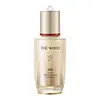
This barrier-repair serum is formulated around Panthenol and Ceramide NP to strengthen the skin barrier and soften the look of wrinkles.
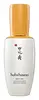
This hydrating serum is formulated around Glycyrrhiza Uralensis Root Extract and Camellia Sinensis Leaf Extract to hydrate skin.

What's inside
What's inside
 Key Ingredients
Benefits
Concerns
Ingredients Side-by-side
Water
Skin ConditioningGlycerin
Humectant


Dipropylene Glycol
HumectantPEG/PPG/Polybutylene Glycol-8/5/3 Glycerin
HumectantGlyceryl Polymethacrylate
Dimethicone
Emollient
1,2-Hexanediol
Skin Conditioning
Butylene Glycol
Humectant
Panthenol
Skin Conditioning

PEG-150
HumectantPhenyl Trimethicone
Skin Conditioning
Polymethylsilsesquioxane
Hydrogenated Lecithin
Emulsifying
Hydroxyproline
Skin ConditioningPolysorbate 60
Emulsifying

C14-22 Alcohols
Emulsion Stabilising
Squalane
Emollient
Ceramide NP
Skin Conditioning
Tromethamine
BufferingMacadamia Ternifolia Seed Oil
Emollient
Triethylhexanoin
MaskingCarbomer
Emulsion StabilisingAllantoin
Skin Conditioning
PEG-10 Rapeseed Sterol
CleansingArachidyl Glucoside
EmulsifyingButyrospermum Parkii Butter
Skin Conditioning


Dimethiconol
Emollient
Sodium Polyacrylate
Absorbent
Glyceryl Stearate/Acetate
EmollientAcrylates/C10-30 Alkyl Acrylate Crosspolymer
Emulsion StabilisingEmpetrum Nigrum Fruit Juice
Skin ConditioningMica
Cosmetic ColorantBiosaccharide Gum-1
Humectant
Stearic Acid
Cleansing
Tocopherol
Antioxidant



CI 77891
Cosmetic ColorantCholesterol
Emollient
PEG-100 Stearate
Surfactant
Beta-Glucan
Skin Conditioning
Glycereth-20
HumectantPolyurethane-15
Trisodium EDTA
ChelatingCI 77491
Cosmetic ColorantGlycine Soja Oil
Emollient
Betaine
Humectant
Nicotinamide Adenine Dinucleotide
Skin ConditioningTrehalose
Humectant
Asparagus Cochinchinensis Root Extract
Skin ConditioningGlycyrrhetinic Acid
Skin Conditioning
Ethylhexylglycerin
Skin ConditioningDimethicone/Vinyl Dimethicone Crosspolymer
Skin Conditioning
Pentylene Glycol
Skin Conditioning
Sodium Lactate
Buffering
Arginine
Masking
Dioscorea Japonica Root Extract
Skin Conditioning
Glycyrrhiza Glabra Root Extract
Bleaching
Polygonatum Officinale Rhizome/Root Extract
Skin ConditioningPolygonum Multiflorum Root Extract
Skin ConditioningAngelica Gigas Root Extract
Skin ConditioningPanax Ginseng Root Extract
Emollient
Quercetin
Antioxidant
Amodimethicone
Cordyceps Militaris Extract
Skin ConditioningCordyceps Sinensis Extract
Antioxidant
Disodium EDTA
ChelatingPhytosterols
Skin Conditioning
Polysorbate 20
Emulsifying
Sodium Hydroxide
BufferingTypha Angustifolia Spike Extract
Skin ConditioningGlutamic Acid
Humectant
Cornus Officinalis Fruit Extract
Skin ConditioningThymus Vulgaris Extract
Perfuming
Hydroxyethylpiperazine Ethane Sulfonic Acid
BufferingSodium Stearoyl Glutamate
CleansingSorbitan Oleate
Emulsifying
Cinnamomum Cassia Bark Extract
Masking
Paeonia Lactiflora Root Extract
Skin ConditioningSodium Glutamate
MaskingOphiopogon Japonicus Root Extract
Skin ConditioningScutellaria Baicalensis Root Extract
Astringent
Atractylodes Japonica Rhizome Extract
Skin ConditioningSaposhnikovia Divaricata Root Extract
AntimicrobialZingiber Officinale Root Extract
Masking
Ziziphus Jujuba Fruit Extract
Skin ConditioningSodium DNA
Skin Conditioning
Potassium Aspartate
Skin ConditioningTryptophan
MaskingAsparagine
MaskingBiotin/Folic Acid/Cyanocobalamin/Niacinamide/Pantothenic Acid/Pyridoxine/Riboflavin/Thiamine/Yeast Polypeptides
Skin Conditioning

Glutamine
Skin ConditioningPotassium Sorbate
Preservative
Proline
Skin Conditioning
Alanine
Masking
Glycine
Buffering
Threonine
Glycoproteins
Skin Conditioning
Lysine
Skin ConditioningSerine
Masking
Rehmannia Chinensis Root Extract
Skin ConditioningArbutin
Antioxidant
Valine
MaskingLeucine
Skin ConditioningPhenylalanine
Masking
Tyrosine
MaskingOligopeptide-1
Skin Conditioning
Acetyl Hexapeptide-8
Humectant
Copper Tripeptide-1
Skin Conditioning
Ganoderma Lucidum Extract
Skin Protecting
Oligopeptide-2
Skin Conditioning
Isoleucine
Skin ConditioningHistidine
Humectant
Palmitoyl Tripeptide-1
Skin Conditioning
Oligopeptide-4
Skin Conditioning
Palmitoyl Tetrapeptide-7
Skin Conditioning
Hydrolyzed Soy Protein
Humectant
Poria Cocos Sclerotium Extract
AstringentHistidine Hcl
Skin ConditioningMethionine
Skin ConditioningInositol
Humectant
Cystine
MaskingFolic Acid
Skin ConditioningNiacinamide
Smoothing


Pyridoxine Hcl
Skin ConditioningThiamine Hcl
MaskingCalcium Pantothenate
Biotin
AntiseborrhoeicRiboflavin
Cosmetic ColorantCyanocobalamin
Skin ConditioningParfum
Masking

Geraniol
Perfuming
Linalool
Perfuming
Limonene
Perfuming
Benzyl Benzoate
Antimicrobial
Hydroxycitronellal
Perfuming
Citronellol
Perfuming
Water, Glycerin, Dipropylene Glycol, PEG/PPG/Polybutylene Glycol-8/5/3 Glycerin, Glyceryl Polymethacrylate, Dimethicone, 1,2-Hexanediol, Butylene Glycol, Panthenol, PEG-150, Phenyl Trimethicone, Polymethylsilsesquioxane, Hydrogenated Lecithin, Hydroxyproline, Polysorbate 60, C14-22 Alcohols, Squalane, Ceramide NP, Tromethamine, Macadamia Ternifolia Seed Oil, Triethylhexanoin, Carbomer, Allantoin, PEG-10 Rapeseed Sterol, Arachidyl Glucoside, Butyrospermum Parkii Butter, Dimethiconol, Sodium Polyacrylate, Glyceryl Stearate/Acetate, Acrylates/C10-30 Alkyl Acrylate Crosspolymer, Empetrum Nigrum Fruit Juice, Mica, Biosaccharide Gum-1, Stearic Acid, Tocopherol, CI 77891, Cholesterol, PEG-100 Stearate, Beta-Glucan, Glycereth-20, Polyurethane-15, Trisodium EDTA, CI 77491, Glycine Soja Oil, Betaine, Nicotinamide Adenine Dinucleotide, Trehalose, Asparagus Cochinchinensis Root Extract, Glycyrrhetinic Acid, Ethylhexylglycerin, Dimethicone/Vinyl Dimethicone Crosspolymer, Pentylene Glycol, Sodium Lactate, Arginine, Dioscorea Japonica Root Extract, Glycyrrhiza Glabra Root Extract, Polygonatum Officinale Rhizome/Root Extract, Polygonum Multiflorum Root Extract, Angelica Gigas Root Extract, Panax Ginseng Root Extract, Quercetin, Amodimethicone, Cordyceps Militaris Extract, Cordyceps Sinensis Extract, Disodium EDTA, Phytosterols, Polysorbate 20, Sodium Hydroxide, Typha Angustifolia Spike Extract, Glutamic Acid, Cornus Officinalis Fruit Extract, Thymus Vulgaris Extract, Hydroxyethylpiperazine Ethane Sulfonic Acid, Sodium Stearoyl Glutamate, Sorbitan Oleate, Cinnamomum Cassia Bark Extract, Paeonia Lactiflora Root Extract, Sodium Glutamate, Ophiopogon Japonicus Root Extract, Scutellaria Baicalensis Root Extract, Atractylodes Japonica Rhizome Extract, Saposhnikovia Divaricata Root Extract, Zingiber Officinale Root Extract, Ziziphus Jujuba Fruit Extract, Sodium DNA, Potassium Aspartate, Tryptophan, Asparagine, Biotin/Folic Acid/Cyanocobalamin/Niacinamide/Pantothenic Acid/Pyridoxine/Riboflavin/Thiamine/Yeast Polypeptides, Glutamine, Potassium Sorbate, Proline, Alanine, Glycine, Threonine, Glycoproteins, Lysine, Serine, Rehmannia Chinensis Root Extract, Arbutin, Valine, Leucine, Phenylalanine, Tyrosine, Oligopeptide-1, Acetyl Hexapeptide-8, Copper Tripeptide-1, Ganoderma Lucidum Extract, Oligopeptide-2, Isoleucine, Histidine, Palmitoyl Tripeptide-1, Oligopeptide-4, Palmitoyl Tetrapeptide-7, Hydrolyzed Soy Protein, Poria Cocos Sclerotium Extract, Histidine Hcl, Methionine, Inositol, Cystine, Folic Acid, Niacinamide, Pyridoxine Hcl, Thiamine Hcl, Calcium Pantothenate, Biotin, Riboflavin, Cyanocobalamin, Parfum, Geraniol, Linalool, Limonene, Benzyl Benzoate, Hydroxycitronellal, Citronellol
Water
Skin ConditioningButylene Glycol
Humectant
Alcohol
Antimicrobial

Glycerin
Humectant
Betaine
Humectant
PEG/PPG-17/6 Copolymer
SolventGlyceryl Polymethacrylate
Ophiopogon Japonicus Root Extract
Skin ConditioningPhenoxyethanol
Preservative
Bis-PEG-18 Methyl Ether Dimethyl Silane
EmollientPEG-60 Hydrogenated Castor Oil
Emulsifying
Carbomer
Emulsion StabilisingTromethamine
BufferingGlycyrrhiza Uralensis Root Extract
Skin Conditioning
Parfum
Masking
Honey
Humectant
Juglans Regia Seed Extract
Skin ConditioningTheobroma Cacao Extract
Skin ConditioningDextrin
AbsorbentLilium Candidum Bulb Extract
Skin ConditioningPaeonia Albiflora Root Extract
Skin ConditioningRehmannia Glutinosa Root Extract
Skin ConditioningPolygonatum Officinale Rhizome/Root Extract
Skin ConditioningNelumbo Nucifera Flower Extract
Skin ConditioningXanthan Gum
EmulsifyingEthylhexylglycerin
Skin ConditioningPortulaca Oleracea Extract
Skin Conditioning
Limonene
Perfuming
Camellia Sinensis Leaf Extract
Antimicrobial
Disodium EDTA
ChelatingPhenyl Trimethicone
Skin Conditioning
Chondrus Crispus
Masking
Linalool
Perfuming
Biosaccharide Gum-1
Humectant
Ziziphus Jujuba Fruit Extract
Skin ConditioningNatto Gum
Citronellol
Perfuming
Citral
Perfuming
Propylene Glycol
Humectant
Geraniol
Perfuming
Chlorphenesin
Antimicrobial
Hydrogenated Lecithin
Emulsifying
BHT
Antioxidant
Sodium Dehydroacetate
Preservative
Potassium Sorbate
Preservative
Citric Acid
Buffering
Sorbic Acid
Preservative
Tocopherol
Antioxidant
Water, Butylene Glycol, Alcohol, Glycerin, Betaine, PEG/PPG-17/6 Copolymer, Glyceryl Polymethacrylate, Ophiopogon Japonicus Root Extract, Phenoxyethanol, Bis-PEG-18 Methyl Ether Dimethyl Silane, PEG-60 Hydrogenated Castor Oil, Carbomer, Tromethamine, Glycyrrhiza Uralensis Root Extract, Parfum, Honey, Juglans Regia Seed Extract, Theobroma Cacao Extract, Dextrin, Lilium Candidum Bulb Extract, Paeonia Albiflora Root Extract, Rehmannia Glutinosa Root Extract, Polygonatum Officinale Rhizome/Root Extract, Nelumbo Nucifera Flower Extract, Xanthan Gum, Ethylhexylglycerin, Portulaca Oleracea Extract, Limonene, Camellia Sinensis Leaf Extract, Disodium EDTA, Phenyl Trimethicone, Chondrus Crispus, Linalool, Biosaccharide Gum-1, Ziziphus Jujuba Fruit Extract, Natto Gum, Citronellol, Citral, Propylene Glycol, Geraniol, Chlorphenesin, Hydrogenated Lecithin, BHT, Sodium Dehydroacetate, Potassium Sorbate, Citric Acid, Sorbic Acid, Tocopherol
Reviews
Ingredients Explained
These ingredients are found in both products.
Ingredients higher up in an ingredient list are typically present in a larger amount.
Betaine is a humectant. Like hyaluronic acid, it helps attract and retain moisture in the skin. It’s known for being gentle and for helping the skin maintain balanced hydration.
Betaine is mainly used to improve hydration and support calmer skin. It helps skin cells regulate water balance because it functions as an osmolyte.
Some studies suggest betaine may support making skin tone more even.
Fun fact: Betaine naturally exists in the skin and the body. In cosmetic products, it can be either plant-derived (most commonly from sugar beets) or synthetically produced for consistency and stability.
Betaine is also known as trimethylglycine.
Learn more about BetaineBiosaccharide Gum-1 is a sugar created by fermenting sorbitol (which usually comes from potato starch!). It is known for its soothing and moisturizing properties.
Manufacturer tests show this ingredient helped reduce irritation from lactic acid by almost half and kept skin hydrated long-term as a humectant
Beyond hydration, Biosaccharide Gum-1 gives formulas a silky, non-sticky feel.
This ingredient is gentle, versatile, and suitable for all skin types.
Fun fact: Similar sugars can be found naturally in fruits like apples and pears.
Learn more about Biosaccharide Gum-1Butylene Glycol (or BG) is used within cosmetic products for a few different reasons:
Overall, Butylene Glycol is a safe and well-rounded ingredient that works well with other ingredients.
Though this ingredient works well with most skin types, some people with sensitive skin may experience a reaction such as allergic rashes, closed comedones, or itchiness.
Learn more about Butylene GlycolCarbomer is a synthetic thickening and gelling agent. It's basically the ingredient that gives a lot of serums, gels, creams, and sunscreens their smooth, non-sticky texture.
Although legally permitted at very high levels, carbomers are normally used at concentrations below 1%.
It also needs to be neutralized to actually thicken, and because it is a large molecule, it doesn't really penetrate the skin barrier.
Allergy-wise, the risk is very low. Clinical studies show carbomers have low potential for skin irritation/sensitization even at concentrations up to 100%.
A 2024 UK study patch-tested 1,302 patients and found true allergy to the parent group of carbomer to be rare with no confirmed relevant reactions.
Learn more about CarbomerCitronellol is used to add fragrance/parfum to a product. It is often derived from plants such as roses. In fact, it can be found in many essential oils including geranium, lavender, neroli, and more. The scent of Citronellol is often described as "fresh, grassy, and citrus-like".
Since the Citronellol molecule is already unstable, Citronellol becomes irritating on the skin when exposed to air.
Citronellol is a modified terpene. Terpenes are unsaturated hydrocarbons found in plants. They make up the primary part of essential oils.
Citronellol is not able to be absorbed into deeper layers of the skin. It has low permeability,
Citronellol is also a natural insect repellent.
Learn more about CitronellolDisodium EDTA is a chelating agent. It grabs onto and deactivates metal ions that sneak into your products from water, packaging, or air.
This ingredient mainly works behind the scenes and helps with:
On top of that, this ingredient can counteract the effects of hard water by binding to the minerals in it.
One thing worth knowing is that Disodium EDTA has been shown to be a mild penetration enhancer. It can help other ingredients absorb into skin more effectively which can be a double-edged sword (great for actives, but can also make the active too strong if you have sensitive skin).
Clinical patch testing showed no significant skin irritation at typical use concentrations and minimal dermal absorption.
You'll most likely see this ingredient near the end of an ingredient list. It's typically found in concentrations less than 1%.
Learn more about Disodium EDTAEthylhexylglycerin is created from glycerin. It is a multitasker ingredient that:
The CIR Expert Panel found minimal skin absorption or sensitization of any kind in a safety assessment. Though this ingredient is considered well-tolerated, a small number of cases of allergic dermatitis have been published since 2002. Just be sure to patch test if you are unsure.
Industry-reported use ranges from 8% in rinse-off products and 2% in leave-on formulations.
Learn more about EthylhexylglycerinGeraniol is used to add fragrance/parfum to a product. It is the main component of citronellol. It is a monoterpenoid and an alcohol.
Monoterpenes are naturally found in many parts of different plants.
Geraniol can be found in many essential oils including Rose Oil and Citronella Oil. The scent of Geraniol is often described as "rose-like". Many foods also contain Geraniol for fruit flavoring.
Geraniol can irritate the skin when exposed to air. However, irritation depends on the ability of geraniol to penetrate into the skin. In general, geraniol is not able to penetrate skin easily.
Geraniol is colorless and has low water-solubility. However, it is soluble in common organic solvents.
Like citronellol, it is a natural insect repellent.
2,6-Octadien-1-ol, 3,7-dimethyl-, (2E)-
Learn more about GeraniolGlycerin (or glycerol) is a compound naturally found in your skin. It's a powerhouse humectant that pulls water into the stratum corneum.
Topically, glycerin does several things at once:
Your skin makes glycerin on its own (mostly from sebaceous oil breakdown) and shuttles it to your outermost layer of skin, or your epidermis, via aquaporin-3.
Aquaporin-3 is a transporter that is essential for normal skin hydration, elasticity, and repair. Interestingly, mice lacking in AQP3 have dry and less elastic skin that can be fully corrected with glycerin.
This ingredient is non-irritating, plays well with almost every ingredient, and works across all skin types. Typical use is anywhere between 3-10% but can go up to 79% in some leave-on products.
Just know very high concentrations (>40%) can feel tacky in low humidity.
Glycerin is the name for this ingredient in American English. British English uses Glycerol/Glycerine.
Learn more about GlycerinThis is a synthetic polymer made by combining glycerin with polymethacrylic acid.
It is a non-drying, non-greasy moisturizer that helps enhance the feel and slip of formulations, helps stabilize emulsions, creates a film, and controls viscosity.
As a film former, it creates a light and flexible layer on the skin's surface. This helps lock in moisture without feeling heavy.
It's typically used at concentrations up to 1.9% in leave-on products. CIR has concluded that these ingredients are safe in cosmetics at current use levels.
Due to its large molecule size, it doesn't readily penetrate into skin and mostly just sits on the surface. A large UK-based patch test study of over 1,300 patients found that sensitization to related acrylate copolymers is rare.
Learn more about Glyceryl PolymethacrylateHydrogenated Lecithin is a more stable version of lecithin.
It's made by taking lecithin (a phospholipid commonly found in soybeans and egg yolks) and hydrogenating it. This just means the unsaturated fatty acids are turned into saturated ones so they don't go bad as easily.
This ingredient is an emollient, emulsifier, and penetration enhancer. As an emollient, it helps soften and hydrate skin by trapping moisture within. As an emulsifier, it prevents oil and water ingredients from separating.
Hydrogenated Lecithin can form tiny spherical structures made of phospholipid bilayers called liposomes. These liposomes are able to capture compounds inside their structure and deliver them through the skin barrier.
Because phospholipids are a natural component of our cell membranes, this ingredient is inherently compatible with skin.
A 2021 study found lecithin-based surfactants were less harsh and more tolerable comared to Sodium Lauryl Sulfate (SLS).
Learn more about Hydrogenated LecithinLimonene is the compound that gives citrus peel its smell.
In skincare, it shows up as a standalone fragrance ingredient or as a natural compound of citrus and other essential oils.
You'll typically see this ingredient used in very small amounts; anything above 0.001% in a leave-on product or 0.01% in a rinse-off has to be named on the label in the EU. The citrus oils that carry it sit around 0.5-1% in a finished formula.
Fresh limonene is a weak allergen; the real issue is that it slowly reacts with air and then breaks down from oxidation to create hydroperoxides (which are strong sensitizers). This is why suppliers are required to keep the peroxide value below 20 mmol.
Positive reactions in people being investigated for eczema vary:
It's worth skipping if you have a known fragrance allergy or a compromised barrier, but the risk is low for most people.
Older or long-opened products are also more likely to bother you than fresh ones due to oxidation.
Learn more about LimoneneLinalool is a small, naturally occurring scent molecule found in plants like lavender, coriander, bergamot, and more.
It is one of the two most-used fragrance ingredients in cosmetics and added purely for smell. Since it's not used for a skin benefit, there's no "effective dose". Concentration depends on the fragrance load of the product.
The EU requires it to be named on the label above 0.001% in leave-on and 0.01% in rinse-off products.
Fresh linalool is a weak sensitizer but air exposure turns some of it into hydroperoxides, which are strong sensitizers. Those oxidation products are the actual allergy concern.
Patch-test clinics see positive reactions to linalool hydroperoxides in about 4% to 12% of dermatitis patients depending on country and test concentration.
Resassuringly, one analytical study found hydroperoxide levels in real fragranced products to be orders of magnitude below what induced sensitization in animal studies with no evidence of oxidation building up during normal storage.
The practical takeaway is that linalool is fine for most people but worth avoiding if you have a confirmed fragrance contact allergy or a badly compromised barrier.
Products stored a long time after opening are also the high-risk scenario since that is when oxidation happens.
The scent of linalool is described as floral, spicy tropical, and citrus-like.
Learn more about LinaloolWe don't have a description for Ophiopogon Japonicus Root Extract yet.
Parfum is a catch-all term for an ingredient or more that is used to give a scent to products.
Also called "fragrance", this ingredient can be a blend of hundreds of chemicals or plant oils. This means every product with "fragrance" or "parfum" in the ingredients list is a different mixture.
For instance, Habanolide is a proprietary trade name for a specific aroma chemical. When used as a fragrance ingredient in cosmetics, most aroma chemicals fall under the broad labeling category of “FRAGRANCE” or “PARFUM” according to EU and US regulations.
The term 'parfum' or 'fragrance' is not regulated in many countries. In many cases, it is up to the brand to define this term.
For instance, many brands choose to label themselves as "fragrance-free" because they are not using synthetic fragrances. However, their products may still contain ingredients such as essential oils that are considered a fragrance by INCI standards.
One example is Calendula flower extract. Calendula is an essential oil that still imparts a scent or 'fragrance'.
Depending on the blend, the ingredients in the mixture can cause allergies and sensitivities on the skin. Some ingredients that are known EU allergens include linalool and citronellol.
Parfum can also be used to mask or cover an unpleasant scent.
The bottom line is: not all fragrances/parfum/ingredients are created equally. If you are worried about fragrances, we recommend taking a closer look at an ingredient. And of course, we always recommend speaking with a professional.
Learn more about ParfumPhenyl Trimethicone is a silicon-based polymer. It is derived from silica.
Phenyl Trimethicone is used as an emollient and prevents products from foaming.
As an emollient, it helps trap moisture in the skin. It is considered an occlusive.
Learn more about Phenyl TrimethiconeWe don't have a description for Polygonatum Officinale Rhizome/Root Extract yet.
Potassium Sorbate is a preservative used to prevent yeast and mold in products. It is commonly found in both cosmetic and food products.
This ingredient comes from potassium salt derived from sorbic acid. Sorbic acid is a natural antibiotic and effective against fungus.
Both potassium sorbate and sorbic acid can be found in baked goods, cheeses, dried meats, dried fruit, ice cream, pickles, wine, yogurt, and more.
You'll often find this ingredient used with other preservatives.
Learn more about Potassium SorbateTocopherol is a fat-soluble antioxidant known as Vitamin E.
You'll find this ingredient in the vast majority of skincare (for good reason). It works to neutralize free radicals, or unstable molecules generated by UV exposure, pollution, and other environmental stressors, before they can cause oxidative damage to your skin cells.
Topically applied tocopherol has been shown to protect against UV damage by ramping up the skin's own natural defense enzymes.
It also acts as a skin conditioning agent; some studies show that regular topical use can improve the skin's water-binding capacity over 2-4 weeks.
This ingredient is especially loved for being a team player. When combined with Vitamin C, the photoprotective effect of both ingredients roughly doubles and the combo also helps reduce UV-induced DNA damage.
This ingredient has some brightening potential but it's more of a prevention ingredient than spot-fader. Cell studies show it can slow down melanin production but it's worth noting that it's not the most powerful brightener out there.
In formulations, it also serves as a stabilizer that helps protect other oxidation-prone ingredients from degrading.
Concentrations usually range from 0.1-1% in most leave-on products.
Learn more about TocopherolTromethamine (aka THAM) is a synthetic amino acid that shows up in skincare as a helper ingredient.
It functions as a pH adjuster to help neutralize acidic ingredients and set a formula's pH to the right spot.
This matters a lot because a lot of actives (like vitamin C) needs a specific pH to work well and feel comfortable on skin.
Concentration use ranges from 0.1-1.0% depending on the formula.
Learn more about TromethamineWater. It's the most common cosmetic ingredient of all. You'll usually see it at the top of ingredient lists, meaning that it makes up the largest part of the product.
So why is it so popular? Water most often acts as a solvent - this means that it helps dissolve other ingredients into the formulation.
You'll also recognize water as that liquid we all need to stay alive. If you see this, drink a glass of water. Remember to stay hydrated!
Learn more about WaterWe don't have a description for Ziziphus Jujuba Fruit Extract yet.


