Sungboon Editor Deep Collagen 7 GF Ceramide Advanced Barrier Night Cream Versus 100% Pure Multi-Vitamin + Antioxidants Ultra Riché PM Treatment
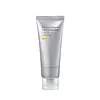
This barrier-repair night moisturizer is formulated around Niacinamide and Ceramide NP to strengthen the skin barrier and soften the look of wrinkles.
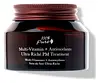
This anti-aging night moisturizer is formulated around Retinyl Palmitate and Niacinamide to soften the look of wrinkles.


What's inside
What's inside
 Key Ingredients
Benefits
Concerns
Ingredients Side-by-side
Water
Skin ConditioningGlycerin
Humectant


Butylene Glycol
Humectant
Caprylic/Capric Triglyceride
Masking
Isopropyl Palmitate
Emollient




Cetearyl Alcohol
Emollient
Cetyl Ethylhexanoate
EmollientNiacinamide
Smoothing









1,2-Hexanediol
Skin Conditioning
Behenyl Alcohol
Emollient
Glyceryl Stearate Citrate
Emollient
Pentylene Glycol
Skin Conditioning
Vinyldimethicone

Butyrospermum Parkii Butter
Skin Conditioning
Polyglyceryl-3 Methylglucose Distearate
Emulsifying
Glyceryl Stearate
Emollient
Panthenol
Skin Conditioning
Distarch Phosphate
AbsorbentCarbomer
Emulsion StabilisingC12-16 Alcohols
EmollientAminomethyl Propanediol
BufferingCetearyl Glucoside
Emulsifying
Copernicia Cerifera Wax
Ceramide NP
Skin Conditioning
Hydrolyzed Collagen
Emollient
Hydroxyethyl Acrylate/Sodium Acryloyldimethyl Taurate Copolymer
Emulsion StabilisingPalmitic Acid
Emollient
Hydrogenated Lecithin
Emulsifying
Ethylhexylglycerin
Skin ConditioningXanthan Gum
EmulsifyingSodium Polyacryloyldimethyl Taurate
Emulsion StabilisingAdenosine
Skin Conditioning
Sodium Phytate
ChelatingTocopherol
Antioxidant

Sodium Polyacrylate
Absorbent
Helianthus Annuus Seed Oil
Emollient
Hydrolyzed Hyaluronic Acid
Humectant
Hyaluronic Acid
Humectant
Hydroxypropyltrimonium Hyaluronate
Sh-Decapeptide-7
Antioxidant
Sh-Octapeptide-4
Antioxidant
Stearic Acid
Cleansing
Polyglyceryl-10 Stearate
Skin Conditioning
Cholesterol
Emollient
Sh-Oligopeptide-1
Skin Conditioning
Sh-Oligopeptide-2
Skin Conditioning
Sh-Polypeptide-1
Skin Conditioning
Sh-Polypeptide-22
Skin Conditioning
Sh-Polypeptide-3
Skin Conditioning
Ceramide Ns
Skin Conditioning
Ascorbic Acid
Antioxidant
Phytosphingosine
Skin Conditioning
Glycine Soja Oil
Emollient
Ceramide AP
Skin Conditioning
Ceramide As
Skin Conditioning
Retinol
Skin Conditioning

Ceramide EOP
Skin Conditioning
Water, Glycerin, Butylene Glycol, Caprylic/Capric Triglyceride, Isopropyl Palmitate, Cetearyl Alcohol, Cetyl Ethylhexanoate, Niacinamide, 1,2-Hexanediol, Behenyl Alcohol, Glyceryl Stearate Citrate, Pentylene Glycol, Vinyldimethicone, Butyrospermum Parkii Butter, Polyglyceryl-3 Methylglucose Distearate, Glyceryl Stearate, Panthenol, Distarch Phosphate, Carbomer, C12-16 Alcohols, Aminomethyl Propanediol, Cetearyl Glucoside, Copernicia Cerifera Wax, Ceramide NP, Hydrolyzed Collagen, Hydroxyethyl Acrylate/Sodium Acryloyldimethyl Taurate Copolymer, Palmitic Acid, Hydrogenated Lecithin, Ethylhexylglycerin, Xanthan Gum, Sodium Polyacryloyldimethyl Taurate, Adenosine, Sodium Phytate, Tocopherol, Sodium Polyacrylate, Helianthus Annuus Seed Oil, Hydrolyzed Hyaluronic Acid, Hyaluronic Acid, Hydroxypropyltrimonium Hyaluronate, Sh-Decapeptide-7, Sh-Octapeptide-4, Stearic Acid, Polyglyceryl-10 Stearate, Cholesterol, Sh-Oligopeptide-1, Sh-Oligopeptide-2, Sh-Polypeptide-1, Sh-Polypeptide-22, Sh-Polypeptide-3, Ceramide Ns, Ascorbic Acid, Phytosphingosine, Glycine Soja Oil, Ceramide AP, Ceramide As, Retinol, Ceramide EOP
Water
Skin ConditioningPersea Gratissima Oil
Skin Conditioning
Glycerin
Humectant
Butyrospermum Parkii Butter
Skin Conditioning
Cetyl Palmitate
Emollient
Rosa Canina Fruit Oil
Emollient
Theobroma Cacao Seed Butter
Emollient
Retinyl Palmitate
Skin Conditioning
Niacinamide
Smoothing
Panthenol
Skin Conditioning
Sodium Ascorbyl Phosphate
Antioxidant
Stearic Acid
Cleansing
Zea Mays Oil
Emulsifying
Oryza Sativa Bran Extract
Skin Conditioning
Tocopherol
Antioxidant
Menaquinone-7
AntiseborrhoeicCholecalciferol
Phytic Acid
Chelating
Thioctic Acid
Antioxidant
Ubiquinone
Antioxidant
Resveratrol
Antioxidant
Aloe Barbadensis Leaf Juice Powder
Skin Conditioning
Lonicera Caprifolium Flower Extract
Perfuming
Lonicera Japonica Flower Extract
Skin ConditioningLaminaria Japonica Extract
Skin Protecting
Usnea Barbata Extract
Calendula Officinalis Flower Extract
Masking
Camellia Sinensis Leaf Extract
Antimicrobial
Hippophae Rhamnoides Extract
MaskingGanoderma Lucidum Extract
Skin Protecting
Centella Asiatica Extract
Cleansing
Lentinus Edodes Extract
Skin ConditioningChondrus Crispus
Masking
Borago Officinalis Seed Oil
Emollient
Citrus Aurantium Dulcis Oil
Masking
Oenothera Biennis Oil
Emollient
Hypericum Perforatum Oil
Emollient
Glycine Soja Oil
Emollient
Glyceryl Caprylate
EmollientSucrose Stearate
EmollientXanthan Gum
EmulsifyingCitric Acid
Buffering
Water, Persea Gratissima Oil, Glycerin, Butyrospermum Parkii Butter, Cetyl Palmitate, Rosa Canina Fruit Oil, Theobroma Cacao Seed Butter, Retinyl Palmitate, Niacinamide, Panthenol, Sodium Ascorbyl Phosphate, Stearic Acid, Zea Mays Oil, Oryza Sativa Bran Extract, Tocopherol, Menaquinone-7, Cholecalciferol, Phytic Acid, Thioctic Acid, Ubiquinone, Resveratrol, Aloe Barbadensis Leaf Juice Powder, Lonicera Caprifolium Flower Extract, Lonicera Japonica Flower Extract, Laminaria Japonica Extract, Usnea Barbata Extract, Calendula Officinalis Flower Extract, Camellia Sinensis Leaf Extract, Hippophae Rhamnoides Extract, Ganoderma Lucidum Extract, Centella Asiatica Extract, Lentinus Edodes Extract, Chondrus Crispus, Borago Officinalis Seed Oil, Citrus Aurantium Dulcis Oil, Oenothera Biennis Oil, Hypericum Perforatum Oil, Glycine Soja Oil, Glyceryl Caprylate, Sucrose Stearate, Xanthan Gum, Citric Acid
Ingredients Explained
These ingredients are found in both products.
Ingredients higher up in an ingredient list are typically present in a larger amount.
This ingredient is also known as shea butter. It is a plant-derived extract from the nuts of the Africa shea tree and one of the most well-studied emollients.
Because it has a high concentration of fatty acids (primarily oleic, stearic, and linoleic) it is able to form a protective barrier on the skin's surface. This helps seal in moisture and prevents transepidermal water loss (TEWL).
In vitro research found an increase in skin hydration by 58% and a decrease in TEWL by 37.8% after 24 hours of applying this ingredient (pretty impressive for a single ingredient!).
Besides hydration, shea butter also contains triterpenes that have anti-inflammatory potential. In particule, lupeol cinnamate has shown the highest anti-inflammatory activity in vivo.
Shea butter also contains vitamins A and E which may contribute to antioxidant activity.
While Shea Butter has an SPF rating of about 3-4, it is not a sunscreen replacement.
This ingredient may not be fungal acne safe because its fatty acids fall within the C11-C24 range that the Malassezia yeast can metabolize.
This ingredient shows up on a lot of "pore-clogging" lists but there's no real evidence behind that. It doesn't even have a comedogenic rating from an actual study; the numbers you'll find online come from blogs citing other blogs.
Ratings for other ingredients mostly come from a 1980s rabbit ear test. This test doesn't translate well to human skin or to real products because the ingredient sits at a much lower percentage.
Some people still find it breaks them out. So if that's you, definitely trust your skin. Just know this one's based on experience and not evidence.
Learn more about Butyrospermum Parkii ButterGlycerin (or glycerol) is a compound naturally found in your skin. It's a powerhouse humectant that pulls water into the stratum corneum.
Topically, glycerin does several things at once:
Your skin makes glycerin on its own (mostly from sebaceous oil breakdown) and shuttles it to your outermost layer of skin, or your epidermis, via aquaporin-3.
Aquaporin-3 is a transporter that is essential for normal skin hydration, elasticity, and repair. Interestingly, mice lacking in AQP3 have dry and less elastic skin that can be fully corrected with glycerin.
This ingredient is non-irritating, plays well with almost every ingredient, and works across all skin types. Typical use is anywhere between 3-10% but can go up to 79% in some leave-on products.
Just know very high concentrations (>40%) can feel tacky in low humidity.
Glycerin is the name for this ingredient in American English. British English uses Glycerol/Glycerine.
Learn more about GlycerinGlycine Soja Oil is a plant-derived oil from soybean seeds. Like other oils, it is rich in essential fatty acids (mostly linoleic and oleic) that support skin hydration and barrier function.
The fatty acids are able to integrate into the lipid matrix of the stratum corneum to help soften skin and reduce water loss.
On top of that, soybean oil is rich in vitamins like vitamin E, a potent antioxidant.
Research on soybean's active components also point to anti-inflammatory, collagen-stimulating, antioxidant activity, and protection against UV-induced oxidative damage.
Most of this research applies to the broader soybean plant and not just the oil fraction alone.
This ingredient does carry a comedogenic rating of 3 from the old rabbit-ear assay. Just remember testing finished products in humans showed that formulas built with "comedogenic" ingredients are not necessarily comedogenic themselves. It's worth patch testing if you're breakout prone, and always listen to your skin.
Because this ingredient is a saturated triglyceride, it may not be fungal acne safe. This is because Malassezia breaks down sebum triglycerides into fatty acids it can consume, making this ingredient a possible source for the yeast.
Learn more about Glycine Soja OilNiacinamide is a multitasking form of vitamin B3 that strengthens the skin barrier, reduces pores and dark spots, regulates oil, and improves signs of aging.
And the best part? It's gentle and well-tolerated by most skin types, including sensitive and reactive skin.
You might have heard of "niacin flush", or the reddening of skin that causes itchiness. Niacinamide has not been found to cause this.
In very rare cases, some individuals may not be able to tolerate niacinamide at all or experience an allergic reaction to it.
If you are experiencing flaking, irritation, and dryness with this ingredient, be sure to double check all your products as this ingredient can be found in all categories of skincare.
When incorporating niacinamide into your routine, look out for concentration amounts. Typically, 5% niacinamide provides benefits such as fading dark spots. However, if you have sensitive skin, it is better to begin with a smaller concentration.
When you apply niacinamide to your skin, your body converts it into nicotinamide adenine dinucleotide (NAD). NAD is an essential coenzyme that is already found in your cells as "fuel" and powers countless biological processes.
In your skin, NAD helps repair cell damage, produce new healthy cells, support collagen production, strengthen the skin barrier, and fight environmental stressors (like UV and pollution).
Our natural NAD levels start to decline with age, leading to slower skin repair, visible aging, and a weaker skin barrier. By providing your skin niacinamide, you're recharging your skin's NAD levels. This leads to stronger, healthier, and younger looking skin.
Another name for vitamin B3 is nicotinamide. This vitamin is water-soluble and our bodies don't store it. We obtain Vitamin B3 from either food or skincare. Meat, fish, wheat, yeast, and leafy greens contain vitamin B3.
The type of niacinamide used in skincare is synthetically created.
Learn more about NiacinamidePanthenol is a common ingredient that helps hydrate and soothe the skin. It is found naturally in our skin and hair.
There are two forms of panthenol: D and L.
D-panthenol is also known as dexpanthenol. Most cosmetics use dexpanthenol or a mixture of D and L-panthenol.
Panthenol is famous due to its ability to go deeper into the skin's layers. Using this ingredient has numerous pros (and no cons):
Like hyaluronic acid, panthenol is a humectant. Humectants are able to bind and hold large amounts of water to keep skin hydrated.
This ingredient works well for wound healing. It works by increasing tissue in the wound and helps close open wounds.
Once oxidized, panthenol converts to pantothenic acid. Panthothenic acid is found in all living cells.
This ingredient is also referred to as pro-vitamin B5.
Learn more about PanthenolStearic Acid is a fatty acid that is already found in your skin. It's one of the free fatty acids that works alongside ceramides and cholesterols to maintain your barrier.
In cosmetics, it is a multitasker:
Safety-wise, the CIR Expert Panel has concluded it to be safe in cosmetics when formulated to be non-irritating and non-sensitizing.
Free stearic acid is a C18 fatty acid that the Malassezia yeast can substrate, so this ingredient may not be fungal acne safe.
This ingredient does have a comedogenic rating of 2-3, but this doesn't mean a formula with this ingredient will clog pores.
Human testing has proved that any finished product with this ingredient won't automatically make you break out; it really comes down to concentration, formula, and your skin.
Learn more about Stearic AcidTocopherol is a fat-soluble antioxidant known as Vitamin E.
You'll find this ingredient in the vast majority of skincare (for good reason). It works to neutralize free radicals, or unstable molecules generated by UV exposure, pollution, and other environmental stressors, before they can cause oxidative damage to your skin cells.
Topically applied tocopherol has been shown to protect against UV damage by ramping up the skin's own natural defense enzymes.
It also acts as a skin conditioning agent; some studies show that regular topical use can improve the skin's water-binding capacity over 2-4 weeks.
This ingredient is especially loved for being a team player. When combined with Vitamin C, the photoprotective effect of both ingredients roughly doubles and the combo also helps reduce UV-induced DNA damage.
This ingredient has some brightening potential but it's more of a prevention ingredient than spot-fader. Cell studies show it can slow down melanin production but it's worth noting that it's not the most powerful brightener out there.
In formulations, it also serves as a stabilizer that helps protect other oxidation-prone ingredients from degrading.
Concentrations usually range from 0.1-1% in most leave-on products.
Learn more about TocopherolWater. It's the most common cosmetic ingredient of all. You'll usually see it at the top of ingredient lists, meaning that it makes up the largest part of the product.
So why is it so popular? Water most often acts as a solvent - this means that it helps dissolve other ingredients into the formulation.
You'll also recognize water as that liquid we all need to stay alive. If you see this, drink a glass of water. Remember to stay hydrated!
Learn more about WaterXanthan gum is used as a stabilizer and thickener within cosmetic products. It helps give products a sticky, thick feeling - preventing them from being too runny.
On the technical side of things, xanthan gum is a polysaccharide - a combination consisting of multiple sugar molecules bonded together.
Xanthan gum is a pretty common and great ingredient. It is a natural, non-toxic, non-irritating ingredient that is also commonly used in food products.
Learn more about Xanthan Gum

