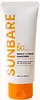
Sunbare Bright-C Tinted Sunscreen SPF 50+ Versus Dermaction Plus by Watsons Pro Acne Series SPF50+ PA++++ Day Lotion
This hybrid sunscreen covers the full UV range and blocks ~98% of UVB at SPF 50.
This chemical sunscreen covers the full UV range and blocks ~98% of UVB at SPF 50.

What's inside
What's inside
 Key Ingredients
Benefits
Concerns
Ingredients Side-by-side
Water
Skin ConditioningButyl Methoxydibenzoylmethane
UV Absorber
Cetearyl Alcohol
Emollient






Titanium Dioxide
Cosmetic Colorant
Glycerin
Humectant


Cetyl Ethylhexanoate
EmollientCera Alba
Emollient
Butyrospermum Parkii Butter
Skin Conditioning
Potassium Cetyl Phosphate
EmulsifyingMethylene Bis-Benzotriazolyl Tetramethylbutylphenol
UV Filter
PEG-20 Stearate
Emulsifying
Niacinamide
Smoothing









Phenoxyethanol
Preservative
Butylene Glycol
Humectant
Carbomer
Emulsion StabilisingMethylparaben
Preservative
Allantoin
Skin Conditioning
CI 77492
Cosmetic ColorantTriethanolamine
BufferingDecyl Glucoside
Cleansing
Arctostaphylos Uva-Ursi Leaf Extract
Skin Conditioning
Alumina
Abrasive
CI 77491
Cosmetic ColorantMorus Alba Fruit Extract
Antioxidant
3-O-Ethyl Ascorbic Acid
Skin Conditioning
Sorbitan Olivate
Emulsifying
Cetearyl Olivate
1,2-Hexanediol
Skin Conditioning
Propylene Glycol
Humectant
Zinc Oxide
Cosmetic Colorant
Alpha-Arbutin
Antioxidant
Xanthan Gum
EmulsifyingSaururus Chinensis Leaf/Root Extract
Antimicrobial
Taraxacum Officinale Leaf Extract
Skin ConditioningHydroxyacetophenone
Antioxidant
Fructose
Humectant
Sodium Hyaluronate
Humectant
Stephania Tetrandra Root Extract
Skin ConditioningPhosphatidylcholine
EmulsifyingTocopherol
Antioxidant
Ceramide NP
Skin Conditioning
Polyglyceryl-10 Oleate
Skin Conditioning
Glycyrrhiza Uralensis Root Extract
Skin Conditioning
Aloe Barbadensis Leaf Extract
Emollient
Portulaca Oleracea Flower/Leaf/Stem Extract
Antioxidant
Sodium Stearoyl Glutamate
CleansingAnthemis Nobilis Flower Extract
Masking
Pelargonium Graveolens Flower/Leaf/Stem Extract
MaskingGlyceryl Caprylate
EmollientWater, Butyl Methoxydibenzoylmethane, Cetearyl Alcohol, Titanium Dioxide, Glycerin, Cetyl Ethylhexanoate, Cera Alba, Butyrospermum Parkii Butter, Potassium Cetyl Phosphate, Methylene Bis-Benzotriazolyl Tetramethylbutylphenol, PEG-20 Stearate, Niacinamide, Phenoxyethanol, Butylene Glycol, Carbomer, Methylparaben, Allantoin, CI 77492, Triethanolamine, Decyl Glucoside, Arctostaphylos Uva-Ursi Leaf Extract, Alumina, CI 77491, Morus Alba Fruit Extract, 3-O-Ethyl Ascorbic Acid, Sorbitan Olivate, Cetearyl Olivate, 1,2-Hexanediol, Propylene Glycol, Zinc Oxide, Alpha-Arbutin, Xanthan Gum, Saururus Chinensis Leaf/Root Extract, Taraxacum Officinale Leaf Extract, Hydroxyacetophenone, Fructose, Sodium Hyaluronate, Stephania Tetrandra Root Extract, Phosphatidylcholine, Tocopherol, Ceramide NP, Polyglyceryl-10 Oleate, Glycyrrhiza Uralensis Root Extract, Aloe Barbadensis Leaf Extract, Portulaca Oleracea Flower/Leaf/Stem Extract, Sodium Stearoyl Glutamate, Anthemis Nobilis Flower Extract, Pelargonium Graveolens Flower/Leaf/Stem Extract, Glyceryl Caprylate
Water
Skin ConditioningButyl Methoxydibenzoylmethane
UV Absorber
Ethylhexyl Salicylate
UV Absorber
Ethylhexyl Triazone
UV Absorber
Dibutyl Adipate
EmollientDicaprylyl Carbonate
EmollientButylene Glycol
Humectant
Silica
Abrasive
Diethylamino Hydroxybenzoyl Hexyl Benzoate
UV Filter
Cetearyl Alcohol
Emollient
Potassium Cetyl Phosphate
EmulsifyingPhenoxyethanol
Preservative
Bis-Ethylhexyloxyphenol Methoxyphenyl Triazine
UV Absorber
Chlorphenesin
Antimicrobial
Acrylates/C10-30 Alkyl Acrylate Crosspolymer
Emulsion StabilisingCetearyl Glucoside
Emulsifying
Polymethyl Methacrylate
Vp/Hexadecene Copolymer
Disodium EDTA
ChelatingZinc PCA
Humectant
Potassium Hydroxide
BufferingEthylhexylglycerin
Skin ConditioningCocamidopropyl Dimethylamine
Emulsifying
Carbomer
Emulsion StabilisingGlycerin
Humectant
Salicylic Acid
Masking


Sodium Metabisulfite
Antioxidant
Magnesium Aspartate
Skin ConditioningZinc Gluconate
Skin Conditioning
Centella Asiatica Extract
Cleansing
Polysorbate 80
Emulsifying
Tocopherol
Antioxidant
Sodium Benzoate
Masking
Copper Gluconate
Skin Conditioning
Boswellia Serrata Extract
Skin Conditioning
Honey Extract
Humectant
Oryza Sativa Bran Extract
Skin Conditioning
Potassium Sorbate
Preservative
Oligopeptide-10
Antimicrobial
Anthemis Nobilis Flower Extract
Masking
Ascorbic Acid
Antioxidant
Benzalkonium Chloride
Antimicrobial
Butyrospermum Parkii Butter
Skin Conditioning
Camellia Sinensis Leaf Extract
Antimicrobial
Cera Alba
Emollient
Fucus Vesiculosus Extract
Emollient
Isomerized Safflower Acid
Skin ConditioningKaolin
Abrasive
Maltodextrin
Absorbent
Palmitic Acid
Emollient
Palmitoyl Tripeptide-5
Skin Conditioning
Zinc Sulfate
Antimicrobial
Water, Butyl Methoxydibenzoylmethane, Ethylhexyl Salicylate, Ethylhexyl Triazone, Dibutyl Adipate, Dicaprylyl Carbonate, Butylene Glycol, Silica, Diethylamino Hydroxybenzoyl Hexyl Benzoate, Cetearyl Alcohol, Potassium Cetyl Phosphate, Phenoxyethanol, Bis-Ethylhexyloxyphenol Methoxyphenyl Triazine, Chlorphenesin, Acrylates/C10-30 Alkyl Acrylate Crosspolymer, Cetearyl Glucoside, Polymethyl Methacrylate, Vp/Hexadecene Copolymer, Disodium EDTA, Zinc PCA, Potassium Hydroxide, Ethylhexylglycerin, Cocamidopropyl Dimethylamine, Carbomer, Glycerin, Salicylic Acid, Sodium Metabisulfite, Magnesium Aspartate, Zinc Gluconate, Centella Asiatica Extract, Polysorbate 80, Tocopherol, Sodium Benzoate, Copper Gluconate, Boswellia Serrata Extract, Honey Extract, Oryza Sativa Bran Extract, Potassium Sorbate, Oligopeptide-10, Anthemis Nobilis Flower Extract, Ascorbic Acid, Benzalkonium Chloride, Butyrospermum Parkii Butter, Camellia Sinensis Leaf Extract, Cera Alba, Fucus Vesiculosus Extract, Isomerized Safflower Acid, Kaolin, Maltodextrin, Palmitic Acid, Palmitoyl Tripeptide-5, Zinc Sulfate
Ingredients Explained
These ingredients are found in both products.
Ingredients higher up in an ingredient list are typically present in a larger amount.
Anthemis Nobilis Flower Extract is from the Roman Chamomile flower. It helps soothe the skin and contains antioxidants.
Also known as Avobenzone, this ingredient is an oil-soluble used to absorb the full spectrum of UVA rays (peak 357 nm).
It's one of the most effective UVA filters available but has a major caveat of photostability: avobenzone is susceptible to photodegradation.
This means it can lose efficacy when exposed to sunlight without the help of a stabilizing agent.
Studies show antioxidants (like vitamin E or vitamin C) and some UV filters (like octocrylene and Tinosorb S) can meaningfully improve its stability in a formulation.
The maximum allowable concentration according to regulation is 3% in the US + Canada, and 5% in the EU, Australia, China, Korea, and ASEAN countries.
It has a well-support safety profile: a comprehensive 2025 review found minimal toxicity with no evidence of carcinogenicity.
Overall, avobenzone is a safe and regulated ingredient used in sunscreen for over 40 years.
Learn more about Butyl MethoxydibenzoylmethaneButylene Glycol (or BG) is used within cosmetic products for a few different reasons:
Overall, Butylene Glycol is a safe and well-rounded ingredient that works well with other ingredients.
Though this ingredient works well with most skin types, some people with sensitive skin may experience a reaction such as allergic rashes, closed comedones, or itchiness.
Learn more about Butylene GlycolThis ingredient is also known as shea butter. It is a plant-derived extract from the nuts of the Africa shea tree and one of the most well-studied emollients.
Because it has a high concentration of fatty acids (primarily oleic, stearic, and linoleic) it is able to form a protective barrier on the skin's surface. This helps seal in moisture and prevents transepidermal water loss (TEWL).
In vitro research found an increase in skin hydration by 58% and a decrease in TEWL by 37.8% after 24 hours of applying this ingredient (pretty impressive for a single ingredient!).
Besides hydration, shea butter also contains triterpenes that have anti-inflammatory potential. In particule, lupeol cinnamate has shown the highest anti-inflammatory activity in vivo.
Shea butter also contains vitamins A and E which may contribute to antioxidant activity.
While Shea Butter has an SPF rating of about 3-4, it is not a sunscreen replacement.
This ingredient may not be fungal acne safe because its fatty acids fall within the C11-C24 range that the Malassezia yeast can metabolize.
This ingredient shows up on a lot of "pore-clogging" lists but there's no real evidence behind that. It doesn't even have a comedogenic rating from an actual study; the numbers you'll find online come from blogs citing other blogs.
Ratings for other ingredients mostly come from a 1980s rabbit ear test. This test doesn't translate well to human skin or to real products because the ingredient sits at a much lower percentage.
Some people still find it breaks them out. So if that's you, definitely trust your skin. Just know this one's based on experience and not evidence.
Learn more about Butyrospermum Parkii ButterCarbomer is a synthetic thickening and gelling agent. It's basically the ingredient that gives a lot of serums, gels, creams, and sunscreens their smooth, non-sticky texture.
Although legally permitted at very high levels, carbomers are normally used at concentrations below 1%.
It also needs to be neutralized to actually thicken, and because it is a large molecule, it doesn't really penetrate the skin barrier.
Allergy-wise, the risk is very low. Clinical studies show carbomers have low potential for skin irritation/sensitization even at concentrations up to 100%.
A 2024 UK study patch-tested 1,302 patients and found true allergy to the parent group of carbomer to be rare with no confirmed relevant reactions.
Learn more about CarbomerThis is another name for beeswax; it's a natural wax produced by honey bees to build their honeycomb.
Because it forms a protective layer on your skin, it can help lock in moisture and reduce water loss. It is also widely used as a thickener and emulsifier in lip balms and lotions. Research suggests beeswax containing moisturizers can support skin barrier integrity.
In comedogenic testing, Beeswax scored a 0-2, which is on the low end. Whether or not a product clogs your pores really comes down to the formula as a whole (not any single ingredient on its own) and your skin.
Beeswax is not vegan since it is animal-derived. It cannot be removed with water, but can be taken off with an oil cleanser.
People with a known Propolis allergy also report to have reactions from beeswax.
Beeswax's wax esters are derived primarily from palmitic and oleic acid (C16 and C18:1). Both of these fall within the C11-C24 feeding window.
The Malassezia yeast can potentially cleave these esters and release usable fatty acids, so this ingredient may not be fungal acne safe. However, not everyone will react to this ingredient.
Learn more about Cera AlbaCetearyl alcohol is a waxy mixture of two fatty alcohols: cetyl alcohol and stearyl alcohol. It is an emollient and emulsifier.
Despite having "alcohol" in its name, it has nothing to do with drying solvent alcohols; the FDA also allows "alcohol-free" products to contain fatty alcohols like this ingredient.
It plays several roles in a formula:
Typical use levels for this ingredient sit around 1-10% and the Cosmetic Ingredient Review Expert Panel has affirmed safety at concentrations up to 25% in leave-on products.
Multiple assessments have found it to be non-irritating and non-sensitizing to most people.
However, there have been some cases of allergic contact dermatitis in patients with chronically compromised skin barriers.
Cetearyl alcohol has a comedogenic rating of 2 and irritancy rating of 1. Both of these numbers come from the 1989 study that used rabbit ears; a "2" means mildly comedogenic and a "1" means low irritancy.
Here's the catch: rabbit skin is more sensitive than human skin and throws a lot of false positives. A 1996 reappraisal found that ingredients rated 1-2 in the rabbit ear tests are generally safe for humans.
Remember comedogenic ratings are unable to assess the entire formula of a product or how it will react on your skin. Just be sure to patch test if you are unsure about certain ingredients.
This ingredient is not fungal acne safe. Cetearyl alcohol is a fatty alcohol with chain lengths that fall within the range that Malassezia can metabolize.
A 2019 study has also observed Malassezia growth in the presence of this ingredient, confirming it to be not-fungal acne safe.
Learn more about Cetearyl AlcoholGlycerin (or glycerol) is a compound naturally found in your skin. It's a powerhouse humectant that pulls water into the stratum corneum.
Topically, glycerin does several things at once:
Your skin makes glycerin on its own (mostly from sebaceous oil breakdown) and shuttles it to your outermost layer of skin, or your epidermis, via aquaporin-3.
Aquaporin-3 is a transporter that is essential for normal skin hydration, elasticity, and repair. Interestingly, mice lacking in AQP3 have dry and less elastic skin that can be fully corrected with glycerin.
This ingredient is non-irritating, plays well with almost every ingredient, and works across all skin types. Typical use is anywhere between 3-10% but can go up to 79% in some leave-on products.
Just know very high concentrations (>40%) can feel tacky in low humidity.
Glycerin is the name for this ingredient in American English. British English uses Glycerol/Glycerine.
Learn more about GlycerinPhenoxyethanol is one of the most widely used preservatives in skincare (and for good reason!).
It has a large spectrum of antimicrobial activity and especially effective bacteria, yeast, and mold while only having a weak effect on your skin's natural microbiome.
On a cellular level, it disrupts the cell membranes of microbes by poking holes that make the cell leak. This shuts down the chemical reactions the microbe needs to make energy so it can no longer survive.
Another perk of this ingredient is that it stays functional across a wide pH range (3-10).
You'll often see it paired with boosters like Ethylhexylglycerin; one study showed that a 1:9 ratio of Ethylhexylglycerin to Phenoxyethanol damages bacterial membranes as effectively as doubling the Phenoxyethanol concentration on its own.
Typical use concentrations range from 0.3-1% depending on the formula, and this ingredient is capped at 1% int the EU.
Safety-wise, the fear mongering does not hold up to the evidence. The EU's Scientific Committee on Consumer Safety and FDA consider it safe as a preservative at up to 1%, including for children of all ages.
Adverse systemic effects only showed up in animal studies at exposures roughly 200x higher than what people get from cosmetics. And despite its very widespread use, this ingredient is a rare sensitizer and allergic reactions are uncommon.
Learn more about PhenoxyethanolPotassium Cetyl Phosphate is the potassium salt of a mixture. This mixture consists of the esters from phosphoricacid and cetyl alcohol.
Potassium Cetyl Phosphate is an emulsifier and cleansing agent. Emulsifiers help stabilize a product. It does this by preventing certain ingredients from separating.
As a cleansing agent, Potassium Cetyl Phosphate helps gather oils, dirts, and pollutants from your skin. This makes it easier to rinse them away with water.
Learn more about Potassium Cetyl PhosphateTocopherol is a fat-soluble antioxidant known as Vitamin E.
You'll find this ingredient in the vast majority of skincare (for good reason). It works to neutralize free radicals, or unstable molecules generated by UV exposure, pollution, and other environmental stressors, before they can cause oxidative damage to your skin cells.
Topically applied tocopherol has been shown to protect against UV damage by ramping up the skin's own natural defense enzymes.
It also acts as a skin conditioning agent; some studies show that regular topical use can improve the skin's water-binding capacity over 2-4 weeks.
This ingredient is especially loved for being a team player. When combined with Vitamin C, the photoprotective effect of both ingredients roughly doubles and the combo also helps reduce UV-induced DNA damage.
This ingredient has some brightening potential but it's more of a prevention ingredient than spot-fader. Cell studies show it can slow down melanin production but it's worth noting that it's not the most powerful brightener out there.
In formulations, it also serves as a stabilizer that helps protect other oxidation-prone ingredients from degrading.
Concentrations usually range from 0.1-1% in most leave-on products.
Learn more about TocopherolWater. It's the most common cosmetic ingredient of all. You'll usually see it at the top of ingredient lists, meaning that it makes up the largest part of the product.
So why is it so popular? Water most often acts as a solvent - this means that it helps dissolve other ingredients into the formulation.
You'll also recognize water as that liquid we all need to stay alive. If you see this, drink a glass of water. Remember to stay hydrated!
Learn more about Water

