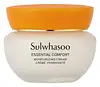
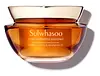
Sulwhasoo Essential Comfort Moisturizing Cream Versus Sulwhasoo Concentrated Ginseng Renewing Cream Classic
This moisturizer is formulated around Limnanthes Alba Seed Oil and Honey to hydrate skin.
This anti-aging moisturizer is formulated around Panax Ginseng Root Extract and Retinol to soften the look of wrinkles and hydrate skin.

What's inside
What's inside
 Key Ingredients
Benefits
Concerns
Ingredients Side-by-side
Water
Skin ConditioningButylene Glycol
Humectant

Cyclopentasiloxane
Emollient
Dimethicone
Emollient
Glycerin
Humectant
Cyclohexasiloxane
Emollient
Octyldodecyl Stearoyl Stearate
Emollient

Limnanthes Alba Seed Oil
Skin Conditioning
1,2-Hexanediol
Skin Conditioning
Cetearyl Alcohol
Emollient




Ammonium Acryloyldimethyltaurate/Vp Copolymer
PCA Dimethicone
Skin Conditioning
Glyceryl Stearate
Emollient
Carbomer
Emulsion StabilisingHoney
Humectant
Tromethamine
BufferingHydrogenated Lecithin
Emulsifying
Ziziphus Jujuba Fruit Extract
Skin ConditioningParfum
Masking


Glyceryl Caprylate
EmollientStearic Acid
Cleansing
Polyglyceryl-3 Methylglucose Distearate
Emulsifying
Palmitic Acid
Emollient
Limonene
Perfuming
Citrus Junos Fruit Extract
Skin ConditioningEthylhexylglycerin
Skin ConditioningAdenosine
Skin Conditioning

Disodium EDTA
ChelatingDioscorea Japonica Root Extract
Skin Conditioning
Crataegus Pinnatifida Fruit Extract
Skin ConditioningLinalool
Perfuming
Narcissus Tazetta Bulb Extract
Astringent
Poncirus Trifoliata Fruit Extract
Skin ConditioningSodium Hyaluronate
Humectant

Pueraria Thunbergiana Flower/Leaf/Stem Extract
Skin ConditioningCetearyl Olivate
Prunus Mume Flower Extract
Skin ConditioningMorus Alba Leaf Extract
Skin ConditioningSorbitan Olivate
Emulsifying
Citronellol
Perfuming
Citral
Perfuming
Rehmannia Glutinosa Root Extract
Skin ConditioningGeraniol
Perfuming
Myristic Acid
Cleansing
Paeonia Lactiflora Root Extract
Skin ConditioningLilium Candidum Bulb Extract
Skin ConditioningPolygonatum Odoratum Rhizome Extract
Skin ConditioningLauric Acid
Cleansing
Nelumbo Nucifera Flower Extract
Skin ConditioningTocopherol
Antioxidant



Water, Butylene Glycol, Cyclopentasiloxane, Dimethicone, Glycerin, Cyclohexasiloxane, Octyldodecyl Stearoyl Stearate, Limnanthes Alba Seed Oil, 1,2-Hexanediol, Cetearyl Alcohol, Ammonium Acryloyldimethyltaurate/Vp Copolymer, PCA Dimethicone, Glyceryl Stearate, Carbomer, Honey, Tromethamine, Hydrogenated Lecithin, Ziziphus Jujuba Fruit Extract, Parfum, Glyceryl Caprylate, Stearic Acid, Polyglyceryl-3 Methylglucose Distearate, Palmitic Acid, Limonene, Citrus Junos Fruit Extract, Ethylhexylglycerin, Adenosine, Disodium EDTA, Dioscorea Japonica Root Extract, Crataegus Pinnatifida Fruit Extract, Linalool, Narcissus Tazetta Bulb Extract, Poncirus Trifoliata Fruit Extract, Sodium Hyaluronate, Pueraria Thunbergiana Flower/Leaf/Stem Extract, Cetearyl Olivate, Prunus Mume Flower Extract, Morus Alba Leaf Extract, Sorbitan Olivate, Citronellol, Citral, Rehmannia Glutinosa Root Extract, Geraniol, Myristic Acid, Paeonia Lactiflora Root Extract, Lilium Candidum Bulb Extract, Polygonatum Odoratum Rhizome Extract, Lauric Acid, Nelumbo Nucifera Flower Extract, Tocopherol
Water
Skin ConditioningGlycerin
Humectant
Squalane
Emollient
Butylene Glycol
Humectant
Cyclopentasiloxane
Emollient
Trehalose
Humectant
Limnanthes Alba Seed Oil
Skin Conditioning
Glyceryl Stearate
Emollient
Phytosteryl Isostearyl Dimer Dilinoleate
EmollientOctyldodecyl Myristate
EmollientCyclohexasiloxane
Emollient
PEG-40 Stearate
Emulsifying
Phytosteryl/Behenyl/Octyldodecyl Lauroyl Glutamate
Skin ConditioningHelianthus Annuus Seed Oil
Emollient
Jojoba Esters
Emollient
Stearic Acid
Cleansing
Propanediol
Solvent
PEG-100 Stearate
Surfactant
Palmitic Acid
Emollient
Methoxy PEG-114/Polyepsilon Caprolactone
BufferingMangifera Indica Seed Butter
Skin Conditioning
Polyacrylate-13
Glycine Soja Oil
Emollient
PEG-30 Dipolyhydroxystearate
Emulsifying
Cetyl PEG/PPG-10/1 Dimethicone
Emulsifying
Phenoxyethanol
Preservative
Glyceryl Linoleate
Emollient
Cetearyl Alcohol
Emollient
Dimethicone
Emollient
Hydrogenated Vegetable Oil
Emollient
Glycine Soja Sterols
Emollient
Propylene Glycol
Humectant
Polyisobutene
Acetyl Glucosamine
Skin Conditioning
Polyquaternium-51
Skin Conditioning
Hexyl Laurate
Emollient
Panax Ginseng Root Extract
Emollient
Tocopherol
Antioxidant
Hydrolyzed Ginseng Saponins
Skin ConditioningCopernicia Cerifera Cera
Emollient
Tocopheryl Linoleate
Antioxidant
1,2-Hexanediol
Skin Conditioning
Pantethine
EmollientSalicylic Acid
Masking





Dimethiconol
Emollient
Glyceryl Linolenate
Emollient
Alcohol
Antimicrobial
Persea Gratissima Oil
Skin Conditioning
Parfum
Masking
Ethylhexylglycerin
Skin ConditioningGlyceryl Arachidonate
Emollient
Gardenia Florida Fruit Extract
Skin ConditioningLauryl PEG/PPG-18/18 Methicone
Skin Conditioning
Vitis Vinifera Leaf Extract
Skin ConditioningPolysorbate 20
Emulsifying
Sorbitan Isostearate
Emulsifying
Beta-Glucan
Skin Conditioning
Disodium EDTA
ChelatingRetinol
Skin Conditioning
Perilla Ocymoides Seed Extract
Antioxidant
Dextrin
AbsorbentPhytosphingosine
Skin Conditioning
Sodium Hyaluronate
Humectant
Isostearyl Alcohol
Emollient
Dodecene
MaskingSodium Chloride
MaskingAscorbyl Palmitate
Antioxidant
Hydrogenated Palm Glycerides Citrate
Emollient
Honey
Humectant
Myristic Acid
Cleansing
Arachidic Acid
Cleansing
Alpha-Isomethyl Ionone
Perfuming
Limonene
Perfuming
Hydrogenated Lecithin
Emulsifying
Rehmannia Glutinosa Root Extract
Skin ConditioningGlycyrrhiza Uralensis Root Extract
Skin Conditioning
BHT
Antioxidant
Linalool
Perfuming
Panax Ginseng Flower Extract
Antioxidant
Benzyl Benzoate
Antimicrobial
Hexyl Cinnamal
Perfuming
Paeonia Lactiflora Root Extract
Skin ConditioningLilium Candidum Bulb Extract
Skin ConditioningPolygonatum Odoratum Rhizome Extract
Skin ConditioningEugenol
Perfuming
Nelumbo Nucifera Flower Extract
Skin ConditioningSodium Polyaspartate
HumectantTbhq
Antioxidant
Caprylyl Glycol
Emollient
Sodium Methyl Stearoyl Taurate
CleansingAcetyl Heptapeptide-4
Humectant
Pentaerythrityl Tetra-Di-T-Butyl Hydroxyhydrocinnamate
Antioxidant
Acetyl Hexapeptide-8
Humectant
Sodium Hydroxide
BufferingAcetyl Octapeptide-3
Humectant
Water, Glycerin, Squalane, Butylene Glycol, Cyclopentasiloxane, Trehalose, Limnanthes Alba Seed Oil, Glyceryl Stearate, Phytosteryl Isostearyl Dimer Dilinoleate, Octyldodecyl Myristate, Cyclohexasiloxane, PEG-40 Stearate, Phytosteryl/Behenyl/Octyldodecyl Lauroyl Glutamate, Helianthus Annuus Seed Oil, Jojoba Esters, Stearic Acid, Propanediol, PEG-100 Stearate, Palmitic Acid, Methoxy PEG-114/Polyepsilon Caprolactone, Mangifera Indica Seed Butter, Polyacrylate-13, Glycine Soja Oil, PEG-30 Dipolyhydroxystearate, Cetyl PEG/PPG-10/1 Dimethicone, Phenoxyethanol, Glyceryl Linoleate, Cetearyl Alcohol, Dimethicone, Hydrogenated Vegetable Oil, Glycine Soja Sterols, Propylene Glycol, Polyisobutene, Acetyl Glucosamine, Polyquaternium-51, Hexyl Laurate, Panax Ginseng Root Extract, Tocopherol, Hydrolyzed Ginseng Saponins, Copernicia Cerifera Cera, Tocopheryl Linoleate, 1,2-Hexanediol, Pantethine, Salicylic Acid, Dimethiconol, Glyceryl Linolenate, Alcohol, Persea Gratissima Oil, Parfum, Ethylhexylglycerin, Glyceryl Arachidonate, Gardenia Florida Fruit Extract, Lauryl PEG/PPG-18/18 Methicone, Vitis Vinifera Leaf Extract, Polysorbate 20, Sorbitan Isostearate, Beta-Glucan, Disodium EDTA, Retinol, Perilla Ocymoides Seed Extract, Dextrin, Phytosphingosine, Sodium Hyaluronate, Isostearyl Alcohol, Dodecene, Sodium Chloride, Ascorbyl Palmitate, Hydrogenated Palm Glycerides Citrate, Honey, Myristic Acid, Arachidic Acid, Alpha-Isomethyl Ionone, Limonene, Hydrogenated Lecithin, Rehmannia Glutinosa Root Extract, Glycyrrhiza Uralensis Root Extract, BHT, Linalool, Panax Ginseng Flower Extract, Benzyl Benzoate, Hexyl Cinnamal, Paeonia Lactiflora Root Extract, Lilium Candidum Bulb Extract, Polygonatum Odoratum Rhizome Extract, Eugenol, Nelumbo Nucifera Flower Extract, Sodium Polyaspartate, Tbhq, Caprylyl Glycol, Sodium Methyl Stearoyl Taurate, Acetyl Heptapeptide-4, Pentaerythrityl Tetra-Di-T-Butyl Hydroxyhydrocinnamate, Acetyl Hexapeptide-8, Sodium Hydroxide, Acetyl Octapeptide-3
Reviews
Ingredients Explained
These ingredients are found in both products.
Ingredients higher up in an ingredient list are typically present in a larger amount.
1,2-Hexanediol is a synthetic liquid and another multi-functional powerhouse.
It is a:
- Humectant, drawing moisture into the skin
- Emollient, helping to soften skin
- Solvent, dispersing and stabilizing formulas
- Preservative booster, enhancing the antimicrobial activity of other preservatives
Butylene Glycol (or BG) is used within cosmetic products for a few different reasons:
Overall, Butylene Glycol is a safe and well-rounded ingredient that works well with other ingredients.
Though this ingredient works well with most skin types, some people with sensitive skin may experience a reaction such as allergic rashes, closed comedones, or itchiness.
Learn more about Butylene GlycolCetearyl alcohol is a waxy mixture of two fatty alcohols: cetyl alcohol and stearyl alcohol. It is an emollient and emulsifier.
Despite having "alcohol" in its name, it has nothing to do with drying solvent alcohols; the FDA also allows "alcohol-free" products to contain fatty alcohols like this ingredient.
It plays several roles in a formula:
Typical use levels for this ingredient sit around 1-10% and the Cosmetic Ingredient Review Expert Panel has affirmed safety at concentrations up to 25% in leave-on products.
Multiple assessments have found it to be non-irritating and non-sensitizing to most people.
However, there have been some cases of allergic contact dermatitis in patients with chronically compromised skin barriers.
Cetearyl alcohol has a comedogenic rating of 2 and irritancy rating of 1. Both of these numbers come from the 1989 study that used rabbit ears; a "2" means mildly comedogenic and a "1" means low irritancy.
Here's the catch: rabbit skin is more sensitive than human skin and throws a lot of false positives. A 1996 reappraisal found that ingredients rated 1-2 in the rabbit ear tests are generally safe for humans.
Remember comedogenic ratings are unable to assess the entire formula of a product or how it will react on your skin. Just be sure to patch test if you are unsure about certain ingredients.
This ingredient is not fungal acne safe. Cetearyl alcohol is a fatty alcohol with chain lengths that fall within the range that Malassezia can metabolize.
A 2019 study has also observed Malassezia growth in the presence of this ingredient, confirming it to be not-fungal acne safe.
Learn more about Cetearyl AlcoholCyclohexasiloxane is a type of silicone more commonly known as D6. It is an emollient and solvent.
Cyclohexasiloxane is used to evenly distribute ingredients throughout the product. When applied to the skin, Cyclohexasiloxane evaporates and leaves behind a silky feel.
As an emollient, it can help the skin feel soft and hydrated. It is also used to reduce frizz in hair products.
Learn more about CyclohexasiloxaneCyclopentasiloxane (D5) is a lightweight silicone that mostly acts as an emollient and solvent in cosmetics. Its the reason your products feel silky, fast-spreading, and non-greasy.
Since D5 is volatile, it does its thing and then evaporates off the skin quickly.
The safety profile of this ingredient is reassuring; the US CIR Expert Panel concluded D5 is safe as used in cosmetics and Health Canada concluded that D5 is not harmful to human health or the environment as currently used in cosmetics
There's a study that people mention about D5 in a rat study showing tumors. This study is related to long-term inhalation of high D5 levels.
Regulatory bodies have judged this study to be not applicable in topical skincare since skin absorption of D5 is very low and we're not really inhaling huge amounts of D5.
The only restriction for this ingredient is environmental. The European Chemicals Agency (ECHA) restricted D5 in wash-off cosmetics at or above 0.1% due to their persistence in water.
Learn more about CyclopentasiloxaneDimethicone is a type of synthetic silicone created from natural materials such as quartz. It is also known as polydimethylsiloxane.
What it does:
Dimethicone comes in different viscosities:
Depending on the viscosity, dimethicone has different properties.
Ingredients lists don't always show which type is used, so we recommend reaching out to the brand if you have questions about the viscosity.
This ingredient is unlikely to cause irritation because it does not get absorbed into skin. However, people with silicone allergies should be careful about using this ingredient.
Note: Dimethicone may contribute to pilling. This is because it is not oil or water soluble, so pilling may occur when layered with products. When mixed with heavy oils in a formula, the outcome is also quite greasy.
Learn more about DimethiconeDisodium EDTA is a chelating agent. It grabs onto and deactivates metal ions that sneak into your products from water, packaging, or air.
This ingredient mainly works behind the scenes and helps with:
On top of that, this ingredient can counteract the effects of hard water by binding to the minerals in it.
One thing worth knowing is that Disodium EDTA has been shown to be a mild penetration enhancer. It can help other ingredients absorb into skin more effectively which can be a double-edged sword (great for actives, but can also make the active too strong if you have sensitive skin).
Clinical patch testing showed no significant skin irritation at typical use concentrations and minimal dermal absorption.
You'll most likely see this ingredient near the end of an ingredient list. It's typically found in concentrations less than 1%.
Learn more about Disodium EDTAEthylhexylglycerin is created from glycerin. It is a multitasker ingredient that:
The CIR Expert Panel found minimal skin absorption or sensitization of any kind in a safety assessment. Though this ingredient is considered well-tolerated, a small number of cases of allergic dermatitis have been published since 2002. Just be sure to patch test if you are unsure.
Industry-reported use ranges from 8% in rinse-off products and 2% in leave-on formulations.
Learn more about EthylhexylglycerinGlycerin (or glycerol) is a compound naturally found in your skin. It's a powerhouse humectant that pulls water into the stratum corneum.
Topically, glycerin does several things at once:
Your skin makes glycerin on its own (mostly from sebaceous oil breakdown) and shuttles it to your outermost layer of skin, or your epidermis, via aquaporin-3.
Aquaporin-3 is a transporter that is essential for normal skin hydration, elasticity, and repair. Interestingly, mice lacking in AQP3 have dry and less elastic skin that can be fully corrected with glycerin.
This ingredient is non-irritating, plays well with almost every ingredient, and works across all skin types. Typical use is anywhere between 3-10% but can go up to 79% in some leave-on products.
Just know very high concentrations (>40%) can feel tacky in low humidity.
Glycerin is the name for this ingredient in American English. British English uses Glycerol/Glycerine.
Learn more about GlycerinGlyceryl Stearate is made by reacting glycerin with stearic acid (typically sourced from plant oils like palm or coconut). It's an emulsifier, emollient, and mild occlusive.
Emulsifiers help ingredients like oil and water stay mixed so your formula stays nicely blended and uniform in texture.
This ingredient is typically used in concentrations between 1-10%. Studies have found it to be non-sensitizing, non-phototoxic, and non-photoallergenic.
A close cousin of this ingredient is Glyceryl Stearate SE ("self-emulsifying"). This just has a small amount of sodium or potassium stearate added so it can emulsify without a co-emulsifier.
Since this ingredient is an ester of a C18 fatty acid, it may not be fungal acne safe. The Malassezia yeast can potentially metabolize within the C11-C24 range.
Fun fact: The human body also creates Glyceryl Stearate naturally.
Learn more about Glyceryl StearateHoney mostly shows up in skincare as a humectant and skin conditioning agent. This is because its natural sugars (fructose and glucose) help hold onto water so skin feels softer and more hydrated.
Beyond hydration, honey also has antibacterial and wound-supporting properties. Its antibacterial action comes from a mix of things:
Manuka-type honey has an extra bacteria-killing compound called methylglyoxal, while all Honey contains a natural antibacterial protein called bee defensin-1.
Honey also nudges your immune cells to release signals that start the healing process. This is why medical-grade Honey is actually used in real wound dressings.
Just keep in mind that most of the strong clinical evidence is for wound care and not everyday cosmetic claims.
On concentrations and safety:
According to industry data, honey is used up to 22% in paste/mud packs, 7% as a honey extract in body/hand products, and face skincare levels sit well below that.
A human repeat insult patch test of 7% honey extract in 112 subjects showed no sensitization.
Allergy-wise, honey itself is a rare sensitizer. The bigger culprit is usually propolis that sometimes tags along in less-refined honey.
People allergic to propolis, conifer, poplar, salicylates, or Balsam of Peru are advised to avoid this ingredient due to shared allergens.
You might see this ingredient listed as either Honey or Mel (they're the same thing). Mel is simply the Latin word for honey.
A lot of people wonder if Honey is vegan, and technically it isn't.
Honey is made by bees; they gather nectar and their natural enzymes turn it into the Honey we know. So because it comes from an animal, it doesn't fit a vegan lifestyle.
And please remember to be kind to bees :). They're vital to so many ecosystems, and many species are struggling so they're worth protecting.
Learn more about HoneyHydrogenated Lecithin is a more stable version of lecithin.
It's made by taking lecithin (a phospholipid commonly found in soybeans and egg yolks) and hydrogenating it. This just means the unsaturated fatty acids are turned into saturated ones so they don't go bad as easily.
This ingredient is an emollient, emulsifier, and penetration enhancer. As an emollient, it helps soften and hydrate skin by trapping moisture within. As an emulsifier, it prevents oil and water ingredients from separating.
Hydrogenated Lecithin can form tiny spherical structures made of phospholipid bilayers called liposomes. These liposomes are able to capture compounds inside their structure and deliver them through the skin barrier.
Because phospholipids are a natural component of our cell membranes, this ingredient is inherently compatible with skin.
A 2021 study found lecithin-based surfactants were less harsh and more tolerable comared to Sodium Lauryl Sulfate (SLS).
Learn more about Hydrogenated LecithinWe don't have a description for Lilium Candidum Bulb Extract yet.
Limnanthes Alba Seed Oil is from the seeds of the meadowfoam plant. It is a skin conditioning agent and emollient that sits on top of skin to soften and hydrate it.
Over 98% of the oil is made up of long-chain fatty acids, mostly aachidic acid (61%), docosenoic acid (~16%), and docosadienoic acid (~18%).
This combination is not really found in any other plant oil and is the reason this is one of the most stable botanical oils available.
Some studies show it to be more stable than jojoba oil, helps a product resist going rancid, and can help extend the shelf life of a formula.
It also naturally contains vitamin E and phytosterols that give it a mild antioxidant benefit.
This ingredient is typically used from around 1% to fairly high levels since it's gentle; it's well-tolerated and low on the irritation scale.
Learn more about Limnanthes Alba Seed OilLimonene is the compound that gives citrus peel its smell.
In skincare, it shows up as a standalone fragrance ingredient or as a natural compound of citrus and other essential oils.
You'll typically see this ingredient used in very small amounts; anything above 0.001% in a leave-on product or 0.01% in a rinse-off has to be named on the label in the EU. The citrus oils that carry it sit around 0.5-1% in a finished formula.
Fresh limonene is a weak allergen; the real issue is that it slowly reacts with air and then breaks down from oxidation to create hydroperoxides (which are strong sensitizers). This is why suppliers are required to keep the peroxide value below 20 mmol.
Positive reactions in people being investigated for eczema vary:
It's worth skipping if you have a known fragrance allergy or a compromised barrier, but the risk is low for most people.
Older or long-opened products are also more likely to bother you than fresh ones due to oxidation.
Learn more about LimoneneLinalool is a small, naturally occurring scent molecule found in plants like lavender, coriander, bergamot, and more.
It is one of the two most-used fragrance ingredients in cosmetics and added purely for smell. Since it's not used for a skin benefit, there's no "effective dose". Concentration depends on the fragrance load of the product.
The EU requires it to be named on the label above 0.001% in leave-on and 0.01% in rinse-off products.
Fresh linalool is a weak sensitizer but air exposure turns some of it into hydroperoxides, which are strong sensitizers. Those oxidation products are the actual allergy concern.
Patch-test clinics see positive reactions to linalool hydroperoxides in about 4% to 12% of dermatitis patients depending on country and test concentration.
Resassuringly, one analytical study found hydroperoxide levels in real fragranced products to be orders of magnitude below what induced sensitization in animal studies with no evidence of oxidation building up during normal storage.
The practical takeaway is that linalool is fine for most people but worth avoiding if you have a confirmed fragrance contact allergy or a badly compromised barrier.
Products stored a long time after opening are also the high-risk scenario since that is when oxidation happens.
The scent of linalool is described as floral, spicy tropical, and citrus-like.
Learn more about LinaloolMyristic Acid, aka tetradecanoic acid, is a naturally occurring fatty acid found in coconut oil, milk fat, and palm oil.
In skincare, it is an:
Research indicates that this ingredient posts a low risk of irritation and sensitization.
Industry survey data collected for this ingredient puts real-world usage concentrations anywhere from 0.00002% to 20% (most of the high end sits in rinse-off products).
Myristic Acid is not a recognized contact allergen and there are no published case reports of allergic contact dermatitis to it. Human testing found it to be non-irritating at 100% and at 40-50% in mineral oil. There are complaints about high-Myristic-acid cleansers leaving a tight feeling behind, but that has more to do with soap chemistry and pH than an allergy.
This ingredient does have a comedogenic rating of 3, but this doesn't mean a formula with this ingredient will clog pores.
Human testing has proved that any finished product with this ingredient won't automatically make you break out; it really comes down to concentration, formula, and your skin. Some people still find it breaks them out. So if that's you, definitely trust your skin.
Since myristic acid is a C14 fatty acid, it falls within the range that Malassezia can metabolize (C11-24), and therefore may not be fungal acne safe.
Learn more about Myristic AcidNelumbo Nucifera Flower Extract is also known as Lotus Flower Extract and it's mainly valued as an antioxidant + soothing ingredient for skincare.
It's rich in polyphenols and flavonoids that protect skin against radical damage from UV rays and pollution.
Lab studies on human skin show it calms inflammation by reducing inflammatory signals in skin cells without causing cell damage.
Cell and formulation studies also point to whitening/brightening + anti-wrinkle effects; the extracts from the leaf, seed, and flower showed measurable elastase (wrinkle-related enzyme) and tyrosinase (pigment related enzyme) inhibition.
A cream containing lotus extract also no significant irritation and stayed stable over a month of storage.
Typical usage in cosmetics is usually on the lower end (~0.5-5%) depending on the formula.
Allergy-wise, this ingredient is considered low risk and often included in products made for sensitive/irritated skin. But like any plant extract, it carries a small possibility of contact allergy in people sensitive to plant extracts.
Learn more about Nelumbo Nucifera Flower ExtractPaeonia Lactiflora Root Extract comes from the root of the peony plant and has a long history of being used in traditional herbal medicine. In cosmetics, it has skin conditioning properties.
This root is rich in paeoniflorin, polyphenols, and flavonoids. These compounds are known to help calm inflammatory signaling, reduce oxidative stress, and regular skin responses to irritation.
In lab and cell studies, this ingredient has been shoown to reduce pro-inflammatory mediators and protect skin cells from stress.
Some research even suggests mild involvement in pigment regulation pathways which is why you might see this ingredient in brightening products.
Learn more about Paeonia Lactiflora Root ExtractPalmitic Acid is a fatty acid naturally found in our skin and in many plant and animal sources.
In cosmetics, it is usually derived from palm oil. It serves many purposes in skincare, acting as a cleanser, emollient, and emulsifier.
Interestingly, topically applied Palmitic Acid can be elongated into longer chain fatty acids and ceramides. A 2019 study found low levels of Palmitic Acid lead to slower development of cells, suggesting it plays a role in keeping your skin's renewal process on track.
The CIR (Cosmetic Ingredient Review) panel determined it safe as used in cosmetics at concentrations up to 13%. It is non-irritating and non-sensitizing in clinical studies.
The culprit behind fungal acne, the Malassezia yeast, feeds on fatty acids with carbon chain lengths between C11-C24. Palmitic Acid, at C16, falls right into that sweet spot.
In vitro studies have shown that Palmitic Acid is one of the fatty acids that induce rapid Malassezia growth in lab settings.
It's worth noting that what feeds yeast in a lab doesn't necessarily feed it on your face since formulation and your skin's chemistry play a bigger role.
This ingredient does have a comedogenic rating of 2, but this doesn't mean a formula with this ingredient will clog pores.
Human testing has proved that any finished product with a comedogenic ingredient won't automatically make you break out; it really comes down to concentration, formula, and your skin.
Learn more about Palmitic AcidParfum is a catch-all term for an ingredient or more that is used to give a scent to products.
Also called "fragrance", this ingredient can be a blend of hundreds of chemicals or plant oils. This means every product with "fragrance" or "parfum" in the ingredients list is a different mixture.
For instance, Habanolide is a proprietary trade name for a specific aroma chemical. When used as a fragrance ingredient in cosmetics, most aroma chemicals fall under the broad labeling category of “FRAGRANCE” or “PARFUM” according to EU and US regulations.
The term 'parfum' or 'fragrance' is not regulated in many countries. In many cases, it is up to the brand to define this term.
For instance, many brands choose to label themselves as "fragrance-free" because they are not using synthetic fragrances. However, their products may still contain ingredients such as essential oils that are considered a fragrance by INCI standards.
One example is Calendula flower extract. Calendula is an essential oil that still imparts a scent or 'fragrance'.
Depending on the blend, the ingredients in the mixture can cause allergies and sensitivities on the skin. Some ingredients that are known EU allergens include linalool and citronellol.
Parfum can also be used to mask or cover an unpleasant scent.
The bottom line is: not all fragrances/parfum/ingredients are created equally. If you are worried about fragrances, we recommend taking a closer look at an ingredient. And of course, we always recommend speaking with a professional.
Learn more about ParfumWe don't have a description for Polygonatum Odoratum Rhizome Extract yet.
We don't have a description for Rehmannia Glutinosa Root Extract yet.
Sodium Hyaluronate is the salt form of hyaluronic acid. It is a long sugar chain that is naturally found in your skin, joints, and connective tissue that maintains hydration and elasticity.
In skincare, it works as a humectant. It pulls water from the environment and deeper layers of skin and binds it to the surface.
Interestingly, the size of the molecule affects its behavior:
Some clinical evidence links low molecular weight versions to improved wrinkle depth, elasticity, anti-inflammatory effects, and barrier repair.
Many serums use a blend of both weights so you can get surface hydration plus longer-lasting and deeper effects.
You'll typically see concentrations between 0.1-2% for this ingredient.
Learn more about Sodium HyaluronateStearic Acid is a fatty acid that is already found in your skin. It's one of the free fatty acids that works alongside ceramides and cholesterols to maintain your barrier.
In cosmetics, it is a multitasker:
Safety-wise, the CIR Expert Panel has concluded it to be safe in cosmetics when formulated to be non-irritating and non-sensitizing.
Free stearic acid is a C18 fatty acid that the Malassezia yeast can substrate, so this ingredient may not be fungal acne safe.
This ingredient does have a comedogenic rating of 2-3, but this doesn't mean a formula with this ingredient will clog pores.
Human testing has proved that any finished product with this ingredient won't automatically make you break out; it really comes down to concentration, formula, and your skin.
Learn more about Stearic AcidTocopherol is a fat-soluble antioxidant known as Vitamin E.
You'll find this ingredient in the vast majority of skincare (for good reason). It works to neutralize free radicals, or unstable molecules generated by UV exposure, pollution, and other environmental stressors, before they can cause oxidative damage to your skin cells.
Topically applied tocopherol has been shown to protect against UV damage by ramping up the skin's own natural defense enzymes.
It also acts as a skin conditioning agent; some studies show that regular topical use can improve the skin's water-binding capacity over 2-4 weeks.
This ingredient is especially loved for being a team player. When combined with Vitamin C, the photoprotective effect of both ingredients roughly doubles and the combo also helps reduce UV-induced DNA damage.
This ingredient has some brightening potential but it's more of a prevention ingredient than spot-fader. Cell studies show it can slow down melanin production but it's worth noting that it's not the most powerful brightener out there.
In formulations, it also serves as a stabilizer that helps protect other oxidation-prone ingredients from degrading.
Concentrations usually range from 0.1-1% in most leave-on products.
Learn more about TocopherolWater. It's the most common cosmetic ingredient of all. You'll usually see it at the top of ingredient lists, meaning that it makes up the largest part of the product.
So why is it so popular? Water most often acts as a solvent - this means that it helps dissolve other ingredients into the formulation.
You'll also recognize water as that liquid we all need to stay alive. If you see this, drink a glass of water. Remember to stay hydrated!
Learn more about Water

