Skinfix Barrier+ Triple Lipid-Peptide Cream Versus Estée Lauder Resilience Multi-Effect Tri-Peptide Face And Neck Creme SPF 15


What's inside
What's inside
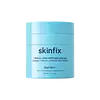 Key Ingredients
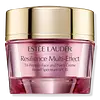
Benefits
Concerns
Ingredients Side-by-side
Water
Skin ConditioningCaprylic/Capric Triglyceride
Masking
Glycerin
Humectant


Butyrospermum Parkii Butter
Skin Conditioning


Olus Oil
Emollient
Cetyl Lactate
EmollientPropanediol
Solvent
C12-16 Alcohols
EmollientCaprylyl Caprylate/Caprate
Emollient
Jojoba Oil/Macadamia Seed Oil Esters
Skin Conditioning
Glyceryl Stearate Citrate
Emollient
Palmitic Acid
Emollient
Hydrogenated Lecithin
Emulsifying
Oryza Sativa Bran Extract
Skin Conditioning
Dilinoleic Acid/Propanediol Copolymer
EmollientSqualene
Emollient
Ophiopogon Japonicus Root Extract
Skin ConditioningXanthan Gum
EmulsifyingPhytosteryl Sunflowerseedate
Skin ConditioningGlycine Soja Extract
Skin ConditioningPentylene Glycol
Skin ConditioningCeramide NP
Skin Conditioning


Ceramide AP
Skin Conditioning
Ceramide EOP
Skin Conditioning
Hydrolyzed Rice Protein
Skin ConditioningChondrus Crispus Extract
Skin Conditioning
Hydrogenated Vegetable Glycerides
EmollientHelianthus Annuus Extract
Emollient
Sodium Hyaluronate
Humectant
Citric Acid
Buffering




Phytosteryl Macadamiate
Skin Conditioning
Tocopherol
Antioxidant

Rosmarinus Officinalis Leaf Extract
AntimicrobialAloe Barbadensis Leaf Juice
Skin Conditioning
Trisodium Ethylenediamine Disuccinate
Phytosterols
Skin Conditioning
Sodium Lauroyl Lactylate
EmulsifyingGluconolactone
Skin Conditioning
Phenethyl Alcohol
MaskingPhytosphingosine
Skin Conditioning
Cholesterol
Emollient
Carbomer
Emulsion StabilisingPotassium Sorbate
Preservative
Ethylhexylglycerin
Skin ConditioningSodium Benzoate
Masking
Phenoxyethanol
Preservative
Water, Caprylic/Capric Triglyceride, Glycerin, Butyrospermum Parkii Butter, Olus Oil, Cetyl Lactate, Propanediol, C12-16 Alcohols, Caprylyl Caprylate/Caprate, Jojoba Oil/Macadamia Seed Oil Esters, Glyceryl Stearate Citrate, Palmitic Acid, Hydrogenated Lecithin, Oryza Sativa Bran Extract, Dilinoleic Acid/Propanediol Copolymer, Squalene, Ophiopogon Japonicus Root Extract, Xanthan Gum, Phytosteryl Sunflowerseedate, Glycine Soja Extract, Pentylene Glycol, Ceramide NP, Ceramide AP, Ceramide EOP, Hydrolyzed Rice Protein, Chondrus Crispus Extract, Hydrogenated Vegetable Glycerides, Helianthus Annuus Extract, Sodium Hyaluronate, Citric Acid, Phytosteryl Macadamiate, Tocopherol, Rosmarinus Officinalis Leaf Extract, Aloe Barbadensis Leaf Juice, Trisodium Ethylenediamine Disuccinate, Phytosterols, Sodium Lauroyl Lactylate, Gluconolactone, Phenethyl Alcohol, Phytosphingosine, Cholesterol, Carbomer, Potassium Sorbate, Ethylhexylglycerin, Sodium Benzoate, Phenoxyethanol
Water
Skin ConditioningNeopentyl Glycol Diheptanoate
EmollientEthylhexyl Salicylate
UV Absorber

Butyl Methoxydibenzoylmethane
UV Absorber
Octocrylene
UV Absorber
Cetyl Alcohol
Emollient
Glycerin
Humectant
Butyloctyl Salicylate
Skin Conditioning
Pentaerythrityl Tetraethylhexanoate
Emollient
Polyethylene
Abrasive
Di-C12-15 Alkyl Fumarate
EmollientPetrolatum
Emollient
Hydrogenated Lecithin
Emulsifying
Butylene Glycol
Humectant
Propanediol
Solvent
Hydrogenated Polyisobutene
EmollientOctyldodecyl Myristate
EmollientHexyldecyl Stearate
EmollientBehenyl Alcohol
Emollient
Cucumis Melo Fruit Extract
Skin ConditioningPolygonum Aviculare Extract
EmollientMyrtus Communis Leaf Extract
Perfuming
Laminaria Digitata Extract
Skin Protecting
Acetyl Hexapeptide-8
Humectant
Tetradecyl Aminobutyroylvalylaminobutyric Urea Trifluoroacetate
Skin ConditioningLactoperoxidase
StabilisingGlucose Oxidase
StabilisingCholesterol
Emollient
Propylene Glycol Dicaprylate
EmollientAminopropyl Ascorbyl Phosphate
Antioxidant
Sodium Hyaluronate
Humectant
Glucose
Humectant
Algae Extract
Emollient
Artemia Extract
Skin ConditioningAcetyl Glucosamine
Skin ConditioningSigesbeckia Orientalis Extract
Skin ConditioningGlyceryl Stearate
Emollient
Persea Gratissima Oil
Skin Conditioning
Dimethicone
Emollient
C12-16 Alcohols
EmollientTrehalose
Humectant
Ethylhexylglycerin
Skin ConditioningPEG-100 Stearate
Caffeine
Skin Conditioning
Palmitic Acid
Emollient
Glycine Soja Sterols
Emollient
Caprylyl Glycol
Emollient
Isohexadecane
EmollientPolymethyl Methacrylate
Trifluoroacetyl Tripeptide-2
Skin Conditioning
Tocopheryl Acetate
Antioxidant
Zinc PCA
Humectant

Polysilicone-11
Polysorbate 80
Emulsifying
Yeast Extract
Skin Conditioning
Potato Starch Modified
Decarboxy Carnosine Hcl
Skin ConditioningXanthan Gum
EmulsifyingParfum
Masking
Sodium Hydroxide
BufferingPotassium Sulfate

Acrylamide/Sodium Acryloyldimethyltaurate Copolymer
Emulsion StabilisingDextran
Hexylene Glycol
EmulsifyingDisodium EDTA
BHT
Antioxidant
Potassium Sorbate
Preservative
Phenoxyethanol
Preservative
CI 14700
Cosmetic ColorantMica
Cosmetic Colorant
CI 77891
Cosmetic ColorantWater, Neopentyl Glycol Diheptanoate, Ethylhexyl Salicylate, Butyl Methoxydibenzoylmethane, Octocrylene, Cetyl Alcohol, Glycerin, Butyloctyl Salicylate, Pentaerythrityl Tetraethylhexanoate, Polyethylene, Di-C12-15 Alkyl Fumarate, Petrolatum, Hydrogenated Lecithin, Butylene Glycol, Propanediol, Hydrogenated Polyisobutene, Octyldodecyl Myristate, Hexyldecyl Stearate, Behenyl Alcohol, Cucumis Melo Fruit Extract, Polygonum Aviculare Extract, Myrtus Communis Leaf Extract, Laminaria Digitata Extract, Acetyl Hexapeptide-8, Tetradecyl Aminobutyroylvalylaminobutyric Urea Trifluoroacetate, Lactoperoxidase, Glucose Oxidase, Cholesterol, Propylene Glycol Dicaprylate, Aminopropyl Ascorbyl Phosphate, Sodium Hyaluronate, Glucose, Algae Extract, Artemia Extract, Acetyl Glucosamine, Sigesbeckia Orientalis Extract, Glyceryl Stearate, Persea Gratissima Oil, Dimethicone, C12-16 Alcohols, Trehalose, Ethylhexylglycerin, PEG-100 Stearate, Caffeine, Palmitic Acid, Glycine Soja Sterols, Caprylyl Glycol, Isohexadecane, Polymethyl Methacrylate, Trifluoroacetyl Tripeptide-2, Tocopheryl Acetate, Zinc PCA, Polysilicone-11, Polysorbate 80, Yeast Extract, Potato Starch Modified, Decarboxy Carnosine Hcl, Xanthan Gum, Parfum, Sodium Hydroxide, Potassium Sulfate, Acrylamide/Sodium Acryloyldimethyltaurate Copolymer, Dextran, Hexylene Glycol, Disodium EDTA, BHT, Potassium Sorbate, Phenoxyethanol, CI 14700, Mica, CI 77891
Ingredients Explained
These ingredients are found in both products.
Ingredients higher up in an ingredient list are typically present in a larger amount.
We don't have a description for C12-16 Alcohols yet.
Cholesterol is a class of organic molecules called lipids. It helps hydrate your skin and is essential to having a healthy skin barrier.
Our skin naturally contains cholesterol in the outermost layer. Besides cholesterol, it also contains ceramides and fatty acids. Cholesterol makes up about 1/4 of your skin's outer layer and barrier. Your skin barrier is responsible for keeping allergens and microbes out. Having a healthy skin barrier is also responsible for keeping your skin firm and plump.
Our bodies use cholestrol to create vitamin D, steroid hormones, and more.
Learn more about CholesterolEthylhexylglycerin (we can't pronounce this either) is commonly used as a preservative and skin softener. It is derived from glyceryl.
You might see Ethylhexylglycerin often paired with other preservatives such as phenoxyethanol. Ethylhexylglycerin has been found to increase the effectiveness of these other preservatives.
Glycerin is already naturally found in your skin. It helps moisturize and protect your skin.
A study from 2016 found glycerin to be more effective as a humectant than AHAs and hyaluronic acid.
As a humectant, it helps the skin stay hydrated by pulling moisture to your skin. The low molecular weight of glycerin allows it to pull moisture into the deeper layers of your skin.
Hydrated skin improves your skin barrier; Your skin barrier helps protect against irritants and bacteria.
Glycerin has also been found to have antimicrobial and antiviral properties. Due to these properties, glycerin is often used in wound and burn treatments.
In cosmetics, glycerin is usually derived from plants such as soybean or palm. However, it can also be sourced from animals, such as tallow or animal fat.
This ingredient is organic, colorless, odorless, and non-toxic.
Glycerin is the name for this ingredient in American English. British English uses Glycerol/Glycerine.
Learn more about GlycerinHydrogenated Lecithin is created from the hydrogenation of lecithin (a group of phospholipids). Hydrogenation is a chemical reaction between hydrogen and another element.
This ingredient is an emollient and emulsifier. As an emollient, it helps soften skin by trapping moisture within. As an emulsifier, it prevents oil and water ingredients from separating.
Palmitic Acid is a fatty acid naturally found in our skin and in many plant and animal sources. In cosmetics, it is usually derived from palm oil. It serves many purposes in skincare, acting as a cleanser, emollient, and emulsifier.
As an emollient, palmitic acid helps soften and smooth the skin by preventing water loss. In cleansers, it helps remove oil and dirt while creating foam.
Its emulsifying properties help stabilize products by keeping water and oil-based ingredients from separating.
This may not be suitable for fungal acne-prone skin, as fatty acids like this can sometimes trigger breakouts in sensitive individuals.
Learn more about Palmitic AcidPhenoxyethanol is a preservative that has germicide, antimicrobial, and aromatic properties. Studies show that phenoxyethanol can prevent microbial growth. By itself, it has a scent that is similar to that of a rose.
It's often used in formulations along with Caprylyl Glycol to preserve the shelf life of products.
Potassium Sorbate is a preservative used to prevent yeast and mold in products. It is commonly found in both cosmetic and food products.
This ingredient comes from potassium salt derived from sorbic acid. Sorbic acid is a natural antibiotic and effective against fungus.
Both potassium sorbate and sorbic acid can be found in baked goods, cheeses, dried meats, dried fruit, ice cream, pickles, wine, yogurt, and more.
You'll often find this ingredient used with other preservatives.
Learn more about Potassium SorbatePropanediol is an all-star ingredient. It softens, hydrates, and smooths the skin.
It’s often used to:
Propanediol is not likely to cause sensitivity and considered safe to use. It is derived from corn or petroleum with a clear color and no scent.
Learn more about PropanediolSodium Hyaluronate is hyaluronic acid's salt form. It is commonly derived from the sodium salt of hyaluronic acid.
Like hyaluronic acid, it is great at holding water and acts as a humectant. This makes it a great skin hydrating ingredient.
Sodium Hyaluronate is naturally occurring in our bodies and is mostly found in eye fluid and joints.
These are some other common types of Hyaluronic Acid:
Learn more about Sodium HyaluronateWater. It's the most common cosmetic ingredient of all. You'll usually see it at the top of ingredient lists, meaning that it makes up the largest part of the product.
So why is it so popular? Water most often acts as a solvent - this means that it helps dissolve other ingredients into the formulation.
You'll also recognize water as that liquid we all need to stay alive. If you see this, drink a glass of water. Stay hydrated!
Learn more about WaterXanthan gum is used as a stabilizer and thickener within cosmetic products. It helps give products a sticky, thick feeling - preventing them from being too runny.
On the technical side of things, xanthan gum is a polysaccharide - a combination consisting of multiple sugar molecules bonded together.
Xanthan gum is a pretty common and great ingredient. It is a natural, non-toxic, non-irritating ingredient that is also commonly used in food products.
Learn more about Xanthan Gum
