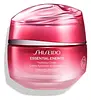
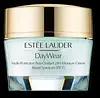
Shiseido Essential Energy Hydrating Cream Versus Estée Lauder Daywear Multi-Protection Anti-Oxidant 24H-Moisturizer Creme SPF 15
This moisturizer is formulated around Sodium Hyaluronate and Panax Ginseng Root Extract to hydrate skin.
This barrier-repair day moisturizer is formulated around Tetrahexyldecyl Ascorbate and Sodium Hyaluronate to strengthen the skin barrier and hydrate skin.


What's inside
What's inside
 Key Ingredients
Benefits
Concerns
Ingredients Side-by-side
Water
Skin ConditioningDimethicone
Emollient

Butylene Glycol
Humectant

Alcohol Denat.
Antimicrobial




Betaine
Humectant
Glycerin
Humectant
Isohexadecane
EmollientHydrogenated Polydecene
EmollientPPG-3 Dipivalate
Skin ConditioningSilica
Abrasive


Behenyl Alcohol
Emollient
Stearyl Alcohol
Emollient
Myristyl Myristate
Emollient

Glyceryl Stearate Se
Emulsifying
Polysorbate 60
Emulsifying
PEG-100 Stearate
Surfactant
PEG/PPG-14/7 Dimethyl Ether
Skin ConditioningPEG/PPG-17/4 Dimethyl Ether
Skin ConditioningPhenoxyethanol
Preservative
Dimethylacrylamide/Sodium Acryloyldimethyltaurate Crosspolymer
CI 77891
Cosmetic ColorantSorbitan Tristearate
EmulsifyingErythritol
Humectant
Parfum
Masking

Alcohol
Antimicrobial
Aminopropyl Dimethicone
2-O-Ethyl Ascorbic Acid
Skin Conditioning


Carbomer
Emulsion StabilisingTrisodium EDTA
ChelatingXanthan Gum
EmulsifyingCaffeine
Skin Conditioning
Potassium Hydroxide
BufferingIsostearic Acid
Cleansing
Sodium Metaphosphate
BufferingPhytosteryl/Octyldodecyl Lauroyl Glutamate
Skin ConditioningAluminum Hydroxide
EmollientLinalool
Perfuming
Tocopherol
Antioxidant



Sodium Metabisulfite
Antioxidant
Limonene
Perfuming
Citrus Unshiu Peel Extract
MaskingSodium Hyaluronate
Humectant
Angelica Keiskei Leaf/Stem Extract
Skin ConditioningZiziphus Jujuba Fruit Extract
Skin ConditioningPanax Ginseng Root Extract
Emollient
Sodium Acetylated Hyaluronate
Humectant
Scutellaria Baicalensis Root Extract
Astringent
CI 77491
Cosmetic ColorantAlpinia Speciosa Leaf Extract
Skin ConditioningRosmarinus Officinalis Leaf Extract
AntimicrobialSanguisorba Officinalis Root Extract
CleansingPyrola Incarnata Extract
Skin ConditioningWater, Dimethicone, Butylene Glycol, Alcohol Denat., Betaine, Glycerin, Isohexadecane, Hydrogenated Polydecene, PPG-3 Dipivalate, Silica, Behenyl Alcohol, Stearyl Alcohol, Myristyl Myristate, Glyceryl Stearate Se, Polysorbate 60, PEG-100 Stearate, PEG/PPG-14/7 Dimethyl Ether, PEG/PPG-17/4 Dimethyl Ether, Phenoxyethanol, Dimethylacrylamide/Sodium Acryloyldimethyltaurate Crosspolymer, CI 77891, Sorbitan Tristearate, Erythritol, Parfum, Alcohol, Aminopropyl Dimethicone, 2-O-Ethyl Ascorbic Acid, Carbomer, Trisodium EDTA, Xanthan Gum, Caffeine, Potassium Hydroxide, Isostearic Acid, Sodium Metaphosphate, Phytosteryl/Octyldodecyl Lauroyl Glutamate, Aluminum Hydroxide, Linalool, Tocopherol, Sodium Metabisulfite, Limonene, Citrus Unshiu Peel Extract, Sodium Hyaluronate, Angelica Keiskei Leaf/Stem Extract, Ziziphus Jujuba Fruit Extract, Panax Ginseng Root Extract, Sodium Acetylated Hyaluronate, Scutellaria Baicalensis Root Extract, CI 77491, Alpinia Speciosa Leaf Extract, Rosmarinus Officinalis Leaf Extract, Sanguisorba Officinalis Root Extract, Pyrola Incarnata Extract
Butyl Methoxydibenzoylmethane 3%
UV Absorber
Ethylhexyl Salicylate 5%
UV Absorber
Water
Skin ConditioningDimethicone
Emollient
Butyloctyl Salicylate
Skin Conditioning
Butylene Glycol
Humectant
Polyester-8
Skin Conditioning
Cetyl Ricinoleate
Emollient
Steareth-21
CleansingSteareth-2
EmulsifyingDi-C12-15 Alkyl Fumarate
EmollientCaprylic/Capric/Myristic/Stearic Triglyceride
EmollientPolysilicone-11
Psidium Guajava Fruit Extract
AstringentGentiana Lutea Root Extract
Skin ConditioningPolygonum Cuspidatum Root Extract
Antioxidant
Stearyl Alcohol
Emollient
Hordeum Vulgare Extract
EmollientLaminaria Ochroleuca Extract
Skin Conditioning
Rosmarinus Officinalis Leaf Extract
AntimicrobialTriticum Vulgare Germ Extract
Skin ConditioningArtemia Extract
Skin ConditioningCaffeine
Skin Conditioning
Pentylene Glycol
Skin Conditioning
Hydrolyzed Rice Extract
Skin Conditioning
Vitis Vinifera Seed Extract
Antimicrobial
Hydrolyzed Rice Bran Extract
Skin ConditioningLauryl PEG-9 Polydimethylsiloxyethyl Dimethicone
Skin Conditioning
Thermus Thermophillus Ferment
Skin ConditioningBehenyl Alcohol
Emollient
Acrylic Acid/Vp Crosspolymer
SurfactantTriacontanyl Pvp
HumectantGlycerin
Humectant
C12-15 Alkyl Benzoate
AntimicrobialLinoleic Acid
Cleansing
Cholesterol
Emollient
Squalane
Emollient
Sodium PCA
Humectant
1,2-Hexanediol
Skin Conditioning
Urea
Buffering
Caprylic/Capric Triglyceride
Masking
Dipropylene Glycol Dibenzoate
EmollientTocopheryl Acetate
Antioxidant
Acrylamide/Sodium Acryloyldimethyltaurate Copolymer
Emulsion StabilisingTetrahexyldecyl Ascorbate
Antioxidant
Sodium Hyaluronate
Humectant
Ergothioneine
Antioxidant
Isohexadecane
EmollientPPG-15 Stearyl Ether Benzoate
EmollientGlycyrrhetinic Acid
Skin Conditioning
Trehalose
Humectant
Polyquaternium-51
Skin Conditioning
Polysorbate 80
Emulsifying
Potassium Sorbate
Preservative
Lecithin
Emollient
Hydrogenated Lecithin
Emulsifying
Glucose
Humectant
Palmitoyl Hydroxypropyltrimonium Amylopectin/Glycerin Crosspolymer
Skin ConditioningCaprylyl Glycol
Emollient
Cyclodextrin
AbsorbentSodium Hydroxide
BufferingNordihydroguaiaretic Acid
Antioxidant
Sodium Chloride
MaskingTriacetin
AntimicrobialAscorbyl Tocopheryl Maleate
Antioxidant
Parfum
Masking
Citric Acid
Buffering
Ethylbisiminomethylguaiacol Manganese Chloride
Antioxidant
Pentaerythrityl Tetra-Di-T-Butyl Hydroxyhydrocinnamate
Antioxidant
Disodium EDTA
ChelatingBHT
Antioxidant
Chlorphenesin
Antimicrobial
Sodium Dehydroacetate
Preservative
Phenoxyethanol
Preservative
CI 42090
Cosmetic ColorantCI 19140
Cosmetic ColorantCI 77289
Cosmetic ColorantButyl Methoxydibenzoylmethane 3%, Ethylhexyl Salicylate 5%, Water, Dimethicone, Butyloctyl Salicylate, Butylene Glycol, Polyester-8, Cetyl Ricinoleate, Steareth-21, Steareth-2, Di-C12-15 Alkyl Fumarate, Caprylic/Capric/Myristic/Stearic Triglyceride, Polysilicone-11, Psidium Guajava Fruit Extract, Gentiana Lutea Root Extract, Polygonum Cuspidatum Root Extract, Stearyl Alcohol, Hordeum Vulgare Extract, Laminaria Ochroleuca Extract, Rosmarinus Officinalis Leaf Extract, Triticum Vulgare Germ Extract, Artemia Extract, Caffeine, Pentylene Glycol, Hydrolyzed Rice Extract, Vitis Vinifera Seed Extract, Hydrolyzed Rice Bran Extract, Lauryl PEG-9 Polydimethylsiloxyethyl Dimethicone, Thermus Thermophillus Ferment, Behenyl Alcohol, Acrylic Acid/Vp Crosspolymer, Triacontanyl Pvp, Glycerin, C12-15 Alkyl Benzoate, Linoleic Acid, Cholesterol, Squalane, Sodium PCA, 1,2-Hexanediol, Urea, Caprylic/Capric Triglyceride, Dipropylene Glycol Dibenzoate, Tocopheryl Acetate, Acrylamide/Sodium Acryloyldimethyltaurate Copolymer, Tetrahexyldecyl Ascorbate, Sodium Hyaluronate, Ergothioneine, Isohexadecane, PPG-15 Stearyl Ether Benzoate, Glycyrrhetinic Acid, Trehalose, Polyquaternium-51, Polysorbate 80, Potassium Sorbate, Lecithin, Hydrogenated Lecithin, Glucose, Palmitoyl Hydroxypropyltrimonium Amylopectin/Glycerin Crosspolymer, Caprylyl Glycol, Cyclodextrin, Sodium Hydroxide, Nordihydroguaiaretic Acid, Sodium Chloride, Triacetin, Ascorbyl Tocopheryl Maleate, Parfum, Citric Acid, Ethylbisiminomethylguaiacol Manganese Chloride, Pentaerythrityl Tetra-Di-T-Butyl Hydroxyhydrocinnamate, Disodium EDTA, BHT, Chlorphenesin, Sodium Dehydroacetate, Phenoxyethanol, CI 42090, CI 19140, CI 77289
Reviews
Ingredients Explained
These ingredients are found in both products.
Ingredients higher up in an ingredient list are typically present in a larger amount.
Behenyl Alcohol is a type of fatty alcohol (these are different from the drying, solvent alcohols).
Fatty Alcohols have hydrating properties and are most often used as an emollient or to thicken a product. They are usually derived from natural fats and oils; behenyl alcohol is derived from the fats of vegetable oils.
Emollients help keep your skin soft and hydrated by creating a film that traps moisture in.
In 2000, Behenyl Alcohol was approved by the US as medicine to reduce the duration of cold sores.
Learn more about Behenyl AlcoholButylene Glycol (or BG) is used within cosmetic products for a few different reasons:
Overall, Butylene Glycol is a safe and well-rounded ingredient that works well with other ingredients.
Though this ingredient works well with most skin types, some people with sensitive skin may experience a reaction such as allergic rashes, closed comedones, or itchiness.
Learn more about Butylene GlycolCaffeine is a naturally occurring plant compound found in coffee beans, tea leaves, cocoa pods, and guarana.
As an antioxidant, caffeine protects your skin from free radical damage caused by UV exposure and envionrmnetal stressors.
Early research also shows that caffeine can help calm redness, soothe irritated skin, and support hair growth by stimulating microcirculation in the scalp.
You might have seen eye creams marketing caffeine as a depuffing ingredient. This is because it is a vasoconstrictor meaning it can temporarily constrict blood vessels, though clinical evidence for this specific use is still limited.
Most skincare products contain this ingredient at concentrations between 1-6%. It is able to penetrate skin easily regardless of skin type or thickness.
Just so you know, a very small number of case reports describe caffeine-induced allergy. This ingredient is generally well-tolerated, non-irritating, and non-sensitizing for the majority of people.
Learn more about CaffeineDimethicone is a type of synthetic silicone created from natural materials such as quartz. It is also known as polydimethylsiloxane.
What it does:
Dimethicone comes in different viscosities:
Depending on the viscosity, dimethicone has different properties.
Ingredients lists don't always show which type is used, so we recommend reaching out to the brand if you have questions about the viscosity.
This ingredient is unlikely to cause irritation because it does not get absorbed into skin. However, people with silicone allergies should be careful about using this ingredient.
Note: Dimethicone may contribute to pilling. This is because it is not oil or water soluble, so pilling may occur when layered with products. When mixed with heavy oils in a formula, the outcome is also quite greasy.
Learn more about DimethiconeGlycerin (or glycerol) is a compound naturally found in your skin. It's a powerhouse humectant that pulls water into the stratum corneum.
Topically, glycerin does several things at once:
Your skin makes glycerin on its own (mostly from sebaceous oil breakdown) and shuttles it to your outermost layer of skin, or your epidermis, via aquaporin-3.
Aquaporin-3 is a transporter that is essential for normal skin hydration, elasticity, and repair. Interestingly, mice lacking in AQP3 have dry and less elastic skin that can be fully corrected with glycerin.
This ingredient is non-irritating, plays well with almost every ingredient, and works across all skin types. Typical use is anywhere between 3-10% but can go up to 79% in some leave-on products.
Just know very high concentrations (>40%) can feel tacky in low humidity.
Glycerin is the name for this ingredient in American English. British English uses Glycerol/Glycerine.
Learn more about GlycerinIsohexadecane is added to enhance texture, emulsify, and to help cleanse. It is an isoparrafin. It is a component of petrolatum.
Due to its large size, Isohexadecane is not absorbed by the skin. Instead, it sits on top and acts as an emollient. Emollients help keep your skin soft and smooth by trapping moisture within.
Isohexadecane is often used in products designed to help oily skin. It is lightweight and non-greasy while helping to moisturize. When mixed with silicones, it gives a product a silky feel.
Learn more about IsohexadecaneParfum is a catch-all term for an ingredient or more that is used to give a scent to products.
Also called "fragrance", this ingredient can be a blend of hundreds of chemicals or plant oils. This means every product with "fragrance" or "parfum" in the ingredients list is a different mixture.
For instance, Habanolide is a proprietary trade name for a specific aroma chemical. When used as a fragrance ingredient in cosmetics, most aroma chemicals fall under the broad labeling category of “FRAGRANCE” or “PARFUM” according to EU and US regulations.
The term 'parfum' or 'fragrance' is not regulated in many countries. In many cases, it is up to the brand to define this term.
For instance, many brands choose to label themselves as "fragrance-free" because they are not using synthetic fragrances. However, their products may still contain ingredients such as essential oils that are considered a fragrance by INCI standards.
One example is Calendula flower extract. Calendula is an essential oil that still imparts a scent or 'fragrance'.
Depending on the blend, the ingredients in the mixture can cause allergies and sensitivities on the skin. Some ingredients that are known EU allergens include linalool and citronellol.
Parfum can also be used to mask or cover an unpleasant scent.
The bottom line is: not all fragrances/parfum/ingredients are created equally. If you are worried about fragrances, we recommend taking a closer look at an ingredient. And of course, we always recommend speaking with a professional.
Learn more about ParfumPhenoxyethanol is one of the most widely used preservatives in skincare (and for good reason!).
It has a large spectrum of antimicrobial activity and especially effective bacteria, yeast, and mold while only having a weak effect on your skin's natural microbiome.
On a cellular level, it disrupts the cell membranes of microbes by poking holes that make the cell leak. This shuts down the chemical reactions the microbe needs to make energy so it can no longer survive.
Another perk of this ingredient is that it stays functional across a wide pH range (3-10).
You'll often see it paired with boosters like Ethylhexylglycerin; one study showed that a 1:9 ratio of Ethylhexylglycerin to Phenoxyethanol damages bacterial membranes as effectively as doubling the Phenoxyethanol concentration on its own.
Typical use concentrations range from 0.3-1% depending on the formula, and this ingredient is capped at 1% int the EU.
Safety-wise, the fear mongering does not hold up to the evidence. The EU's Scientific Committee on Consumer Safety and FDA consider it safe as a preservative at up to 1%, including for children of all ages.
Adverse systemic effects only showed up in animal studies at exposures roughly 200x higher than what people get from cosmetics. And despite its very widespread use, this ingredient is a rare sensitizer and allergic reactions are uncommon.
Learn more about PhenoxyethanolThis is a botanical extract from the rosemary plant (the same one you cook with). In skincare, it mostly works as a skin conditioning agent.
Its activity comes from a handful of polyphenols, carnosic acid, carnosol, and rosmarinic acid. Almost 90% of the antioxidant activity of this ingredient can be attributed to canosol and carnosic acid.
These compounds protect your skin two ways:
1) They fight off free radicals, or the unstable molecules from things like sun and pollution that age and damage skin.
2) They help calm inflammation by switching off the chemical signals that tell skin to get red and irritated.
Lab studies also suggest that rosmarinic acid may help protect collagen and slow sugar-related damage to it.
The Cosmetic Ingredient Review has concluded rosemary-derived ingredients to be safe when formulated to be non-sensitizing.
Rosemary can occasionally cause allergic contact dermatitis (due to carnosol), so be sure to patch test if you have reactive or fragrance-sensitive skin.
Learn more about Rosmarinus Officinalis Leaf ExtractSodium Hyaluronate is the salt form of hyaluronic acid. It is a long sugar chain that is naturally found in your skin, joints, and connective tissue that maintains hydration and elasticity.
In skincare, it works as a humectant. It pulls water from the environment and deeper layers of skin and binds it to the surface.
Interestingly, the size of the molecule affects its behavior:
Some clinical evidence links low molecular weight versions to improved wrinkle depth, elasticity, anti-inflammatory effects, and barrier repair.
Many serums use a blend of both weights so you can get surface hydration plus longer-lasting and deeper effects.
You'll typically see concentrations between 0.1-2% for this ingredient.
Learn more about Sodium HyaluronateStearyl Alcohol is a type of fatty alcohol from stearic acid. It is a white, waxy compound used to emulsify ingredients used as an emollient or to thicken a product.
Emollients help soothe and hydrate the skin by trapping moisture.
Fatty alcohols are usually derived from natural fats and oils and therefore do not have the same drying or irritating effect as solvent (ethanol) alcohols.
The FDA allows products labeled "alcohol-free" to have fatty alcohols.
This ingredient may not be fungal acne safe. It is a primary fatty alcohol with a chain length above 12 carbons. A study from 2019 show Malassezia can feed on fatty alcohols in this range, so it may trigger fungal acne in those prone to it.
Learn more about Stearyl AlcoholWater. It's the most common cosmetic ingredient of all. You'll usually see it at the top of ingredient lists, meaning that it makes up the largest part of the product.
So why is it so popular? Water most often acts as a solvent - this means that it helps dissolve other ingredients into the formulation.
You'll also recognize water as that liquid we all need to stay alive. If you see this, drink a glass of water. Remember to stay hydrated!
Learn more about Water

