Dr. Jart+ Vital Hydra Solution Hydro Plump Overnight Mask Versus Shiseido Essential Energy Hydrating Cream
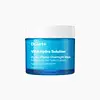
This hydrating overnight mask is formulated around Limnanthes Alba Seed Oil and Panthenol to hydrate skin and strengthen the skin barrier.
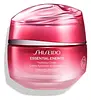
This moisturizer is formulated around Sodium Hyaluronate and Panax Ginseng Root Extract to hydrate skin.


What's inside
What's inside
 Key Ingredients
Benefits
Concerns
Ingredients Side-by-side
Water
Skin ConditioningButylene Glycol
Humectant

Glycerin
Humectant
Limnanthes Alba Seed Oil
Skin Conditioning


Betaine
Humectant
Panthenol
Skin Conditioning
Polyglyceryl-3 Methylglucose Distearate
Emulsifying
1,2-Hexanediol
Skin Conditioning
Glyceryl Glucoside
Humectant
Saccharide Isomerate
Humectant
Glyceryl Caprylate
EmollientCaprylyl Glycol
Emollient
Sodium Hyaluronate
Humectant

Ethylhexylglycerin
Skin ConditioningAdenosine
Skin Conditioning
Tromethamine
BufferingCarbomer
Emulsion StabilisingXanthan Gum
EmulsifyingAcrylates/C10-30 Alkyl Acrylate Crosspolymer
Emulsion StabilisingCitric Acid
Buffering

Glyceryl Stearate
Emollient
Sodium Citrate
BufferingWater, Butylene Glycol, Glycerin, Limnanthes Alba Seed Oil, Betaine, Panthenol, Polyglyceryl-3 Methylglucose Distearate, 1,2-Hexanediol, Glyceryl Glucoside, Saccharide Isomerate, Glyceryl Caprylate, Caprylyl Glycol, Sodium Hyaluronate, Ethylhexylglycerin, Adenosine, Tromethamine, Carbomer, Xanthan Gum, Acrylates/C10-30 Alkyl Acrylate Crosspolymer, Citric Acid, Glyceryl Stearate, Sodium Citrate
Water
Skin ConditioningDimethicone
Emollient
Butylene Glycol
Humectant
Alcohol Denat.
Antimicrobial



Betaine
Humectant
Glycerin
Humectant
Isohexadecane
EmollientHydrogenated Polydecene
EmollientPPG-3 Dipivalate
Skin ConditioningSilica
Abrasive


Behenyl Alcohol
Emollient
Stearyl Alcohol
Emollient
Myristyl Myristate
Emollient

Glyceryl Stearate Se
Emulsifying
Polysorbate 60
Emulsifying
PEG-100 Stearate
Surfactant
PEG/PPG-14/7 Dimethyl Ether
Skin ConditioningPEG/PPG-17/4 Dimethyl Ether
Skin ConditioningPhenoxyethanol
Preservative
Dimethylacrylamide/Sodium Acryloyldimethyltaurate Crosspolymer
CI 77891
Cosmetic ColorantSorbitan Tristearate
EmulsifyingErythritol
Humectant
Parfum
Masking

Alcohol
Antimicrobial
Aminopropyl Dimethicone
2-O-Ethyl Ascorbic Acid
Skin Conditioning

Carbomer
Emulsion StabilisingTrisodium EDTA
ChelatingXanthan Gum
EmulsifyingCaffeine
Skin Conditioning
Potassium Hydroxide
BufferingIsostearic Acid
Cleansing
Sodium Metaphosphate
BufferingPhytosteryl/Octyldodecyl Lauroyl Glutamate
Skin ConditioningAluminum Hydroxide
EmollientLinalool
Perfuming
Tocopherol
Antioxidant


Sodium Metabisulfite
Antioxidant
Limonene
Perfuming
Citrus Unshiu Peel Extract
MaskingSodium Hyaluronate
Humectant
Angelica Keiskei Leaf/Stem Extract
Skin ConditioningZiziphus Jujuba Fruit Extract
Skin ConditioningPanax Ginseng Root Extract
Emollient
Sodium Acetylated Hyaluronate
Humectant
Scutellaria Baicalensis Root Extract
Astringent
CI 77491
Cosmetic ColorantAlpinia Speciosa Leaf Extract
Skin ConditioningRosmarinus Officinalis Leaf Extract
AntimicrobialSanguisorba Officinalis Root Extract
CleansingPyrola Incarnata Extract
Skin ConditioningWater, Dimethicone, Butylene Glycol, Alcohol Denat., Betaine, Glycerin, Isohexadecane, Hydrogenated Polydecene, PPG-3 Dipivalate, Silica, Behenyl Alcohol, Stearyl Alcohol, Myristyl Myristate, Glyceryl Stearate Se, Polysorbate 60, PEG-100 Stearate, PEG/PPG-14/7 Dimethyl Ether, PEG/PPG-17/4 Dimethyl Ether, Phenoxyethanol, Dimethylacrylamide/Sodium Acryloyldimethyltaurate Crosspolymer, CI 77891, Sorbitan Tristearate, Erythritol, Parfum, Alcohol, Aminopropyl Dimethicone, 2-O-Ethyl Ascorbic Acid, Carbomer, Trisodium EDTA, Xanthan Gum, Caffeine, Potassium Hydroxide, Isostearic Acid, Sodium Metaphosphate, Phytosteryl/Octyldodecyl Lauroyl Glutamate, Aluminum Hydroxide, Linalool, Tocopherol, Sodium Metabisulfite, Limonene, Citrus Unshiu Peel Extract, Sodium Hyaluronate, Angelica Keiskei Leaf/Stem Extract, Ziziphus Jujuba Fruit Extract, Panax Ginseng Root Extract, Sodium Acetylated Hyaluronate, Scutellaria Baicalensis Root Extract, CI 77491, Alpinia Speciosa Leaf Extract, Rosmarinus Officinalis Leaf Extract, Sanguisorba Officinalis Root Extract, Pyrola Incarnata Extract
Reviews
Ingredients Explained
These ingredients are found in both products.
Ingredients higher up in an ingredient list are typically present in a larger amount.
Betaine is a humectant. Like hyaluronic acid, it helps attract and retain moisture in the skin. It’s known for being gentle and for helping the skin maintain balanced hydration.
Betaine is mainly used to improve hydration and support calmer skin. It helps skin cells regulate water balance because it functions as an osmolyte.
Some studies suggest betaine may support making skin tone more even.
Fun fact: Betaine naturally exists in the skin and the body. In cosmetic products, it can be either plant-derived (most commonly from sugar beets) or synthetically produced for consistency and stability.
Betaine is also known as trimethylglycine.
Learn more about BetaineButylene Glycol (or BG) is used within cosmetic products for a few different reasons:
Overall, Butylene Glycol is a safe and well-rounded ingredient that works well with other ingredients.
Though this ingredient works well with most skin types, some people with sensitive skin may experience a reaction such as allergic rashes, closed comedones, or itchiness.
Learn more about Butylene GlycolCarbomer is a synthetic thickening and gelling agent. It's basically the ingredient that gives a lot of serums, gels, creams, and sunscreens their smooth, non-sticky texture.
Although legally permitted at very high levels, carbomers are normally used at concentrations below 1%.
It also needs to be neutralized to actually thicken, and because it is a large molecule, it doesn't really penetrate the skin barrier.
Allergy-wise, the risk is very low. Clinical studies show carbomers have low potential for skin irritation/sensitization even at concentrations up to 100%.
A 2024 UK study patch-tested 1,302 patients and found true allergy to the parent group of carbomer to be rare with no confirmed relevant reactions.
Learn more about CarbomerGlycerin (or glycerol) is a compound naturally found in your skin. It's a powerhouse humectant that pulls water into the stratum corneum.
Topically, glycerin does several things at once:
Your skin makes glycerin on its own (mostly from sebaceous oil breakdown) and shuttles it to your outermost layer of skin, or your epidermis, via aquaporin-3.
Aquaporin-3 is a transporter that is essential for normal skin hydration, elasticity, and repair. Interestingly, mice lacking in AQP3 have dry and less elastic skin that can be fully corrected with glycerin.
This ingredient is non-irritating, plays well with almost every ingredient, and works across all skin types. Typical use is anywhere between 3-10% but can go up to 79% in some leave-on products.
Just know very high concentrations (>40%) can feel tacky in low humidity.
Glycerin is the name for this ingredient in American English. British English uses Glycerol/Glycerine.
Learn more about GlycerinSodium Hyaluronate is the salt form of hyaluronic acid. It is a long sugar chain that is naturally found in your skin, joints, and connective tissue that maintains hydration and elasticity.
In skincare, it works as a humectant. It pulls water from the environment and deeper layers of skin and binds it to the surface.
Interestingly, the size of the molecule affects its behavior:
Some clinical evidence links low molecular weight versions to improved wrinkle depth, elasticity, anti-inflammatory effects, and barrier repair.
Many serums use a blend of both weights so you can get surface hydration plus longer-lasting and deeper effects.
You'll typically see concentrations between 0.1-2% for this ingredient.
Learn more about Sodium HyaluronateWater. It's the most common cosmetic ingredient of all. You'll usually see it at the top of ingredient lists, meaning that it makes up the largest part of the product.
So why is it so popular? Water most often acts as a solvent - this means that it helps dissolve other ingredients into the formulation.
You'll also recognize water as that liquid we all need to stay alive. If you see this, drink a glass of water. Remember to stay hydrated!
Learn more about WaterXanthan gum is used as a stabilizer and thickener within cosmetic products. It helps give products a sticky, thick feeling - preventing them from being too runny.
On the technical side of things, xanthan gum is a polysaccharide - a combination consisting of multiple sugar molecules bonded together.
Xanthan gum is a pretty common and great ingredient. It is a natural, non-toxic, non-irritating ingredient that is also commonly used in food products.
Learn more about Xanthan Gum

