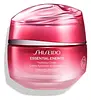
This moisturizer is formulated around Sodium Hyaluronate and Panax Ginseng Root Extract to hydrate skin.
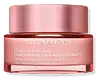
This anti-aging day moisturizer is formulated around Niacinamide to soften the look of wrinkles and brighten dull-looking skin.


What's inside
What's inside
 Key Ingredients
Benefits
Concerns
Ingredients Side-by-side
Water
Skin ConditioningDimethicone
Emollient

Butylene Glycol
Humectant

Alcohol Denat.
Antimicrobial




Betaine
Humectant
Glycerin
Humectant
Isohexadecane
EmollientHydrogenated Polydecene
EmollientPPG-3 Dipivalate
Skin ConditioningSilica
Abrasive


Behenyl Alcohol
Emollient
Stearyl Alcohol
Emollient
Myristyl Myristate
Emollient

Glyceryl Stearate Se
Emulsifying
Polysorbate 60
Emulsifying
PEG-100 Stearate
Surfactant
PEG/PPG-14/7 Dimethyl Ether
Skin ConditioningPEG/PPG-17/4 Dimethyl Ether
Skin ConditioningPhenoxyethanol
Preservative
Dimethylacrylamide/Sodium Acryloyldimethyltaurate Crosspolymer
CI 77891
Cosmetic ColorantSorbitan Tristearate
EmulsifyingErythritol
Humectant
Parfum
Masking

Alcohol
Antimicrobial
Aminopropyl Dimethicone
2-O-Ethyl Ascorbic Acid
Skin Conditioning


Carbomer
Emulsion StabilisingTrisodium EDTA
ChelatingXanthan Gum
EmulsifyingCaffeine
Skin Conditioning
Potassium Hydroxide
BufferingIsostearic Acid
Cleansing
Sodium Metaphosphate
BufferingPhytosteryl/Octyldodecyl Lauroyl Glutamate
Skin ConditioningAluminum Hydroxide
EmollientLinalool
Perfuming
Tocopherol
Antioxidant



Sodium Metabisulfite
Antioxidant
Limonene
Perfuming
Citrus Unshiu Peel Extract
MaskingSodium Hyaluronate
Humectant
Angelica Keiskei Leaf/Stem Extract
Skin ConditioningZiziphus Jujuba Fruit Extract
Skin ConditioningPanax Ginseng Root Extract
Emollient
Sodium Acetylated Hyaluronate
Humectant
Scutellaria Baicalensis Root Extract
Astringent
CI 77491
Cosmetic ColorantAlpinia Speciosa Leaf Extract
Skin ConditioningRosmarinus Officinalis Leaf Extract
AntimicrobialSanguisorba Officinalis Root Extract
CleansingPyrola Incarnata Extract
Skin ConditioningWater, Dimethicone, Butylene Glycol, Alcohol Denat., Betaine, Glycerin, Isohexadecane, Hydrogenated Polydecene, PPG-3 Dipivalate, Silica, Behenyl Alcohol, Stearyl Alcohol, Myristyl Myristate, Glyceryl Stearate Se, Polysorbate 60, PEG-100 Stearate, PEG/PPG-14/7 Dimethyl Ether, PEG/PPG-17/4 Dimethyl Ether, Phenoxyethanol, Dimethylacrylamide/Sodium Acryloyldimethyltaurate Crosspolymer, CI 77891, Sorbitan Tristearate, Erythritol, Parfum, Alcohol, Aminopropyl Dimethicone, 2-O-Ethyl Ascorbic Acid, Carbomer, Trisodium EDTA, Xanthan Gum, Caffeine, Potassium Hydroxide, Isostearic Acid, Sodium Metaphosphate, Phytosteryl/Octyldodecyl Lauroyl Glutamate, Aluminum Hydroxide, Linalool, Tocopherol, Sodium Metabisulfite, Limonene, Citrus Unshiu Peel Extract, Sodium Hyaluronate, Angelica Keiskei Leaf/Stem Extract, Ziziphus Jujuba Fruit Extract, Panax Ginseng Root Extract, Sodium Acetylated Hyaluronate, Scutellaria Baicalensis Root Extract, CI 77491, Alpinia Speciosa Leaf Extract, Rosmarinus Officinalis Leaf Extract, Sanguisorba Officinalis Root Extract, Pyrola Incarnata Extract
Water
Skin ConditioningCaprylic/Capric Triglyceride
Masking
Betaine
Humectant
Propanediol
Solvent
Dicaprylyl Carbonate
EmollientCetearyl Alcohol
Emollient
Hydrogenated Coco-Glycerides
Emollient
Niacinamide
Smoothing

Prunus Armeniaca Kernel Oil
Masking
Glycerin
Humectant
Glyceryl Stearate
Emollient
PEG-100 Stearate
Surfactant
Cetearyl Glucoside
Emulsifying
Hydroxyethyl Acrylate/Sodium Acryloyldimethyl Taurate Copolymer
Emulsion StabilisingPropylene Glycol
Humectant
Dimethicone
Emollient
Parfum
Masking
Steareth-21
CleansingCaprylyl Glycol
Emollient
Cellulose
Absorbent
Mica
Cosmetic ColorantCI 77891
Cosmetic ColorantEthylhexylglycerin
Skin ConditioningTocopheryl Acetate
Antioxidant
Disodium EDTA
ChelatingPotassium Sorbate
Preservative
Polysorbate 60
Emulsifying
Sorbitan Isostearate
Emulsifying
Butylene Glycol
Humectant
Citric Acid
Buffering
Eryngium Maritimum Extract
TonicMarrubium Vulgare Extract
Skin ConditioningDipsacus Sylvestris Extract
Skin ConditioningPhenethyl Alcohol
MaskingFurcellaria Lumbricalis Extract
Skin ConditioningSodium Citrate
BufferingArbutus Unedo Fruit Extract
Antioxidant
Tocopherol
Antioxidant
Lapsana Communis Flower/Leaf/Stem Extract
Skin ConditioningMaris Sal
Skin ConditioningCI 17200
Cosmetic ColorantWater, Caprylic/Capric Triglyceride, Betaine, Propanediol, Dicaprylyl Carbonate, Cetearyl Alcohol, Hydrogenated Coco-Glycerides, Niacinamide, Prunus Armeniaca Kernel Oil, Glycerin, Glyceryl Stearate, PEG-100 Stearate, Cetearyl Glucoside, Hydroxyethyl Acrylate/Sodium Acryloyldimethyl Taurate Copolymer, Propylene Glycol, Dimethicone, Parfum, Steareth-21, Caprylyl Glycol, Cellulose, Mica, CI 77891, Ethylhexylglycerin, Tocopheryl Acetate, Disodium EDTA, Potassium Sorbate, Polysorbate 60, Sorbitan Isostearate, Butylene Glycol, Citric Acid, Eryngium Maritimum Extract, Marrubium Vulgare Extract, Dipsacus Sylvestris Extract, Phenethyl Alcohol, Furcellaria Lumbricalis Extract, Sodium Citrate, Arbutus Unedo Fruit Extract, Tocopherol, Lapsana Communis Flower/Leaf/Stem Extract, Maris Sal, CI 17200
Reviews
Ingredients Explained
These ingredients are found in both products.
Ingredients higher up in an ingredient list are typically present in a larger amount.
Betaine is a humectant. Like hyaluronic acid, it helps attract and retain moisture in the skin. It’s known for being gentle and for helping the skin maintain balanced hydration.
Betaine is mainly used to improve hydration and support calmer skin. It helps skin cells regulate water balance because it functions as an osmolyte.
Some studies suggest betaine may support making skin tone more even.
Fun fact: Betaine naturally exists in the skin and the body. In cosmetic products, it can be either plant-derived (most commonly from sugar beets) or synthetically produced for consistency and stability.
Betaine is also known as trimethylglycine.
Learn more about BetaineButylene Glycol (or BG) is used within cosmetic products for a few different reasons:
Overall, Butylene Glycol is a safe and well-rounded ingredient that works well with other ingredients.
Though this ingredient works well with most skin types, some people with sensitive skin may experience a reaction such as allergic rashes, closed comedones, or itchiness.
Learn more about Butylene GlycolCi 77891 is a white pigment from Titanium dioxide. It is naturally found in minerals such as rutile and ilmenite.
It's main function is to add a white color to cosmetics. It can also be mixed with other colors to create different shades.
Ci 77891 is commonly found in sunscreens due to its ability to block UV rays.
Learn more about CI 77891Dimethicone is a type of synthetic silicone created from natural materials such as quartz. It is also known as polydimethylsiloxane.
What it does:
Dimethicone comes in different viscosities:
Depending on the viscosity, dimethicone has different properties.
Ingredients lists don't always show which type is used, so we recommend reaching out to the brand if you have questions about the viscosity.
This ingredient is unlikely to cause irritation because it does not get absorbed into skin. However, people with silicone allergies should be careful about using this ingredient.
Note: Dimethicone may contribute to pilling. This is because it is not oil or water soluble, so pilling may occur when layered with products. When mixed with heavy oils in a formula, the outcome is also quite greasy.
Learn more about DimethiconeGlycerin (or glycerol) is a compound naturally found in your skin. It's a powerhouse humectant that pulls water into the stratum corneum.
Topically, glycerin does several things at once:
Your skin makes glycerin on its own (mostly from sebaceous oil breakdown) and shuttles it to your outermost layer of skin, or your epidermis, via aquaporin-3.
Aquaporin-3 is a transporter that is essential for normal skin hydration, elasticity, and repair. Interestingly, mice lacking in AQP3 have dry and less elastic skin that can be fully corrected with glycerin.
This ingredient is non-irritating, plays well with almost every ingredient, and works across all skin types. Typical use is anywhere between 3-10% but can go up to 79% in some leave-on products.
Just know very high concentrations (>40%) can feel tacky in low humidity.
Glycerin is the name for this ingredient in American English. British English uses Glycerol/Glycerine.
Learn more about GlycerinParfum is a catch-all term for an ingredient or more that is used to give a scent to products.
Also called "fragrance", this ingredient can be a blend of hundreds of chemicals or plant oils. This means every product with "fragrance" or "parfum" in the ingredients list is a different mixture.
For instance, Habanolide is a proprietary trade name for a specific aroma chemical. When used as a fragrance ingredient in cosmetics, most aroma chemicals fall under the broad labeling category of “FRAGRANCE” or “PARFUM” according to EU and US regulations.
The term 'parfum' or 'fragrance' is not regulated in many countries. In many cases, it is up to the brand to define this term.
For instance, many brands choose to label themselves as "fragrance-free" because they are not using synthetic fragrances. However, their products may still contain ingredients such as essential oils that are considered a fragrance by INCI standards.
One example is Calendula flower extract. Calendula is an essential oil that still imparts a scent or 'fragrance'.
Depending on the blend, the ingredients in the mixture can cause allergies and sensitivities on the skin. Some ingredients that are known EU allergens include linalool and citronellol.
Parfum can also be used to mask or cover an unpleasant scent.
The bottom line is: not all fragrances/parfum/ingredients are created equally. If you are worried about fragrances, we recommend taking a closer look at an ingredient. And of course, we always recommend speaking with a professional.
Learn more about ParfumPeg-100 Stearate is an emollient and emulsifier. As an emollient, it helps keep skin soft by trapping moisture in. On the other hand, emulsifiers help prevent oil and water from separating in a product.
PEGS are a hydrophilic polyether compound . There are 100 ethylene oxide monomers in Peg-100 Stearate. Peg-100 Stearate is polyethylene glycol ester of stearic acid.
Polysorbate 60 is used to help stabilize products. It is a surfactant and emulsifier. These properties help keep ingredients together in a product. Surfactants help reduce surface tension between ingredients with different states, such as liquids and solids. Emulsifiers help prevent oils and waters from separating.
Polysorbate 60 is sorbitol-based and created from the ethoxylation of sorbitan. Ethoxylation is a chemical reaction used to add ethylene oxide. Sorbitan is a the dehydrated version of sorbitol, a sugar found in fruits.
In this case, the 60 comes from reacting 60 units of ethylene oxide with sorbitan.
Polysorbates are commonly used in medicine and foods.
Learn more about Polysorbate 60Tocopherol is a fat-soluble antioxidant known as Vitamin E.
You'll find this ingredient in the vast majority of skincare (for good reason). It works to neutralize free radicals, or unstable molecules generated by UV exposure, pollution, and other environmental stressors, before they can cause oxidative damage to your skin cells.
Topically applied tocopherol has been shown to protect against UV damage by ramping up the skin's own natural defense enzymes.
It also acts as a skin conditioning agent; some studies show that regular topical use can improve the skin's water-binding capacity over 2-4 weeks.
This ingredient is especially loved for being a team player. When combined with Vitamin C, the photoprotective effect of both ingredients roughly doubles and the combo also helps reduce UV-induced DNA damage.
This ingredient has some brightening potential but it's more of a prevention ingredient than spot-fader. Cell studies show it can slow down melanin production but it's worth noting that it's not the most powerful brightener out there.
In formulations, it also serves as a stabilizer that helps protect other oxidation-prone ingredients from degrading.
Concentrations usually range from 0.1-1% in most leave-on products.
Learn more about TocopherolWater. It's the most common cosmetic ingredient of all. You'll usually see it at the top of ingredient lists, meaning that it makes up the largest part of the product.
So why is it so popular? Water most often acts as a solvent - this means that it helps dissolve other ingredients into the formulation.
You'll also recognize water as that liquid we all need to stay alive. If you see this, drink a glass of water. Remember to stay hydrated!
Learn more about Water

