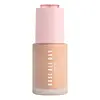
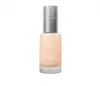
Rose All Day The Realest Lightweight Skin Tint SPF 35 PA++++ Versus Studio Tropik Foundcealer 2 In 1 Foundation & Concealer

What's inside
What's inside
 Key Ingredients
Benefits
Concerns
Ingredients Side-by-side
Water
Skin ConditioningCyclopentasiloxane
Emollient
Ethylhexyl Methoxycinnamate
UV Absorber


CI 77891
Cosmetic ColorantTrimethylsiloxysilicate
Emollient
Isododecane
EmollientPolymethylsilsesquioxane
Alcohol Denat.
Antimicrobial



Butylene Glycol
Humectant

Lauryl PEG-10 Tris(Trimethylsiloxy)Silylethyl Dimethicone
Emulsifying
Diphenylsiloxy Phenyl Trimethicone
Skin Conditioning
Ethylhexyl Salicylate
UV Absorber
Pentylene Glycol
Skin Conditioning
Dimethicone
Emollient
Diethylamino Hydroxybenzoyl Hexyl Benzoate
UV Filter
PEG-10 Dimethicone
Skin Conditioning
Magnesium Sulfate
Synthetic Fluorphlogopite
Phenoxyethanol
Preservative
Ethylhexyl Hydroxystearate
Emollient
Disteardimonium Hectorite
StabilisingDimethicone/Vinyl Dimethicone Crosspolymer
Skin Conditioning
Aluminum Hydroxide
EmollientTriethoxycaprylylsilane
Polyhydroxystearic Acid
Emulsifying
Vp/Va Copolymer
Stearic Acid
Cleansing
Propylene Carbonate
SolventEthylhexylglycerin
Skin ConditioningLecithin
Emollient
Ethylhexyl Palmitate
Emollient
Isostearic Acid
Cleansing
Isopropyl Myristate
Emollient
Glycerin
Humectant
Polyglyceryl-3 Polyricinoleate
Emulsifying
Disodium EDTA
ChelatingMarrubium Vulgare Extract
Skin ConditioningBHT
Antioxidant
Tocopherol
Antioxidant




Citric Acid
Buffering
Squalane
Emollient
Niacinamide
Smoothing





Acetyl Glucosamine
Skin Conditioning
Broussonetia Kazinoki Root Extract
Skin ConditioningPyrus Malus Fruit Extract
Skin Conditioning
Morus Alba Bark Extract
Skin ConditioningCamellia Japonica Leaf Extract
Skin ConditioningCamellia Sinensis Leaf Extract
Antimicrobial
Centella Asiatica Extract
Cleansing
Galactoarabinan
Tricholoma Matsutake Extract
Skin ConditioningCI 77492
Cosmetic ColorantCI 77163
Cosmetic Colorant
CI 77491
Cosmetic ColorantWater, Cyclopentasiloxane, Ethylhexyl Methoxycinnamate, CI 77891, Trimethylsiloxysilicate, Isododecane, Polymethylsilsesquioxane, Alcohol Denat., Butylene Glycol, Lauryl PEG-10 Tris(Trimethylsiloxy)Silylethyl Dimethicone, Diphenylsiloxy Phenyl Trimethicone, Ethylhexyl Salicylate, Pentylene Glycol, Dimethicone, Diethylamino Hydroxybenzoyl Hexyl Benzoate, PEG-10 Dimethicone, Magnesium Sulfate, Synthetic Fluorphlogopite, Phenoxyethanol, Ethylhexyl Hydroxystearate, Disteardimonium Hectorite, Dimethicone/Vinyl Dimethicone Crosspolymer, Aluminum Hydroxide, Triethoxycaprylylsilane, Polyhydroxystearic Acid, Vp/Va Copolymer, Stearic Acid, Propylene Carbonate, Ethylhexylglycerin, Lecithin, Ethylhexyl Palmitate, Isostearic Acid, Isopropyl Myristate, Glycerin, Polyglyceryl-3 Polyricinoleate, Disodium EDTA, Marrubium Vulgare Extract, BHT, Tocopherol, Citric Acid, Squalane, Niacinamide, Acetyl Glucosamine, Broussonetia Kazinoki Root Extract, Pyrus Malus Fruit Extract, Morus Alba Bark Extract, Camellia Japonica Leaf Extract, Camellia Sinensis Leaf Extract, Centella Asiatica Extract, Galactoarabinan, Tricholoma Matsutake Extract, CI 77492, CI 77163, CI 77491
Water
Skin ConditioningCaprylic/Capric Triglyceride
Masking
Polyglyceryl-2 Triisostearate
Emulsifying
Polyglyceryl-2 Dipolyhydroxystearate
Skin Conditioning
Isododecane
EmollientCoconut Alkanes
Emollient
Butylene Glycol
Humectant
Polyglyceryl-3 Diisostearate
Emulsifying
Vp/Hexadecene Copolymer
Undecane
EmollientGlycerin
Humectant
Nylon-12
Isononyl Isononanoate
EmollientTitanium Dioxide
Cosmetic Colorant
Octyldodecyl Stearoyl Stearate
Emollient
Hydrogenated Polyisobutene
EmollientEthylhexyl Methoxycinnamate
UV Absorber
PEG-30 Dipolyhydroxystearate
Emulsifying
Stearoyl Inulin
EmollientSaccharide Isomerate
Humectant
Ficus Carica Fruit Extract
Humectant
Trehalose
Humectant
Tocopheryl Acetate
Antioxidant
Biosaccharide Gum-1
Humectant
Sodium Hyaluronate
Humectant
Disteardimonium Hectorite
StabilisingPropylene Carbonate
SolventTridecane
Perfuming

Octyldodecanol
Emollient
Aluminum Hydroxide
EmollientIsopropyl Titanium Triisostearate
Emollient
Coco-Caprylate/Caprate
Emollient
BHT
Antioxidant
Xanthan Gum
EmulsifyingTetrasodium EDTA
ChelatingSodium Chloride
MaskingUrea
Buffering
Serine
Masking
Pentylene Glycol
Skin Conditioning
Algin
MaskingGlyceryl Polyacrylate
Caprylyl Glycol
Emollient
Pullulan
Disodium Phosphate
BufferingPotassium Phosphate
BufferingCitric Acid
Buffering
Sodium Citrate
BufferingCandida Bombicola/Glucose/Methyl Rapeseedate Ferment
AntimicrobialOryza Sativa Germ Oil
Emollient
Gardenia Jasminoides Fruit Extract
Cosmetic ColorantSchisandra Chinensis Fruit Extract
Skin Conditioning
Curcuma Longa Root Extract
Antioxidant
Lithospermum Erythrorhizon Root Oil
Skin Conditioning
Propylene Glycol
Humectant
Chlorphenesin
Antimicrobial
Phenoxyethanol
Preservative
Synthetic Wax
Abrasive
CI 77491
Cosmetic ColorantCI 77492
Cosmetic ColorantCI 42090
Cosmetic ColorantCI 77499
Cosmetic ColorantWater, Caprylic/Capric Triglyceride, Polyglyceryl-2 Triisostearate, Polyglyceryl-2 Dipolyhydroxystearate, Isododecane, Coconut Alkanes, Butylene Glycol, Polyglyceryl-3 Diisostearate, Vp/Hexadecene Copolymer, Undecane, Glycerin, Nylon-12, Isononyl Isononanoate, Titanium Dioxide, Octyldodecyl Stearoyl Stearate, Hydrogenated Polyisobutene, Ethylhexyl Methoxycinnamate, PEG-30 Dipolyhydroxystearate, Stearoyl Inulin, Saccharide Isomerate, Ficus Carica Fruit Extract, Trehalose, Tocopheryl Acetate, Biosaccharide Gum-1, Sodium Hyaluronate, Disteardimonium Hectorite, Propylene Carbonate, Tridecane, Octyldodecanol, Aluminum Hydroxide, Isopropyl Titanium Triisostearate, Coco-Caprylate/Caprate, BHT, Xanthan Gum, Tetrasodium EDTA, Sodium Chloride, Urea, Serine, Pentylene Glycol, Algin, Glyceryl Polyacrylate, Caprylyl Glycol, Pullulan, Disodium Phosphate, Potassium Phosphate, Citric Acid, Sodium Citrate, Candida Bombicola/Glucose/Methyl Rapeseedate Ferment, Oryza Sativa Germ Oil, Gardenia Jasminoides Fruit Extract, Schisandra Chinensis Fruit Extract, Curcuma Longa Root Extract, Lithospermum Erythrorhizon Root Oil, Propylene Glycol, Chlorphenesin, Phenoxyethanol, Synthetic Wax, CI 77491, CI 77492, CI 42090, CI 77499
Reviews
Ingredients Explained
These ingredients are found in both products.
Ingredients higher up in an ingredient list are typically present in a larger amount.
Aluminum Hydroxide is a form of aluminum. It can be naturally found in nature as the mineral gibbsite. In cosmetics, Aluminum Hydroxide is used as a colorant, pH adjuster, and absorbent.
As a colorant, Aluminum Hydroxide may add opacity, or reduce the transparency. Aluminum hydroxide is contains both basic and acidic properties.
According to manufacturers, this ingredient is an emollient and humectant. This means it helps hydrate the skin.
In medicine, this ingredient is used to help relieve heartburn and help heal ulcers.
There is currently no credible scientific evidence linking aluminum hydroxide in cosmetics to increased cancer risk.
Major health organizations allow the use of aluminum hydroxide in personal care products and have not flagged it as a carcinogenic risk at typical usage levels.
Learn more about Aluminum HydroxideBHT is a synthetic antioxidant and preservative.
As an antioxidant, it helps your body fight off free-radicals. Free-radicals are molecules that may damage your skin cells.
As a preservative, it is used to stabilize products and prevent them from degrading. Specifically, BHT prevents degradation from oxidation.
The concerns related to BHT come from oral studies; this ingredient is currently allowed for use by both the FDA and EU.
However, it was recently restricted for use in the UK as of April 2024.
Learn more about BHTButylene Glycol (or BG) is used within cosmetic products for a few different reasons:
Overall, Butylene Glycol is a safe and well-rounded ingredient that works well with other ingredients.
Though this ingredient works well with most skin types, some people with sensitive skin may experience a reaction such as allergic rashes, closed comedones, or itchiness.
Learn more about Butylene GlycolCi 77491 is also hydrated iron III oxide. It's sole purpose is to give a red/pink hue to products.
Iron III oxides are classified as inorganic chemicals for coloring.
Synthetically created Ci 77491 is considered safer than those naturally found. This is because the synthetically created version may contain less impurities. Iron oxides are generally non-toxic and non-allergenic.
Learn more about CI 77491CI 77492 is also hydrated iron III oxide. It's sole purpose is to give a yellow hue to products.
Iron III oxides are classified as inorganic chemicals for coloring.
Synthetically created CI 77492 is considered safer than those naturally found. This is because the synthetically created version may contain less impurities. Iron oxides are generally non-toxic and non-allergenic.
Learn more about CI 77492Citric Acid is an alpha hydroxy acid (AHA) naturally found in citrus fruits like oranges, lemons, and limes.
Like other AHAs, citric acid can exfoliate skin by breaking down the bonds that hold dead skin cells together. This helps reveal smoother and brighter skin underneath.
However, this exfoliating effect only happens at high concentrations (20%) which can be hard to find in cosmetic products.
Due to this, citric acid is usually included in small amounts as a pH adjuster. This helps keep products slightly more acidic and compatible with skin's natural pH.
In skincare formulas, citric acid can:
While it can provide some skin benefits, research shows lactic acid and glycolic acid are generally more effective and less irritating exfoliants.
Most citric acid used in skincare today is made by fermenting sugars (usually from molasses). This synthetic version is identical to the natural citrus form but easier to stabilize and use in formulations.
Rosacea skin has a lower threshold for acids generally, with 62.5% of rosacea subjects in one study reacting to lactic acid in a sting test. This is why we mark citric acid as a potential rosacea trigger.
However, this ingredient shows up as a pH adjuster or chelator at roughly 0.1-1% in many products. These low levels are unlikely to be an issue for rosacea skin and becomes a potential trigger at exfoliating concentrations (20%). Because everybody's skin is unique, we recommend a patch test if you are unsure.
Learn more about Citric AcidDisteardimonium Hectorite comes from the clay mineral named hectorite. It is used to add thickness to a product.
It can also help stabilize a product by helping to disperse other ingredients.
Hectorite is a rare, white clay mineral.
Learn more about Disteardimonium HectoriteThis ingredient is also known as Octinoxate and is one of the oldest and most widely used chemical UV filters in skincare.
It has a simple job: soap up UVB radiation (290-320 nm), the wavelengths responsible for sunburn and a big chunk of long-term sun damage.
In formulas, it's always paired with a separate UVA filter because octinoxate solely protects skin from UVB.
Because it's an oil-soluble liquid, it's easy to blend into the oil phase of lotions/creams and gives a cosmetically elegant feel.
The one quirk about formulating this ingredient is photostability; the molecule slowly changes shape into a less effective version when sunlight hits it. So the longer you're in the sun, the weaker its protection gets. The drop can be more than 30% in some formulas.
It also doesn't play nice with Avobenzone (the common UVA filter) since avobenzone destabilizes octinoxate and the two degrade each other. But don't worry: brands have solved this issue by adding photostabilizers like Tinosorb S to prevent degradation and keep SPF stable under heavy UV exposure.
The maximum allowed level is 10% in the EU and Australia, 7.5% in the US and Canada, and 20% in Japan.
The Cosmetic Ingredient Review Panel has concluded this ingredient to be safe in cosmetics up to 10%.
One last thing worth knowing for context:
Octinoxate has been the subject of ongoing review in Europe where the Scientific Committee on Consumer Safety's (SCCS) 2025 final opinion is that this ingredient is an endocrine-active substance.
Lab and animal studies suggest it can act a bit like a hormone in the body (mildly mimicking estrogen and slightly blocking male hormones). It's important to know this hasn't really been shown to happen in everyday human use.
This ingredient is also banned in Hawaii over coral reef concerns.
Learn more about Ethylhexyl MethoxycinnamateGlycerin (or glycerol) is a compound naturally found in your skin. It's a powerhouse humectant that pulls water into the stratum corneum.
Topically, glycerin does several things at once:
Your skin makes glycerin on its own (mostly from sebaceous oil breakdown) and shuttles it to your outermost layer of skin, or your epidermis, via aquaporin-3.
Aquaporin-3 is a transporter that is essential for normal skin hydration, elasticity, and repair. Interestingly, mice lacking in AQP3 have dry and less elastic skin that can be fully corrected with glycerin.
This ingredient is non-irritating, plays well with almost every ingredient, and works across all skin types. Typical use is anywhere between 3-10% but can go up to 79% in some leave-on products.
Just know very high concentrations (>40%) can feel tacky in low humidity.
Glycerin is the name for this ingredient in American English. British English uses Glycerol/Glycerine.
Learn more about GlycerinIsododecane is a fragrance, emollient, and solvent.
As an emollient, it helps your skin stay soft and hydrated. Emollients help trap moisture into your skin.
Isododecane's role as a solvent makes it a great texture enhancer. It spreads smoothly on skin and does not leave a sticky feeling behind. Isododecane also helps prevent color transfer in makeup products.
Isododecane is not absorbed into skin.
The chemical name for this ingredient is 2,2,4,6,6-PENTAMETHYLHEPTANE.
Learn more about IsododecanePentylene Glycol (1,2-pentanediol) is a multitasking little diol with three main roles in a formula:
Research on alkanediols (the family pentylene glycol belongs to) show they work by disrupting microbial cell membranes. This disruption helps the primary preservative system in a product work more effectively at lower doses.
On the safety side, the Cosmetic Ingredient Review Expert Panel has concluded this ingredient to be safe as used in current cosmetic practices + concentrations.
Typical use levels in a formula run about 1-5%.
Learn more about Pentylene GlycolPhenoxyethanol is one of the most widely used preservatives in skincare (and for good reason!).
It has a large spectrum of antimicrobial activity and especially effective bacteria, yeast, and mold while only having a weak effect on your skin's natural microbiome.
On a cellular level, it disrupts the cell membranes of microbes by poking holes that make the cell leak. This shuts down the chemical reactions the microbe needs to make energy so it can no longer survive.
Another perk of this ingredient is that it stays functional across a wide pH range (3-10).
You'll often see it paired with boosters like Ethylhexylglycerin; one study showed that a 1:9 ratio of Ethylhexylglycerin to Phenoxyethanol damages bacterial membranes as effectively as doubling the Phenoxyethanol concentration on its own.
Typical use concentrations range from 0.3-1% depending on the formula, and this ingredient is capped at 1% int the EU.
Safety-wise, the fear mongering does not hold up to the evidence. The EU's Scientific Committee on Consumer Safety and FDA consider it safe as a preservative at up to 1%, including for children of all ages.
Adverse systemic effects only showed up in animal studies at exposures roughly 200x higher than what people get from cosmetics. And despite its very widespread use, this ingredient is a rare sensitizer and allergic reactions are uncommon.
Learn more about PhenoxyethanolThis ingredient is a solvent. It helps dissolve active ingredients and alter the texture of products.
Propylene Carbonate is commonly used in makeup and with clay, such as montmorillonite or bentonite.
Studies show this ingredient to be safe for cosmetics. When it is undiluted, it can cause skin irritation. (It is always diluted in skincare and makeup). This ingredient is water-soluble.
Propylene Carbonate is created from propylene glycol and carbonic acid.
Learn more about Propylene CarbonateWater. It's the most common cosmetic ingredient of all. You'll usually see it at the top of ingredient lists, meaning that it makes up the largest part of the product.
So why is it so popular? Water most often acts as a solvent - this means that it helps dissolve other ingredients into the formulation.
You'll also recognize water as that liquid we all need to stay alive. If you see this, drink a glass of water. Remember to stay hydrated!
Learn more about Water

