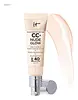
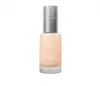
IT Cosmetics CC+ Nude Glow Lightweight Foundation SPF 40 Versus Studio Tropik Foundcealer 2 In 1 Foundation & Concealer


What's inside
What's inside
 Key Ingredients
Benefits
Concerns
Ingredients Side-by-side
Water
Skin ConditioningGlycerin
Humectant


Homosalate
Skin Conditioning

Octocrylene
UV Absorber

Caprylyl Methicone
Skin Conditioning
Ethylhexyl Salicylate
UV Absorber
Dimethicone
Emollient
Butyloctyl Salicylate
Skin Conditioning
Cetyl PEG/PPG-10/1 Dimethicone
Emulsifying
Niacinamide
Smoothing









Propanediol
Solvent
Dimethicone/PEG-10/15 Crosspolymer
Synthetic Fluorphlogopite
Phenoxyethanol
Preservative
Sodium Chloride
MaskingButylene Glycol
Humectant
Trimethylsiloxysilicate
Emollient
Disteardimonium Hectorite
StabilisingDisodium Stearoyl Glutamate
CleansingParfum
Masking


Chlorphenesin
Antimicrobial
Caprylyl Glycol
Emollient
Snail Secretion Filtrate
Skin Conditioning
Silica Silylate
Emollient
Trisodium Ethylenediamine Disuccinate
ChelatingLimonene
Perfuming
Simethicone
Emollient
Maltodextrin
Absorbent
Aluminum Hydroxide
EmollientAdenosine
Skin Conditioning
Ethyl Hexanediol
SolventDipropylene Glycol
HumectantSodium Hyaluronate
Humectant
Citral
Perfuming
Linalool
Perfuming
Sodium Citrate
BufferingCamellia Sinensis Leaf Extract
Antimicrobial
Tocopherol
Antioxidant
Water, Glycerin, Homosalate, Octocrylene, Caprylyl Methicone, Ethylhexyl Salicylate, Dimethicone, Butyloctyl Salicylate, Cetyl PEG/PPG-10/1 Dimethicone, Niacinamide, Propanediol, Dimethicone/PEG-10/15 Crosspolymer, Synthetic Fluorphlogopite, Phenoxyethanol, Sodium Chloride, Butylene Glycol, Trimethylsiloxysilicate, Disteardimonium Hectorite, Disodium Stearoyl Glutamate, Parfum, Chlorphenesin, Caprylyl Glycol, Snail Secretion Filtrate, Silica Silylate, Trisodium Ethylenediamine Disuccinate, Limonene, Simethicone, Maltodextrin, Aluminum Hydroxide, Adenosine, Ethyl Hexanediol, Dipropylene Glycol, Sodium Hyaluronate, Citral, Linalool, Sodium Citrate, Camellia Sinensis Leaf Extract, Tocopherol
Water
Skin ConditioningCaprylic/Capric Triglyceride
Masking
Polyglyceryl-2 Triisostearate
Emulsifying
Polyglyceryl-2 Dipolyhydroxystearate
Skin Conditioning
Isododecane
EmollientCoconut Alkanes
Emollient
Butylene Glycol
Humectant
Polyglyceryl-3 Diisostearate
Emulsifying
Vp/Hexadecene Copolymer
Undecane
EmollientGlycerin
Humectant
Nylon-12
Isononyl Isononanoate
EmollientTitanium Dioxide
Cosmetic Colorant
Octyldodecyl Stearoyl Stearate
Emollient
Hydrogenated Polyisobutene
EmollientEthylhexyl Methoxycinnamate
UV Absorber
PEG-30 Dipolyhydroxystearate
Emulsifying
Stearoyl Inulin
EmollientSaccharide Isomerate
Humectant
Ficus Carica Fruit Extract
Humectant
Trehalose
Humectant
Tocopheryl Acetate
Antioxidant
Biosaccharide Gum-1
Humectant
Sodium Hyaluronate
Humectant
Disteardimonium Hectorite
StabilisingPropylene Carbonate
SolventTridecane
Perfuming
Octyldodecanol
Emollient
Aluminum Hydroxide
EmollientIsopropyl Titanium Triisostearate
Emollient
Coco-Caprylate/Caprate
Emollient
BHT
Antioxidant
Xanthan Gum
EmulsifyingTetrasodium EDTA
ChelatingSodium Chloride
MaskingUrea
Buffering
Serine
Masking
Pentylene Glycol
Skin Conditioning
Algin
MaskingGlyceryl Polyacrylate
Caprylyl Glycol
Emollient
Pullulan
Disodium Phosphate
BufferingPotassium Phosphate
BufferingCitric Acid
Buffering
Sodium Citrate
BufferingCandida Bombicola/Glucose/Methyl Rapeseedate Ferment
AntimicrobialOryza Sativa Germ Oil
Emollient
Gardenia Jasminoides Fruit Extract
Cosmetic ColorantSchisandra Chinensis Fruit Extract
Skin Conditioning
Curcuma Longa Root Extract
Antioxidant
Lithospermum Erythrorhizon Root Oil
Skin Conditioning
Propylene Glycol
Humectant
Chlorphenesin
Antimicrobial
Phenoxyethanol
Preservative
Synthetic Wax
Abrasive
CI 77491
Cosmetic ColorantCI 77492
Cosmetic ColorantCI 42090
Cosmetic ColorantCI 77499
Cosmetic ColorantWater, Caprylic/Capric Triglyceride, Polyglyceryl-2 Triisostearate, Polyglyceryl-2 Dipolyhydroxystearate, Isododecane, Coconut Alkanes, Butylene Glycol, Polyglyceryl-3 Diisostearate, Vp/Hexadecene Copolymer, Undecane, Glycerin, Nylon-12, Isononyl Isononanoate, Titanium Dioxide, Octyldodecyl Stearoyl Stearate, Hydrogenated Polyisobutene, Ethylhexyl Methoxycinnamate, PEG-30 Dipolyhydroxystearate, Stearoyl Inulin, Saccharide Isomerate, Ficus Carica Fruit Extract, Trehalose, Tocopheryl Acetate, Biosaccharide Gum-1, Sodium Hyaluronate, Disteardimonium Hectorite, Propylene Carbonate, Tridecane, Octyldodecanol, Aluminum Hydroxide, Isopropyl Titanium Triisostearate, Coco-Caprylate/Caprate, BHT, Xanthan Gum, Tetrasodium EDTA, Sodium Chloride, Urea, Serine, Pentylene Glycol, Algin, Glyceryl Polyacrylate, Caprylyl Glycol, Pullulan, Disodium Phosphate, Potassium Phosphate, Citric Acid, Sodium Citrate, Candida Bombicola/Glucose/Methyl Rapeseedate Ferment, Oryza Sativa Germ Oil, Gardenia Jasminoides Fruit Extract, Schisandra Chinensis Fruit Extract, Curcuma Longa Root Extract, Lithospermum Erythrorhizon Root Oil, Propylene Glycol, Chlorphenesin, Phenoxyethanol, Synthetic Wax, CI 77491, CI 77492, CI 42090, CI 77499
Reviews
Ingredients Explained
These ingredients are found in both products.
Ingredients higher up in an ingredient list are typically present in a larger amount.
Aluminum Hydroxide is a form of aluminum. It can be naturally found in nature as the mineral gibbsite. In cosmetics, Aluminum Hydroxide is used as a colorant, pH adjuster, and absorbent.
As a colorant, Aluminum Hydroxide may add opacity, or reduce the transparency. Aluminum hydroxide is contains both basic and acidic properties.
According to manufacturers, this ingredient is an emollient and humectant. This means it helps hydrate the skin.
In medicine, this ingredient is used to help relieve heartburn and help heal ulcers.
There is currently no credible scientific evidence linking aluminum hydroxide in cosmetics to increased cancer risk.
Major health organizations allow the use of aluminum hydroxide in personal care products and have not flagged it as a carcinogenic risk at typical usage levels.
Learn more about Aluminum HydroxideButylene Glycol (or BG) is used within cosmetic products for a few different reasons:
Overall, Butylene Glycol is a safe and well-rounded ingredient that works well with other ingredients.
Though this ingredient works well with most skin types, some people with sensitive skin may experience a reaction such as allergic rashes, closed comedones, or itchiness.
Learn more about Butylene GlycolCaprylyl Glycol is a humectant, skin conditioner, emollient, and preservative booster derived from either caprylic acid or synthetically created.
Typical use levels vary from 0.3-1% as a preservative booster and go up to 2% to condition skin.
Because it is not a free-fatty acid, this ingredient is fungal acne safe (there's nothing for Malassezia to feed on).
Learn more about Caprylyl GlycolChlorphenesin is a synthetic preservative. It helps protect a product against bacteria in order to extend shelf life. In most cases, Chlorphenesin is paired with other preservatives such as phenoxyethanol and caprylyl glycol.
Chlorphenesin is a biocide. This means it is able to help fight the microorganisms on our skin. It is also able to fight odor-releasing bacteria.
Chlorphenesin is soluble in both water and glycerin.
Studies show Chlorphenesin is easily absorbed by our skin. You should speak with a skincare professional if you have concerns about using Chlorphenesin.
Learn more about ChlorphenesinDisteardimonium Hectorite comes from the clay mineral named hectorite. It is used to add thickness to a product.
It can also help stabilize a product by helping to disperse other ingredients.
Hectorite is a rare, white clay mineral.
Learn more about Disteardimonium HectoriteGlycerin (or glycerol) is a compound naturally found in your skin. It's a powerhouse humectant that pulls water into the stratum corneum.
Topically, glycerin does several things at once:
Your skin makes glycerin on its own (mostly from sebaceous oil breakdown) and shuttles it to your outermost layer of skin, or your epidermis, via aquaporin-3.
Aquaporin-3 is a transporter that is essential for normal skin hydration, elasticity, and repair. Interestingly, mice lacking in AQP3 have dry and less elastic skin that can be fully corrected with glycerin.
This ingredient is non-irritating, plays well with almost every ingredient, and works across all skin types. Typical use is anywhere between 3-10% but can go up to 79% in some leave-on products.
Just know very high concentrations (>40%) can feel tacky in low humidity.
Glycerin is the name for this ingredient in American English. British English uses Glycerol/Glycerine.
Learn more about GlycerinPhenoxyethanol is one of the most widely used preservatives in skincare (and for good reason!).
It has a large spectrum of antimicrobial activity and especially effective bacteria, yeast, and mold while only having a weak effect on your skin's natural microbiome.
On a cellular level, it disrupts the cell membranes of microbes by poking holes that make the cell leak. This shuts down the chemical reactions the microbe needs to make energy so it can no longer survive.
Another perk of this ingredient is that it stays functional across a wide pH range (3-10).
You'll often see it paired with boosters like Ethylhexylglycerin; one study showed that a 1:9 ratio of Ethylhexylglycerin to Phenoxyethanol damages bacterial membranes as effectively as doubling the Phenoxyethanol concentration on its own.
Typical use concentrations range from 0.3-1% depending on the formula, and this ingredient is capped at 1% int the EU.
Safety-wise, the fear mongering does not hold up to the evidence. The EU's Scientific Committee on Consumer Safety and FDA consider it safe as a preservative at up to 1%, including for children of all ages.
Adverse systemic effects only showed up in animal studies at exposures roughly 200x higher than what people get from cosmetics. And despite its very widespread use, this ingredient is a rare sensitizer and allergic reactions are uncommon.
Learn more about PhenoxyethanolChances are, you eat sodium chloride every day. Sodium Chloride is also known as table salt. This ingredient has many purposes in skincare: thickener, emulsifier, and exfoliator.
You'll most likely find this ingredient in cleansers where it is used to create a gel-like texture. As an emulsifier, it also prevents ingredients from separating.
You might see people debate whether Sodium Chloride is comedogenic, but there actually haven't been any comedogenic tests done on it. Either way, the overall formulation of a product matters a lot more than any single ingredient.
You might see this ingredient used in scrubs as a primary exfoliating ingredient.
Learn more about Sodium ChlorideSodium Citrate is the sodium salts of citric acid. In skincare, it is used to alter pH levels and acts as a preservative.
Its main functions are to maintain the pH of a product and neutralize metal ions.
The acidity of our skin is maintained by our glands and skin biome; normal pH level of skin is slightly acidic (~4.75-5.5).
Being slightly acidic allows our skin to create an "acid mantle". This acid mantle is a thin barrier that protects our skin from bacteria and contaminants.
Learn more about Sodium CitrateSodium Hyaluronate is the salt form of hyaluronic acid. It is a long sugar chain that is naturally found in your skin, joints, and connective tissue that maintains hydration and elasticity.
In skincare, it works as a humectant. It pulls water from the environment and deeper layers of skin and binds it to the surface.
Interestingly, the size of the molecule affects its behavior:
Some clinical evidence links low molecular weight versions to improved wrinkle depth, elasticity, anti-inflammatory effects, and barrier repair.
Many serums use a blend of both weights so you can get surface hydration plus longer-lasting and deeper effects.
You'll typically see concentrations between 0.1-2% for this ingredient.
Learn more about Sodium HyaluronateWater. It's the most common cosmetic ingredient of all. You'll usually see it at the top of ingredient lists, meaning that it makes up the largest part of the product.
So why is it so popular? Water most often acts as a solvent - this means that it helps dissolve other ingredients into the formulation.
You'll also recognize water as that liquid we all need to stay alive. If you see this, drink a glass of water. Remember to stay hydrated!
Learn more about Water

