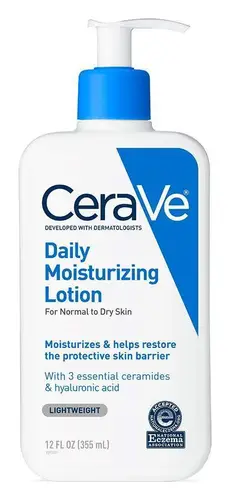
Remedy Barrier Repairing Rich Cream Moisturizer Versus Torriden Dive In 5D Hyaluronic Acid Intensive Cream
This barrier-repair moisturizer is formulated around Niacinamide and Squalane to strengthen the skin barrier and hydrate skin.
This barrier-repair moisturizer is formulated around Panthenol and Sodium Hyaluronate to strengthen the skin barrier and hydrate skin.


What's inside
What's inside
 Key Ingredients
Benefits
Concerns
Ingredients Side-by-side
Water
Skin ConditioningGlycerin
Humectant


Caprylic/Capric Triglyceride
Masking
Propanediol
Solvent
Vitis Vinifera Seed Oil
Emollient



Niacinamide
Smoothing








Squalane
Emollient
Simmondsia Chinensis Seed Oil
Emollient
C10-18 Triglycerides
Emollient
C12-16 Alcohols
EmollientArachidyl Alcohol
Emollient
Butyrospermum Parkii Butter
Skin Conditioning


Chondrus Crispus Extract
Skin Conditioning
Glycyrrhiza Glabra Root Extract
Bleaching
Curcuma Longa Root Extract
Antioxidant

Tripeptide-1
Skin Conditioning
Ceramide NP
Skin Conditioning
Ceramide AP
Skin Conditioning
Ceramide EOP
Skin Conditioning
Phytosphingosine
Skin Conditioning
Hydrolyzed Hyaluronic Acid
Humectant
Sodium Hyaluronate
Humectant
Cholesterol
Emollient
Dextran
Hydrogenated Lecithin
Emulsifying
Behenyl Alcohol
Emollient
Arachidyl Glucoside
EmulsifyingGlucose
Humectant
Diheptyl Succinate
EmollientCapryloyl Glycerin/Sebacic Acid Copolymer
Skin ConditioningButylene Glycol
Humectant
Sodium Lauroyl Lactylate
EmulsifyingSodium Stearoyl Glutamate
CleansingSaccharide Isomerate
Humectant
Aloe Barbadensis Leaf Juice
Skin Conditioning
Trisodium Ethylenediamine Disuccinate
ChelatingSodium Polyacrylate
Absorbent
Palmitic Acid
Emollient
Carbomer
Emulsion StabilisingXanthan Gum
EmulsifyingLeuconostoc/Radish Root Ferment Filtrate
Antimicrobial
Phenoxyethanol
Preservative
Gluconolactone
Chelating
Ethylhexylglycerin
Skin ConditioningSodium Benzoate
Masking
Citric Acid
Buffering
Sodium Hydroxide
BufferingSodium Citrate
BufferingWater, Glycerin, Caprylic/Capric Triglyceride, Propanediol, Vitis Vinifera Seed Oil, Niacinamide, Squalane, Simmondsia Chinensis Seed Oil, C10-18 Triglycerides, C12-16 Alcohols, Arachidyl Alcohol, Butyrospermum Parkii Butter, Chondrus Crispus Extract, Glycyrrhiza Glabra Root Extract, Curcuma Longa Root Extract, Tripeptide-1, Ceramide NP, Ceramide AP, Ceramide EOP, Phytosphingosine, Hydrolyzed Hyaluronic Acid, Sodium Hyaluronate, Cholesterol, Dextran, Hydrogenated Lecithin, Behenyl Alcohol, Arachidyl Glucoside, Glucose, Diheptyl Succinate, Capryloyl Glycerin/Sebacic Acid Copolymer, Butylene Glycol, Sodium Lauroyl Lactylate, Sodium Stearoyl Glutamate, Saccharide Isomerate, Aloe Barbadensis Leaf Juice, Trisodium Ethylenediamine Disuccinate, Sodium Polyacrylate, Palmitic Acid, Carbomer, Xanthan Gum, Leuconostoc/Radish Root Ferment Filtrate, Phenoxyethanol, Gluconolactone, Ethylhexylglycerin, Sodium Benzoate, Citric Acid, Sodium Hydroxide, Sodium Citrate
Water
Skin ConditioningGlycerin
Humectant
Panthenol
Skin Conditioning
Butylene Glycol
Humectant
Propylheptyl Caprylate
Emollient1,2-Hexanediol
Skin Conditioning
Cetearyl Alcohol
Emollient
Pentylene Glycol
Skin Conditioning
Cetyl Palmitate
Emollient
Behenyl Alcohol
Emollient
Sodium Hyaluronate
Humectant
Sodium Hyaluronate Crosspolymer
Humectant
Sodium Acetylated Hyaluronate
Humectant
Hydrolyzed Sodium Hyaluronate
Skin Conditioning
Hydrolyzed Hyaluronic Acid
Humectant
Sh-Oligopeptide-1
Skin Conditioning
Carnosine
Skin Conditioning
Arginine/Lysine Polypeptide
Skin Conditioning
Ceramide NP
Skin Conditioning
Palmitoyl Dipeptide-7
Skin Conditioning
Methyl Glucose Sesquistearate
Emollient
Hydrogenated Polydecene
EmollientPhytosterols
Skin Conditioning
Allantoin
Skin Conditioning
Cetearyl Glucoside
Emulsifying
Glycereth-26
Humectant
Glyceryl Glucoside
Humectant
Hydrogenated Poly(C6-14 Olefin)
EmollientJojoba Esters
Emollient
Glyceryl Stearates
Emollient
Polyglycerin-3
Humectant
Polyglyceryl-3 Methylglucose Distearate
Emulsifying
Sorbitan Oleate
Emulsifying
Madecassoside
Antioxidant
Dipotassium Glycyrrhizate
Humectant
Heptyl Undecylenate
EmollientSorbitan Palmitate
Emulsifying
Sodium Acetate
BufferingSodium Stearoyl Glutamate
CleansingHydroxyethyl Acrylate/Sodium Acryloyldimethyl Taurate Copolymer
Emulsion StabilisingGlyceryl Acrylate/Acrylic Acid Copolymer
HumectantSodium Phosphate
BufferingIsoamyl Laurate
Emollient
Stearyl Alcohol
Emollient
Cetyl Alcohol
Emollient
Stearic Acid
Cleansing
Caprylyl Glycol
Emollient
Acacia Decurrens Flower Wax
Emollient
Vinyldimethicone

Helianthus Annuus Seed Wax
Skin Conditioning
Hydrogenated Lecithin
Emulsifying
Sorbitan Isostearate
Emulsifying
Trisodium Ethylenediamine Disuccinate
ChelatingCarbomer
Emulsion StabilisingArachidyl Alcohol
Emollient
Arachidyl Glucoside
EmulsifyingEthylhexylglycerin
Skin ConditioningMalachite Extract
Antioxidant
Arginine
Masking
Tocopherol
Antioxidant
Water, Glycerin, Panthenol, Butylene Glycol, Propylheptyl Caprylate, 1,2-Hexanediol, Cetearyl Alcohol, Pentylene Glycol, Cetyl Palmitate, Behenyl Alcohol, Sodium Hyaluronate, Sodium Hyaluronate Crosspolymer, Sodium Acetylated Hyaluronate, Hydrolyzed Sodium Hyaluronate, Hydrolyzed Hyaluronic Acid, Sh-Oligopeptide-1, Carnosine, Arginine/Lysine Polypeptide, Ceramide NP, Palmitoyl Dipeptide-7, Methyl Glucose Sesquistearate, Hydrogenated Polydecene, Phytosterols, Allantoin, Cetearyl Glucoside, Glycereth-26, Glyceryl Glucoside, Hydrogenated Poly(C6-14 Olefin), Jojoba Esters, Glyceryl Stearates, Polyglycerin-3, Polyglyceryl-3 Methylglucose Distearate, Sorbitan Oleate, Madecassoside, Dipotassium Glycyrrhizate, Heptyl Undecylenate, Sorbitan Palmitate, Sodium Acetate, Sodium Stearoyl Glutamate, Hydroxyethyl Acrylate/Sodium Acryloyldimethyl Taurate Copolymer, Glyceryl Acrylate/Acrylic Acid Copolymer, Sodium Phosphate, Isoamyl Laurate, Stearyl Alcohol, Cetyl Alcohol, Stearic Acid, Caprylyl Glycol, Acacia Decurrens Flower Wax, Vinyldimethicone, Helianthus Annuus Seed Wax, Hydrogenated Lecithin, Sorbitan Isostearate, Trisodium Ethylenediamine Disuccinate, Carbomer, Arachidyl Alcohol, Arachidyl Glucoside, Ethylhexylglycerin, Malachite Extract, Arginine, Tocopherol
Reviews
Ingredients Explained
These ingredients are found in both products.
Ingredients higher up in an ingredient list are typically present in a larger amount.
Arachidyl Alcohol is a fatty alcohol made from the the arachidic acid found in peanut oil.
Despite having "alcohol" in the name, it is not related to denatured alcohol or ethanol.
This ingredient is a multitasker:
Just be sure to patch this ingredient if you have a peanut allergy (though this ingredient is highly processed and the allergenic proteins are typically removed).
Learn more about Arachidyl AlcoholThis ingredient is a plant-based surfactant and emulsifier. It helps oil and water based ingredients mix evenly to improve formula stability without adding a "greasy" feel.
Behenyl Alcohol is a type of fatty alcohol (these are different from the drying, solvent alcohols).
Fatty Alcohols have hydrating properties and are most often used as an emollient or to thicken a product. They are usually derived from natural fats and oils; behenyl alcohol is derived from the fats of vegetable oils.
Emollients help keep your skin soft and hydrated by creating a film that traps moisture in.
In 2000, Behenyl Alcohol was approved by the US as medicine to reduce the duration of cold sores.
Learn more about Behenyl AlcoholButylene Glycol (or BG) is used within cosmetic products for a few different reasons:
Overall, Butylene Glycol is a safe and well-rounded ingredient that works well with other ingredients.
Though this ingredient works well with most skin types, some people with sensitive skin may experience a reaction such as allergic rashes, closed comedones, or itchiness.
Learn more about Butylene GlycolCarbomer is a synthetic thickening and gelling agent. It's basically the ingredient that gives a lot of serums, gels, creams, and sunscreens their smooth, non-sticky texture.
Although legally permitted at very high levels, carbomers are normally used at concentrations below 1%.
It also needs to be neutralized to actually thicken, and because it is a large molecule, it doesn't really penetrate the skin barrier.
Allergy-wise, the risk is very low. Clinical studies show carbomers have low potential for skin irritation/sensitization even at concentrations up to 100%.
A 2024 UK study patch-tested 1,302 patients and found true allergy to the parent group of carbomer to be rare with no confirmed relevant reactions.
Learn more about CarbomerCeramide NP (formerly known as Ceramide 3) is one of the skin's naturally occurring lipids.
Since ceramides are the major lipid components of the skin, they are crucial for maintaining skin barrier and hydration. Ceramide NP most closely mirrors the dominant kind in human skin amongst ceramide subtypes.
This ceramide works by slotting into gaps within the stratum corneum's lipid matrix to limit trans-epidermal water loss (TEWL) and shield the skin against external irritants.
A study with 312 patients found that using a ceramide-containing routine for 4 weeks reduced the severity of atopic dermatitis by over 61%.
Another clinical study in subjects aged 60 and older found that a ceramide body wash and moisturizer improved skin dryness and itchy skin in 15 days.
Overall, ceramides are considered non-irritating and safety tests have found little to no observable adverse effects from using this ingredient.
Ceramide NP is usually sourced from plants (like soybean or rice bran), or produced synthetically.
Learn more about Ceramide NPEthylhexylglycerin is created from glycerin. It is a multitasker ingredient that:
The CIR Expert Panel found minimal skin absorption or sensitization of any kind in a safety assessment. Though this ingredient is considered well-tolerated, a small number of cases of allergic dermatitis have been published since 2002. Just be sure to patch test if you are unsure.
Industry-reported use ranges from 8% in rinse-off products and 2% in leave-on formulations.
Learn more about EthylhexylglycerinGlycerin (or glycerol) is a compound naturally found in your skin. It's a powerhouse humectant that pulls water into the stratum corneum.
Topically, glycerin does several things at once:
Your skin makes glycerin on its own (mostly from sebaceous oil breakdown) and shuttles it to your outermost layer of skin, or your epidermis, via aquaporin-3.
Aquaporin-3 is a transporter that is essential for normal skin hydration, elasticity, and repair. Interestingly, mice lacking in AQP3 have dry and less elastic skin that can be fully corrected with glycerin.
This ingredient is non-irritating, plays well with almost every ingredient, and works across all skin types. Typical use is anywhere between 3-10% but can go up to 79% in some leave-on products.
Just know very high concentrations (>40%) can feel tacky in low humidity.
Glycerin is the name for this ingredient in American English. British English uses Glycerol/Glycerine.
Learn more about GlycerinHydrogenated Lecithin is a more stable version of lecithin.
It's made by taking lecithin (a phospholipid commonly found in soybeans and egg yolks) and hydrogenating it. This just means the unsaturated fatty acids are turned into saturated ones so they don't go bad as easily.
This ingredient is an emollient, emulsifier, and penetration enhancer. As an emollient, it helps soften and hydrate skin by trapping moisture within. As an emulsifier, it prevents oil and water ingredients from separating.
Hydrogenated Lecithin can form tiny spherical structures made of phospholipid bilayers called liposomes. These liposomes are able to capture compounds inside their structure and deliver them through the skin barrier.
Because phospholipids are a natural component of our cell membranes, this ingredient is inherently compatible with skin.
A 2021 study found lecithin-based surfactants were less harsh and more tolerable comared to Sodium Lauryl Sulfate (SLS).
Learn more about Hydrogenated LecithinHydrolyzed Hyaluronic Acid is hyaluronic acid (HA) that is broken down into lower molecular weight fragments.
It's a humectant that pulls and holds water in the skin to help with hydration, plumpness, and reduce transepidermal water loss.
Because hydrolyzed hyaluronic acid is smaller in size, it can slip past your outermost layer of skin more easily than full-sized HA.
Most formulations will combine all sizes to get the best of both worlds.
Typical usage levels range from 0.01-1%. Any percentage higher than 2% might become goopy and tacky.
Learn more about Hydrolyzed Hyaluronic AcidSodium Hyaluronate is the salt form of hyaluronic acid. It is a long sugar chain that is naturally found in your skin, joints, and connective tissue that maintains hydration and elasticity.
In skincare, it works as a humectant. It pulls water from the environment and deeper layers of skin and binds it to the surface.
Interestingly, the size of the molecule affects its behavior:
Some clinical evidence links low molecular weight versions to improved wrinkle depth, elasticity, anti-inflammatory effects, and barrier repair.
Many serums use a blend of both weights so you can get surface hydration plus longer-lasting and deeper effects.
You'll typically see concentrations between 0.1-2% for this ingredient.
Learn more about Sodium HyaluronateSodium Stearoyl Glutamate is an amino-acid based emulsifier. It is made by combining stearic acid with L-glutamic acid and neutralizing it to a sodium salt.
As an emulsifier, it works mainly as an oil-in-water one and helps keep the oil and water in your formulas blended. It also contributes to a smooth, non-greasy skin feel.
This ingredient is biodegradable and commonly available in natural/COSMOS-certified grades.
Learn more about Sodium Stearoyl GlutamateTrisodium Ethylenediamine Disuccinate is used to help stabilize a product.
It is a chelating agent, meaning it helps prevent metal ions from binding to other ingredients. This prevents unwanted reactions in products. Metal ions can come into a product via the water ingredient. They are found in trace amounts and are not known to be harmful.
Water. It's the most common cosmetic ingredient of all. You'll usually see it at the top of ingredient lists, meaning that it makes up the largest part of the product.
So why is it so popular? Water most often acts as a solvent - this means that it helps dissolve other ingredients into the formulation.
You'll also recognize water as that liquid we all need to stay alive. If you see this, drink a glass of water. Remember to stay hydrated!
Learn more about Water