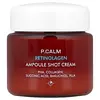
This anti-aging moisturizer is formulated around Gluconolactone and Bakuchiol to soften the look of wrinkles and refine skin texture.
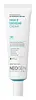
This anti-aging moisturizer is formulated around Niacinamide and Adenosine to soften the look of wrinkles and strengthen the skin barrier.

What's inside
What's inside
 Key Ingredients
Benefits
Concerns
Ingredients Side-by-side
Water
Skin ConditioningGlycerin
Humectant


Propanediol
Solvent
1,2-Hexanediol
Skin Conditioning
Caprylic/Capric Triglyceride
Masking
Vinyldimethicone

Polylactic Acid
Abrasive
Succinic Acid
BufferingGluconolactone
Chelating






Bakuchiol
Antimicrobial




Retinal
Skin Conditioning


Ascorbic Acid
Antioxidant
Collagen Extract
Skin Conditioning
Betaine
Humectant
Panthenol
Skin Conditioning
Retinol
Skin Conditioning
Allantoin
Skin Conditioning
Adenosine
Skin Conditioning
Melia Azadirachta Flower Extract
Skin ConditioningMelia Azadirachta Leaf Extract
Skin ConditioningCurcuma Longa Root Extract
Antioxidant
Corallina Officinalis Extract
Skin Conditioning

Coccinia Indica Fruit Extract
Skin Conditioning
Ocimum Sanctum Leaf Extract
Skin ConditioningButylene Glycol
Humectant
Lecithin
Emollient
Sodium Acrylate/Sodium Acryloyldimethyl Taurate Copolymer
Emulsion StabilisingCetearyl Olivate

Polyisobutene
Sorbitan Olivate
Emulsifying
Carbomer
Emulsion StabilisingArginine
Masking
Glyceryl Acrylate/Acrylic Acid Copolymer
HumectantCaprylyl/Capryl Glucoside
CleansingSorbitan Oleate
Emulsifying
Sodium Polyacrylate
Absorbent
Disodium EDTA
ChelatingPolysorbate 20
Emulsifying
BHT
Antioxidant
BHA
Antioxidant
Water, Glycerin, Propanediol, 1,2-Hexanediol, Caprylic/Capric Triglyceride, Vinyldimethicone, Polylactic Acid, Succinic Acid, Gluconolactone, Bakuchiol, Retinal, Ascorbic Acid, Collagen Extract, Betaine, Panthenol, Retinol, Allantoin, Adenosine, Melia Azadirachta Flower Extract, Melia Azadirachta Leaf Extract, Curcuma Longa Root Extract, Corallina Officinalis Extract, Coccinia Indica Fruit Extract, Ocimum Sanctum Leaf Extract, Butylene Glycol, Lecithin, Sodium Acrylate/Sodium Acryloyldimethyl Taurate Copolymer, Cetearyl Olivate, Polyisobutene, Sorbitan Olivate, Carbomer, Arginine, Glyceryl Acrylate/Acrylic Acid Copolymer, Caprylyl/Capryl Glucoside, Sorbitan Oleate, Sodium Polyacrylate, Disodium EDTA, Polysorbate 20, BHT, BHA
Water
Skin ConditioningGlycerin
Humectant
Propanediol
Solvent
Butylene Glycol
Humectant
Niacinamide
Smoothing
Isononyl Isononanoate
Emollient1,2-Hexanediol
Skin Conditioning
C13-16 Isoalkane
SolventAmmonium Acryloyldimethyltaurate/Vp Copolymer
Cetearyl Olivate
Heptyl Undecylenate
EmollientSorbitan Olivate
Emulsifying
Xanthan Gum
EmulsifyingAcrylates/C10-30 Alkyl Acrylate Crosspolymer
Emulsion StabilisingEthylhexylglycerin
Skin ConditioningGlyceryl Acrylate/Acrylic Acid Copolymer
HumectantAdenosine
Skin Conditioning
Tromethamine
BufferingDextrin
AbsorbentTheobroma Cacao Extract
Skin ConditioningCentella Asiatica Leaf Extract
Skin Conditioning
Sodium PCA
Humectant
Sodium Lactate
Buffering
Maltodextrin
Absorbent
Ascorbic Acid
Antioxidant
Magnesium Ascorbyl Phosphate
Antioxidant
Ascorbyl Tetraisopalmitate
Antioxidant
Ferulic Acid
Antimicrobial
Palmitoyl Isoleucine
Skin ProtectingArginine
Masking
Aspartic Acid
Masking
PCA
Humectant
Hydrogenated Lecithin
Emulsifying
Sodium Starch Octenylsuccinate
AbsorbentCaprylic/Capric Triglyceride
Masking
Polyglyceryl-10 Laurate
Skin Conditioning
Calcium Pantothenate
Glycine
Buffering
Alanine
Masking
Sodium Ascorbyl Phosphate
Antioxidant
Lecithin
Emollient
Panthenol
Skin Conditioning
Polysorbate 20
Emulsifying
Palmitic Acid
Emollient
Serine
Masking
Valine
MaskingResveratrol
Antioxidant
Caprylyl Glycol
Emollient
Isoleucine
Skin ConditioningThreonine
Proline
Skin Conditioning
Gardenia Florida Fruit Extract
Skin ConditioningSodium Polyphosphate
ChelatingTocopheryl Acetate
Antioxidant
Pyridoxine Hcl
Skin ConditioningPhenylalanine
Masking
Histidine
Humectant
Sodium Ascorbate
Antioxidant
Palmitoyl Tripeptide-5
Skin Conditioning
Glucose
Humectant
Dipeptide Diaminobutyroyl Benzylamide Diacetate
Skin Conditioning
Tricalcium Phosphate
Abrasive
Disodium EDTA
ChelatingSodium Hyaluronate
Humectant
Silica
Abrasive
Copper Tripeptide-1
Skin Conditioning
Chondrus Crispus Extract
Skin Conditioning
Biotin
AntiseborrhoeicPyridoxine
Skin ConditioningFolic Acid
Skin ConditioningHydroxypropyltrimonium Hyaluronate
Cyanocobalamin
Skin ConditioningTocopherol
Antioxidant
Tripeptide-1
Skin Conditioning
Hydrolyzed Hyaluronic Acid
Humectant
Sodium Acetylated Hyaluronate
Humectant
Riboflavin
Cosmetic ColorantThiamine Hcl
MaskingPalmitoyl Tripeptide-1
Skin Conditioning
Linoleic Acid
Cleansing
Tripeptide-2
Skin Conditioning
Hexapeptide-11
Skin Conditioning
Beta-Carotene
Skin ConditioningAcetyl Hexapeptide-8
Humectant
Palmitoyl Tetrapeptide-7
Skin Conditioning
Palmitoyl Pentapeptide-4
Skin Conditioning
Hyaluronic Acid
Humectant
Hexapeptide-9
Skin Conditioning
Nonapeptide-1
Skin Conditioning
Sodium Hyaluronate Crosspolymer
Humectant
Hydrolyzed Sodium Hyaluronate
Skin Conditioning
Potassium Hyaluronate
Skin ConditioningWater, Glycerin, Propanediol, Butylene Glycol, Niacinamide, Isononyl Isononanoate, 1,2-Hexanediol, C13-16 Isoalkane, Ammonium Acryloyldimethyltaurate/Vp Copolymer, Cetearyl Olivate, Heptyl Undecylenate, Sorbitan Olivate, Xanthan Gum, Acrylates/C10-30 Alkyl Acrylate Crosspolymer, Ethylhexylglycerin, Glyceryl Acrylate/Acrylic Acid Copolymer, Adenosine, Tromethamine, Dextrin, Theobroma Cacao Extract, Centella Asiatica Leaf Extract, Sodium PCA, Sodium Lactate, Maltodextrin, Ascorbic Acid, Magnesium Ascorbyl Phosphate, Ascorbyl Tetraisopalmitate, Ferulic Acid, Palmitoyl Isoleucine, Arginine, Aspartic Acid, PCA, Hydrogenated Lecithin, Sodium Starch Octenylsuccinate, Caprylic/Capric Triglyceride, Polyglyceryl-10 Laurate, Calcium Pantothenate, Glycine, Alanine, Sodium Ascorbyl Phosphate, Lecithin, Panthenol, Polysorbate 20, Palmitic Acid, Serine, Valine, Resveratrol, Caprylyl Glycol, Isoleucine, Threonine, Proline, Gardenia Florida Fruit Extract, Sodium Polyphosphate, Tocopheryl Acetate, Pyridoxine Hcl, Phenylalanine, Histidine, Sodium Ascorbate, Palmitoyl Tripeptide-5, Glucose, Dipeptide Diaminobutyroyl Benzylamide Diacetate, Tricalcium Phosphate, Disodium EDTA, Sodium Hyaluronate, Silica, Copper Tripeptide-1, Chondrus Crispus Extract, Biotin, Pyridoxine, Folic Acid, Hydroxypropyltrimonium Hyaluronate, Cyanocobalamin, Tocopherol, Tripeptide-1, Hydrolyzed Hyaluronic Acid, Sodium Acetylated Hyaluronate, Riboflavin, Thiamine Hcl, Palmitoyl Tripeptide-1, Linoleic Acid, Tripeptide-2, Hexapeptide-11, Beta-Carotene, Acetyl Hexapeptide-8, Palmitoyl Tetrapeptide-7, Palmitoyl Pentapeptide-4, Hyaluronic Acid, Hexapeptide-9, Nonapeptide-1, Sodium Hyaluronate Crosspolymer, Hydrolyzed Sodium Hyaluronate, Potassium Hyaluronate
Reviews
Ingredients Explained
These ingredients are found in both products.
Ingredients higher up in an ingredient list are typically present in a larger amount.
1,2-Hexanediol is a synthetic liquid and another multi-functional powerhouse.
It is a:
- Humectant, drawing moisture into the skin
- Emollient, helping to soften skin
- Solvent, dispersing and stabilizing formulas
- Preservative booster, enhancing the antimicrobial activity of other preservatives
Adenosine is a purine nucleoside that your body already makes in every cell. In skincare, it acts mainly as a skin conditioning and anti-aging agent.
The way it works is fairly well mapped out:
Your skin has cells called fibroblasts that build collagen (the stuff that keeps skin firm and smooth). Adenosine basically flips a switch on these cells that tells them to get to work making more collagen and other proteins. These cells slow down on their own as skin ages, so Adenosine helps give them a little nudge to keep going.
The clinical backing is pretty solid too.
A blind, randomized, placebo-controlled trial of 126 women aged 45-65 tested a 0.1% cream twice daily and found real improvements in crow's feet and frown lines using a precise 3D skin-mapping technique; these changes showed up by week 3 and held at 2 months.
A later study using Adenosine-loaded dissolving microneedle patches reported gains in wrinkle depth, dermal density, elasticity, and hydration.
On concentrations, South Korea's Ministry of Food and Drug Safety has set 0.04% as the approved functional anti-wrinkle level. You'll typically see this ingredient used somewhere in the 0.04-0.1% range since it works at low doses.
This ingredient has been found safe for cosmetics with the data showing no irritation or sensitization.
Overall, this is a great ingredient for any anti-aging routine and has no photosensitizing effect, so it suits both AM and PM use.
Learn more about AdenosineArginine is a semi-essential amino acid. This just means our bodies can product a bit on its own, but sometimes needs a little boost from food sources.
It is a part of your skin's natural moisturizing factor (NMF), or the water-loving molecules in your outermost layer of skin (stratum corneum) that keeps everything hydrated and happy.
Here's an interesting thing about Arginine: your skin converts it into urea through the Krebs-Henseleit urea cycle. Urea is one of the most effective humectants your skin naturally produces.
A clinical study showed applying 2.5% arginine hydrochloride to atopic dermatitis skin showed significant urea levels in the stratum corneum and improved moisture in just four weeks.
Arginine is also a precursor to nitric oxide; nitric oxide improves microcirculation and supports wound healing and collagen synthesis.
One study found that an amino acid complex containing Arginine reduced skin irritation, improved hydration, and accelerated skin repair in clinical / in-vivo studies.
Arginine itself is an amino acid and not a fatty acid, oil, or ester. On its own, it's not a direct food source for Malassezia, or the yeast that causes fungal acne.
Learn more about ArginineAscorbic Acid is is pure Vitamin C and is the biologically active form used directly by skin.
Not only is vitamin C great for your overall health and immune system, but it also has plenty of benefits for your skin. It is best supported by academic literature for:
Topical vitamin C has been shown to help neutralize oxidative stress from UV and pollution, helping to improve photoaging and hyperpigmentation when used consistently.
One clinical study found that using 5% topical vitamin C for six months improved signs of photodamaged skin, both on the surface and in the deeper structural layers of the skin.
While vitamin C doesn’t replace sunscreen, studies show it can boost photoprotection when combined with Vitamin E and ferulic acid. These two ingredients help improve stability and protective effects.
The big downside of this ingredient is formulation difficulty. Vitamin C is prone to oxidation and doesn't penetrate the skin unless formulated correctly. Research found that vitamin C absorbs into the skin best at a low pH (< 3.5) with about 20% being the upper limit for effective absorption.
Skin levels can saturate after repeated application; this means your skin won’t keep absorbing more once it’s full of vitamin C. This is why more isn’t always better with vitamin C and why very high concentrations don’t necessarily give extra benefits.
Ascorbic acid generally works well with many skincare ingredients but can be irritating when combined with other active ingredients. Strong oxidizing acne treatments like benzoyl peroxide can reduce the effectiveness of vitamin C if they are used at the same time; they are often recommended for use at different times of day.
Read more about other types of Vitamin C:
Foods rich with vitamin C include oranges, strawberries, broccoli, bell peppers, and more. When consuming Vitamin C, your skin receives a portion of the nutrients.
Learn more about Ascorbic AcidButylene Glycol (or BG) is used within cosmetic products for a few different reasons:
Overall, Butylene Glycol is a safe and well-rounded ingredient that works well with other ingredients.
Though this ingredient works well with most skin types, some people with sensitive skin may experience a reaction such as allergic rashes, closed comedones, or itchiness.
Learn more about Butylene GlycolCaprylic/Capric Triglyceride (aka MCT Oil) is a lightweight emollient, solvent, and texture enhancer. It is considered a skin-softener by helping to prevent moisture loss.
Though it behaves like an oil, it is not technically one due to its chemical composition. One perk of this ingredient is that it is very stable, resistant to oxidation, and unlikely to go rancid.
In practice, that translates to a long shelf life and a consistently elegant skin feel.
While there is an assumption Caprylic Triglyceride can clog pores due to it being derived from coconut oil, there is no research supporting this. Just patch test if you have concerns.
Fractionated coconut oil and MCT Oil are both listed as Caprylic/Capric Triglyceride according to INCI. This is because INCI names are based on the ingredient’s final chemical composition and not its marketing name or source.
This ingredient is treated as the gold standard fungal acne safe oil. Even though it is coconut derived, the problematic lauric acid is stripped out.
This leaves just caprylic (C8) and capric (C10) acid. These chain lengths actually trend antifungal; a 2020 study found caprylic acid was enough to disrupt Malassezia furfur cell membrane, with a caprylic acid derivative damaging membrane structures at concentrations as low as 0.2%.
Learn more about Caprylic/Capric TriglycerideCetearyl Olivate is a plant-derived emulsifier and texture enhancer. It helps keep the oil and water phases from separating so your formulas stay stable.
You'll likely see it combined with Sorbitan Olivate (together sold as the trade name Olivem 1000). This combination generates a liquid crystal structure that closely resemble the lipid organization of the stratum corneum.
These "skin-like" liquid crystals improve skin barrier integrity and promote the delivery of actives into the skin.
This ingredient is well-tolerated and has no significant sensitization data.
Because it is derived from the fatty acids in olive oil, this ingredient may not be fungal acne safe.
Learn more about Cetearyl OlivateDisodium EDTA is a chelating agent. It grabs onto and deactivates metal ions that sneak into your products from water, packaging, or air.
This ingredient mainly works behind the scenes and helps with:
On top of that, this ingredient can counteract the effects of hard water by binding to the minerals in it.
One thing worth knowing is that Disodium EDTA has been shown to be a mild penetration enhancer. It can help other ingredients absorb into skin more effectively which can be a double-edged sword (great for actives, but can also make the active too strong if you have sensitive skin).
Clinical patch testing showed no significant skin irritation at typical use concentrations and minimal dermal absorption.
You'll most likely see this ingredient near the end of an ingredient list. It's typically found in concentrations less than 1%.
Learn more about Disodium EDTAGlycerin (or glycerol) is a compound naturally found in your skin. It's a powerhouse humectant that pulls water into the stratum corneum.
Topically, glycerin does several things at once:
Your skin makes glycerin on its own (mostly from sebaceous oil breakdown) and shuttles it to your outermost layer of skin, or your epidermis, via aquaporin-3.
Aquaporin-3 is a transporter that is essential for normal skin hydration, elasticity, and repair. Interestingly, mice lacking in AQP3 have dry and less elastic skin that can be fully corrected with glycerin.
This ingredient is non-irritating, plays well with almost every ingredient, and works across all skin types. Typical use is anywhere between 3-10% but can go up to 79% in some leave-on products.
Just know very high concentrations (>40%) can feel tacky in low humidity.
Glycerin is the name for this ingredient in American English. British English uses Glycerol/Glycerine.
Learn more about GlycerinGlyceryl Acrylate/Acrylic Acid Copolymer is made up of glycerin and polyacrylic acid. It helps hydrate your skin as a humectant.
This ingredient forms a hydrogel that delivers moisturizing, water-based ingredients to the skin. It is also used to thicken a product and to give it a smooth texture.
Acrylic acid itself is toxic, but the polymer form (this ingredient) is too large to penetrate skin, making it non-toxic.
Learn more about Glyceryl Acrylate/Acrylic Acid CopolymerLecithin is a term for a group of substances found in the cell membranes of plants, animals, and humans. They are made up of phospholipids.
Thanks to its amphiphilic structure (water-loving head and oil-loving tail), it is a true multitasker:
It plays well with most ingredients and is typically used at 0.1-1%. However, concentrations up to 50% have been reported in moisturizers.
Learn more about LecithinPanthenol is a common ingredient that helps hydrate and soothe the skin. It is found naturally in our skin and hair.
There are two forms of panthenol: D and L.
D-panthenol is also known as dexpanthenol. Most cosmetics use dexpanthenol or a mixture of D and L-panthenol.
Panthenol is famous due to its ability to go deeper into the skin's layers. Using this ingredient has numerous pros (and no cons):
Like hyaluronic acid, panthenol is a humectant. Humectants are able to bind and hold large amounts of water to keep skin hydrated.
This ingredient works well for wound healing. It works by increasing tissue in the wound and helps close open wounds.
Once oxidized, panthenol converts to pantothenic acid. Panthothenic acid is found in all living cells.
This ingredient is also referred to as pro-vitamin B5.
Learn more about PanthenolPolysorbate 20 is a gentle, water-soluble emulsifier and mild surfactant. It stops oil and water from separating to keep your formulas blended and stable.
It also acts as a mild penetration enhancer by helping active ingredients absorb slightly better.
The common safety discussion around this ingredient involves a manufacturing byproduct called 1,4-dioxane.
Trace amounts can form during production but the EU's Scientific Committee on Consumer Safety has concluded that levels at/below 10 ppm in finished products are safe (commercial products consistently fall within acceptable margins).
True allergic reactions are uncommon and the CIR Expert Panel has confirmed this ingredient to be safe as used in cosmetics.
Because it is derived from lauric acid, it may not be fungal acne safe.
Learn more about Polysorbate 20Propanediol is an all-star ingredient. It softens, hydrates, and smooths the skin.
It’s often used to:
Propanediol is not likely to cause sensitivity and considered safe to use. It is derived from corn or petroleum with a clear color and no scent.
Learn more about PropanediolSorbitan Olivate is created from the fatty acids in olive oil and sorbitol.
This ingredient is an oil in water emulsifier. It helps stabilize a product by preventing oils and waters from separating. Sorbitan Olivate also helps hydrate the skin.
This ingredient is also known as part of Olivem 1000, with Cetearyl Olivate being the other part.
According to a manufacturer, this ingredient helps preserve the natural microbiome of skin. Having a healthy microbiome helps keep our skin healthy and protects against harmful bacteria.
Please note, having a healthy microbiome is different from fungal acne; a healthy microbiome includes small amounts of yeast that normally live on your skin without causing problems.
Fungal acne happens when one type of yeast (Malassezia) grows out of control. This is usually because it's feeding on certain oils or fatty acids. Due to the olive oil base, this ingredient may not be fungal acne safe.
Learn more about Sorbitan OlivateWater. It's the most common cosmetic ingredient of all. You'll usually see it at the top of ingredient lists, meaning that it makes up the largest part of the product.
So why is it so popular? Water most often acts as a solvent - this means that it helps dissolve other ingredients into the formulation.
You'll also recognize water as that liquid we all need to stay alive. If you see this, drink a glass of water. Remember to stay hydrated!
Learn more about Water

