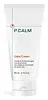
This barrier-repair moisturizer is formulated around Niacinamide and Ceramide NP to strengthen the skin barrier and calm redness.
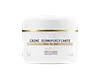
This oil-control moisturizer is formulated around Niacinamide to balance excess oil and clear breakouts.


What's inside
What's inside
 Key Ingredients
Benefits
Concerns
Ingredients Side-by-side
Water
Skin ConditioningGlycerin
Humectant


Butylene Glycol
Humectant
Butylene Glycol Dicaprylate/Dicaprate
EmollientPentaerythrityl Tetraisostearate
Emollient

Vinyldimethicone

Cetyl Ethylhexanoate
EmollientNiacinamide
Smoothing









C14-22 Alcohols
Emulsion Stabilising
Phenyl Trimethicone
Skin Conditioning
Behenyl Alcohol
Emollient
Hydrogenated Vegetable Oil
Emollient


Stearic Acid
Cleansing
Arachidyl Alcohol
Emollient
Glyceryl Caprylate
EmollientC12-20 Alkyl Glucoside
EmulsifyingCetearyl Alcohol
Emollient
Caprylyl Glycol
Emollient
Arachidyl Glucoside
EmulsifyingCarbomer
Emulsion StabilisingArginine
Masking
Palmitic Acid
Emollient
Allantoin
Skin Conditioning
Silica
Abrasive
Polyacrylate-13
Ammonium Acryloyldimethyltaurate/Vp Copolymer
Tocopherol
Antioxidant

Hydrogenated Lecithin
Emulsifying
Ethylhexylglycerin
Skin ConditioningAdenosine
Skin Conditioning
Hydrogenated Polyisobutene
EmollientCeramide NP
Skin Conditioning
1,2-Hexanediol
Skin Conditioning
Tocopheryl Acetate
Antioxidant
Cholesterol
Emollient
Squalane
Emollient
Bisabolol
Antioxidant
Macadamia Ternifolia Seed Oil
Emollient
Dimethicone
Emollient
Polyglyceryl-10 Laurate
Skin Conditioning
Ethylhexyl Palmitate
Emollient
Octyldodecanol
Emollient
Glucose
Humectant
Brassica Campestris Sterols
EmollientOleic Acid
Emollient
Sorbitan Isostearate
Emulsifying
T-Butyl Alcohol
Perfuming



Arachidic Acid
Cleansing
Sodium Hyaluronate
Humectant
Ribes Nigrum Seed Oil
Emollient
Myristic Acid
Cleansing
Glutathione
Caesalpinia Spinosa Fruit Extract
Skin ProtectingAsiaticoside
Antioxidant
Madecassic Acid
Skin Conditioning
Asiatic Acid
Skin Conditioning
Helianthus Annuus Seed Oil Unsaponifiables
Emollient
Kappaphycus Alvarezii Extract
Skin Conditioning
Lactobacillus Ferment Lysate
Skin Conditioning
Lactobacillus Ferment
Skin Conditioning
Helianthus Annuus Seed Oil
Emollient
Cardiospermum Halicacabum Flower/Leaf/Vine Extract
Skin ConditioningRosmarinus Officinalis Leaf Extract
AntimicrobialWater, Glycerin, Butylene Glycol, Butylene Glycol Dicaprylate/Dicaprate, Pentaerythrityl Tetraisostearate, Vinyldimethicone, Cetyl Ethylhexanoate, Niacinamide, C14-22 Alcohols, Phenyl Trimethicone, Behenyl Alcohol, Hydrogenated Vegetable Oil, Stearic Acid, Arachidyl Alcohol, Glyceryl Caprylate, C12-20 Alkyl Glucoside, Cetearyl Alcohol, Caprylyl Glycol, Arachidyl Glucoside, Carbomer, Arginine, Palmitic Acid, Allantoin, Silica, Polyacrylate-13, Ammonium Acryloyldimethyltaurate/Vp Copolymer, Tocopherol, Hydrogenated Lecithin, Ethylhexylglycerin, Adenosine, Hydrogenated Polyisobutene, Ceramide NP, 1,2-Hexanediol, Tocopheryl Acetate, Cholesterol, Squalane, Bisabolol, Macadamia Ternifolia Seed Oil, Dimethicone, Polyglyceryl-10 Laurate, Ethylhexyl Palmitate, Octyldodecanol, Glucose, Brassica Campestris Sterols, Oleic Acid, Sorbitan Isostearate, T-Butyl Alcohol, Arachidic Acid, Sodium Hyaluronate, Ribes Nigrum Seed Oil, Myristic Acid, Glutathione, Caesalpinia Spinosa Fruit Extract, Asiaticoside, Madecassic Acid, Asiatic Acid, Helianthus Annuus Seed Oil Unsaponifiables, Kappaphycus Alvarezii Extract, Lactobacillus Ferment Lysate, Lactobacillus Ferment, Helianthus Annuus Seed Oil, Cardiospermum Halicacabum Flower/Leaf/Vine Extract, Rosmarinus Officinalis Leaf Extract
Water
Skin ConditioningPropylene Glycol
Humectant
Glycerin
Humectant
Dicaprylyl Carbonate
EmollientButylene Glycol
Humectant
Sucrose Polystearate
EmollientC10-18 Triglycerides
Emollient
Cetyl Alcohol
Emollient
1,2-Hexanediol
Skin Conditioning
Niacinamide
Smoothing
Polyamide-5
Skin ConditioningArctium Lappa Root Extract
Skin Conditioning
Betula Alba Bark Extract
Masking
Enantia Chlorantha Bark Extract
Skin ConditioningEquisetum Arvense Extract
AstringentMimosa Tenuiflora Bark Extract
Skin ProtectingHedera Helix Leaf/Stem Extract
AntimicrobialFucus Vesiculosus Extract
Emollient
Centella Asiatica Extract
Cleansing
Spiraea Ulmaria Extract
AstringentArnica Montana Flower Extract
Masking
Rosa Canina Fruit Extract
Astringent
Achillea Millefolium Extract
CleansingAesculus Hippocastanum Seed Extract
Skin ConditioningLavandula Angustifolia Flower Extract
Cleansing

Thymus Vulgaris Flower/Leaf Extract
MaskingMyrtus Communis Extract
AstringentAllium Cepa Bulb Extract
Skin Conditioning
Commiphora Myrrha Resin Extract
Skin ConditioningOleanolic Acid
Skin ConditioningGlycine Soja Oil
Emollient
Yeast Extract
Skin ConditioningCitric Acid
Buffering
Tocopherol
Antioxidant
Sodium Stearoyl Glutamate
CleansingHydrogenated Polyisobutene
EmollientPolyacrylate Crosspolymer-6
Emulsion StabilisingT-Butyl Alcohol
Perfuming
Caprylyl Glycol
Emollient
Phenoxyethanol
Preservative
Sodium Benzoate
Masking
Potassium Sorbate
Preservative
Sorbic Acid
Preservative
Water, Propylene Glycol, Glycerin, Dicaprylyl Carbonate, Butylene Glycol, Sucrose Polystearate, C10-18 Triglycerides, Cetyl Alcohol, 1,2-Hexanediol, Niacinamide, Polyamide-5, Arctium Lappa Root Extract, Betula Alba Bark Extract, Enantia Chlorantha Bark Extract, Equisetum Arvense Extract, Mimosa Tenuiflora Bark Extract, Hedera Helix Leaf/Stem Extract, Fucus Vesiculosus Extract, Centella Asiatica Extract, Spiraea Ulmaria Extract, Arnica Montana Flower Extract, Rosa Canina Fruit Extract, Achillea Millefolium Extract, Aesculus Hippocastanum Seed Extract, Lavandula Angustifolia Flower Extract, Thymus Vulgaris Flower/Leaf Extract, Myrtus Communis Extract, Allium Cepa Bulb Extract, Commiphora Myrrha Resin Extract, Oleanolic Acid, Glycine Soja Oil, Yeast Extract, Citric Acid, Tocopherol, Sodium Stearoyl Glutamate, Hydrogenated Polyisobutene, Polyacrylate Crosspolymer-6, T-Butyl Alcohol, Caprylyl Glycol, Phenoxyethanol, Sodium Benzoate, Potassium Sorbate, Sorbic Acid
Reviews
Ingredients Explained
These ingredients are found in both products.
Ingredients higher up in an ingredient list are typically present in a larger amount.
1,2-Hexanediol is a synthetic liquid and another multi-functional powerhouse.
It is a:
- Humectant, drawing moisture into the skin
- Emollient, helping to soften skin
- Solvent, dispersing and stabilizing formulas
- Preservative booster, enhancing the antimicrobial activity of other preservatives
Butylene Glycol (or BG) is used within cosmetic products for a few different reasons:
Overall, Butylene Glycol is a safe and well-rounded ingredient that works well with other ingredients.
Though this ingredient works well with most skin types, some people with sensitive skin may experience a reaction such as allergic rashes, closed comedones, or itchiness.
Learn more about Butylene GlycolCaprylyl Glycol is a humectant, skin conditioner, emollient, and preservative booster derived from either caprylic acid or synthetically created.
Typical use levels vary from 0.3-1% as a preservative booster and go up to 2% to condition skin.
Because it is not a free-fatty acid, this ingredient is fungal acne safe (there's nothing for Malassezia to feed on).
Learn more about Caprylyl GlycolGlycerin (or glycerol) is a compound naturally found in your skin. It's a powerhouse humectant that pulls water into the stratum corneum.
Topically, glycerin does several things at once:
Your skin makes glycerin on its own (mostly from sebaceous oil breakdown) and shuttles it to your outermost layer of skin, or your epidermis, via aquaporin-3.
Aquaporin-3 is a transporter that is essential for normal skin hydration, elasticity, and repair. Interestingly, mice lacking in AQP3 have dry and less elastic skin that can be fully corrected with glycerin.
This ingredient is non-irritating, plays well with almost every ingredient, and works across all skin types. Typical use is anywhere between 3-10% but can go up to 79% in some leave-on products.
Just know very high concentrations (>40%) can feel tacky in low humidity.
Glycerin is the name for this ingredient in American English. British English uses Glycerol/Glycerine.
Learn more about GlycerinHydrogenated Polyisobutene is a synthetic polymer. Polymers are compounds with high molecular weight. Hydrogenated Polyisobutene is an emollient and texture enhancer.
In one study, Hydrogenated Polyisobutene showed better skin hydration levels than Caprylic/Capric Triglyceride. As an emollient, it helps keep your skin soft and hydrated by trapping moisture in.
Hydrogenated Polyisobutene is often used as a mineral oil replacement.
Learn more about Hydrogenated PolyisobuteneNiacinamide is a multitasking form of vitamin B3 that strengthens the skin barrier, reduces pores and dark spots, regulates oil, and improves signs of aging.
And the best part? It's gentle and well-tolerated by most skin types, including sensitive and reactive skin.
You might have heard of "niacin flush", or the reddening of skin that causes itchiness. Niacinamide has not been found to cause this.
In very rare cases, some individuals may not be able to tolerate niacinamide at all or experience an allergic reaction to it.
If you are experiencing flaking, irritation, and dryness with this ingredient, be sure to double check all your products as this ingredient can be found in all categories of skincare.
When incorporating niacinamide into your routine, look out for concentration amounts. Typically, 5% niacinamide provides benefits such as fading dark spots. However, if you have sensitive skin, it is better to begin with a smaller concentration.
When you apply niacinamide to your skin, your body converts it into nicotinamide adenine dinucleotide (NAD). NAD is an essential coenzyme that is already found in your cells as "fuel" and powers countless biological processes.
In your skin, NAD helps repair cell damage, produce new healthy cells, support collagen production, strengthen the skin barrier, and fight environmental stressors (like UV and pollution).
Our natural NAD levels start to decline with age, leading to slower skin repair, visible aging, and a weaker skin barrier. By providing your skin niacinamide, you're recharging your skin's NAD levels. This leads to stronger, healthier, and younger looking skin.
Another name for vitamin B3 is nicotinamide. This vitamin is water-soluble and our bodies don't store it. We obtain Vitamin B3 from either food or skincare. Meat, fish, wheat, yeast, and leafy greens contain vitamin B3.
The type of niacinamide used in skincare is synthetically created.
Learn more about NiacinamideT-Butyl Alcohol (aka tert-butanol) is a small, clear, camphor-smelling alcohol.
It has two main jobs:
On the safety side, it's well-studied and has a solid track record. Human repeat-insult patch testing showed no skin irritation or sensitization even at 100%.
Typical use levels are pretty tiny, usually less than 1%.
You might see some fear-mongering around this ingredient:
Studies in male rats showed kidney effects but that's because of a rat-specific protein that humans don't make. So this study isn't really relevant to humans.
Though it's not a typical fragrance like parfum, it does have a natural scent. That's why the official COSIng database lists it as 'perfuming' ingredient. It can be used to modify the scent of a formula.
Learn more about T-Butyl AlcoholTocopherol is a fat-soluble antioxidant known as Vitamin E.
You'll find this ingredient in the vast majority of skincare (for good reason). It works to neutralize free radicals, or unstable molecules generated by UV exposure, pollution, and other environmental stressors, before they can cause oxidative damage to your skin cells.
Topically applied tocopherol has been shown to protect against UV damage by ramping up the skin's own natural defense enzymes.
It also acts as a skin conditioning agent; some studies show that regular topical use can improve the skin's water-binding capacity over 2-4 weeks.
This ingredient is especially loved for being a team player. When combined with Vitamin C, the photoprotective effect of both ingredients roughly doubles and the combo also helps reduce UV-induced DNA damage.
This ingredient has some brightening potential but it's more of a prevention ingredient than spot-fader. Cell studies show it can slow down melanin production but it's worth noting that it's not the most powerful brightener out there.
In formulations, it also serves as a stabilizer that helps protect other oxidation-prone ingredients from degrading.
Concentrations usually range from 0.1-1% in most leave-on products.
Learn more about TocopherolWater. It's the most common cosmetic ingredient of all. You'll usually see it at the top of ingredient lists, meaning that it makes up the largest part of the product.
So why is it so popular? Water most often acts as a solvent - this means that it helps dissolve other ingredients into the formulation.
You'll also recognize water as that liquid we all need to stay alive. If you see this, drink a glass of water. Remember to stay hydrated!
Learn more about Water

