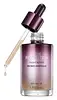
This barrier-repair ampoule is formulated around Bifida Ferment Lysate and Niacinamide to strengthen the skin barrier and soften the look of wrinkles.
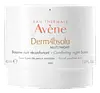
This anti-aging night moisturizer is formulated around Butyrospermum Parkii Butter and Bakuchiol to soften the look of wrinkles and hydrate skin.


What's inside
What's inside
 Key Ingredients
Benefits
Concerns
Ingredients Side-by-side
Water
Skin ConditioningBifida Ferment Lysate
Skin Conditioning



Glycereth-26
Humectant
Sorbus Commixta Extract
Skin ConditioningJuniperus Chinensis Xylem Extract
Skin ConditioningBis-PEG-18 Methyl Ether Dimethyl Silane
EmollientButylene Glycol
Humectant
Glycerin
Humectant
Niacinamide
Smoothing







Leuconostoc Ferment Filtrate
AntimicrobialBetaine
Humectant
Grifola Frondosa/Ophioglossum Vulgatum Extract Ferment Filtrate
Skin ConditioningLactobacillus/Rice Ferment Filtrate
Skin ConditioningPortulaca Oleracea Extract
Skin Conditioning
Sodium Hyaluronate
Humectant
Anthemis Nobilis Flower Extract
Masking
Hydrolyzed Rice Extract
Skin Conditioning
Sea Water
HumectantCarthamus Tinctorius Oleosomes
Emollient

Hydrolyzed Extensin
Skin ConditioningAdenosine
Skin Conditioning
Daucus Carota Sativa Root Extract
Skin Conditioning
Vaccinium Angustifolium Fruit Extract
Skin Protecting
Beta Vulgaris Root Extract
Skin ConditioningAronia Arbutifolia Extract
Skin ConditioningBrassica Oleracea Capitata Leaf Extract
Skin ConditioningEchium Plantagineum Seed Oil
Skin Conditioning
Ascorbyl Tetraisopalmitate
Antioxidant

Lactobacillus Ferment
Skin Conditioning
Lactococcus Ferment Lysate
Skin Conditioning
Manilkara Multinervis Leaf Extract
Skin ConditioningTheobroma Cacao Seed Extract
Antioxidant
Cassia Alata Leaf Extract
AstringentLaminaria Digitata Extract
Skin Protecting

Saccharomyces Ferment Filtrate
Humectant
Lactobacillus/Soybean Ferment Extract
Skin ConditioningSaccharomyces/Viscum Album Ferment Extract
Skin Conditioning
Yeast Ferment Extract
Skin ConditioningPogostemon Cablin Leaf Oil
Masking

Pseudoalteromonas Ferment Extract
Humectant
Cardiospermum Halicacabum Flower/Leaf/Vine Extract
Skin ConditioningHelianthus Annuus Seed Oil Unsaponifiables
Emollient
Alpha-Glucan Oligosaccharide
Cleansing
Limnanthes Alba Seed Oil
Skin Conditioning
Hydrolyzed Wheat Protein
Skin ConditioningBeta-Sitosterol
Emulsion Stabilising
Panthenol
Skin Conditioning
Hydrolyzed Soy Protein
Humectant
Ubiquinone
Antioxidant
Macadamia Ternifolia Seed Oil
Emollient
Retinol
Skin Conditioning
Cucumis Melo Fruit Extract
Skin ConditioningBiotin
AntiseborrhoeicBrassica Campestris Sterols
EmollientSodium Ascorbyl Phosphate
Antioxidant
Amaranthus Caudatus Seed Extract
Skin Conditioning
Tripeptide-10 Citrulline
Skin Conditioning
Acetyl Hexapeptide-8
Humectant
Copper Tripeptide-1
Skin Conditioning
Tripeptide-1
Skin Conditioning
Acacia Arabica Stem Bark Extract
Skin ConditioningCholesterol
Emollient
Glyceryl Linolenate
Emollient
Glyceryl Linoleate
Emollient
Glyceryl Arachidonate
Emollient
Cyclopentasiloxane
Emollient
Ethyl Hexanediol
SolventDimethicone
Emollient
PEG-11 Methyl Ether Dimethicone
Emulsifying
PEG-40 Hydrogenated Castor Oil
Emulsifying
PPG-26-Buteth-26
Skin ConditioningPolysorbate 20
Emulsifying
Carbomer
Emulsion StabilisingGlyceryl Caprylate
EmollientTriethanolamine
BufferingDimethicone/Vinyl Dimethicone Crosspolymer
Skin Conditioning
Octyldodecanol
Emollient
Xanthan Gum
EmulsifyingDipropylene Glycol
HumectantCyclomethicone
Emollient
Hydrogenated Lecithin
Emulsifying
Disodium EDTA
ChelatingDextrin
AbsorbentLauryl Methacrylate/Glycol Dimethacrylate Crosspolymer
Glyceryl Polyacrylate
Dimethiconol
Emollient
Propylene Glycol
Humectant
Ceteth-24
CleansingCholeth-24
EmulsifyingHydroxypropyltrimonium Maltodextrin Crosspolymer
SurfactantCetyl Phosphate
EmulsifyingCaprylic/Capric Triglyceride
Masking
Lecithin
Emollient
PEG-5 Rapeseed Sterol
Cleansing
BHT
Antioxidant
Ceteth-3
EmulsifyingCeteth-5
EmulsifyingSilica
Abrasive
Tocopheryl Acetate
Antioxidant
Phenoxyethanol
Preservative
Water, Bifida Ferment Lysate, Glycereth-26, Sorbus Commixta Extract, Juniperus Chinensis Xylem Extract, Bis-PEG-18 Methyl Ether Dimethyl Silane, Butylene Glycol, Glycerin, Niacinamide, Leuconostoc Ferment Filtrate, Betaine, Grifola Frondosa/Ophioglossum Vulgatum Extract Ferment Filtrate, Lactobacillus/Rice Ferment Filtrate, Portulaca Oleracea Extract, Sodium Hyaluronate, Anthemis Nobilis Flower Extract, Hydrolyzed Rice Extract, Sea Water, Carthamus Tinctorius Oleosomes, Hydrolyzed Extensin, Adenosine, Daucus Carota Sativa Root Extract, Vaccinium Angustifolium Fruit Extract, Beta Vulgaris Root Extract, Aronia Arbutifolia Extract, Brassica Oleracea Capitata Leaf Extract, Echium Plantagineum Seed Oil, Ascorbyl Tetraisopalmitate, Lactobacillus Ferment, Lactococcus Ferment Lysate, Manilkara Multinervis Leaf Extract, Theobroma Cacao Seed Extract, Cassia Alata Leaf Extract, Laminaria Digitata Extract, Saccharomyces Ferment Filtrate, Lactobacillus/Soybean Ferment Extract, Saccharomyces/Viscum Album Ferment Extract, Yeast Ferment Extract, Pogostemon Cablin Leaf Oil, Pseudoalteromonas Ferment Extract, Cardiospermum Halicacabum Flower/Leaf/Vine Extract, Helianthus Annuus Seed Oil Unsaponifiables, Alpha-Glucan Oligosaccharide, Limnanthes Alba Seed Oil, Hydrolyzed Wheat Protein, Beta-Sitosterol, Panthenol, Hydrolyzed Soy Protein, Ubiquinone, Macadamia Ternifolia Seed Oil, Retinol, Cucumis Melo Fruit Extract, Biotin, Brassica Campestris Sterols, Sodium Ascorbyl Phosphate, Amaranthus Caudatus Seed Extract, Tripeptide-10 Citrulline, Acetyl Hexapeptide-8, Copper Tripeptide-1, Tripeptide-1, Acacia Arabica Stem Bark Extract, Cholesterol, Glyceryl Linolenate, Glyceryl Linoleate, Glyceryl Arachidonate, Cyclopentasiloxane, Ethyl Hexanediol, Dimethicone, PEG-11 Methyl Ether Dimethicone, PEG-40 Hydrogenated Castor Oil, PPG-26-Buteth-26, Polysorbate 20, Carbomer, Glyceryl Caprylate, Triethanolamine, Dimethicone/Vinyl Dimethicone Crosspolymer, Octyldodecanol, Xanthan Gum, Dipropylene Glycol, Cyclomethicone, Hydrogenated Lecithin, Disodium EDTA, Dextrin, Lauryl Methacrylate/Glycol Dimethacrylate Crosspolymer, Glyceryl Polyacrylate, Dimethiconol, Propylene Glycol, Ceteth-24, Choleth-24, Hydroxypropyltrimonium Maltodextrin Crosspolymer, Cetyl Phosphate, Caprylic/Capric Triglyceride, Lecithin, PEG-5 Rapeseed Sterol, BHT, Ceteth-3, Ceteth-5, Silica, Tocopheryl Acetate, Phenoxyethanol
Water
Skin ConditioningCaprylic/Capric Triglyceride
Masking
Coco-Caprylate/Caprate
Emollient
Glycerin
Humectant
Butyrospermum Parkii Butter
Skin Conditioning
Methyl Gluceth-20
Humectant
Dimethicone
Emollient
Behenyl Alcohol
Emollient
Octyldodecanol
Emollient
Cetearyl Alcohol
Emollient
Glyceryl Stearate
Emollient
PEG-100 Stearate
Surfactant
Glyceryl Linoleate
Emollient
Aluminum Starch Octenylsuccinate
Absorbent
Ammonium Acryloyldimethyltaurate/Vp Copolymer
Bakuchiol
Antimicrobial
Simmondsia Chinensis Seed Oil
Emollient
Benzoic Acid
Masking
Caprylyl Glycol
Emollient
Cetearyl Glucoside
Emulsifying
Dimethicone Crosspolymer
Emulsion Stabilising
Disodium EDTA
ChelatingParfum
Masking
Glyceryl Linolenate
Emollient
Glyceryl Oleate
Emollient
Glyceryl Palmitate
EmollientGlycine Soja Oil
Emollient
Helianthus Annuus Seed Oil
Emollient
Hydrogenated Starch Hydrolysate
HumectantPropylene Glycol
Humectant
Sodium Hydroxide
BufferingTocopherol
Antioxidant
Tocopheryl Glucoside
EmollientVanilla Tahitensis Fruit Extract
Skin ConditioningWater, Caprylic/Capric Triglyceride, Coco-Caprylate/Caprate, Glycerin, Butyrospermum Parkii Butter, Methyl Gluceth-20, Dimethicone, Behenyl Alcohol, Octyldodecanol, Cetearyl Alcohol, Glyceryl Stearate, PEG-100 Stearate, Glyceryl Linoleate, Aluminum Starch Octenylsuccinate, Ammonium Acryloyldimethyltaurate/Vp Copolymer, Bakuchiol, Simmondsia Chinensis Seed Oil, Benzoic Acid, Caprylyl Glycol, Cetearyl Glucoside, Dimethicone Crosspolymer, Disodium EDTA, Parfum, Glyceryl Linolenate, Glyceryl Oleate, Glyceryl Palmitate, Glycine Soja Oil, Helianthus Annuus Seed Oil, Hydrogenated Starch Hydrolysate, Propylene Glycol, Sodium Hydroxide, Tocopherol, Tocopheryl Glucoside, Vanilla Tahitensis Fruit Extract
Reviews
Ingredients Explained
These ingredients are found in both products.
Ingredients higher up in an ingredient list are typically present in a larger amount.
Caprylic/Capric Triglyceride (aka MCT Oil) is a lightweight emollient, solvent, and texture enhancer. It is considered a skin-softener by helping to prevent moisture loss.
Though it behaves like an oil, it is not technically one due to its chemical composition. One perk of this ingredient is that it is very stable, resistant to oxidation, and unlikely to go rancid.
In practice, that translates to a long shelf life and a consistently elegant skin feel.
While there is an assumption Caprylic Triglyceride can clog pores due to it being derived from coconut oil, there is no research supporting this. Just patch test if you have concerns.
Fractionated coconut oil and MCT Oil are both listed as Caprylic/Capric Triglyceride according to INCI. This is because INCI names are based on the ingredient’s final chemical composition and not its marketing name or source.
This ingredient is treated as the gold standard fungal acne safe oil. Even though it is coconut derived, the problematic lauric acid is stripped out.
This leaves just caprylic (C8) and capric (C10) acid. These chain lengths actually trend antifungal; a 2020 study found caprylic acid was enough to disrupt Malassezia furfur cell membrane, with a caprylic acid derivative damaging membrane structures at concentrations as low as 0.2%.
Learn more about Caprylic/Capric TriglycerideDimethicone is a type of synthetic silicone created from natural materials such as quartz. It is also known as polydimethylsiloxane.
What it does:
Dimethicone comes in different viscosities:
Depending on the viscosity, dimethicone has different properties.
Ingredients lists don't always show which type is used, so we recommend reaching out to the brand if you have questions about the viscosity.
This ingredient is unlikely to cause irritation because it does not get absorbed into skin. However, people with silicone allergies should be careful about using this ingredient.
Note: Dimethicone may contribute to pilling. This is because it is not oil or water soluble, so pilling may occur when layered with products. When mixed with heavy oils in a formula, the outcome is also quite greasy.
Learn more about DimethiconeDisodium EDTA is a chelating agent. It grabs onto and deactivates metal ions that sneak into your products from water, packaging, or air.
This ingredient mainly works behind the scenes and helps with:
On top of that, this ingredient can counteract the effects of hard water by binding to the minerals in it.
One thing worth knowing is that Disodium EDTA has been shown to be a mild penetration enhancer. It can help other ingredients absorb into skin more effectively which can be a double-edged sword (great for actives, but can also make the active too strong if you have sensitive skin).
Clinical patch testing showed no significant skin irritation at typical use concentrations and minimal dermal absorption.
You'll most likely see this ingredient near the end of an ingredient list. It's typically found in concentrations less than 1%.
Learn more about Disodium EDTAGlycerin (or glycerol) is a compound naturally found in your skin. It's a powerhouse humectant that pulls water into the stratum corneum.
Topically, glycerin does several things at once:
Your skin makes glycerin on its own (mostly from sebaceous oil breakdown) and shuttles it to your outermost layer of skin, or your epidermis, via aquaporin-3.
Aquaporin-3 is a transporter that is essential for normal skin hydration, elasticity, and repair. Interestingly, mice lacking in AQP3 have dry and less elastic skin that can be fully corrected with glycerin.
This ingredient is non-irritating, plays well with almost every ingredient, and works across all skin types. Typical use is anywhere between 3-10% but can go up to 79% in some leave-on products.
Just know very high concentrations (>40%) can feel tacky in low humidity.
Glycerin is the name for this ingredient in American English. British English uses Glycerol/Glycerine.
Learn more about GlycerinGlyceryl Linoleate isn't fungal acne safe.
Glyceryl Linolenate isn't fungal acne safe.
Octyldodecanol is a fatty alcohol sourced from plant oils like coconut or palm (or made synthetically).
It is:
You'll likely see this in many BHA products because this is the go-to solvent for salicylic acid.
This ingredient is typically used at levels between 2-20%.
Regarding fungal acne:
In 2019, this ingredient was tested against multiple Malassezia species (the yeast that causes fungal acne) and showed no growth.
Propylene Glycol is a synthetic, colorless, odorless liquid that has been a staple in cosmetics for decades. It is a skin conditioning agent, humectant, and solvent.
As a humectant, it draw water to the skin to reduce flaking and restore suppleness. It's also a solvent that helps dissolve other actives and keeps formulas stable across temperature changes.
The CIR Expert Panel has confirmed this ingredient to be nontoxic and clinical studies show no sensitization at cosmetic use concentrations.
True allergic reactions are quite rare: a 15-year retrospective study of 6,751 patients found only 0.31% had a positive reaction (and less than half were considered clinically relevant).
It seemed that when sensitization does occur, it's most commonly linked to topical medication (like corticosteroids) and not cosmetics. Allergic contact dermatitis also appears largely limited to individuals with underlying skin conditions.
Overall, propylene glycol is a well-studied ingredient that most people can tolerate without issue.
Learn more about Propylene GlycolWater. It's the most common cosmetic ingredient of all. You'll usually see it at the top of ingredient lists, meaning that it makes up the largest part of the product.
So why is it so popular? Water most often acts as a solvent - this means that it helps dissolve other ingredients into the formulation.
You'll also recognize water as that liquid we all need to stay alive. If you see this, drink a glass of water. Remember to stay hydrated!
Learn more about Water

