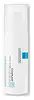
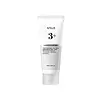
La Roche-Posay Cicaplast B5 Ultra Repair Light Cream Versus Anua 3 Ceramide Panthenol Moisture Barrier Cream


What's inside
What's inside
 Key Ingredients
Benefits
Concerns
No concerns
Ingredients Side-by-side
Water
Skin ConditioningDicaprylyl Ether
Emollient
Panthenol
Skin Conditioning



Glycerin
Humectant
Pentylene Glycol
Skin Conditioning
Polyglyceryl-6 Distearate
Emulsifying
Propanediol
Solvent
Cetyl Esters
Emollient
Jojoba Esters
Emollient
Behenyl Alcohol
Emollient
Acacia Decurrens Flower Cera
Emollient
Helianthus Annuus Seed Cera
Emollient
Centella Asiatica Leaf Extract
Skin Conditioning
Polymnia Sonchifolia Root Juice
Skin ConditioningSorbitan Oleate
Emulsifying
Zinc Gluconate
Skin Conditioning



Madecassoside
Antioxidant

Cetearyl Isononanoate
Emollient
Manganese Gluconate
Skin ConditioningIsohexadecane
EmollientAlpha-Glucan Oligosaccharide
Cleansing
Sodium Hyaluronate
Humectant
Sodium Stearoyl Glutamate
CleansingAdenosine
Skin Conditioning
Mannose
HumectantCopper Gluconate
Skin Conditioning
Hydroxyacetophenone
Antioxidant
Hydroxypropyl Starch Phosphate
Capryloyl Salicylic Acid
Exfoliating

Vitreoscilla Ferment
Skin Conditioning
Citric Acid
Buffering


Trisodium Ethylenediamine Disuccinate
Lactobacillus
Skin ConditioningMaltodextrin
Absorbent
Polyglycerin-3
Humectant
Beeswax
Emulsion Stabilising
Polysorbate 80
Emulsifying
Acrylamide/Sodium Acryloyldimethyltaurate Copolymer
Emulsion StabilisingCetyl Alcohol
Emollient
Tocopherol
Antioxidant
Water, Dicaprylyl Ether, Panthenol, Glycerin, Pentylene Glycol, Polyglyceryl-6 Distearate, Propanediol, Cetyl Esters, Jojoba Esters, Behenyl Alcohol, Acacia Decurrens Flower Cera, Helianthus Annuus Seed Cera, Centella Asiatica Leaf Extract, Polymnia Sonchifolia Root Juice, Sorbitan Oleate, Zinc Gluconate, Madecassoside, Cetearyl Isononanoate, Manganese Gluconate, Isohexadecane, Alpha-Glucan Oligosaccharide, Sodium Hyaluronate, Sodium Stearoyl Glutamate, Adenosine, Mannose, Copper Gluconate, Hydroxyacetophenone, Hydroxypropyl Starch Phosphate, Capryloyl Salicylic Acid, Vitreoscilla Ferment, Citric Acid, Trisodium Ethylenediamine Disuccinate, Lactobacillus, Maltodextrin, Polyglycerin-3, Beeswax, Polysorbate 80, Acrylamide/Sodium Acryloyldimethyltaurate Copolymer, Cetyl Alcohol, Tocopherol
Water
Skin ConditioningPanthenol
Skin Conditioning
Butylene Glycol
Humectant
Propanediol
Solvent
Caprylic/Capric Triglyceride
Masking
Glycerin
Humectant
Cetyl Ethylhexanoate
EmollientBehenyl Alcohol
Emollient
Octyldodecanol
Emollient
Phenyl Trimethicone
Skin Conditioning
Vinyldimethicone
1,2-Hexanediol
Skin Conditioning
Bis-Diglyceryl Polyacyladipate-2
Emollient
Pentylene Glycol
Skin Conditioning
Caprylyl Methicone
Skin Conditioning
Centella Asiatica Extract
Cleansing
Polyglyceryl-3 Methylglucose Distearate
Emulsifying
Betaine
Humectant
C14-22 Alcohols
Emulsion Stabilising
Ceramide NP
Skin Conditioning
Phytosterols
Skin Conditioning
Hydroxyethyl Acrylate/Sodium Acryloyldimethyl Taurate Copolymer
Emulsion StabilisingHydrogenated Rice Bran Oil
Skin Conditioning
C12-20 Alkyl Glucoside
EmulsifyingAmmonium Acryloyldimethyltaurate/Vp Copolymer
Glyceryl Stearate
Emollient
Dimethiconol
Emollient
Glyceryl Caprylate
EmollientSodium Stearoyl Glutamate
CleansingHydrogenated Lecithin
Emulsifying
Glyceryl Glucoside
Humectant
Acrylates/C10-30 Alkyl Acrylate Crosspolymer
Emulsion StabilisingTromethamine
BufferingSodium Phytate
Polyglyceryl-10 Stearate
Skin Conditioning
Ethylhexylglycerin
Skin ConditioningSodium Hyaluronate
Humectant
Ethylhexyl Olivate
Skin Conditioning
Dipropylene Glycol
HumectantSodium Acrylates Copolymer
Polyglyceryl-4 Oleate
Emulsifying
Linolenic Acid
Cleansing
Polyglyceryl-10 Laurate
Skin Conditioning
Sphingolipids
Emollient
Phosphatidylcholine
Emulsifying4-Terpineol
Masking
Allantoin
Skin Conditioning
Ectoin
Skin Conditioning
Hyaluronic Acid
Humectant
Squalane
Emollient
Lecithin
Emollient
Asiaticoside
Antioxidant
Escin
TonicMadecassic Acid
Skin Conditioning
Asiatic Acid
Skin Conditioning
Beta-Sitosterol
Emulsion Stabilising
Tremella Fuciformis Extract
Humectant
Ceramide AP
Skin Conditioning
Ceramide EOP
Skin Conditioning
Glycine
Buffering
Glutamic Acid
Humectant
Serine
Masking
Alanine
Masking
Lysine
Skin ConditioningArginine
Masking
Proline
Skin Conditioning
Threonine
Water, Panthenol, Butylene Glycol, Propanediol, Caprylic/Capric Triglyceride, Glycerin, Cetyl Ethylhexanoate, Behenyl Alcohol, Octyldodecanol, Phenyl Trimethicone, Vinyldimethicone, 1,2-Hexanediol, Bis-Diglyceryl Polyacyladipate-2, Pentylene Glycol, Caprylyl Methicone, Centella Asiatica Extract, Polyglyceryl-3 Methylglucose Distearate, Betaine, C14-22 Alcohols, Ceramide NP, Phytosterols, Hydroxyethyl Acrylate/Sodium Acryloyldimethyl Taurate Copolymer, Hydrogenated Rice Bran Oil, C12-20 Alkyl Glucoside, Ammonium Acryloyldimethyltaurate/Vp Copolymer, Glyceryl Stearate, Dimethiconol, Glyceryl Caprylate, Sodium Stearoyl Glutamate, Hydrogenated Lecithin, Glyceryl Glucoside, Acrylates/C10-30 Alkyl Acrylate Crosspolymer, Tromethamine, Sodium Phytate, Polyglyceryl-10 Stearate, Ethylhexylglycerin, Sodium Hyaluronate, Ethylhexyl Olivate, Dipropylene Glycol, Sodium Acrylates Copolymer, Polyglyceryl-4 Oleate, Linolenic Acid, Polyglyceryl-10 Laurate, Sphingolipids, Phosphatidylcholine, 4-Terpineol, Allantoin, Ectoin, Hyaluronic Acid, Squalane, Lecithin, Asiaticoside, Escin, Madecassic Acid, Asiatic Acid, Beta-Sitosterol, Tremella Fuciformis Extract, Ceramide AP, Ceramide EOP, Glycine, Glutamic Acid, Serine, Alanine, Lysine, Arginine, Proline, Threonine
Reviews
Ingredients Explained
These ingredients are found in both products.
Ingredients higher up in an ingredient list are typically present in a larger amount.
Behenyl Alcohol is a type of fatty alcohol (these are different from the drying, solvent alcohols).
Fatty Alcohols have hydrating properties and are most often used as an emollient or to thicken a product. They are usually derived from natural fats and oils; behenyl alcohol is derived from the fats of vegetable oils.
Emollients help keep your skin soft and hydrated by creating a film that traps moisture in.
In 2000, Behenyl Alcohol was approved by the US as medicine to reduce the duration of cold sores.
Learn more about Behenyl AlcoholGlycerin (or glycerol) is a compound naturally found in your skin. It's a powerhouse humectant that pulls water into the stratum corneum.
Topically, glycerin does several things at once:
Your skin makes glycerin on its own (mostly from sebaceous oil breakdown) and shuttles it to your outermost layer of skin, or your epidermis, via aquaporin-3.
Aquaporin-3 is a transporter that is essential for normal skin hydration, elasticity, and repair. Interestingly, mice lacking in AQP3 have dry and less elastic skin that can be fully corrected with glycerin.
This ingredient is non-irritating, plays well with almost every ingredient, and works across all skin types. Typical use is anywhere between 3-10% but can go up to 79% in some leave-on products.
Just know very high concentrations (>40%) can feel tacky in low humidity.
Glycerin is the name for this ingredient in American English. British English uses Glycerol/Glycerine.
Learn more about GlycerinPanthenol is a common ingredient that helps hydrate and soothe the skin. It is found naturally in our skin and hair.
There are two forms of panthenol: D and L.
D-panthenol is also known as dexpanthenol. Most cosmetics use dexpanthenol or a mixture of D and L-panthenol.
Panthenol is famous due to its ability to go deeper into the skin's layers. Using this ingredient has numerous pros (and no cons):
Like hyaluronic acid, panthenol is a humectant. Humectants are able to bind and hold large amounts of water to keep skin hydrated.
This ingredient works well for wound healing. It works by increasing tissue in the wound and helps close open wounds.
Once oxidized, panthenol converts to pantothenic acid. Panthothenic acid is found in all living cells.
This ingredient is also referred to as pro-vitamin B5.
Learn more about PanthenolPentylene Glycol (1,2-pentanediol) is a multitasking little diol with three main roles in a formula:
Research on alkanediols (the family pentylene glycol belongs to) show they work by disrupting microbial cell membranes. This disruption helps the primary preservative system in a product work more effectively at lower doses.
On the safety side, the Cosmetic Ingredient Review Expert Panel has concluded this ingredient to be safe as used in current cosmetic practices + concentrations.
Typical use levels in a formula run about 1-5%.
Learn more about Pentylene GlycolPropanediol is an all-star ingredient. It softens, hydrates, and smooths the skin.
It’s often used to:
Propanediol is not likely to cause sensitivity and considered safe to use. It is derived from corn or petroleum with a clear color and no scent.
Learn more about PropanediolSodium Hyaluronate is the salt form of hyaluronic acid. It is a long sugar chain that is naturally found in your skin, joints, and connective tissue that maintains hydration and elasticity.
In skincare, it works as a humectant. It pulls water from the environment and deeper layers of skin and binds it to the surface.
Interestingly, the size of the molecule affects its behavior:
Some clinical evidence links low molecular weight versions to improved wrinkle depth, elasticity, anti-inflammatory effects, and barrier repair.
Many serums use a blend of both weights so you can get surface hydration plus longer-lasting and deeper effects.
You'll typically see concentrations between 0.1-2% for this ingredient.
Learn more about Sodium HyaluronateSodium Stearoyl Glutamate is an amino-acid based emulsifier. It is made by combining stearic acid with L-glutamic acid and neutralizing it to a sodium salt.
As an emulsifier, it works mainly as an oil-in-water one and helps keep the oil and water in your formulas blended. It also contributes to a smooth, non-greasy skin feel.
This ingredient is biodegradable and commonly available in natural/COSMOS-certified grades.
Learn more about Sodium Stearoyl GlutamateWater. It's the most common cosmetic ingredient of all. You'll usually see it at the top of ingredient lists, meaning that it makes up the largest part of the product.
So why is it so popular? Water most often acts as a solvent - this means that it helps dissolve other ingredients into the formulation.
You'll also recognize water as that liquid we all need to stay alive. If you see this, drink a glass of water. Remember to stay hydrated!
Learn more about Water

