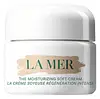
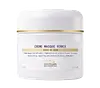
La Mer The Moisturizing Soft Cream Versus Biologique Recherche Crème Masque Vernix Revitalizing, Regenerating and Protective Cream/Mask for the Face
This barrier-repair moisturizer is formulated around Petrolatum and Cholesterol to strengthen the skin barrier and hydrate skin.
This barrier-repair moisturizer is formulated around Lecithin and Ceramide NP to strengthen the skin barrier and hydrate skin.


What's inside
What's inside
 Key Ingredients
Benefits
Concerns
Ingredients Side-by-side
Algae Extract
Emollient

Cyclopentasiloxane
Emollient
Petrolatum
Emollient



Glyceryl Distearate
Emollient

Phenyl Trimethicone
Skin Conditioning
Cyclohexasiloxane
Emollient
Butylene Glycol
Humectant
Cholesterol
Emollient
Butyrospermum Parkii Butter
Skin Conditioning
Steareth-10
Emulsifying
Dimethicone
Emollient
Glyceryl Stearate Se
Emulsifying
Polysilicone-11

Glyceryl Triacetyl Ricinoleate
Emollient
Macadamia Integrifolia Seed Oil
Skin Conditioning
Glycerin
Humectant
Sesamum Indicum Seed Oil
Emollient
Medicago Sativa Seed Powder
Skin ConditioningHelianthus Annuus Seedcake
Abrasive
Prunus Amygdalus Dulcis Seed Meal
Abrasive
Eucalyptus Globulus Leaf Oil
Perfuming


Sodium Gluconate
ChelatingCopper Gluconate
Skin Conditioning
Calcium Gluconate
HumectantMagnesium Gluconate
Skin ConditioningZinc Gluconate
Skin Conditioning


Tocopheryl Succinate
Antioxidant
Niacin
SmoothingSesamum Indicum Seed Powder
Skin ConditioningWater
Skin ConditioningCitrus Aurantifolia Peel Extract
Cleansing
Laminaria Digitata Extract
Skin Protecting
Crithmum Maritimum Extract
Skin ConditioningSalicornia Herbacea Extract
Skin ConditioningPlankton Extract
Skin ConditioningChlorella Vulgaris Extract
Skin ConditioningRosmarinus Officinalis Leaf Extract
AntimicrobialSodium Hyaluronate
Humectant


Tocopheryl Acetate
Antioxidant

Acetyl Hexapeptide-8
Humectant
Caffeine
Skin Conditioning
Tetrahexyldecyl Ascorbate
Antioxidant

Palmitoyl Hexapeptide-12
Skin Conditioning
Caprylic/Capric Triglyceride
Masking
Triethylhexanoin
MaskingSodium PCA
Humectant
Cetyl Alcohol
Emollient
Diethylhexyl Succinate
EmollientIsocetyl Stearoyl Stearate
Emollient
Cyanocobalamin
Skin ConditioningC13-14 Isoparaffin
Emollient
Distearyldimonium Chloride
Dipalmitoyl Hydroxyproline
Skin Conditioning
Sucrose
Humectant
Hydrogenated Vegetable Oil
Emollient
Trehalose
Humectant
Hydrolyzed Algin
Micrococcus Lysate
Skin ConditioningMaris Sal
Skin ConditioningTetradecyl Aminobutyroylvalylaminobutyric Urea Trifluoroacetate
Skin ConditioningLactoperoxidase
StabilisingGlucose Oxidase
StabilisingUrea
Buffering
Glucose
Humectant
Polyacrylamide
Glyceryl Polymethacrylate
PEG-8
HumectantLaureth-7
EmulsifyingLecithin
Emollient
Triacetin
AntimicrobialSodium Chloride
MaskingPolyquaternium-51
Skin Conditioning
Potassium Phosphate
BufferingAlcohol Denat.
Antimicrobial

Parfum
Masking
Limonene
Perfuming
Linalool
Perfuming
Hydroxycitronellal
Perfuming
Citronellol
Perfuming
Geraniol
Perfuming
BHT
Antioxidant
Disodium EDTA
ChelatingSorbic Acid
Preservative
Chlorphenesin
Antimicrobial
Potassium Sorbate
Preservative
Phenoxyethanol
Preservative
Algae Extract, Cyclopentasiloxane, Petrolatum, Glyceryl Distearate, Phenyl Trimethicone, Cyclohexasiloxane, Butylene Glycol, Cholesterol, Butyrospermum Parkii Butter, Steareth-10, Dimethicone, Glyceryl Stearate Se, Polysilicone-11, Glyceryl Triacetyl Ricinoleate, Macadamia Integrifolia Seed Oil, Glycerin, Sesamum Indicum Seed Oil, Medicago Sativa Seed Powder, Helianthus Annuus Seedcake, Prunus Amygdalus Dulcis Seed Meal, Eucalyptus Globulus Leaf Oil, Sodium Gluconate, Copper Gluconate, Calcium Gluconate, Magnesium Gluconate, Zinc Gluconate, Tocopheryl Succinate, Niacin, Sesamum Indicum Seed Powder, Water, Citrus Aurantifolia Peel Extract, Laminaria Digitata Extract, Crithmum Maritimum Extract, Salicornia Herbacea Extract, Plankton Extract, Chlorella Vulgaris Extract, Rosmarinus Officinalis Leaf Extract, Sodium Hyaluronate, Tocopheryl Acetate, Acetyl Hexapeptide-8, Caffeine, Tetrahexyldecyl Ascorbate, Palmitoyl Hexapeptide-12, Caprylic/Capric Triglyceride, Triethylhexanoin, Sodium PCA, Cetyl Alcohol, Diethylhexyl Succinate, Isocetyl Stearoyl Stearate, Cyanocobalamin, C13-14 Isoparaffin, Distearyldimonium Chloride, Dipalmitoyl Hydroxyproline, Sucrose, Hydrogenated Vegetable Oil, Trehalose, Hydrolyzed Algin, Micrococcus Lysate, Maris Sal, Tetradecyl Aminobutyroylvalylaminobutyric Urea Trifluoroacetate, Lactoperoxidase, Glucose Oxidase, Urea, Glucose, Polyacrylamide, Glyceryl Polymethacrylate, PEG-8, Laureth-7, Lecithin, Triacetin, Sodium Chloride, Polyquaternium-51, Potassium Phosphate, Alcohol Denat., Parfum, Limonene, Linalool, Hydroxycitronellal, Citronellol, Geraniol, BHT, Disodium EDTA, Sorbic Acid, Chlorphenesin, Potassium Sorbate, Phenoxyethanol
Water
Skin ConditioningAmniotic Fluid
MoisturisingLecithin
Emollient
Lanolin Oil
Emollient
Propylene Glycol
Humectant
Pentylene Glycol
Skin Conditioning
Sodium Acrylates Copolymer
Glycerin
Humectant
Alcohol Denat.
Antimicrobial
Ethylhexyl Palmitate
Emollient
Squalane
Emollient
Raspberry Seed Oil/Palm Oil Aminopropanediol Esters
Skin Conditioning
Hydrolyzed Placental Protein
Skin ConditioningHydrolyzed Gelatin
Skin ConditioningYeast Extract
Skin ConditioningHydrolyzed Ceratonia Siliqua Seed Extract
Skin ConditioningPhenoxyethanol
Preservative
Sodium Lauroyl Lactylate
EmulsifyingSodium Dehydroacetate
Preservative
Luffa Cylindrica Seed Oil
Skin Conditioning
Tocopherol
Antioxidant
Dimethylmethoxy Chromanol
Antioxidant
Embryo Extract
MoisturisingHelianthus Annuus Seed Oil
Emollient
Ethylhexylglycerin
Skin ConditioningCeramide NP
Skin Conditioning
Cholesterol
Emollient
Potassium Sulfate
Ceramide AP
Skin Conditioning
Phytosphingosine
Skin Conditioning
Papain
Skin Conditioning
Xanthan Gum
EmulsifyingCarbomer
Emulsion StabilisingCaprylyl Glycol
Emollient
Diaminopropionoyl Tripeptide-33
Skin Conditioning
Ceramide EOP
Skin Conditioning
Water, Amniotic Fluid, Lecithin, Lanolin Oil, Propylene Glycol, Pentylene Glycol, Sodium Acrylates Copolymer, Glycerin, Alcohol Denat., Ethylhexyl Palmitate, Squalane, Raspberry Seed Oil/Palm Oil Aminopropanediol Esters, Hydrolyzed Placental Protein, Hydrolyzed Gelatin, Yeast Extract, Hydrolyzed Ceratonia Siliqua Seed Extract, Phenoxyethanol, Sodium Lauroyl Lactylate, Sodium Dehydroacetate, Luffa Cylindrica Seed Oil, Tocopherol, Dimethylmethoxy Chromanol, Embryo Extract, Helianthus Annuus Seed Oil, Ethylhexylglycerin, Ceramide NP, Cholesterol, Potassium Sulfate, Ceramide AP, Phytosphingosine, Papain, Xanthan Gum, Carbomer, Caprylyl Glycol, Diaminopropionoyl Tripeptide-33, Ceramide EOP
Reviews
Ingredients Explained
These ingredients are found in both products.
Ingredients higher up in an ingredient list are typically present in a larger amount.
Alcohol Denat. is an alcohol with a denaturant property. It is created by mixing ethanol with other additives.
The "denat" part just means "denatured"; common denaturants include Denatonium Benzoate, t-butyl alcohol, and Diethyl Phthalate. This step makes the alcohol undrinkable (and lets brand skip taxes related to beverage alcohol).
This ingredient gets a bad rep because it is irritating and drying due to its astringent property. Astringents draw out natural oils in tissue to constrict pores and dry out your skin.
However, alcohol denat. is not all that bad.
Due to its low molecular weight, alcohol denat. tends to evaporate quickly. One study on pig skin found half of applied alcohol evaporated in 10 seconds and less than 3% stayed on skin.
This also helps other ingredients become better absorbed upon application.
Studies are conflicted about whether this ingredient causes skin dehydration. One study from 2005 found adding emollients to propanol-based sanitizer decreased skin dryness and irritation. Another study found irritation only occurs if your skin is already damaged.
Small amounts of alcohol are generally tolerated by oily skin or people who live in humid environments.
The rule of thumb is this ingredient will probably not affect your skin much if it is near the end of an ingredients list.
One thing to note:
People with ALDH2 (aldehyde dehydrogenase 2) deficiency may experience skin irritation from continued alcohol use. About 8% of the world's population have this deficiency.
The Cosmetic Ingredient Review Expert Panel has determined denatured alcohols to be safe for use in concentrations between 0.05% and 12% (depending on which denaturant is used).
Also...
This ingredient has antimicrobial and solvent properties.
The antimicrobial property helps preserve products and increase their shelf life. As a solvent, it helps dissolve other ingredients.
Look for formulas that contain glycerin, hyaluronic acid, or panthenol if you want to offset any drying effect.
This ingredient will trip away your skin's natural oils/lipids that help it lock in moisture. This can worsen dryness, trigger eczema flare-ups, and aggravate rosacea.
Be sure to patch test any product with this ingredient if you have dry or sensitive skin, eczema, or rosacea.
Learn more about Alcohol Denat.Cholesterol is a lipid that is naturally found in human skin and is one of the three key components of your skin barrier. In skincare, it is an emollient and barrier-repairing ingredient.
It works by fitting directly into the lipid layers of skin to help restore structure and reduce transepidermal water loss (TEWL).
This is a great ingredient for dry, compromised, or aging skin; our skin starts to produce less cholesterol with age.
Research shows cholesterol works best in combination with ceramides and fatty acids, the other two major components in your skin barrier.
Cholesterol is also a well-establish penetration enhancer and can help other actives absorb more effectively.
Cosmetic-grade cholesterol is usually derived from lanolin but plant and synthetic options also exist. We recommend reaching out to the brand if you have questions about their source of cholesterol.
Learn more about CholesterolGlycerin (or glycerol) is a compound naturally found in your skin. It's a powerhouse humectant that pulls water into the stratum corneum.
Topically, glycerin does several things at once:
Your skin makes glycerin on its own (mostly from sebaceous oil breakdown) and shuttles it to your outermost layer of skin, or your epidermis, via aquaporin-3.
Aquaporin-3 is a transporter that is essential for normal skin hydration, elasticity, and repair. Interestingly, mice lacking in AQP3 have dry and less elastic skin that can be fully corrected with glycerin.
This ingredient is non-irritating, plays well with almost every ingredient, and works across all skin types. Typical use is anywhere between 3-10% but can go up to 79% in some leave-on products.
Just know very high concentrations (>40%) can feel tacky in low humidity.
Glycerin is the name for this ingredient in American English. British English uses Glycerol/Glycerine.
Learn more about GlycerinLecithin is a term for a group of substances found in the cell membranes of plants, animals, and humans. They are made up of phospholipids.
Thanks to its amphiphilic structure (water-loving head and oil-loving tail), it is a true multitasker:
It plays well with most ingredients and is typically used at 0.1-1%. However, concentrations up to 50% have been reported in moisturizers.
Learn more about LecithinPhenoxyethanol is one of the most widely used preservatives in skincare (and for good reason!).
It has a large spectrum of antimicrobial activity and especially effective bacteria, yeast, and mold while only having a weak effect on your skin's natural microbiome.
On a cellular level, it disrupts the cell membranes of microbes by poking holes that make the cell leak. This shuts down the chemical reactions the microbe needs to make energy so it can no longer survive.
Another perk of this ingredient is that it stays functional across a wide pH range (3-10).
You'll often see it paired with boosters like Ethylhexylglycerin; one study showed that a 1:9 ratio of Ethylhexylglycerin to Phenoxyethanol damages bacterial membranes as effectively as doubling the Phenoxyethanol concentration on its own.
Typical use concentrations range from 0.3-1% depending on the formula, and this ingredient is capped at 1% int the EU.
Safety-wise, the fear mongering does not hold up to the evidence. The EU's Scientific Committee on Consumer Safety and FDA consider it safe as a preservative at up to 1%, including for children of all ages.
Adverse systemic effects only showed up in animal studies at exposures roughly 200x higher than what people get from cosmetics. And despite its very widespread use, this ingredient is a rare sensitizer and allergic reactions are uncommon.
Learn more about PhenoxyethanolWater. It's the most common cosmetic ingredient of all. You'll usually see it at the top of ingredient lists, meaning that it makes up the largest part of the product.
So why is it so popular? Water most often acts as a solvent - this means that it helps dissolve other ingredients into the formulation.
You'll also recognize water as that liquid we all need to stay alive. If you see this, drink a glass of water. Remember to stay hydrated!
Learn more about Water

