Kiku-Masamune Sake Brewing Japanese Sake Skin Care Cream Versus Goodal Ice Heartleaf Hyaluron Soothing Clear Pad
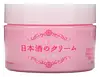
This barrier-repair moisturizer is formulated around Rice Ferment Filtrate and Ceramide NP to strengthen the skin barrier and hydrate skin.
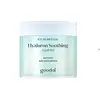
This calming toner pad uses a pre-saturated pad with Houttuynia Cordata Extract and Sodium Hyaluronate to calm redness and hydrate skin.


What's inside
What's inside
 Key Ingredients
Benefits
Concerns
Ingredients Side-by-side
Water
Skin ConditioningGlycerin
Humectant


Paraffinum Liquidum
Emollient


Cetyl Alcohol
Emollient



Glyceryl Stearate
Emollient
Stearyl Alcohol
Emollient
Rice Ferment Filtrate
Skin Conditioning

Glutamic Acid
Humectant
Arginine
Masking
Leucine
Skin ConditioningGlycine
Buffering
Ceramide EOP
Skin Conditioning

Ceramide NP
Skin Conditioning
Ceramide AP
Skin Conditioning
Placental Protein
HumectantArbutin
Antioxidant


Dipotassium Glycyrrhizate
Humectant
Oryza Sativa Bran Oil
Emollient
Oryza Sativa Germ Oil
Emollient
Simmondsia Chinensis Seed Oil
Emollient
Squalane
Emollient
Propanediol
Solvent
Dimethicone
Emollient
Cholesterol
Emollient
Phytosphingosine
Skin Conditioning
Sodium Lauroyl Lactylate
EmulsifyingTocopherol
Antioxidant
Ceteth-20
CleansingSteareth-20
CleansingPEG-75 Stearate
Surfactant
Carbomer
Emulsion StabilisingXanthan Gum
EmulsifyingAcrylates/C10-30 Alkyl Acrylate Crosspolymer
Emulsion StabilisingDisodium EDTA
ChelatingPotassium Hydroxide
BufferingCitric Acid
Buffering
Sodium Citrate
BufferingPhenoxyethanol
Preservative
Methylparaben
Preservative


Ethylparaben
Preservative
Parfum
Masking

Water, Glycerin, Paraffinum Liquidum, Cetyl Alcohol, Glyceryl Stearate, Stearyl Alcohol, Rice Ferment Filtrate, Glutamic Acid, Arginine, Leucine, Glycine, Ceramide EOP, Ceramide NP, Ceramide AP, Placental Protein, Arbutin, Dipotassium Glycyrrhizate, Oryza Sativa Bran Oil, Oryza Sativa Germ Oil, Simmondsia Chinensis Seed Oil, Squalane, Propanediol, Dimethicone, Cholesterol, Phytosphingosine, Sodium Lauroyl Lactylate, Tocopherol, Ceteth-20, Steareth-20, PEG-75 Stearate, Carbomer, Xanthan Gum, Acrylates/C10-30 Alkyl Acrylate Crosspolymer, Disodium EDTA, Potassium Hydroxide, Citric Acid, Sodium Citrate, Phenoxyethanol, Methylparaben, Ethylparaben, Parfum
Water
Skin ConditioningPropanediol
Solvent
Butylene Glycol
Humectant
Methylpropanediol
SolventHouttuynia Cordata Extract
Skin Conditioning
Sodium Hyaluronate
Humectant
Chamaecyparis Obtusa Oil
Masking
Eucalyptus Globulus Leaf Oil
Perfuming

Saccharomyces Ferment Filtrate
Humectant
Vincetoxicum Atratum Extract
Skin ConditioningAlthaea Rosea Flower Extract
Skin ConditioningHydrolyzed Hyaluronic Acid
Humectant
Hyaluronic Acid
Humectant
Candida Bombicola/Glucose/Methyl Rapeseedate Ferment
AntimicrobialVitis Vinifera Seed Oil
Emollient
Centella Asiatica Leaf Extract
Skin Conditioning
Chrysanthemum Zawadskii Extract
Skin ConditioningHelianthus Annuus Seed Oil
Emollient
Portulaca Oleracea Extract
Skin Conditioning
Hydroxyacetophenone
Antioxidant
Glycerin
Humectant
Erythritol
Humectant
Allantoin
Skin Conditioning
Sodium Citrate
BufferingPolyglyceryl-10 Isostearate
Skin Conditioning
1,2-Hexanediol
Skin Conditioning
Caprylyl Glycol
Emollient
Citric Acid
Buffering
Ethylhexylglycerin
Skin ConditioningPolyglyceryl-10 Oleate
Skin Conditioning
Sodium Phytate
ChelatingPentylene Glycol
Skin Conditioning
Panthenol
Skin Conditioning
Dipotassium Glycyrrhizate
Humectant
Sorbitol
Humectant
Acetyl Glucosamine
Skin Conditioning
Beta-Glucan
Skin Conditioning
Sodium Hyaluronate Crosspolymer
Humectant
Albatrellus Confluens Extract
Humectant
Hyaluronic Acid/Polyisopropylacrylamide Copolymer
Humectant
Glyceryl Caprylate
EmollientTocopherol
Antioxidant
Dimethylsilanol Hyaluronate
Humectant
Hydrolyzed Sodium Hyaluronate
Skin Conditioning
Potassium Hyaluronate
Skin ConditioningHydroxypropyltrimonium Hyaluronate
Sodium Hyaluronate Dimethylsilanol
HumectantSodium Acetylated Hyaluronate
Humectant
Ectoin
Skin Conditioning
Hydrogenated Lecithin
Emulsifying
Stearic Acid
Cleansing
Ceramide NP
Skin Conditioning
Ceramide Ns
Skin Conditioning
Cholesterol
Emollient
Phytosphingosine
Skin Conditioning
Ceramide AP
Skin Conditioning
Ceramide As
Skin Conditioning
Ceramide EOP
Skin Conditioning
Caffeine
Skin Conditioning
Xanthan Gum
EmulsifyingCetearyl Alcohol
Emollient
Water, Propanediol, Butylene Glycol, Methylpropanediol, Houttuynia Cordata Extract, Sodium Hyaluronate, Chamaecyparis Obtusa Oil, Eucalyptus Globulus Leaf Oil, Saccharomyces Ferment Filtrate, Vincetoxicum Atratum Extract, Althaea Rosea Flower Extract, Hydrolyzed Hyaluronic Acid, Hyaluronic Acid, Candida Bombicola/Glucose/Methyl Rapeseedate Ferment, Vitis Vinifera Seed Oil, Centella Asiatica Leaf Extract, Chrysanthemum Zawadskii Extract, Helianthus Annuus Seed Oil, Portulaca Oleracea Extract, Hydroxyacetophenone, Glycerin, Erythritol, Allantoin, Sodium Citrate, Polyglyceryl-10 Isostearate, 1,2-Hexanediol, Caprylyl Glycol, Citric Acid, Ethylhexylglycerin, Polyglyceryl-10 Oleate, Sodium Phytate, Pentylene Glycol, Panthenol, Dipotassium Glycyrrhizate, Sorbitol, Acetyl Glucosamine, Beta-Glucan, Sodium Hyaluronate Crosspolymer, Albatrellus Confluens Extract, Hyaluronic Acid/Polyisopropylacrylamide Copolymer, Glyceryl Caprylate, Tocopherol, Dimethylsilanol Hyaluronate, Hydrolyzed Sodium Hyaluronate, Potassium Hyaluronate, Hydroxypropyltrimonium Hyaluronate, Sodium Hyaluronate Dimethylsilanol, Sodium Acetylated Hyaluronate, Ectoin, Hydrogenated Lecithin, Stearic Acid, Ceramide NP, Ceramide Ns, Cholesterol, Phytosphingosine, Ceramide AP, Ceramide As, Ceramide EOP, Caffeine, Xanthan Gum, Cetearyl Alcohol
Reviews
Ingredients Explained
These ingredients are found in both products.
Ingredients higher up in an ingredient list are typically present in a larger amount.
Ceramide AP is is a skin-identical lipid that mimics what your skin already makes naturally. Ceramides help maintain epidermal integrity and barrier function.
You'll often see this ingredient paired with other ceramides (like ceramide NP), cholesterol, or fatty acids because this combination best mimics the natural lipid mix your skin already has.
The skin's ability to produce ceramides gets disrupted in skin conditions like eczema. This in turn weakens the skin barrier and applying ceramides topically has been shown to replenish what's been lost to restore barrier function.
Most of the studies with Ceramide AP test it as part of a multi-ceramide complex; studies reinforce ceramide AP's role in rebalancing ceramides in skin and improving skin hydration.
Learn more about Ceramide APCeramide EOP is formally known as Ceramide 1.
It is naturally found in skin and part of the intercellular "mortar" holding everything together in your outermost layer.
EOP stands for a linked Ester fatty acid, a linked Omega hydroxy fatty acid, and the Phytosphingosine base.
What makes Ceramide EOP special is its ultra-long fatty acid chain; this unique structure allows it to bridge the lipid layers in your skin barrier to prevent water loss (something no other ceramide can do).
Low levels of Ceramide EOP have been found in people with eczema and psoriasis.
Using it together with other ceramides, cholesterol, and linoleic acid have been shown to meaningfully improve hydration and reduce water loss.
In one clinical study, a regimen using Ceramide EOP, NP, and AP led to significant symptom improvements in patients with eczema, psoriasis, and dry skin in just 4 weeks.
You'll usually see concentrations between 0.1-0.5% in formulations. Overall, this is a well-tolerated and safe ingredient for cosmetic use.
Learn more about Ceramide EOPCeramide NP (formerly known as Ceramide 3) is one of the skin's naturally occurring lipids.
Since ceramides are the major lipid components of the skin, they are crucial for maintaining skin barrier and hydration. Ceramide NP most closely mirrors the dominant kind in human skin amongst ceramide subtypes.
This ceramide works by slotting into gaps within the stratum corneum's lipid matrix to limit trans-epidermal water loss (TEWL) and shield the skin against external irritants.
A study with 312 patients found that using a ceramide-containing routine for 4 weeks reduced the severity of atopic dermatitis by over 61%.
Another clinical study in subjects aged 60 and older found that a ceramide body wash and moisturizer improved skin dryness and itchy skin in 15 days.
Overall, ceramides are considered non-irritating and safety tests have found little to no observable adverse effects from using this ingredient.
Ceramide NP is usually sourced from plants (like soybean or rice bran), or produced synthetically.
Learn more about Ceramide NPCholesterol is a lipid that is naturally found in human skin and is one of the three key components of your skin barrier. In skincare, it is an emollient and barrier-repairing ingredient.
It works by fitting directly into the lipid layers of skin to help restore structure and reduce transepidermal water loss (TEWL).
This is a great ingredient for dry, compromised, or aging skin; our skin starts to produce less cholesterol with age.
Research shows cholesterol works best in combination with ceramides and fatty acids, the other two major components in your skin barrier.
Cholesterol is also a well-establish penetration enhancer and can help other actives absorb more effectively.
Cosmetic-grade cholesterol is usually derived from lanolin but plant and synthetic options also exist. We recommend reaching out to the brand if you have questions about their source of cholesterol.
Learn more about CholesterolCitric Acid is an alpha hydroxy acid (AHA) naturally found in citrus fruits like oranges, lemons, and limes.
Like other AHAs, citric acid can exfoliate skin by breaking down the bonds that hold dead skin cells together. This helps reveal smoother and brighter skin underneath.
However, this exfoliating effect only happens at high concentrations (20%) which can be hard to find in cosmetic products.
Due to this, citric acid is usually included in small amounts as a pH adjuster. This helps keep products slightly more acidic and compatible with skin's natural pH.
In skincare formulas, citric acid can:
While it can provide some skin benefits, research shows lactic acid and glycolic acid are generally more effective and less irritating exfoliants.
Most citric acid used in skincare today is made by fermenting sugars (usually from molasses). This synthetic version is identical to the natural citrus form but easier to stabilize and use in formulations.
Rosacea skin has a lower threshold for acids generally, with 62.5% of rosacea subjects in one study reacting to lactic acid in a sting test. This is why we mark citric acid as a potential rosacea trigger.
However, this ingredient shows up as a pH adjuster or chelator at roughly 0.1-1% in many products. These low levels are unlikely to be an issue for rosacea skin and becomes a potential trigger at exfoliating concentrations (20%). Because everybody's skin is unique, we recommend a patch test if you are unsure.
Learn more about Citric AcidDipotassium Glycyrrhizate comes from licorice root.
Extracts of licorice have demonstrated to have antibacterial, anti‐inflammatory, antiviral, antioxidant properties.
One component, glabridin, has extra potent antioxidant and soothing properties. It has also been found to block pigmentation from UVB rays in guinea pigs.
Licorice Root also contains a flavonoid. Flavonoids are a natural substance from in plants. Flavonoids also have antioxidant properties.
Another component, glycyrrhizin, has been found to have anti-inflammatory and antimicrobial benefits. This may make licorice root extract effective at treating acne. However, more research is needed to support this.
Liquiritin is one of the flavone compounds found in licorice. It has been found to help lighten skin by preventing tyrosinase from reacting with tyrosine. When the two react, protein is converted to melanin. Melanin is the substance in your body that gives your features pigmentation.
Licorice root is native to Southern Europe and Asia. It has been used in traditional Chinese medicine to help with respiratory issues.
Learn more about Dipotassium GlycyrrhizateGlycerin (or glycerol) is a compound naturally found in your skin. It's a powerhouse humectant that pulls water into the stratum corneum.
Topically, glycerin does several things at once:
Your skin makes glycerin on its own (mostly from sebaceous oil breakdown) and shuttles it to your outermost layer of skin, or your epidermis, via aquaporin-3.
Aquaporin-3 is a transporter that is essential for normal skin hydration, elasticity, and repair. Interestingly, mice lacking in AQP3 have dry and less elastic skin that can be fully corrected with glycerin.
This ingredient is non-irritating, plays well with almost every ingredient, and works across all skin types. Typical use is anywhere between 3-10% but can go up to 79% in some leave-on products.
Just know very high concentrations (>40%) can feel tacky in low humidity.
Glycerin is the name for this ingredient in American English. British English uses Glycerol/Glycerine.
Learn more about GlycerinPhytosphingosine is a phospholipid naturally found in our skin as a building block for ceramides.. It helps moisturize, soothe, and protect skin.
Phytosphingosine contributes to your skin's natural moisturizing factor (NMF). The NMF is responsible for hydration, a strong barrier, and plasticity. Our NMF decreases with age. Increasing NMF leads to more healthy and hydrated skin.
Studies show products formulated with NMF ingredients help strengthen our skin's barrier. Having a healthy skin barrier reduces irritation and increases hydration. Our skin barrier is responsible for having plump and firm skin. It also helps protect our skin against infection, allergies, and inflammation.
Fun fact: Phytosphingosine is abundant in plants and fungi.
More ingredients that help boost collagen in skin:
Learn more about PhytosphingosinePropanediol is an all-star ingredient. It softens, hydrates, and smooths the skin.
It’s often used to:
Propanediol is not likely to cause sensitivity and considered safe to use. It is derived from corn or petroleum with a clear color and no scent.
Learn more about PropanediolSodium Citrate is the sodium salts of citric acid. In skincare, it is used to alter pH levels and acts as a preservative.
Its main functions are to maintain the pH of a product and neutralize metal ions.
The acidity of our skin is maintained by our glands and skin biome; normal pH level of skin is slightly acidic (~4.75-5.5).
Being slightly acidic allows our skin to create an "acid mantle". This acid mantle is a thin barrier that protects our skin from bacteria and contaminants.
Learn more about Sodium CitrateTocopherol is a fat-soluble antioxidant known as Vitamin E.
You'll find this ingredient in the vast majority of skincare (for good reason). It works to neutralize free radicals, or unstable molecules generated by UV exposure, pollution, and other environmental stressors, before they can cause oxidative damage to your skin cells.
Topically applied tocopherol has been shown to protect against UV damage by ramping up the skin's own natural defense enzymes.
It also acts as a skin conditioning agent; some studies show that regular topical use can improve the skin's water-binding capacity over 2-4 weeks.
This ingredient is especially loved for being a team player. When combined with Vitamin C, the photoprotective effect of both ingredients roughly doubles and the combo also helps reduce UV-induced DNA damage.
This ingredient has some brightening potential but it's more of a prevention ingredient than spot-fader. Cell studies show it can slow down melanin production but it's worth noting that it's not the most powerful brightener out there.
In formulations, it also serves as a stabilizer that helps protect other oxidation-prone ingredients from degrading.
Concentrations usually range from 0.1-1% in most leave-on products.
Learn more about TocopherolWater. It's the most common cosmetic ingredient of all. You'll usually see it at the top of ingredient lists, meaning that it makes up the largest part of the product.
So why is it so popular? Water most often acts as a solvent - this means that it helps dissolve other ingredients into the formulation.
You'll also recognize water as that liquid we all need to stay alive. If you see this, drink a glass of water. Remember to stay hydrated!
Learn more about WaterXanthan gum is used as a stabilizer and thickener within cosmetic products. It helps give products a sticky, thick feeling - preventing them from being too runny.
On the technical side of things, xanthan gum is a polysaccharide - a combination consisting of multiple sugar molecules bonded together.
Xanthan gum is a pretty common and great ingredient. It is a natural, non-toxic, non-irritating ingredient that is also commonly used in food products.
Learn more about Xanthan Gum

