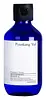
This calming toner is formulated around Astragalus Membranaceus Root Extract to calm redness.
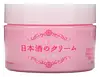
This barrier-repair moisturizer is formulated around Rice Ferment Filtrate and Ceramide NP to strengthen the skin barrier and hydrate skin.


What's inside
What's inside
 Key Ingredients
No key ingredients
Benefits
Concerns
No concerns
Ingredients Side-by-side
Water
Skin ConditioningGlycerin
Humectant


Paraffinum Liquidum
Emollient


Cetyl Alcohol
Emollient



Glyceryl Stearate
Emollient
Stearyl Alcohol
Emollient
Rice Ferment Filtrate
Skin Conditioning

Glutamic Acid
Humectant
Arginine
Masking
Leucine
Skin ConditioningGlycine
Buffering
Ceramide EOP
Skin Conditioning

Ceramide NP
Skin Conditioning
Ceramide AP
Skin Conditioning
Placental Protein
HumectantArbutin
Antioxidant


Dipotassium Glycyrrhizate
Humectant
Oryza Sativa Bran Oil
Emollient
Oryza Sativa Germ Oil
Emollient
Simmondsia Chinensis Seed Oil
Emollient
Squalane
Emollient
Propanediol
Solvent
Dimethicone
Emollient
Cholesterol
Emollient
Phytosphingosine
Skin Conditioning
Sodium Lauroyl Lactylate
EmulsifyingTocopherol
Antioxidant
Ceteth-20
CleansingSteareth-20
CleansingPEG-75 Stearate
Surfactant
Carbomer
Emulsion StabilisingXanthan Gum
EmulsifyingAcrylates/C10-30 Alkyl Acrylate Crosspolymer
Emulsion StabilisingDisodium EDTA
ChelatingPotassium Hydroxide
BufferingCitric Acid
Buffering
Sodium Citrate
BufferingPhenoxyethanol
Preservative
Methylparaben
Preservative


Ethylparaben
Preservative
Parfum
Masking

Water, Glycerin, Paraffinum Liquidum, Cetyl Alcohol, Glyceryl Stearate, Stearyl Alcohol, Rice Ferment Filtrate, Glutamic Acid, Arginine, Leucine, Glycine, Ceramide EOP, Ceramide NP, Ceramide AP, Placental Protein, Arbutin, Dipotassium Glycyrrhizate, Oryza Sativa Bran Oil, Oryza Sativa Germ Oil, Simmondsia Chinensis Seed Oil, Squalane, Propanediol, Dimethicone, Cholesterol, Phytosphingosine, Sodium Lauroyl Lactylate, Tocopherol, Ceteth-20, Steareth-20, PEG-75 Stearate, Carbomer, Xanthan Gum, Acrylates/C10-30 Alkyl Acrylate Crosspolymer, Disodium EDTA, Potassium Hydroxide, Citric Acid, Sodium Citrate, Phenoxyethanol, Methylparaben, Ethylparaben, Parfum
Reviews
Ingredients Explained
These ingredients are found in both products.
Ingredients higher up in an ingredient list are typically present in a larger amount.
Arginine is a semi-essential amino acid. This just means our bodies can product a bit on its own, but sometimes needs a little boost from food sources.
It is a part of your skin's natural moisturizing factor (NMF), or the water-loving molecules in your outermost layer of skin (stratum corneum) that keeps everything hydrated and happy.
Here's an interesting thing about Arginine: your skin converts it into urea through the Krebs-Henseleit urea cycle. Urea is one of the most effective humectants your skin naturally produces.
A clinical study showed applying 2.5% arginine hydrochloride to atopic dermatitis skin showed significant urea levels in the stratum corneum and improved moisture in just four weeks.
Arginine is also a precursor to nitric oxide; nitric oxide improves microcirculation and supports wound healing and collagen synthesis.
One study found that an amino acid complex containing Arginine reduced skin irritation, improved hydration, and accelerated skin repair in clinical / in-vivo studies.
Arginine itself is an amino acid and not a fatty acid, oil, or ester. On its own, it's not a direct food source for Malassezia, or the yeast that causes fungal acne.
Learn more about ArginineCarbomer is a synthetic thickening and gelling agent. It's basically the ingredient that gives a lot of serums, gels, creams, and sunscreens their smooth, non-sticky texture.
Although legally permitted at very high levels, carbomers are normally used at concentrations below 1%.
It also needs to be neutralized to actually thicken, and because it is a large molecule, it doesn't really penetrate the skin barrier.
Allergy-wise, the risk is very low. Clinical studies show carbomers have low potential for skin irritation/sensitization even at concentrations up to 100%.
A 2024 UK study patch-tested 1,302 patients and found true allergy to the parent group of carbomer to be rare with no confirmed relevant reactions.
Learn more about Carbomer

