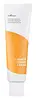
This brightening moisturizer is formulated around Hippophae Rhamnoides Fruit Extract and Niacinamide to brighten dull-looking skin and fade the look of dark spots.
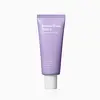
This brightening moisturizer is formulated around Niacinamide and Tranexamic Acid to fade the look of dark spots and brighten dull-looking skin.

What's inside
What's inside
 Key Ingredients
Benefits
Concerns
Ingredients Side-by-side
Hippophae Rhamnoides Fruit Extract
Skin Conditioning


Butylene Glycol
Humectant
Pentylene Glycol
Skin Conditioning
Water
Skin Conditioning1,2-Hexanediol
Skin Conditioning
Niacinamide
Smoothing








Ethylhexyl Palmitate
Emollient




Caprylic/Capric Triglyceride
Masking
Moringa Oleifera Seed Oil
Emollient
Lycium Barbarum Fruit Extract
Astringent
Euterpe Oleracea Fruit Extract
Myrciaria Dubia Fruit Extract
Skin ConditioningHippophae Rhamnoides Oil
Emollient
Beta-Glucan
Skin Conditioning
Olea Europaea Fruit Oil
Masking
Carthamus Tinctorius Seed Oil
Masking
Phytosphingosine
Skin Conditioning
Polyacrylic Acid
Emulsion StabilisingCyanocobalamin
Skin ConditioningSodium Ascorbyl Phosphate
Antioxidant

Biotin
AntiseborrhoeicPyridoxine
Skin ConditioningGlyceryl Arachidonate
Emollient
Mangifera Indica Seed Butter
Skin Conditioning
Sodium Acrylate/Sodium Acryloyldimethyl Taurate Copolymer
Emulsion StabilisingIsohexadecane
EmollientCeramide NP
Skin Conditioning
Argania Spinosa Kernel Oil
Emollient
Macadamia Ternifolia Seed Oil
Emollient
Polyglyceryl-10 Stearate
Skin Conditioning
Hydroxypropyl Guar
Emulsion StabilisingPanthenol
Skin Conditioning
Carbomer
Emulsion StabilisingGlyceryl Acrylate/Acrylic Acid Copolymer
HumectantArginine
Masking
Sucrose Distearate
Emollient
Pvm/Ma Copolymer
Emulsion StabilisingDisodium EDTA
ChelatingGlycerin
Humectant
Thiamine Hcl
MaskingHydrogenated Lecithin
Emulsifying
Tocopheryl Acetate
Antioxidant
Glyceryl Linolenate
Emollient
Polysorbate 80
Emulsifying
Ethyl Hexanediol
SolventRetinyl Palmitate
Skin Conditioning
Hippophae Rhamnoides Fruit Extract, Butylene Glycol, Pentylene Glycol, Water, 1,2-Hexanediol, Niacinamide, Ethylhexyl Palmitate, Caprylic/Capric Triglyceride, Moringa Oleifera Seed Oil, Lycium Barbarum Fruit Extract, Euterpe Oleracea Fruit Extract, Myrciaria Dubia Fruit Extract, Hippophae Rhamnoides Oil, Beta-Glucan, Olea Europaea Fruit Oil, Carthamus Tinctorius Seed Oil, Phytosphingosine, Polyacrylic Acid, Cyanocobalamin, Sodium Ascorbyl Phosphate, Biotin, Pyridoxine, Glyceryl Arachidonate, Mangifera Indica Seed Butter, Sodium Acrylate/Sodium Acryloyldimethyl Taurate Copolymer, Isohexadecane, Ceramide NP, Argania Spinosa Kernel Oil, Macadamia Ternifolia Seed Oil, Polyglyceryl-10 Stearate, Hydroxypropyl Guar, Panthenol, Carbomer, Glyceryl Acrylate/Acrylic Acid Copolymer, Arginine, Sucrose Distearate, Pvm/Ma Copolymer, Disodium EDTA, Glycerin, Thiamine Hcl, Hydrogenated Lecithin, Tocopheryl Acetate, Glyceryl Linolenate, Polysorbate 80, Ethyl Hexanediol, Retinyl Palmitate
Vitis Vinifera Fruit Water
Skin ConditioningDipropylene Glycol
HumectantCetyl Ethylhexanoate
Emollient1,2-Hexanediol
Skin Conditioning
Vitis Vinifera Fruit Extract
Skin ConditioningCaprylic/Capric Triglyceride
Masking
Glycerin
Humectant
Niacinamide
Smoothing
Polyglyceryl-3 Methylglucose Distearate
Emulsifying
Glycereth-26
Humectant
Cetearyl Alcohol
Emollient
Tranexamic Acid
Astringent
Stearic Acid
Cleansing
Glyceryl Stearate
Emollient
Polyacrylate-13
Butylene Glycol
Humectant
Melia Azadirachta Flower Extract
Skin ConditioningHydrogenated Polyisobutene
EmollientCoccinia Indica Fruit Extract
Skin Conditioning
Water
Skin ConditioningSimethicone
Emollient
3-O-Ethyl Ascorbic Acid
Skin Conditioning
Polyglyceryl-10 Laurate
Skin Conditioning
Adenosine
Skin Conditioning
Ethylhexyl Palmitate
Emollient
Sorbitan Isostearate
Emulsifying
Disodium EDTA
ChelatingXanthan Gum
EmulsifyingAllantoin
Skin Conditioning
Arachidic Acid
Cleansing
Palmitic Acid
Emollient
Oleic Acid
Emollient
Collagen
Moisturising
Leuconostoc/Radish Root Ferment Filtrate
Antimicrobial
Fragaria Chiloensis Fruit Extract
Skin Conditioning
Vaccinium Angustifolium Fruit Extract
Skin Protecting
Sodium Hyaluronate
Humectant
Arctostaphylos Uva-Ursi Leaf Extract
Skin Conditioning
Rubus Fruticosus Fruit Extract
AstringentLavandula Angustifolia Flower Extract
Cleansing

Resveratrol
Antioxidant
Borago Officinalis Extract
Emollient
Centaurea Cyanus Flower Extract
Astringent
Salvia Sclarea Extract
AntiseborrhoeicHyacinthus Orientalis Extract
Skin ConditioningChamomilla Recutita Flower Extract
Masking
Vincetoxicum Atratum Extract
Skin ConditioningMadecassoside
Antioxidant
Asiaticoside
Antioxidant
Ethylhexylglycerin
Skin ConditioningHyaluronic Acid
Humectant
Hydrolyzed Hyaluronic Acid
Humectant
Hydroxypropyltrimonium Hyaluronate
Vitis Vinifera Fruit Water, Dipropylene Glycol, Cetyl Ethylhexanoate, 1,2-Hexanediol, Vitis Vinifera Fruit Extract, Caprylic/Capric Triglyceride, Glycerin, Niacinamide, Polyglyceryl-3 Methylglucose Distearate, Glycereth-26, Cetearyl Alcohol, Tranexamic Acid, Stearic Acid, Glyceryl Stearate, Polyacrylate-13, Butylene Glycol, Melia Azadirachta Flower Extract, Hydrogenated Polyisobutene, Coccinia Indica Fruit Extract, Water, Simethicone, 3-O-Ethyl Ascorbic Acid, Polyglyceryl-10 Laurate, Adenosine, Ethylhexyl Palmitate, Sorbitan Isostearate, Disodium EDTA, Xanthan Gum, Allantoin, Arachidic Acid, Palmitic Acid, Oleic Acid, Collagen, Leuconostoc/Radish Root Ferment Filtrate, Fragaria Chiloensis Fruit Extract, Vaccinium Angustifolium Fruit Extract, Sodium Hyaluronate, Arctostaphylos Uva-Ursi Leaf Extract, Rubus Fruticosus Fruit Extract, Lavandula Angustifolia Flower Extract, Resveratrol, Borago Officinalis Extract, Centaurea Cyanus Flower Extract, Salvia Sclarea Extract, Hyacinthus Orientalis Extract, Chamomilla Recutita Flower Extract, Vincetoxicum Atratum Extract, Madecassoside, Asiaticoside, Ethylhexylglycerin, Hyaluronic Acid, Hydrolyzed Hyaluronic Acid, Hydroxypropyltrimonium Hyaluronate
Ingredients Explained
These ingredients are found in both products.
Ingredients higher up in an ingredient list are typically present in a larger amount.
1,2-Hexanediol is a synthetic liquid and another multi-functional powerhouse.
It is a:
- Humectant, drawing moisture into the skin
- Emollient, helping to soften skin
- Solvent, dispersing and stabilizing formulas
- Preservative booster, enhancing the antimicrobial activity of other preservatives
Butylene Glycol (or BG) is used within cosmetic products for a few different reasons:
Overall, Butylene Glycol is a safe and well-rounded ingredient that works well with other ingredients.
Though this ingredient works well with most skin types, some people with sensitive skin may experience a reaction such as allergic rashes, closed comedones, or itchiness.
Learn more about Butylene GlycolCaprylic/Capric Triglyceride (aka MCT Oil) is a lightweight emollient, solvent, and texture enhancer. It is considered a skin-softener by helping to prevent moisture loss.
Though it behaves like an oil, it is not technically one due to its chemical composition. One perk of this ingredient is that it is very stable, resistant to oxidation, and unlikely to go rancid.
In practice, that translates to a long shelf life and a consistently elegant skin feel.
While there is an assumption Caprylic Triglyceride can clog pores due to it being derived from coconut oil, there is no research supporting this. Just patch test if you have concerns.
Fractionated coconut oil and MCT Oil are both listed as Caprylic/Capric Triglyceride according to INCI. This is because INCI names are based on the ingredient’s final chemical composition and not its marketing name or source.
This ingredient is treated as the gold standard fungal acne safe oil. Even though it is coconut derived, the problematic lauric acid is stripped out.
This leaves just caprylic (C8) and capric (C10) acid. These chain lengths actually trend antifungal; a 2020 study found caprylic acid was enough to disrupt Malassezia furfur cell membrane, with a caprylic acid derivative damaging membrane structures at concentrations as low as 0.2%.
Learn more about Caprylic/Capric TriglycerideDisodium EDTA is a chelating agent. It grabs onto and deactivates metal ions that sneak into your products from water, packaging, or air.
This ingredient mainly works behind the scenes and helps with:
On top of that, this ingredient can counteract the effects of hard water by binding to the minerals in it.
One thing worth knowing is that Disodium EDTA has been shown to be a mild penetration enhancer. It can help other ingredients absorb into skin more effectively which can be a double-edged sword (great for actives, but can also make the active too strong if you have sensitive skin).
Clinical patch testing showed no significant skin irritation at typical use concentrations and minimal dermal absorption.
You'll most likely see this ingredient near the end of an ingredient list. It's typically found in concentrations less than 1%.
Learn more about Disodium EDTAEthylhexyl Palmitate, also known as octyl palmitate, is created from 2-ethylhexyl alcohol and palmitic acid.
In cosmetics, it plays many roles:
One thing worth noting: a controlled study found this ingredient applied under occlusion to acne-prone subjects increased microcomedones. Just keep in mind this was under occlusive conditions and don't reflect how most products are used day-to-day.
For most people, this is a well-tolerated and lightweight ingredient.
This ingredient may not be fungal acne safe because it is an ester of palmitic acid, a C16 fatty acid that falls within the C11-24 range that Malassezia can metabolize.
You'll see this one rated 4 comedogenic all over the internet. That number isn't from a single study, and the actual research is more interesting.
The original rating comes from 1980s rabbit ear tests (which are a shaky basis for anything). But Ethylhexyl Palmitate is one of the few ingredients with real human data behind it. A 2021 controlled trial found this ingredient increased microcomedones by an average of 365% over four weeks.
Just know that test used the pure ingredient under an occlusive pad on back skin; most products use it at much lower levels alongside other ingredients and plenty of people use those with no issue.
Learn more about Ethylhexyl PalmitateGlycerin (or glycerol) is a compound naturally found in your skin. It's a powerhouse humectant that pulls water into the stratum corneum.
Topically, glycerin does several things at once:
Your skin makes glycerin on its own (mostly from sebaceous oil breakdown) and shuttles it to your outermost layer of skin, or your epidermis, via aquaporin-3.
Aquaporin-3 is a transporter that is essential for normal skin hydration, elasticity, and repair. Interestingly, mice lacking in AQP3 have dry and less elastic skin that can be fully corrected with glycerin.
This ingredient is non-irritating, plays well with almost every ingredient, and works across all skin types. Typical use is anywhere between 3-10% but can go up to 79% in some leave-on products.
Just know very high concentrations (>40%) can feel tacky in low humidity.
Glycerin is the name for this ingredient in American English. British English uses Glycerol/Glycerine.
Learn more about GlycerinNiacinamide is a multitasking form of vitamin B3 that strengthens the skin barrier, reduces pores and dark spots, regulates oil, and improves signs of aging.
And the best part? It's gentle and well-tolerated by most skin types, including sensitive and reactive skin.
You might have heard of "niacin flush", or the reddening of skin that causes itchiness. Niacinamide has not been found to cause this.
In very rare cases, some individuals may not be able to tolerate niacinamide at all or experience an allergic reaction to it.
If you are experiencing flaking, irritation, and dryness with this ingredient, be sure to double check all your products as this ingredient can be found in all categories of skincare.
When incorporating niacinamide into your routine, look out for concentration amounts. Typically, 5% niacinamide provides benefits such as fading dark spots. However, if you have sensitive skin, it is better to begin with a smaller concentration.
When you apply niacinamide to your skin, your body converts it into nicotinamide adenine dinucleotide (NAD). NAD is an essential coenzyme that is already found in your cells as "fuel" and powers countless biological processes.
In your skin, NAD helps repair cell damage, produce new healthy cells, support collagen production, strengthen the skin barrier, and fight environmental stressors (like UV and pollution).
Our natural NAD levels start to decline with age, leading to slower skin repair, visible aging, and a weaker skin barrier. By providing your skin niacinamide, you're recharging your skin's NAD levels. This leads to stronger, healthier, and younger looking skin.
Another name for vitamin B3 is nicotinamide. This vitamin is water-soluble and our bodies don't store it. We obtain Vitamin B3 from either food or skincare. Meat, fish, wheat, yeast, and leafy greens contain vitamin B3.
The type of niacinamide used in skincare is synthetically created.
Learn more about NiacinamideWater. It's the most common cosmetic ingredient of all. You'll usually see it at the top of ingredient lists, meaning that it makes up the largest part of the product.
So why is it so popular? Water most often acts as a solvent - this means that it helps dissolve other ingredients into the formulation.
You'll also recognize water as that liquid we all need to stay alive. If you see this, drink a glass of water. Remember to stay hydrated!
Learn more about Water

