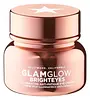
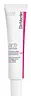
GLAMGLOW BRIGHTEYES™ Illuminating Anti-Fatigue Eye Cream Versus StriVectin Intensive Eye Concentrate for Wrinkles PLUS
This brightening eye moisturizer is formulated around Caffeine and Aminopropyl Ascorbyl Phosphate to brighten dull-looking skin and soften the look of wrinkles.
This anti-aging eye moisturizer is formulated around Palmitoyl Tripeptide-5 and Caffeine to soften the look of wrinkles.

What's inside
What's inside
 Key Ingredients
Benefits
Concerns
Ingredients Side-by-side
Water
Skin ConditioningButyrospermum Parkii Butter
Skin Conditioning






Butylene Glycol
Humectant
Dimethicone
Emollient

Glycerin
Humectant
Cetearyl Alcohol
Emollient

Cetyl Esters
Emollient
Isostearyl Neopentanoate
Emollient
Cetyl Alcohol
Emollient
Polybutene
Sodium Hyaluronate
Humectant


Caffeine
Skin Conditioning
Tocopheryl Acetate
Antioxidant


Narcissus Tazetta Bulb Extract
Astringent

Aminopropyl Ascorbyl Phosphate
Antioxidant


Linoleic Acid
Cleansing
Acetyl Hexapeptide-8
Humectant
Artemia Extract
Skin ConditioningHibiscus Sabdariffa Flower Extract
Skin ConditioningTrifluoroacetyl Tripeptide-2
Skin Conditioning
Anthemis Nobilis Flower Extract
Masking
Laminaria Digitata Extract
Skin Protecting
Cucumis Melo Fruit Extract
Skin ConditioningCetearyl Glucoside
Emulsifying
Cholesterol
Emollient
Persea Gratissima Oil
Skin Conditioning
Pyrus Malus Fruit Extract
Skin Conditioning
Lens Esculenta Fruit Extract
Skin ConditioningCitrullus Lanatus Fruit Extract
Skin Conditioning
Algae Extract
Emollient
Lauryl PCA
HumectantWhey Protein
Skin ConditioningFaex Extract
Skin ConditioningSodium Lactate
Buffering
Sorbitol
Humectant
Trehalose
Humectant
Zinc PCA
Humectant


Glucose
Humectant
Acetyl Glucosamine
Skin Conditioning
Neopentyl Glycol Diheptanoate
EmollientCarbomer
Emulsion StabilisingSodium Hydroxide
BufferingPropylene Glycol Dicaprylate
EmollientPolymethyl Methacrylate
Sodium PCA
Humectant
Dextran
Acrylates/C10-30 Alkyl Acrylate Crosspolymer
Emulsion StabilisingPolyethylene
Abrasive
Decarboxy Carnosine Hcl
Skin ConditioningPotassium Sulfate
Caprylyl Glycol
Emollient
1,2-Hexanediol
Skin Conditioning
Tetradecyl Aminobutyroylvalylaminobutyric Urea Trifluoroacetate
Skin ConditioningMethyl Glucose Sesquistearate
Emollient
BHT
Antioxidant
Disodium EDTA
ChelatingPhenoxyethanol
Preservative
Potassium Sorbate
Preservative
Sodium Benzoate
Masking
Mica
Cosmetic ColorantCI 77891
Cosmetic ColorantCI 77491
Cosmetic ColorantWater, Butyrospermum Parkii Butter, Butylene Glycol, Dimethicone, Glycerin, Cetearyl Alcohol, Cetyl Esters, Isostearyl Neopentanoate, Cetyl Alcohol, Polybutene, Sodium Hyaluronate, Caffeine, Tocopheryl Acetate, Narcissus Tazetta Bulb Extract, Aminopropyl Ascorbyl Phosphate, Linoleic Acid, Acetyl Hexapeptide-8, Artemia Extract, Hibiscus Sabdariffa Flower Extract, Trifluoroacetyl Tripeptide-2, Anthemis Nobilis Flower Extract, Laminaria Digitata Extract, Cucumis Melo Fruit Extract, Cetearyl Glucoside, Cholesterol, Persea Gratissima Oil, Pyrus Malus Fruit Extract, Lens Esculenta Fruit Extract, Citrullus Lanatus Fruit Extract, Algae Extract, Lauryl PCA, Whey Protein, Faex Extract, Sodium Lactate, Sorbitol, Trehalose, Zinc PCA, Glucose, Acetyl Glucosamine, Neopentyl Glycol Diheptanoate, Carbomer, Sodium Hydroxide, Propylene Glycol Dicaprylate, Polymethyl Methacrylate, Sodium PCA, Dextran, Acrylates/C10-30 Alkyl Acrylate Crosspolymer, Polyethylene, Decarboxy Carnosine Hcl, Potassium Sulfate, Caprylyl Glycol, 1,2-Hexanediol, Tetradecyl Aminobutyroylvalylaminobutyric Urea Trifluoroacetate, Methyl Glucose Sesquistearate, BHT, Disodium EDTA, Phenoxyethanol, Potassium Sorbate, Sodium Benzoate, Mica, CI 77891, CI 77491
Water
Skin ConditioningDimethicone
Emollient
Glycerin
Humectant
Caprylic/Capric Triglyceride
Masking
Myristyl Nicotinate
Skin ConditioningC12-15 Alkyl Benzoate
AntimicrobialGlyceryl Stearate
Emollient
PEG-100 Stearate
Surfactant
Propanediol
Solvent
Myristyl Myristate
Emollient
Isocetyl Stearate
Emollient
Pentylene Glycol
Skin Conditioning
Ethylene/Acrylic Acid Copolymer
Emulsion StabilisingStearyl Alcohol
Emollient
Arachidyl Alcohol
Emollient
Hydrogenated Ethylhexyl Olivate
EmollientBis-Stearyl Dimethicone
Emollient
Bacillus/Sea Salt Ferment Filtrate
Skin ConditioningPalmitoyl Tripeptide-5
Skin Conditioning
Pseudoalteromonas Ferment Extract
Humectant
Oryza Sativa Bran Extract
Skin Conditioning
Coffea Arabica Seed Extract
Masking
Helianthus Annuus Extract
Emollient
Aesculus Hippocastanum Extract
Antioxidant
Rosmarinus Officinalis Leaf Extract
AntimicrobialZingiber Officinale Root Extract
Masking
Dunaliella Salina Extract
Skin ConditioningCaffeine
Skin Conditioning
Sodium Hyaluronate
Humectant
Hydrolyzed Hyaluronic Acid
Humectant
Bisabolol
Antioxidant
Adenosine
Skin Conditioning
Hydrogenated Olive Oil Unsaponifiables
Emollient
Lecithin
Emollient
Panthenol
Skin Conditioning
1,2-Hexanediol
Skin Conditioning
Fructose
Humectant
Tocopherol
Antioxidant
Glyceryl Caprylate
EmollientBehenyl Alcohol
Emollient
Arachidyl Glucoside
EmulsifyingPolysorbate 80
Emulsifying
Cetyl Alcohol
Emollient
Ethylhexylglycerin
Skin ConditioningAcrylamide/Sodium Acryloyldimethyltaurate Copolymer
Emulsion StabilisingPolysilicone-11
Isohexadecane
EmollientDisodium EDTA
ChelatingPantolactone
Humectant
Polymethyl Methacrylate
Caprylhydroxamic Acid
ChelatingResveratrol
Antioxidant
Sorbitan Oleate
Emulsifying
Xanthan Gum
EmulsifyingPoloxamer 338
EmulsifyingAminomethyl Propanol
BufferingSilica
Abrasive
Mica
Cosmetic ColorantTin Oxide
Abrasive
Phenoxyethanol
Preservative
Citric Acid
Buffering
Potassium Sorbate
Preservative
Sodium Benzoate
Masking
CI 77891
Cosmetic ColorantWater, Dimethicone, Glycerin, Caprylic/Capric Triglyceride, Myristyl Nicotinate, C12-15 Alkyl Benzoate, Glyceryl Stearate, PEG-100 Stearate, Propanediol, Myristyl Myristate, Isocetyl Stearate, Pentylene Glycol, Ethylene/Acrylic Acid Copolymer, Stearyl Alcohol, Arachidyl Alcohol, Hydrogenated Ethylhexyl Olivate, Bis-Stearyl Dimethicone, Bacillus/Sea Salt Ferment Filtrate, Palmitoyl Tripeptide-5, Pseudoalteromonas Ferment Extract, Oryza Sativa Bran Extract, Coffea Arabica Seed Extract, Helianthus Annuus Extract, Aesculus Hippocastanum Extract, Rosmarinus Officinalis Leaf Extract, Zingiber Officinale Root Extract, Dunaliella Salina Extract, Caffeine, Sodium Hyaluronate, Hydrolyzed Hyaluronic Acid, Bisabolol, Adenosine, Hydrogenated Olive Oil Unsaponifiables, Lecithin, Panthenol, 1,2-Hexanediol, Fructose, Tocopherol, Glyceryl Caprylate, Behenyl Alcohol, Arachidyl Glucoside, Polysorbate 80, Cetyl Alcohol, Ethylhexylglycerin, Acrylamide/Sodium Acryloyldimethyltaurate Copolymer, Polysilicone-11, Isohexadecane, Disodium EDTA, Pantolactone, Polymethyl Methacrylate, Caprylhydroxamic Acid, Resveratrol, Sorbitan Oleate, Xanthan Gum, Poloxamer 338, Aminomethyl Propanol, Silica, Mica, Tin Oxide, Phenoxyethanol, Citric Acid, Potassium Sorbate, Sodium Benzoate, CI 77891
Reviews
Ingredients Explained
These ingredients are found in both products.
Ingredients higher up in an ingredient list are typically present in a larger amount.
1,2-Hexanediol is a synthetic liquid and another multi-functional powerhouse.
It is a:
- Humectant, drawing moisture into the skin
- Emollient, helping to soften skin
- Solvent, dispersing and stabilizing formulas
- Preservative booster, enhancing the antimicrobial activity of other preservatives
Caffeine is a naturally occurring plant compound found in coffee beans, tea leaves, cocoa pods, and guarana.
As an antioxidant, caffeine protects your skin from free radical damage caused by UV exposure and envionrmnetal stressors.
Early research also shows that caffeine can help calm redness, soothe irritated skin, and support hair growth by stimulating microcirculation in the scalp.
You might have seen eye creams marketing caffeine as a depuffing ingredient. This is because it is a vasoconstrictor meaning it can temporarily constrict blood vessels, though clinical evidence for this specific use is still limited.
Most skincare products contain this ingredient at concentrations between 1-6%. It is able to penetrate skin easily regardless of skin type or thickness.
Just so you know, a very small number of case reports describe caffeine-induced allergy. This ingredient is generally well-tolerated, non-irritating, and non-sensitizing for the majority of people.
Learn more about CaffeineCetyl Alcohol is a fatty alcohol. Fatty Alcohols are most often used as an emollient or to thicken a product.
Its main roles are:
Though it has "alcohol" in the name, it is not related to denatured alcohol or ethyl alcohol.
The FDA allows products labeled "alcohol-free" to have fatty alcohols.
This ingredient may not be fungal acne safe. It is a primary fatty alcohol with a chain length above 12 carbons. A study from 2019 show Malassezia can feed on fatty alcohols in this range, so it may trigger fungal acne in those prone to it.
Learn more about Cetyl AlcoholCi 77891 is a white pigment from Titanium dioxide. It is naturally found in minerals such as rutile and ilmenite.
It's main function is to add a white color to cosmetics. It can also be mixed with other colors to create different shades.
Ci 77891 is commonly found in sunscreens due to its ability to block UV rays.
Learn more about CI 77891Dimethicone is a type of synthetic silicone created from natural materials such as quartz. It is also known as polydimethylsiloxane.
What it does:
Dimethicone comes in different viscosities:
Depending on the viscosity, dimethicone has different properties.
Ingredients lists don't always show which type is used, so we recommend reaching out to the brand if you have questions about the viscosity.
This ingredient is unlikely to cause irritation because it does not get absorbed into skin. However, people with silicone allergies should be careful about using this ingredient.
Note: Dimethicone may contribute to pilling. This is because it is not oil or water soluble, so pilling may occur when layered with products. When mixed with heavy oils in a formula, the outcome is also quite greasy.
Learn more about DimethiconeDisodium EDTA is a chelating agent. It grabs onto and deactivates metal ions that sneak into your products from water, packaging, or air.
This ingredient mainly works behind the scenes and helps with:
On top of that, this ingredient can counteract the effects of hard water by binding to the minerals in it.
One thing worth knowing is that Disodium EDTA has been shown to be a mild penetration enhancer. It can help other ingredients absorb into skin more effectively which can be a double-edged sword (great for actives, but can also make the active too strong if you have sensitive skin).
Clinical patch testing showed no significant skin irritation at typical use concentrations and minimal dermal absorption.
You'll most likely see this ingredient near the end of an ingredient list. It's typically found in concentrations less than 1%.
Learn more about Disodium EDTAGlycerin (or glycerol) is a compound naturally found in your skin. It's a powerhouse humectant that pulls water into the stratum corneum.
Topically, glycerin does several things at once:
Your skin makes glycerin on its own (mostly from sebaceous oil breakdown) and shuttles it to your outermost layer of skin, or your epidermis, via aquaporin-3.
Aquaporin-3 is a transporter that is essential for normal skin hydration, elasticity, and repair. Interestingly, mice lacking in AQP3 have dry and less elastic skin that can be fully corrected with glycerin.
This ingredient is non-irritating, plays well with almost every ingredient, and works across all skin types. Typical use is anywhere between 3-10% but can go up to 79% in some leave-on products.
Just know very high concentrations (>40%) can feel tacky in low humidity.
Glycerin is the name for this ingredient in American English. British English uses Glycerol/Glycerine.
Learn more about GlycerinMica is a naturally occurring mineral used to add shimmer and color in cosmetics. It can also help improve the texture of a product or give it an opaque, white/silver color.
Serecite is the name for very fine but ragged grains of mica.
This ingredient is often coated with metal oxides like titanium dioxide. Trace amounts of heavy metals may be found in mica, but these metals are not harmful in our personal products.
Mica has been used since prehistoric times throughout the world. Ancient Egyptian, Indian, Greek, Roman, Aztec, and Chinese civilizations have used mica.
Learn more about MicaPhenoxyethanol is one of the most widely used preservatives in skincare (and for good reason!).
It has a large spectrum of antimicrobial activity and especially effective bacteria, yeast, and mold while only having a weak effect on your skin's natural microbiome.
On a cellular level, it disrupts the cell membranes of microbes by poking holes that make the cell leak. This shuts down the chemical reactions the microbe needs to make energy so it can no longer survive.
Another perk of this ingredient is that it stays functional across a wide pH range (3-10).
You'll often see it paired with boosters like Ethylhexylglycerin; one study showed that a 1:9 ratio of Ethylhexylglycerin to Phenoxyethanol damages bacterial membranes as effectively as doubling the Phenoxyethanol concentration on its own.
Typical use concentrations range from 0.3-1% depending on the formula, and this ingredient is capped at 1% int the EU.
Safety-wise, the fear mongering does not hold up to the evidence. The EU's Scientific Committee on Consumer Safety and FDA consider it safe as a preservative at up to 1%, including for children of all ages.
Adverse systemic effects only showed up in animal studies at exposures roughly 200x higher than what people get from cosmetics. And despite its very widespread use, this ingredient is a rare sensitizer and allergic reactions are uncommon.
Learn more about PhenoxyethanolThis ingredient is also known as PMMA. It is a polymer microsphere, composed of tiny, perfectly spherical particles formed from repeating units.
In cosmetics, PMMA is mainly used to give a soft or blurring effect. The transparent particles are able to scatter light and help reduce the appearance of fine-lines and imperfections.
PMMA is also able to enhance the texture of products by add a smooth feel.
Learn more about Polymethyl MethacrylatePotassium Sorbate is a preservative used to prevent yeast and mold in products. It is commonly found in both cosmetic and food products.
This ingredient comes from potassium salt derived from sorbic acid. Sorbic acid is a natural antibiotic and effective against fungus.
Both potassium sorbate and sorbic acid can be found in baked goods, cheeses, dried meats, dried fruit, ice cream, pickles, wine, yogurt, and more.
You'll often find this ingredient used with other preservatives.
Learn more about Potassium SorbateSodium Benzoate is a preservative. It's used in both cosmetic and food products to inhibit the growth of mold and bacteria. It is typically produced synthetically.
Both the US FDA and EU Health Committee have approved the use of sodium benzoate. In the US, levels of 0.1% (of the total product) are allowed.
Sodium benzoate works as a preservative by inhibiting the growth of bacteria inside of cells. It prevents the cell from fermenting a type of sugar using an enzyme called phosphofructokinase.
It is the salt of benzoic acid. Foods containing sodium benzoate include soda, salad dressings, condiments, fruit juices, wines, and snack foods.
Studies for using ascorbic acid and sodium benzoate in cosmetics are lacking, especially in skincare routines with multiple steps.
We always recommend speaking with a professional, such as a dermatologist, if you have any concerns.
Learn more about Sodium BenzoateSodium Hyaluronate is the salt form of hyaluronic acid. It is a long sugar chain that is naturally found in your skin, joints, and connective tissue that maintains hydration and elasticity.
In skincare, it works as a humectant. It pulls water from the environment and deeper layers of skin and binds it to the surface.
Interestingly, the size of the molecule affects its behavior:
Some clinical evidence links low molecular weight versions to improved wrinkle depth, elasticity, anti-inflammatory effects, and barrier repair.
Many serums use a blend of both weights so you can get surface hydration plus longer-lasting and deeper effects.
You'll typically see concentrations between 0.1-2% for this ingredient.
Learn more about Sodium HyaluronateWater. It's the most common cosmetic ingredient of all. You'll usually see it at the top of ingredient lists, meaning that it makes up the largest part of the product.
So why is it so popular? Water most often acts as a solvent - this means that it helps dissolve other ingredients into the formulation.
You'll also recognize water as that liquid we all need to stay alive. If you see this, drink a glass of water. Remember to stay hydrated!
Learn more about Water

