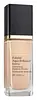
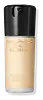
Estée Lauder Futurist Aqua Brilliance Foundation Versus Mac Cosmetics Studio Radiance Serum-Powered Foundation

What's inside
What's inside
 Key Ingredients
Benefits
Concerns
Ingredients Side-by-side
Water
Skin ConditioningPhenyl Trimethicone
Skin Conditioning
Dimethicone
Emollient
Methyl Trimethicone
Skin Conditioning
Butylene Glycol
Humectant

Ethylhexyl Methoxycinnamate
UV Absorber


PEG/PPG-18/18 Dimethicone
Emulsifying
Caprylic/Capric Triglyceride
Masking
Isocetyl Alcohol
Emollient


PEG-10 Dimethicone
Skin Conditioning
Isohexadecane
EmollientTitanium Dioxide
Cosmetic Colorant
Sorbitan Sesquioleate
Emulsifying
Magnesium Sulfate
Tribehenin
Emollient
Sodium Hyaluronate
Humectant


Haberlea Rhodopensis Leaf Extract
Skin ConditioningBeta Vulgaris Root Extract
Skin ConditioningVaccinium Angustifolium Fruit Extract
Skin Protecting
Vaccinium Macrocarpon Fruit Extract
AstringentNarcissus Extract

Lepidium Meyenii Root Extract
Skin ConditioningWild Berry Extract
Yeast Extract
Skin ConditioningSimmondsia Chinensis Seed Oil
Emollient
Palmitoyl Tripeptide-1
Skin Conditioning

Glycerin
Humectant
Methyldihydrojasmonate
MaskingTriethyl Citrate
Masking
Methicone
Emollient
Cholesterol
Emollient
Ethylhexyl Palmitate
Emollient
Ethylhexylglycerin
Skin ConditioningCaprylyl Glycol
Emollient
Silica Dimethyl Silylate
EmollientPropylene Carbonate
SolventHydrogenated Lecithin
Emulsifying
Aluminum Hydroxide
EmollientLaureth-7
EmulsifyingPolysilicone-11

Polymethylsilsesquioxane
Disteardimonium Hectorite
StabilisingLinoleic Acid
Cleansing
Stearic Acid
Cleansing
Sorbitan Stearate
Emulsifying
Sorbitan Isostearate
Emulsifying
Calcium Chloride
AstringentSodium Sulfate

Magnesium Chloride
Potassium Nitrate
SoothingPotassium Phosphate
BufferingHydroxyacetophenone
Antioxidant
Tocopheryl Acetate
Antioxidant

BHT
Antioxidant
Ascorbyl Palmitate
Antioxidant
Tocopherol
Antioxidant
Sodium Dehydroacetate
Preservative
Phenoxyethanol
Preservative
Potassium Sorbate
Preservative
CI 77491
Cosmetic ColorantCI 77492
Cosmetic ColorantCI 77499
Cosmetic ColorantWater, Phenyl Trimethicone, Dimethicone, Methyl Trimethicone, Butylene Glycol, Ethylhexyl Methoxycinnamate, PEG/PPG-18/18 Dimethicone, Caprylic/Capric Triglyceride, Isocetyl Alcohol, PEG-10 Dimethicone, Isohexadecane, Titanium Dioxide, Sorbitan Sesquioleate, Magnesium Sulfate, Tribehenin, Sodium Hyaluronate, Haberlea Rhodopensis Leaf Extract, Beta Vulgaris Root Extract, Vaccinium Angustifolium Fruit Extract, Vaccinium Macrocarpon Fruit Extract, Narcissus Extract, Lepidium Meyenii Root Extract, Wild Berry Extract, Yeast Extract, Simmondsia Chinensis Seed Oil, Palmitoyl Tripeptide-1, Glycerin, Methyldihydrojasmonate, Triethyl Citrate, Methicone, Cholesterol, Ethylhexyl Palmitate, Ethylhexylglycerin, Caprylyl Glycol, Silica Dimethyl Silylate, Propylene Carbonate, Hydrogenated Lecithin, Aluminum Hydroxide, Laureth-7, Polysilicone-11, Polymethylsilsesquioxane, Disteardimonium Hectorite, Linoleic Acid, Stearic Acid, Sorbitan Stearate, Sorbitan Isostearate, Calcium Chloride, Sodium Sulfate, Magnesium Chloride, Potassium Nitrate, Potassium Phosphate, Hydroxyacetophenone, Tocopheryl Acetate, BHT, Ascorbyl Palmitate, Tocopherol, Sodium Dehydroacetate, Phenoxyethanol, Potassium Sorbate, CI 77491, CI 77492, CI 77499
Water
Skin ConditioningPhenyl Trimethicone
Skin Conditioning
Tricaprylin
Perfuming
Glycerin
Humectant
Butylene Glycol
Humectant
C9-12 Alkane
SolventLauryl PEG-9 Polydimethylsiloxyethyl Dimethicone
Skin Conditioning
Octyldodecanol
Emollient
Trimethylsiloxysilicate
Emollient
Polyglyceryl-2 Triisostearate
Emulsifying
Olea Europaea Fruit Oil
Masking
Simmondsia Chinensis Seed Oil
Emollient
PPG-12/Smdi Copolymer
EmollientC12-15 Alkyl Benzoate
AntimicrobialPEG/PPG/Polybutylene Glycol-8/5/3 Glycerin
HumectantPolymethylsilsesquioxane
Sodium Hyaluronate
Humectant
Hydrolyzed Sodium Hyaluronate
Skin Conditioning
Helianthus Annuus Seed Extract
Skin Conditioning
Cucumis Sativus Fruit Extract
Emollient
Tremella Fuciformis Sporocarp Extract
Antioxidant
Hordeum Vulgare Extract
EmollientTocopheryl Acetate
Antioxidant
Sorbitol
Humectant
Trehalose
Humectant
Lecithin
Emollient
Disteardimonium Hectorite
StabilisingOctyldodecyl Xyloside
EmulsifyingPropylene Glycol Dicaprate
EmollientPolyglyceryl-3 Diisostearate
Emulsifying
Triethyl Citrate
Masking
Disodium Stearoyl Glutamate
CleansingPvp
Emulsion StabilisingSilica
Abrasive

Polysorbate 60
Emulsifying
Sorbitan Isostearate
Emulsifying
Betaine
Humectant
Dimethicone
Emollient
Hdi/PPG/Polycaprolactone Crosspolymer
Synthetic Fluorphlogopite
Tin Oxide
Abrasive
PEG-30 Dipolyhydroxystearate
Emulsifying
Hydroxyethyl Acrylate/Sodium Acryloyldimethyl Taurate Copolymer
Emulsion StabilisingAluminum Dimyristate
Emulsion StabilisingCitric Acid
Buffering

Silica Dimethicone Silylate
Absorbent
Triethoxycaprylylsilane
Hydroxyacetophenone
Antioxidant
BHT
Antioxidant
Disodium EDTA
Caprylyl Glycol
Emollient
Sodium Dehydroacetate
Preservative
Potassium Sorbate
Preservative
Phenoxyethanol
Preservative
CI 77891
Cosmetic ColorantCI 77492
Cosmetic ColorantCI 77491
Cosmetic ColorantCI 77499
Cosmetic ColorantWater, Phenyl Trimethicone, Tricaprylin, Glycerin, Butylene Glycol, C9-12 Alkane, Lauryl PEG-9 Polydimethylsiloxyethyl Dimethicone, Octyldodecanol, Trimethylsiloxysilicate, Polyglyceryl-2 Triisostearate, Olea Europaea Fruit Oil, Simmondsia Chinensis Seed Oil, PPG-12/Smdi Copolymer, C12-15 Alkyl Benzoate, PEG/PPG/Polybutylene Glycol-8/5/3 Glycerin, Polymethylsilsesquioxane, Sodium Hyaluronate, Hydrolyzed Sodium Hyaluronate, Helianthus Annuus Seed Extract, Cucumis Sativus Fruit Extract, Tremella Fuciformis Sporocarp Extract, Hordeum Vulgare Extract, Tocopheryl Acetate, Sorbitol, Trehalose, Lecithin, Disteardimonium Hectorite, Octyldodecyl Xyloside, Propylene Glycol Dicaprate, Polyglyceryl-3 Diisostearate, Triethyl Citrate, Disodium Stearoyl Glutamate, Pvp, Silica, Polysorbate 60, Sorbitan Isostearate, Betaine, Dimethicone, Hdi/PPG/Polycaprolactone Crosspolymer, Synthetic Fluorphlogopite, Tin Oxide, PEG-30 Dipolyhydroxystearate, Hydroxyethyl Acrylate/Sodium Acryloyldimethyl Taurate Copolymer, Aluminum Dimyristate, Citric Acid, Silica Dimethicone Silylate, Triethoxycaprylylsilane, Hydroxyacetophenone, BHT, Disodium EDTA, Caprylyl Glycol, Sodium Dehydroacetate, Potassium Sorbate, Phenoxyethanol, CI 77891, CI 77492, CI 77491, CI 77499
Reviews
Ingredients Explained
These ingredients are found in both products.
Ingredients higher up in an ingredient list are typically present in a larger amount.
BHT is a synthetic antioxidant and preservative.
As an antioxidant, it helps your body fight off free-radicals. Free-radicals are molecules that may damage your skin cells.
As a preservative, it is used to stabilize products and prevent them from degrading. Specifically, BHT prevents degradation from oxidation.
The concerns related to BHT come from oral studies; this ingredient is currently allowed for use by both the FDA and EU.
However, it was recently restricted for use in the UK as of April 2024.
Learn more about BHTButylene Glycol (or BG) is used within cosmetic products for a few different reasons:
Overall, Butylene Glycol is a safe and well-rounded ingredient that works well with other ingredients.
Though this ingredient works well with most skin types, some people with sensitive skin may experience a reaction such as allergic rashes, closed comedones, or itchiness.
Learn more about Butylene GlycolCaprylyl Glycol is a humectant, skin conditioner, emollient, and preservative booster derived from either caprylic acid or synthetically created.
Typical use levels vary from 0.3-1% as a preservative booster and go up to 2% to condition skin.
Because it is not a free-fatty acid, this ingredient is fungal acne safe (there's nothing for Malassezia to feed on).
Learn more about Caprylyl GlycolCi 77491 is also hydrated iron III oxide. It's sole purpose is to give a red/pink hue to products.
Iron III oxides are classified as inorganic chemicals for coloring.
Synthetically created Ci 77491 is considered safer than those naturally found. This is because the synthetically created version may contain less impurities. Iron oxides are generally non-toxic and non-allergenic.
Learn more about CI 77491CI 77492 is also hydrated iron III oxide. It's sole purpose is to give a yellow hue to products.
Iron III oxides are classified as inorganic chemicals for coloring.
Synthetically created CI 77492 is considered safer than those naturally found. This is because the synthetically created version may contain less impurities. Iron oxides are generally non-toxic and non-allergenic.
Learn more about CI 77492Ci 77499 is also hydrated iron III oxide. It is created from mixing red and black iron oxides. This helps give shades of darkness to a product.
Iron III oxides are classified as inorganic chemicals for coloring.
Dimethicone is a type of synthetic silicone created from natural materials such as quartz. It is also known as polydimethylsiloxane.
What it does:
Dimethicone comes in different viscosities:
Depending on the viscosity, dimethicone has different properties.
Ingredients lists don't always show which type is used, so we recommend reaching out to the brand if you have questions about the viscosity.
This ingredient is unlikely to cause irritation because it does not get absorbed into skin. However, people with silicone allergies should be careful about using this ingredient.
Note: Dimethicone may contribute to pilling. This is because it is not oil or water soluble, so pilling may occur when layered with products. When mixed with heavy oils in a formula, the outcome is also quite greasy.
Learn more about DimethiconeDisteardimonium Hectorite comes from the clay mineral named hectorite. It is used to add thickness to a product.
It can also help stabilize a product by helping to disperse other ingredients.
Hectorite is a rare, white clay mineral.
Learn more about Disteardimonium HectoriteGlycerin (or glycerol) is a compound naturally found in your skin. It's a powerhouse humectant that pulls water into the stratum corneum.
Topically, glycerin does several things at once:
Your skin makes glycerin on its own (mostly from sebaceous oil breakdown) and shuttles it to your outermost layer of skin, or your epidermis, via aquaporin-3.
Aquaporin-3 is a transporter that is essential for normal skin hydration, elasticity, and repair. Interestingly, mice lacking in AQP3 have dry and less elastic skin that can be fully corrected with glycerin.
This ingredient is non-irritating, plays well with almost every ingredient, and works across all skin types. Typical use is anywhere between 3-10% but can go up to 79% in some leave-on products.
Just know very high concentrations (>40%) can feel tacky in low humidity.
Glycerin is the name for this ingredient in American English. British English uses Glycerol/Glycerine.
Learn more about GlycerinHydroxyacetophenone is antioxidant with skin conditioning and soothing properties. It also boosts the efficiency of preservatives.
Though naturally occuring in Norwegian spruce needles, this ingredient is usually synthetically created.
This ingredient is not irritating or sensitizing. Recent research also suggests it may have skin-brightening effects through tyrosinase inhibition.
Learn more about HydroxyacetophenonePhenoxyethanol is a preservative that has germicide, antimicrobial, and aromatic properties. Studies show that phenoxyethanol can prevent microbial growth. By itself, it has a scent that is similar to that of a rose.
It's often used in formulations along with Caprylyl Glycol to preserve the shelf life of products.
Phenyl Trimethicone is a silicon-based polymer. It is derived from silica.
Phenyl Trimethicone is used as an emollient and prevents products from foaming.
As an emollient, it helps trap moisture in the skin. It is considered an occlusive.
Learn more about Phenyl TrimethiconePolymethylsilsesquioxane is a silicone used as a film forming agent.
When applied to the skin, this ingredient creates an invisible film on the surface. This film still allows oxygen to pass through, but prevents moisture from escaping. This can help condition and hydrate the skin. It also leaves a silky feel when applied.
Polymethylsilsesquioxane has not been shown to clog pores. It has been deemed safe to use up to 55%, but most cosmetics use much less.
If you have concerns about using this ingredient, we recommend speaking with a professional.
Learn more about PolymethylsilsesquioxanePotassium Sorbate is a preservative used to prevent yeast and mold in products. It is commonly found in both cosmetic and food products.
This ingredient comes from potassium salt derived from sorbic acid. Sorbic acid is a natural antibiotic and effective against fungus.
Both potassium sorbate and sorbic acid can be found in baked goods, cheeses, dried meats, dried fruit, ice cream, pickles, wine, yogurt, and more.
You'll often find this ingredient used with other preservatives.
Learn more about Potassium SorbateJojoba oil is one of the most well-studied plant-derived ingredients in cosmetics. It is an emollient with a special structure.
Because it is made up of 97-98% wax esters, it closely mirrors the linear monoesters found in human sebum. This makes it skin compatible, non-greasy, and lightweight.
Unlike other plant oils, jojoba wax doesn't easily penetrate skin. It mostly works in the uppermost layers as an emollient. This just means it forms a light barrier on the skin to help retain moisture.
Formulations with jojoba esters up to 90% reduced transepidermal water loss (TEWL) and increased barrier recovery by 81% (outperforming bisabolol at 47%).
Besides barrier support, the science also suggests jojoba to have anti-inflammatory effects and potential applications for skin infections, aging, and wound healing.
Fun fact: Indigenous cultures have used jojoba as a moisturizer and to help treat burns for centuries.
Fungal acne: The Malassezia yeast is known to metabolize fatty acids in the C11-24 range and jojoba's dominant fatty acid components fall into this range. This ingredient may not be fungal acne safe.
Learn more about Simmondsia Chinensis Seed OilSodium Dehydroacetate is a synthetic preservative and sodium salt form of dehydroacetic acid. It stops bacteria, mold, and yeast from growing in your products at low concentrations.
Clinical testing found it to be non-irritating, non-sensitizing, and non-photosensitizing. It's also not significantly absorbed through skin.
There are a very small number of reported cases of contact dermatitis in cases linked to wound-care creams used over compromised skin (rather than skincare).
Overall, this is a well-studied and low-risk preservative just doing its job.
Typical concentrations run up to 0.6%, which is also the maximum amount permitted under both EU CosIng regulations and US FDA guidelines.
Learn more about Sodium DehydroacetateSodium Hyaluronate is the salt form of hyaluronic acid. It is a long sugar chain that is naturally found in your skin, joints, and connective tissue that maintains hydration and elasticity.
In skincare, it works as a humectant. It pulls water from the environment and deeper layers of skin and binds it to the surface.
Interestingly, the size of the molecule affects its behavior:
Some clinical evidence links low molecular weight versions to improved wrinkle depth, elasticity, anti-inflammatory effects, and barrier repair.
Many serums use a blend of both weights so you can get surface hydration plus longer-lasting and deeper effects.
You'll typically see concentrations between 0.1-2% for this ingredient.
Learn more about Sodium HyaluronateSorbitan Isostearate is an emulsifer. It is created from isostearic acid and sorbitol.
As an emulsifier, it keeps the water and oil ingredients from separating. This keeps formulas stable and smooth.
In a 24 hour occlusive patch test on 56 subjects, 10% sorbitan isostearate was completely non-irritating. Most formulas use less than 10%.
Because it's a fatty acid ester, it may not be fungal acne safe since the Malassezia yeast can utilize it as a nutrient source.
Learn more about Sorbitan IsostearateTocopheryl Acetate is AKA Vitamin E. It is an antioxidant and protects your skin from free radicals. Free radicals damage the skin by breaking down collagen.
One study found using Tocopheryl Acetate with Vitamin C decreased the number of sunburned cells.
Tocopheryl Acetate is commonly found in both skincare and dietary supplements.
Learn more about Tocopheryl AcetateTriethyl Citrate comes from citric acid. It has masking, perfuming, and solvent properties. As a solvent, this ingredient helps disperse ingredients evenly in skincare.
One manufacturer claims this ingredient can:
According to perfume manufacturers, this ingredient is almost odorless but has a mild fruity, wine and plum scent. It can be used to mask the scent of other ingredients.
This ingredient can be plant-sourced or synthetic; it can naturally be found in cabbage and white wine.
Learn more about Triethyl CitrateWater. It's the most common cosmetic ingredient of all. You'll usually see it at the top of ingredient lists, meaning that it makes up the largest part of the product.
So why is it so popular? Water most often acts as a solvent - this means that it helps dissolve other ingredients into the formulation.
You'll also recognize water as that liquid we all need to stay alive. If you see this, drink a glass of water. Remember to stay hydrated!
Learn more about Water
