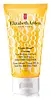
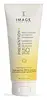
Elizabeth Arden Eight Hour® Cream Sun Defense for Face SPF 50 Sunscreen Versus IMAGE skincare Prevention+ Daily Ultimate Protection Moisturizer SPF 50
This hybrid sunscreen covers the full UV range and blocks ~98% of UVB at SPF 50.
This sunscreen offers SPF 50 protection with a matte finish that helps control shine.

What's inside
What's inside
 Key Ingredients
Benefits
Concerns
Ingredients Side-by-side
Zinc Oxide 11.62%
Cosmetic Colorant


Ethylhexyl Methoxycinnamate 7.4%
UV Absorber
Ethylhexyl Salicylate 5%
UV Absorber
Water
Skin ConditioningC12-15 Alkyl Benzoate
AntimicrobialIsodecyl Neopentanoate
EmollientNeopentyl Glycol Diheptanoate
EmollientMagnesium Aluminum Silicate
Absorbent
Glyceryl Stearate
Emollient

PEG-100 Stearate
Surfactant
Caprylyl Glycol
Emollient
Arachidyl Alcohol
Emollient
Polyhydroxystearic Acid
Emulsifying
Arachidyl Glucoside
EmulsifyingTriethoxycaprylylsilane

Behenyl Alcohol
Emollient
Xanthan Gum
EmulsifyingBHT
Antioxidant
Disodium EDTA
ChelatingParfum
Masking


Citral
Perfuming
Citronellol
Perfuming
Geraniol
Perfuming
Limonene
Perfuming
Linalool
Perfuming
Methylparaben
Preservative

Phenoxyethanol
Preservative
Isoamyl P-Methoxycinnamate
UV Absorber
Diethylamino Hydroxybenzoyl Hexyl Benzoate
UV Filter
Cyclopentasiloxane
Emollient
Silica
Abrasive

Methylene Bis-Benzotriazolyl Tetramethylbutylphenol
UV Filter
Potassium Cetyl Phosphate
EmulsifyingDicaprylyl Carbonate
EmollientDibutyl Adipate
EmollientBis-Ethylhexyloxyphenol Methoxyphenyl Triazine
UV Absorber
Ethylhexyl Triazone
UV Absorber
Cetyl Dimethicone
Emollient
Triethylhexanoin
MaskingGlycerin
Humectant


Acrylates Copolymer
Oryza Sativa
Biosaccharide Gum-4
Skin Conditioning
Butylene Glycol
Humectant
Cetyl Alcohol
Emollient
Cyclohexasiloxane
Emollient
Decyl Glucoside
Cleansing
Dimethicone Crosspolymer
Emulsion Stabilising
Ethylhexylglycerin
Skin ConditioningHydrogenated Palm Glycerides Citrate
Emollient
Hydrolyzed Soy Protein
Humectant
Hydrolyzed Wheat Protein
Skin ConditioningPhenylpropanol
Masking
Propylene Glycol
Humectant
Schizophyllan
HumectantSodium Polyacrylate
Absorbent
Sorbitan Stearate
Emulsifying
Tocopherol
Antioxidant




Tocopheryl Acetate
Antioxidant
Triethanolamine
BufferingTripeptide-1
Skin Conditioning
Benzyl Alcohol
Perfuming
Ethylparaben
Preservative
O-Cymen-5-Ol
Antimicrobial
Propylparaben
Preservative
Zinc Oxide 11.62%, Ethylhexyl Methoxycinnamate 7.4%, Ethylhexyl Salicylate 5%, Water, C12-15 Alkyl Benzoate, Isodecyl Neopentanoate, Neopentyl Glycol Diheptanoate, Magnesium Aluminum Silicate, Glyceryl Stearate, PEG-100 Stearate, Caprylyl Glycol, Arachidyl Alcohol, Polyhydroxystearic Acid, Arachidyl Glucoside, Triethoxycaprylylsilane, Behenyl Alcohol, Xanthan Gum, BHT, Disodium EDTA, Parfum, Citral, Citronellol, Geraniol, Limonene, Linalool, Methylparaben, Phenoxyethanol, Isoamyl P-Methoxycinnamate, Diethylamino Hydroxybenzoyl Hexyl Benzoate, Cyclopentasiloxane, Silica, Methylene Bis-Benzotriazolyl Tetramethylbutylphenol, Potassium Cetyl Phosphate, Dicaprylyl Carbonate, Dibutyl Adipate, Bis-Ethylhexyloxyphenol Methoxyphenyl Triazine, Ethylhexyl Triazone, Cetyl Dimethicone, Triethylhexanoin, Glycerin, Acrylates Copolymer, Oryza Sativa, Biosaccharide Gum-4, Butylene Glycol, Cetyl Alcohol, Cyclohexasiloxane, Decyl Glucoside, Dimethicone Crosspolymer, Ethylhexylglycerin, Hydrogenated Palm Glycerides Citrate, Hydrolyzed Soy Protein, Hydrolyzed Wheat Protein, Phenylpropanol, Propylene Glycol, Schizophyllan, Sodium Polyacrylate, Sorbitan Stearate, Tocopherol, Tocopheryl Acetate, Triethanolamine, Tripeptide-1, Benzyl Alcohol, Ethylparaben, O-Cymen-5-Ol, Propylparaben
Water
Skin ConditioningCaprylic/Capric Triglyceride
Masking
Glycerin
Humectant
Cyclopentasiloxane
Emollient
Cetyl PEG/PPG-10/1 Dimethicone
Emulsifying
Thermus Thermophillus Ferment
Skin ConditioningPolyacrylate-13
Cetearyl Ethylhexanoate
Emollient
Phenoxyethanol
Preservative
Polyisobutene
Polyglyceryl-6 Polyricinoleate
Emulsifying
Lecithin
Emollient
Isostearic Acid
Cleansing
Polyglyceryl-3 Polyricinoleate
Emulsifying
Polyhydroxystearic Acid
Emulsifying
Sodium Chloride
MaskingCetearyl Dimethicone
Emollient
Marrubium Vulgare Extract
Skin ConditioningHelianthus Annuus Seed Oil
Emollient
Xanthan Gum
EmulsifyingPolyglyceryl-2 Isostearate
Emulsifying
Disteardimonium Hectorite
StabilisingPolysorbate 20
Emulsifying
Citrus Aurantium Dulcis Peel Oil
Masking
Limonene
Perfuming
Sorbitan Isostearate
Emulsifying
Ethylhexylglycerin
Skin ConditioningPanthenol
Skin Conditioning
Citrus Nobilis Peel Oil
Masking
Disodium EDTA
ChelatingSodium Hyaluronate
Humectant
Melanin
Skin ProtectingErythritol
Humectant
Citric Acid
Buffering
Vanilla Planifolia Fruit Extract
Skin Conditioning
Glucose
Humectant
Potassium Sorbate
Preservative
Hydrolyzed Pea Protein
EmollientTocopherol
Antioxidant
PEG-8/Smdi Copolymer
Tetrahexyldecyl Ascorbate
Antioxidant

Tocopheryl Acetate
Antioxidant
Barosma Betulina Leaf Oil
Perfuming
Sodium Benzoate
Masking
Homarine Hcl
Skin ConditioningPentaerythrityl Tetra-Di-T-Butyl Hydroxyhydrocinnamate
Antioxidant
Sodium Succinate
BufferingMalus Domestica Fruit Cell Culture Extract
Skin ConditioningArabidopsis Thaliana Extract
Antioxidant
Micrococcus Lysate
Skin ConditioningPlankton Extract
Skin ConditioningErgothioneine
Antioxidant
Water, Caprylic/Capric Triglyceride, Glycerin, Cyclopentasiloxane, Cetyl PEG/PPG-10/1 Dimethicone, Thermus Thermophillus Ferment, Polyacrylate-13, Cetearyl Ethylhexanoate, Phenoxyethanol, Polyisobutene, Polyglyceryl-6 Polyricinoleate, Lecithin, Isostearic Acid, Polyglyceryl-3 Polyricinoleate, Polyhydroxystearic Acid, Sodium Chloride, Cetearyl Dimethicone, Marrubium Vulgare Extract, Helianthus Annuus Seed Oil, Xanthan Gum, Polyglyceryl-2 Isostearate, Disteardimonium Hectorite, Polysorbate 20, Citrus Aurantium Dulcis Peel Oil, Limonene, Sorbitan Isostearate, Ethylhexylglycerin, Panthenol, Citrus Nobilis Peel Oil, Disodium EDTA, Sodium Hyaluronate, Melanin, Erythritol, Citric Acid, Vanilla Planifolia Fruit Extract, Glucose, Potassium Sorbate, Hydrolyzed Pea Protein, Tocopherol, PEG-8/Smdi Copolymer, Tetrahexyldecyl Ascorbate, Tocopheryl Acetate, Barosma Betulina Leaf Oil, Sodium Benzoate, Homarine Hcl, Pentaerythrityl Tetra-Di-T-Butyl Hydroxyhydrocinnamate, Sodium Succinate, Malus Domestica Fruit Cell Culture Extract, Arabidopsis Thaliana Extract, Micrococcus Lysate, Plankton Extract, Ergothioneine
Reviews
Ingredients Explained
These ingredients are found in both products.
Ingredients higher up in an ingredient list are typically present in a larger amount.
Cyclopentasiloxane (D5) is a lightweight silicone that mostly acts as an emollient and solvent in cosmetics. Its the reason your products feel silky, fast-spreading, and non-greasy.
Since D5 is volatile, it does its thing and then evaporates off the skin quickly.
The safety profile of this ingredient is reassuring; the US CIR Expert Panel concluded D5 is safe as used in cosmetics and Health Canada concluded that D5 is not harmful to human health or the environment as currently used in cosmetics
There's a study that people mention about D5 in a rat study showing tumors. This study is related to long-term inhalation of high D5 levels.
Regulatory bodies have judged this study to be not applicable in topical skincare since skin absorption of D5 is very low and we're not really inhaling huge amounts of D5.
The only restriction for this ingredient is environmental. The European Chemicals Agency (ECHA) restricted D5 in wash-off cosmetics at or above 0.1% due to their persistence in water.
Learn more about CyclopentasiloxaneDisodium EDTA is a chelating agent. It grabs onto and deactivates metal ions that sneak into your products from water, packaging, or air.
This ingredient mainly works behind the scenes and helps with:
On top of that, this ingredient can counteract the effects of hard water by binding to the minerals in it.
One thing worth knowing is that Disodium EDTA has been shown to be a mild penetration enhancer. It can help other ingredients absorb into skin more effectively which can be a double-edged sword (great for actives, but can also make the active too strong if you have sensitive skin).
Clinical patch testing showed no significant skin irritation at typical use concentrations and minimal dermal absorption.
You'll most likely see this ingredient near the end of an ingredient list. It's typically found in concentrations less than 1%.
Learn more about Disodium EDTAEthylhexylglycerin is created from glycerin. It is a multitasker ingredient that:
The CIR Expert Panel found minimal skin absorption or sensitization of any kind in a safety assessment. Though this ingredient is considered well-tolerated, a small number of cases of allergic dermatitis have been published since 2002. Just be sure to patch test if you are unsure.
Industry-reported use ranges from 8% in rinse-off products and 2% in leave-on formulations.
Learn more about EthylhexylglycerinGlycerin (or glycerol) is a compound naturally found in your skin. It's a powerhouse humectant that pulls water into the stratum corneum.
Topically, glycerin does several things at once:
Your skin makes glycerin on its own (mostly from sebaceous oil breakdown) and shuttles it to your outermost layer of skin, or your epidermis, via aquaporin-3.
Aquaporin-3 is a transporter that is essential for normal skin hydration, elasticity, and repair. Interestingly, mice lacking in AQP3 have dry and less elastic skin that can be fully corrected with glycerin.
This ingredient is non-irritating, plays well with almost every ingredient, and works across all skin types. Typical use is anywhere between 3-10% but can go up to 79% in some leave-on products.
Just know very high concentrations (>40%) can feel tacky in low humidity.
Glycerin is the name for this ingredient in American English. British English uses Glycerol/Glycerine.
Learn more about GlycerinLimonene is the compound that gives citrus peel its smell.
In skincare, it shows up as a standalone fragrance ingredient or as a natural compound of citrus and other essential oils.
You'll typically see this ingredient used in very small amounts; anything above 0.001% in a leave-on product or 0.01% in a rinse-off has to be named on the label in the EU. The citrus oils that carry it sit around 0.5-1% in a finished formula.
Fresh limonene is a weak allergen; the real issue is that it slowly reacts with air and then breaks down from oxidation to create hydroperoxides (which are strong sensitizers). This is why suppliers are required to keep the peroxide value below 20 mmol.
Positive reactions in people being investigated for eczema vary:
It's worth skipping if you have a known fragrance allergy or a compromised barrier, but the risk is low for most people.
Older or long-opened products are also more likely to bother you than fresh ones due to oxidation.
Learn more about LimonenePhenoxyethanol is one of the most widely used preservatives in skincare (and for good reason!).
It has a large spectrum of antimicrobial activity and especially effective bacteria, yeast, and mold while only having a weak effect on your skin's natural microbiome.
On a cellular level, it disrupts the cell membranes of microbes by poking holes that make the cell leak. This shuts down the chemical reactions the microbe needs to make energy so it can no longer survive.
Another perk of this ingredient is that it stays functional across a wide pH range (3-10).
You'll often see it paired with boosters like Ethylhexylglycerin; one study showed that a 1:9 ratio of Ethylhexylglycerin to Phenoxyethanol damages bacterial membranes as effectively as doubling the Phenoxyethanol concentration on its own.
Typical use concentrations range from 0.3-1% depending on the formula, and this ingredient is capped at 1% int the EU.
Safety-wise, the fear mongering does not hold up to the evidence. The EU's Scientific Committee on Consumer Safety and FDA consider it safe as a preservative at up to 1%, including for children of all ages.
Adverse systemic effects only showed up in animal studies at exposures roughly 200x higher than what people get from cosmetics. And despite its very widespread use, this ingredient is a rare sensitizer and allergic reactions are uncommon.
Learn more about PhenoxyethanolPolyhydroxystearic Acid is a vegetable-derived soft wax made from castor oil. It's an emulsion stabilizer, thickener, and film former.
You'll likely see it in sunscreens because it helps disperse pigments and UV-reflecting minerals like titanium dioxide and zinc oxide evenly.
Depending on the concentration, it can drastically change the texture of a product from pasty solid (like lipstick) to sprayable liquid.
The CIR Expert Panel for Cosmetic Ingredient Safety has concluded this ingredient to be safe in cosmetics. The highest reported use concentration is 14.2% in lipsticks.
Learn more about Polyhydroxystearic AcidTocopherol is a fat-soluble antioxidant known as Vitamin E.
You'll find this ingredient in the vast majority of skincare (for good reason). It works to neutralize free radicals, or unstable molecules generated by UV exposure, pollution, and other environmental stressors, before they can cause oxidative damage to your skin cells.
Topically applied tocopherol has been shown to protect against UV damage by ramping up the skin's own natural defense enzymes.
It also acts as a skin conditioning agent; some studies show that regular topical use can improve the skin's water-binding capacity over 2-4 weeks.
This ingredient is especially loved for being a team player. When combined with Vitamin C, the photoprotective effect of both ingredients roughly doubles and the combo also helps reduce UV-induced DNA damage.
This ingredient has some brightening potential but it's more of a prevention ingredient than spot-fader. Cell studies show it can slow down melanin production but it's worth noting that it's not the most powerful brightener out there.
In formulations, it also serves as a stabilizer that helps protect other oxidation-prone ingredients from degrading.
Concentrations usually range from 0.1-1% in most leave-on products.
Learn more about TocopherolTocopheryl Acetate is a stable, shelf-friendly form of vitamin E.
Formulators love it because plain vitamin E oxidizes quickly once it hits air. This acetate version stays stable and resists going off, helping to extend a product's shelf life.
It's actually inactive on its own and works like a slow-release "storage" form; the enzymes in your skin called esterases gradually convert it into active vitamin E over time.
One in vivo study showed 5% of the acetate in the living layer of the epidermis converted to vitamin E after 5 days of application. This study also found the skin gained protection against UV damage even though the conversion was slow and small.
Once converted, vitamin E acts as a skin's main fat-soluble antioxidant that fights free radicals to protect skin from damage.
Topical vitamin E generally boosts the skin's photoprotection, and it reduced UV-damage in animal models.
This ingredient has some brightening potential but it's more of a prevention ingredient than spot-fader. Cell studies show it can slow down melanin production but it's worth noting that it's not the most powerful brightener out there.
Overall, it has a pretty solid safety profile and has been found to be non-irritating and non-comedogenic. Allergic reactions may happen but stay rare due to how widely the ingredient gets used.
The concentration will vary depending on the formula; industry data shows 0.1% in baby lotions, 3% in lipsticks, and 5% in foot powders. You can also find this ingredient at 100% in a pure vitamin E oil.
Most leave-on skincare keeps it at the lower end, often between 0.5-1%.
Learn more about Tocopheryl AcetateWater. It's the most common cosmetic ingredient of all. You'll usually see it at the top of ingredient lists, meaning that it makes up the largest part of the product.
So why is it so popular? Water most often acts as a solvent - this means that it helps dissolve other ingredients into the formulation.
You'll also recognize water as that liquid we all need to stay alive. If you see this, drink a glass of water. Remember to stay hydrated!
Learn more about WaterXanthan gum is used as a stabilizer and thickener within cosmetic products. It helps give products a sticky, thick feeling - preventing them from being too runny.
On the technical side of things, xanthan gum is a polysaccharide - a combination consisting of multiple sugar molecules bonded together.
Xanthan gum is a pretty common and great ingredient. It is a natural, non-toxic, non-irritating ingredient that is also commonly used in food products.
Learn more about Xanthan Gum

