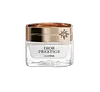
This anti-aging moisturizer is formulated around Squalane and Urea to soften the look of wrinkles and hydrate skin.
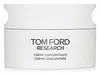
This barrier-repair moisturizer is formulated around Cholesterol and Caffeine to strengthen the skin barrier and hydrate skin.


What's inside
What's inside
 Key Ingredients
Benefits
Concerns
Ingredients Side-by-side
Water
Skin ConditioningGlycerin
Humectant


Dicaprylyl Ether
Emollient
Squalane
Emollient
Cetearyl Alcohol
Emollient






Urea
Buffering

Caprylic/Capric Triglyceride
Masking
Pentylene Glycol
Skin Conditioning
Hydrogenated Coco-Glycerides
Emollient
Glyceryl Stearate
Emollient
Silica
Abrasive


Glycine
Buffering
Rose Extract
Skin ConditioningMalva Sylvestris Extract
AstringentAvena Sativa Kernel Extract
Abrasive


Tocopheryl Acetate
Antioxidant

Sodium Hyaluronate
Humectant
Adenosine
Skin Conditioning
Lactic Acid
Buffering


Butyrospermum Parkii Butter
Skin Conditioning
Cetearyl Glucoside
Emulsifying
Polyglycerin-6
HumectantParfum
Masking

Sodium Stearoyl Glutamate
CleansingBehenyl Alcohol
Emollient
Chlorphenesin
Antimicrobial
Polyglycerin-10
HumectantCocoglycerides
Emollient
Xanthan Gum
EmulsifyingHelianthus Annuus Seed Oil
Emollient
CI 77891
Cosmetic ColorantSodium Hydroxide
BufferingSodium Benzoate
Masking
Glucose
Humectant
Potassium Sorbate
Preservative
Citric Acid
Buffering
CI 77491
Cosmetic ColorantTocopherol
Antioxidant
Acetyl Hexapeptide-8
Humectant
Tin Oxide
Abrasive
Glycine Soja Oil
Emollient
Carbomer
Emulsion StabilisingDimethicone
Emollient
Caprylyl Glycol
Emollient
Cetyl Palmitate
Emollient
Palmitoyl Tetrapeptide-7
Skin Conditioning
Water, Glycerin, Dicaprylyl Ether, Squalane, Cetearyl Alcohol, Urea, Caprylic/Capric Triglyceride, Pentylene Glycol, Hydrogenated Coco-Glycerides, Glyceryl Stearate, Silica, Glycine, Rose Extract, Malva Sylvestris Extract, Avena Sativa Kernel Extract, Tocopheryl Acetate, Sodium Hyaluronate, Adenosine, Lactic Acid, Butyrospermum Parkii Butter, Cetearyl Glucoside, Polyglycerin-6, Parfum, Sodium Stearoyl Glutamate, Behenyl Alcohol, Chlorphenesin, Polyglycerin-10, Cocoglycerides, Xanthan Gum, Helianthus Annuus Seed Oil, CI 77891, Sodium Hydroxide, Sodium Benzoate, Glucose, Potassium Sorbate, Citric Acid, CI 77491, Tocopherol, Acetyl Hexapeptide-8, Tin Oxide, Glycine Soja Oil, Carbomer, Dimethicone, Caprylyl Glycol, Cetyl Palmitate, Palmitoyl Tetrapeptide-7
Water
Skin ConditioningDimethicone
Emollient
Petrolatum
Emollient
Butylene Glycol
Humectant
Glyceryl Distearate
Emollient
Hydrogenated Vegetable Oil
Emollient
Cholesterol
Emollient
Steareth-10
Emulsifying
Polysilicone-11
Glyceryl Stearate Se
Emulsifying
Glycerin
Humectant
Sodium Polyaspartate
HumectantCaffeine
Skin Conditioning
Isocetyl Stearoyl Stearate
Emollient
Diethylhexyl Succinate
EmollientAcetyl Glucosamine
Skin Conditioning
Theobroma Cacao Seed Extract
Antioxidant
Theobroma Cacao Seed Butter
Emollient
Butyrospermum Parkii Butter
Skin Conditioning
Astrocaryum Murumuru Seed Butter
Emollient
Chlorella Vulgaris Extract
Skin ConditioningCamellia Sinensis Leaf Extract
Antimicrobial
Resveratrol
Antioxidant
Salicylic Acid
Masking


Salicornia Herbacea Extract
Skin ConditioningMaris Sal
Skin ConditioningAlgae Extract
Emollient
Crithmum Maritimum Extract
Skin ConditioningWhey Protein
Skin ConditioningDipotassium Glycyrrhizate
Humectant
Dipalmitoyl Hydroxyproline
Skin Conditioning
Lactobacillus Ferment
Skin Conditioning
Laminaria Digitata Extract
Skin Protecting
Lactoperoxidase
StabilisingGlucose Oxidase
StabilisingUrea
Buffering
Bisabolol
Antioxidant
Alcaligenes Polysaccharides
EmollientDistearyldimonium Chloride
Retinyl Palmitate
Skin Conditioning
Trisiloxane
Skin Conditioning
Cetyl Alcohol
Emollient
Acetyl Hexapeptide-8
Humectant
Polyacrylamide
Sodium Hyaluronate
Humectant
Sucrose
Humectant
C13-14 Isoparaffin
Emollient
Hydrolyzed Algin
Glucose
Humectant
Trehalose
Humectant
Caprylic/Capric Triglyceride
Masking
Faex Extract
Skin ConditioningTocopheryl Acetate
Antioxidant
Tetrahexyldecyl Ascorbate
Antioxidant
Glycine Soja Seed Extract
Skin Conditioning
Propylene Glycol Caprylate
Skin ConditioningSodium PCA
Humectant
Citric Acid
Buffering
Polysorbate 40
Emulsifying
Laureth-7
EmulsifyingPolyquaternium-51
Skin Conditioning
Disodium EDTA
BHT
Antioxidant
Potassium Sorbate
Preservative
Phenoxyethanol
Preservative
CI 14700
Cosmetic ColorantCI 77891
Cosmetic ColorantWater, Dimethicone, Petrolatum, Butylene Glycol, Glyceryl Distearate, Hydrogenated Vegetable Oil, Cholesterol, Steareth-10, Polysilicone-11, Glyceryl Stearate Se, Glycerin, Sodium Polyaspartate, Caffeine, Isocetyl Stearoyl Stearate, Diethylhexyl Succinate, Acetyl Glucosamine, Theobroma Cacao Seed Extract, Theobroma Cacao Seed Butter, Butyrospermum Parkii Butter, Astrocaryum Murumuru Seed Butter, Chlorella Vulgaris Extract, Camellia Sinensis Leaf Extract, Resveratrol, Salicylic Acid, Salicornia Herbacea Extract, Maris Sal, Algae Extract, Crithmum Maritimum Extract, Whey Protein, Dipotassium Glycyrrhizate, Dipalmitoyl Hydroxyproline, Lactobacillus Ferment, Laminaria Digitata Extract, Lactoperoxidase, Glucose Oxidase, Urea, Bisabolol, Alcaligenes Polysaccharides, Distearyldimonium Chloride, Retinyl Palmitate, Trisiloxane, Cetyl Alcohol, Acetyl Hexapeptide-8, Polyacrylamide, Sodium Hyaluronate, Sucrose, C13-14 Isoparaffin, Hydrolyzed Algin, Glucose, Trehalose, Caprylic/Capric Triglyceride, Faex Extract, Tocopheryl Acetate, Tetrahexyldecyl Ascorbate, Glycine Soja Seed Extract, Propylene Glycol Caprylate, Sodium PCA, Citric Acid, Polysorbate 40, Laureth-7, Polyquaternium-51, Disodium EDTA, BHT, Potassium Sorbate, Phenoxyethanol, CI 14700, CI 77891
Reviews
Ingredients Explained
These ingredients are found in both products.
Ingredients higher up in an ingredient list are typically present in a larger amount.
Acetyl Hexapeptide-8 (also known as Argireline) is a synthetic hexapeptide that is often called a "topical Botox alternative".
It works by mimicking how Botox relaxes muscles; it interferes with the signaling process that tells your facial muscles to contract. This can help soften expression lines like forehead wrinkles or crow's feet over time.
The comparison to Botox does have limits because the molecule is water-loving and relatively large.
Acetyl Hexapeptide-8 has a hard time absorbing deeply enough through the skin's outer barrier to actually reach the muscles.
So whether it truly works the way Botox does at a biological level is still up for debate, but early clinical outcomes are fairly encouraging.
A 12 week human study of a multi-ingredient regimen containing this ingredient saw:
While some studies have observed improvements in wrinkle appearance, it is important to note that more consistent results are seen in multi-ingredient formulations (vs just Acetyl Hexapeptide-8 alone).
Some research studies also used higher concentrations (up to 10%) while this ingredient is usually found in concentrations up to 0.005% in leave-on formulations.
Learn more about Acetyl Hexapeptide-8This ingredient is also known as shea butter. It is a plant-derived extract from the nuts of the Africa shea tree and one of the most well-studied emollients.
Because it has a high concentration of fatty acids (primarily oleic, stearic, and linoleic) it is able to form a protective barrier on the skin's surface. This helps seal in moisture and prevents transepidermal water loss (TEWL).
In vitro research found an increase in skin hydration by 58% and a decrease in TEWL by 37.8% after 24 hours of applying this ingredient (pretty impressive for a single ingredient!).
Besides hydration, shea butter also contains triterpenes that have anti-inflammatory potential. In particule, lupeol cinnamate has shown the highest anti-inflammatory activity in vivo.
Shea butter also contains vitamins A and E which may contribute to antioxidant activity.
While Shea Butter has an SPF rating of about 3-4, it is not a sunscreen replacement.
This ingredient may not be fungal acne safe because its fatty acids fall within the C11-C24 range that the Malassezia yeast can metabolize.
This ingredient shows up on a lot of "pore-clogging" lists but there's no real evidence behind that. It doesn't even have a comedogenic rating from an actual study; the numbers you'll find online come from blogs citing other blogs.
Ratings for other ingredients mostly come from a 1980s rabbit ear test. This test doesn't translate well to human skin or to real products because the ingredient sits at a much lower percentage.
Some people still find it breaks them out. So if that's you, definitely trust your skin. Just know this one's based on experience and not evidence.
Learn more about Butyrospermum Parkii ButterCaprylic/Capric Triglyceride (aka MCT Oil) is a lightweight emollient, solvent, and texture enhancer. It is considered a skin-softener by helping to prevent moisture loss.
Though it behaves like an oil, it is not technically one due to its chemical composition. One perk of this ingredient is that it is very stable, resistant to oxidation, and unlikely to go rancid.
In practice, that translates to a long shelf life and a consistently elegant skin feel.
While there is an assumption Caprylic Triglyceride can clog pores due to it being derived from coconut oil, there is no research supporting this. Just patch test if you have concerns.
Fractionated coconut oil and MCT Oil are both listed as Caprylic/Capric Triglyceride according to INCI. This is because INCI names are based on the ingredient’s final chemical composition and not its marketing name or source.
This ingredient is treated as the gold standard fungal acne safe oil. Even though it is coconut derived, the problematic lauric acid is stripped out.
This leaves just caprylic (C8) and capric (C10) acid. These chain lengths actually trend antifungal; a 2020 study found caprylic acid was enough to disrupt Malassezia furfur cell membrane, with a caprylic acid derivative damaging membrane structures at concentrations as low as 0.2%.
Learn more about Caprylic/Capric TriglycerideCi 77891 is a white pigment from Titanium dioxide. It is naturally found in minerals such as rutile and ilmenite.
It's main function is to add a white color to cosmetics. It can also be mixed with other colors to create different shades.
Ci 77891 is commonly found in sunscreens due to its ability to block UV rays.
Learn more about CI 77891Citric Acid is an alpha hydroxy acid (AHA) naturally found in citrus fruits like oranges, lemons, and limes.
Like other AHAs, citric acid can exfoliate skin by breaking down the bonds that hold dead skin cells together. This helps reveal smoother and brighter skin underneath.
However, this exfoliating effect only happens at high concentrations (20%) which can be hard to find in cosmetic products.
Due to this, citric acid is usually included in small amounts as a pH adjuster. This helps keep products slightly more acidic and compatible with skin's natural pH.
In skincare formulas, citric acid can:
While it can provide some skin benefits, research shows lactic acid and glycolic acid are generally more effective and less irritating exfoliants.
Most citric acid used in skincare today is made by fermenting sugars (usually from molasses). This synthetic version is identical to the natural citrus form but easier to stabilize and use in formulations.
Rosacea skin has a lower threshold for acids generally, with 62.5% of rosacea subjects in one study reacting to lactic acid in a sting test. This is why we mark citric acid as a potential rosacea trigger.
However, this ingredient shows up as a pH adjuster or chelator at roughly 0.1-1% in many products. These low levels are unlikely to be an issue for rosacea skin and becomes a potential trigger at exfoliating concentrations (20%). Because everybody's skin is unique, we recommend a patch test if you are unsure.
Learn more about Citric AcidDimethicone is a type of synthetic silicone created from natural materials such as quartz. It is also known as polydimethylsiloxane.
What it does:
Dimethicone comes in different viscosities:
Depending on the viscosity, dimethicone has different properties.
Ingredients lists don't always show which type is used, so we recommend reaching out to the brand if you have questions about the viscosity.
This ingredient is unlikely to cause irritation because it does not get absorbed into skin. However, people with silicone allergies should be careful about using this ingredient.
Note: Dimethicone may contribute to pilling. This is because it is not oil or water soluble, so pilling may occur when layered with products. When mixed with heavy oils in a formula, the outcome is also quite greasy.
Learn more about DimethiconeGlucose is a simple sugar (a monosaccharide). In skincare, it is mostly a humectant and skin conditioning agent.
Mechanistically, it has multiple hydroxyl groups that hydrogen-bond to water. This pulls moisture into the upper layers of skin to keep the surface soft and hydrated.
It's worth knowing sugars are already a natural component of the skin's NMF (natural moisturizing factor) so it's a molecule that your stratum corneum is well-acquainted with.
Just so you know, glucose is hydrophilic (water-loving) and the stratum corneum is a strong barrier to hydrophilic compounds. This just means penetration is slow and most of the action is happening on the surface.
Gram-to-gram, glucose is not as efficient as a humectant as glycerin. This is why you'll likely see glycose paired with stronger humectants for a bigger hydration payoff.
In skincare, glucose is typically derived from corn or other starch sources.
Learn more about GlucoseGlycerin (or glycerol) is a compound naturally found in your skin. It's a powerhouse humectant that pulls water into the stratum corneum.
Topically, glycerin does several things at once:
Your skin makes glycerin on its own (mostly from sebaceous oil breakdown) and shuttles it to your outermost layer of skin, or your epidermis, via aquaporin-3.
Aquaporin-3 is a transporter that is essential for normal skin hydration, elasticity, and repair. Interestingly, mice lacking in AQP3 have dry and less elastic skin that can be fully corrected with glycerin.
This ingredient is non-irritating, plays well with almost every ingredient, and works across all skin types. Typical use is anywhere between 3-10% but can go up to 79% in some leave-on products.
Just know very high concentrations (>40%) can feel tacky in low humidity.
Glycerin is the name for this ingredient in American English. British English uses Glycerol/Glycerine.
Learn more about GlycerinPotassium Sorbate is a preservative used to prevent yeast and mold in products. It is commonly found in both cosmetic and food products.
This ingredient comes from potassium salt derived from sorbic acid. Sorbic acid is a natural antibiotic and effective against fungus.
Both potassium sorbate and sorbic acid can be found in baked goods, cheeses, dried meats, dried fruit, ice cream, pickles, wine, yogurt, and more.
You'll often find this ingredient used with other preservatives.
Learn more about Potassium SorbateSodium Hyaluronate is the salt form of hyaluronic acid. It is a long sugar chain that is naturally found in your skin, joints, and connective tissue that maintains hydration and elasticity.
In skincare, it works as a humectant. It pulls water from the environment and deeper layers of skin and binds it to the surface.
Interestingly, the size of the molecule affects its behavior:
Some clinical evidence links low molecular weight versions to improved wrinkle depth, elasticity, anti-inflammatory effects, and barrier repair.
Many serums use a blend of both weights so you can get surface hydration plus longer-lasting and deeper effects.
You'll typically see concentrations between 0.1-2% for this ingredient.
Learn more about Sodium HyaluronateTocopheryl Acetate is a stable, shelf-friendly form of vitamin E.
Formulators love it because plain vitamin E oxidizes quickly once it hits air. This acetate version stays stable and resists going off, helping to extend a product's shelf life.
It's actually inactive on its own and works like a slow-release "storage" form; the enzymes in your skin called esterases gradually convert it into active vitamin E over time.
One in vivo study showed 5% of the acetate in the living layer of the epidermis converted to vitamin E after 5 days of application. This study also found the skin gained protection against UV damage even though the conversion was slow and small.
Once converted, vitamin E acts as a skin's main fat-soluble antioxidant that fights free radicals to protect skin from damage.
Topical vitamin E generally boosts the skin's photoprotection, and it reduced UV-damage in animal models.
This ingredient has some brightening potential but it's more of a prevention ingredient than spot-fader. Cell studies show it can slow down melanin production but it's worth noting that it's not the most powerful brightener out there.
Overall, it has a pretty solid safety profile and has been found to be non-irritating and non-comedogenic. Allergic reactions may happen but stay rare due to how widely the ingredient gets used.
The concentration will vary depending on the formula; industry data shows 0.1% in baby lotions, 3% in lipsticks, and 5% in foot powders. You can also find this ingredient at 100% in a pure vitamin E oil.
Most leave-on skincare keeps it at the lower end, often between 0.5-1%.
Learn more about Tocopheryl AcetateUrea is also called carbamide and is the diamide of carbonic acid. In cosmetics, urea is used to hydrate the skin. It also provides exfoliation in higher concentrations.
As a humectant, urea helps draw moisture from the air and from deep within the skin. This helps hydrate your skin. Studies show urea is an effective moisturizer for dry skin conditions. 40% urea is typical in medications for treating eczema and other skin conditions.
Urea has the strongest exfoliation effect in concentrations higher than 10%. It is a keratolytic agent, meaning it breaks down the keratin protein in the top layer of skin. This helps remove dead skin cells and flaking skin.
In medicine, urea has been shown to help increase the potency of other ingredients, such as fungal treatments.
Humans and animals use urea to metabolize nitrogen-containing compounds. Urea is highly soluble in water. Once dissolved, it is neither acidic nor alkaline.
Urea is actually one of the more well-studied and well-supported ingredients out there if you have eczema.
Clinical trials have shown that urea creams in the 5 - 10% range can:
Higher concentrations (20 -30%) can also help with thickened, scaly patches but is also more likely to sting on active flares.
Skip urea if you have rosacea. The AAD (American Academy of Dermatology) lists it alongside alcohol, menthol, and fragrance as a potential irritant for rosacea-prone skin. Urea's keratolytic and penetration-enhancing properties can trigger stinging, burning, and redness.
As always, your skin is unique, so definitely check in with your dermatologist.
Learn more about UreaWater. It's the most common cosmetic ingredient of all. You'll usually see it at the top of ingredient lists, meaning that it makes up the largest part of the product.
So why is it so popular? Water most often acts as a solvent - this means that it helps dissolve other ingredients into the formulation.
You'll also recognize water as that liquid we all need to stay alive. If you see this, drink a glass of water. Remember to stay hydrated!
Learn more about Water

