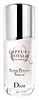
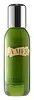
Dior Capture Totale C.E.L.L. ENERGY - Super Potent Age-Defying Intense Serum Versus La Mer The Revitalizing Hydrating Serum
This anti-aging serum is formulated around Niacinamide and Squalane to soften the look of wrinkles and strengthen the skin barrier.
This hydrating serum is formulated around Hydrogenated Lecithin and Acetyl Hexapeptide-8 to hydrate skin and strengthen the skin barrier.


What's inside
What's inside
 Key Ingredients
Benefits
Concerns
Ingredients Side-by-side
Water
Skin ConditioningGlycerin
Humectant


Niacinamide
Smoothing









Butylene Glycol
Humectant
Squalane
Emollient
Limnanthes Alba Seed Oil
Skin Conditioning


Pentylene Glycol
Skin Conditioning
Alcohol
Antimicrobial



Propanediol
Solvent
Betaine
Humectant
Diglycerin
Humectant
Lauroyl Lysine
Skin Conditioning
PEG-8
HumectantAframomum Angustifolium Seed Extract
Skin ConditioningPaeonia Lactiflora Root Extract
Skin ConditioningLilium Candidum Bulb Extract
Skin ConditioningJasminum Officinale Flower Extract
Masking

Sodium Surfactin
CleansingSodium Acetylated Hyaluronate
Humectant
Hydrolyzed Soy Protein
Humectant
Ascorbyl Glucoside
Antioxidant

Sodium Tocopheryl Phosphate
Antioxidant
Adenosine
Skin Conditioning
Xylitol
Humectant
Trehalose
Humectant
Palmaria Palmata Extract
Skin ProtectingSodium Hyaluronate
Humectant
Hydroxyethyl Acrylate/Sodium Acryloyldimethyl Taurate Copolymer
Emulsion StabilisingBoron Nitride
Absorbent
Caprylyl Glycol
Emollient
Hydrogenated Lecithin
Emulsifying
Parfum
Masking
Chlorphenesin
Antimicrobial
Alcaligenes Polysaccharides
EmollientPolysorbate 60
Emulsifying
Sorbitan Isostearate
Emulsifying
CI 14700
Cosmetic ColorantCI 60730
Cosmetic ColorantSodium Benzoate
Masking
Potassium Sorbate
Preservative
Tocopherol
Antioxidant
Water, Glycerin, Niacinamide, Butylene Glycol, Squalane, Limnanthes Alba Seed Oil, Pentylene Glycol, Alcohol, Propanediol, Betaine, Diglycerin, Lauroyl Lysine, PEG-8, Aframomum Angustifolium Seed Extract, Paeonia Lactiflora Root Extract, Lilium Candidum Bulb Extract, Jasminum Officinale Flower Extract, Sodium Surfactin, Sodium Acetylated Hyaluronate, Hydrolyzed Soy Protein, Ascorbyl Glucoside, Sodium Tocopheryl Phosphate, Adenosine, Xylitol, Trehalose, Palmaria Palmata Extract, Sodium Hyaluronate, Hydroxyethyl Acrylate/Sodium Acryloyldimethyl Taurate Copolymer, Boron Nitride, Caprylyl Glycol, Hydrogenated Lecithin, Parfum, Chlorphenesin, Alcaligenes Polysaccharides, Polysorbate 60, Sorbitan Isostearate, CI 14700, CI 60730, Sodium Benzoate, Potassium Sorbate, Tocopherol
Butylene Glycol
Humectant
Glycerin
Humectant
Algae Extract
EmollientBis-PEG-12 Dimethicone
Emollient
Hydrogenated Lecithin
Emulsifying
Caprylic/Capric Triglyceride
Masking
Sucrose
Humectant
Limnanthes Alba Seed Oil
Skin Conditioning
Sesamum Indicum Seed Oil
Emollient
Medicago Sativa Seed Powder
Skin ConditioningHelianthus Annuus Seedcake
Abrasive
Prunus Amygdalus Dulcis Seed Meal
Abrasive
Eucalyptus Globulus Leaf Oil
Perfuming
Sodium Gluconate
Skin ConditioningCopper Gluconate
Skin Conditioning
Calcium Gluconate
HumectantMagnesium Gluconate
Skin ConditioningZinc Gluconate
Skin Conditioning
Tocopheryl Succinate
Antioxidant
Niacin
SmoothingSesamum Indicum Seed Powder
Skin ConditioningCitrus Aurantifolia Peel Extract
Cleansing
Commiphora Mukul Resin Extract
Skin ConditioningCodium Tomentosum Extract
Skin ProtectingPolygonum Cuspidatum Root Extract
Antioxidant
Vitis Vinifera Seed Extract
Antimicrobial
Humulus Lupulus Extract
AntimicrobialCitrus Reticulata Peel Extract
Skin ConditioningAsparagopsis Armata Extract
Skin ProtectingSalicornia Herbacea Extract
Skin ConditioningAlcaligenes Polysaccharides
EmollientGlucose
Humectant
Porphyridium Cruentum Extract
Skin ConditioningSigesbeckia Orientalis Extract
Skin ConditioningSqualane
Emollient
Cholesterol
Emollient
Caffeine
Skin Conditioning
Undaria Pinnatifida Extract
Skin ConditioningAscophyllum Nodosum Extract
Skin ConditioningLaminaria Digitata Extract
Skin Protecting
Sea Salt
Abrasive
Castanea Sativa Seed Extract
Skin ConditioningPlankton Extract
Skin ConditioningGlycine Soja Seed Extract
Skin Conditioning
Acetyl Hexapeptide-8
Humectant
Trehalose
Humectant
Lactoperoxidase
StabilisingDimethicone
Emollient
Lecithin
Emollient
Dipotassium Glycyrrhizate
Humectant
Glycine Soja Protein
EmulsifyingRosmarinus Officinalis Leaf Extract
AntimicrobialPunica Granatum Fruit Juice
MaskingGlucose Oxidase
StabilisingLinolenic Acid
Cleansing
Hydrolyzed Rice Extract
Skin Conditioning
Laminaria Saccharina Extract
Skin ProtectingFaex Extract
Skin ConditioningAcetyl Glucosamine
Skin Conditioning
Bisabolol
Antioxidant
Glycosaminoglycans
EmollientEthylhexylglycerin
Skin ConditioningSodium PCA
Humectant
Tourmaline
Linoleic Acid
Cleansing
Sorbitol
Humectant
Urea
Buffering
Tocopheryl Acetate
Antioxidant
Pentylene Glycol
Skin Conditioning
Sodium Hyaluronate
Humectant
Polyquaternium-51
Skin Conditioning
Ethylbisiminomethylguaiacol Manganese Chloride
Antioxidant
Hydroxypropyl Cyclodextrin
MaskingMagnesium Ascorbyl Phosphate
Antioxidant
Nordihydroguaiaretic Acid
Antioxidant
Sodium Hydroxide
BufferingAlcohol Denat.
Antimicrobial
Carbomer
Emulsion StabilisingXanthan Gum
EmulsifyingPotassium Sorbate
Preservative
Parfum
Masking
Disodium EDTA
BHT
Antioxidant
Phenoxyethanol
Preservative
Amyl Cinnamal
Perfuming
Hexyl Cinnamal
Perfuming
Benzyl Benzoate
Antimicrobial
Citronellol
Perfuming
Limonene
Perfuming
Coumarin
Perfuming
Linalool
Perfuming
CI 42090
Cosmetic ColorantCI 14700
Cosmetic ColorantButylene Glycol, Glycerin, Algae Extract, Bis-PEG-12 Dimethicone, Hydrogenated Lecithin, Caprylic/Capric Triglyceride, Sucrose, Limnanthes Alba Seed Oil, Sesamum Indicum Seed Oil, Medicago Sativa Seed Powder, Helianthus Annuus Seedcake, Prunus Amygdalus Dulcis Seed Meal, Eucalyptus Globulus Leaf Oil, Sodium Gluconate, Copper Gluconate, Calcium Gluconate, Magnesium Gluconate, Zinc Gluconate, Tocopheryl Succinate, Niacin, Sesamum Indicum Seed Powder, Citrus Aurantifolia Peel Extract, Commiphora Mukul Resin Extract, Codium Tomentosum Extract, Polygonum Cuspidatum Root Extract, Vitis Vinifera Seed Extract, Humulus Lupulus Extract, Citrus Reticulata Peel Extract, Asparagopsis Armata Extract, Salicornia Herbacea Extract, Alcaligenes Polysaccharides, Glucose, Porphyridium Cruentum Extract, Sigesbeckia Orientalis Extract, Squalane, Cholesterol, Caffeine, Undaria Pinnatifida Extract, Ascophyllum Nodosum Extract, Laminaria Digitata Extract, Sea Salt, Castanea Sativa Seed Extract, Plankton Extract, Glycine Soja Seed Extract, Acetyl Hexapeptide-8, Trehalose, Lactoperoxidase, Dimethicone, Lecithin, Dipotassium Glycyrrhizate, Glycine Soja Protein, Rosmarinus Officinalis Leaf Extract, Punica Granatum Fruit Juice, Glucose Oxidase, Linolenic Acid, Hydrolyzed Rice Extract, Laminaria Saccharina Extract, Faex Extract, Acetyl Glucosamine, Bisabolol, Glycosaminoglycans, Ethylhexylglycerin, Sodium PCA, Tourmaline, Linoleic Acid, Sorbitol, Urea, Tocopheryl Acetate, Pentylene Glycol, Sodium Hyaluronate, Polyquaternium-51, Ethylbisiminomethylguaiacol Manganese Chloride, Hydroxypropyl Cyclodextrin, Magnesium Ascorbyl Phosphate, Nordihydroguaiaretic Acid, Sodium Hydroxide, Alcohol Denat., Carbomer, Xanthan Gum, Potassium Sorbate, Parfum, Disodium EDTA, BHT, Phenoxyethanol, Amyl Cinnamal, Hexyl Cinnamal, Benzyl Benzoate, Citronellol, Limonene, Coumarin, Linalool, CI 42090, CI 14700
Reviews
Ingredients Explained
These ingredients are found in both products.
Ingredients higher up in an ingredient list are typically present in a larger amount.
We don't have a description for Alcaligenes Polysaccharides yet.
Butylene Glycol (or BG) is used within cosmetic products for a few different reasons:
Overall, Butylene Glycol is a safe and well-rounded ingredient that works well with other ingredients.
Though this ingredient works well with most skin types, some people with sensitive skin may experience a reaction such as allergic rashes, closed comedones, or itchiness.
Learn more about Butylene GlycolCi 14700, also known as Red No. 4, is a synthetic red dye derived from petroleum. It is water soluble.
Glycerin (or glycerol) is a compound naturally found in your skin. It's a powerhouse humectant that pulls water into the stratum corneum.
Topically, glycerin does several things at once:
Your skin makes glycerin on its own (mostly from sebaceous oil breakdown) and shuttles it to your outermost layer of skin, or your epidermis, via aquaporin-3.
Aquaporin-3 is a transporter that is essential for normal skin hydration, elasticity, and repair. Interestingly, mice lacking in AQP3 have dry and less elastic skin that can be fully corrected with glycerin.
This ingredient is non-irritating, plays well with almost every ingredient, and works across all skin types. Typical use is anywhere between 3-10% but can go up to 79% in some leave-on products.
Just know very high concentrations (>40%) can feel tacky in low humidity.
Glycerin is the name for this ingredient in American English. British English uses Glycerol/Glycerine.
Learn more about GlycerinHydrogenated Lecithin is a more stable version of lecithin.
It's made by taking lecithin (a phospholipid commonly found in soybeans and egg yolks) and hydrogenating it. This just means the unsaturated fatty acids are turned into saturated ones so they don't go bad as easily.
This ingredient is an emollient, emulsifier, and penetration enhancer. As an emollient, it helps soften and hydrate skin by trapping moisture within. As an emulsifier, it prevents oil and water ingredients from separating.
Hydrogenated Lecithin can form tiny spherical structures made of phospholipid bilayers called liposomes. These liposomes are able to capture compounds inside their structure and deliver them through the skin barrier.
Because phospholipids are a natural component of our cell membranes, this ingredient is inherently compatible with skin.
A 2021 study found lecithin-based surfactants were less harsh and more tolerable comared to Sodium Lauryl Sulfate (SLS).
Learn more about Hydrogenated LecithinLimnanthes Alba Seed Oil is from the seeds of the meadowfoam plant. It is a skin conditioning agent and emollient that sits on top of skin to soften and hydrate it.
Over 98% of the oil is made up of long-chain fatty acids, mostly aachidic acid (61%), docosenoic acid (~16%), and docosadienoic acid (~18%).
This combination is not really found in any other plant oil and is the reason this is one of the most stable botanical oils available.
Some studies show it to be more stable than jojoba oil, helps a product resist going rancid, and can help extend the shelf life of a formula.
It also naturally contains vitamin E and phytosterols that give it a mild antioxidant benefit.
This ingredient is typically used from around 1% to fairly high levels since it's gentle; it's well-tolerated and low on the irritation scale.
Learn more about Limnanthes Alba Seed OilParfum is a catch-all term for an ingredient or more that is used to give a scent to products.
Also called "fragrance", this ingredient can be a blend of hundreds of chemicals or plant oils. This means every product with "fragrance" or "parfum" in the ingredients list is a different mixture.
For instance, Habanolide is a proprietary trade name for a specific aroma chemical. When used as a fragrance ingredient in cosmetics, most aroma chemicals fall under the broad labeling category of “FRAGRANCE” or “PARFUM” according to EU and US regulations.
The term 'parfum' or 'fragrance' is not regulated in many countries. In many cases, it is up to the brand to define this term.
For instance, many brands choose to label themselves as "fragrance-free" because they are not using synthetic fragrances. However, their products may still contain ingredients such as essential oils that are considered a fragrance by INCI standards.
One example is Calendula flower extract. Calendula is an essential oil that still imparts a scent or 'fragrance'.
Depending on the blend, the ingredients in the mixture can cause allergies and sensitivities on the skin. Some ingredients that are known EU allergens include linalool and citronellol.
Parfum can also be used to mask or cover an unpleasant scent.
The bottom line is: not all fragrances/parfum/ingredients are created equally. If you are worried about fragrances, we recommend taking a closer look at an ingredient. And of course, we always recommend speaking with a professional.
Learn more about ParfumPentylene Glycol (1,2-pentanediol) is a multitasking little diol with three main roles in a formula:
Research on alkanediols (the family pentylene glycol belongs to) show they work by disrupting microbial cell membranes. This disruption helps the primary preservative system in a product work more effectively at lower doses.
On the safety side, the Cosmetic Ingredient Review Expert Panel has concluded this ingredient to be safe as used in current cosmetic practices + concentrations.
Typical use levels in a formula run about 1-5%.
Learn more about Pentylene GlycolPotassium Sorbate is a preservative used to prevent yeast and mold in products. It is commonly found in both cosmetic and food products.
This ingredient comes from potassium salt derived from sorbic acid. Sorbic acid is a natural antibiotic and effective against fungus.
Both potassium sorbate and sorbic acid can be found in baked goods, cheeses, dried meats, dried fruit, ice cream, pickles, wine, yogurt, and more.
You'll often find this ingredient used with other preservatives.
Learn more about Potassium SorbateSodium Hyaluronate is the salt form of hyaluronic acid. It is a long sugar chain that is naturally found in your skin, joints, and connective tissue that maintains hydration and elasticity.
In skincare, it works as a humectant. It pulls water from the environment and deeper layers of skin and binds it to the surface.
Interestingly, the size of the molecule affects its behavior:
Some clinical evidence links low molecular weight versions to improved wrinkle depth, elasticity, anti-inflammatory effects, and barrier repair.
Many serums use a blend of both weights so you can get surface hydration plus longer-lasting and deeper effects.
You'll typically see concentrations between 0.1-2% for this ingredient.
Learn more about Sodium HyaluronateSqualane is the hydrogenated and shelf-stable form of squalene (a lipid that naturally occurs in human sebum).
It is an emollient and skin conditioning agent that is able to integrate seamlessly into the skin's lipid barrier without clogging pores.
This is due to how structurally similar it is to what your skin already produces.
Though it is mostly an emollient that helps soften and hydrate skin, it also has some humectant and occlusive action. Humectants help the skin retain moisture while occlusives seal it in, making squalane a triple-threat moisturizer.
Research shows it has antioxidant capabilities that help protect against stressors like UV exposure, specifically UVA induced oxidative stress. This study also found that it supports collagen biosynthesis in human dermal fibroblasts.
No clinical study has reported significant adverse effects and irritation reactions are very rare from this ingredient (even at 100% concentration).
Overall, it's a fantastic ingredient for hydration and is suitable for all skin types.
This depends on the source. Squalane can be derived from both plants and animals. Most squalane used in skincare comes from plants.
Please note: the source of squalane is only known if disclosed by the brand. We recommend reaching out to the brand if you have any questions about their squalane.
Read more about squalene with an "e".
Though squalane is often called an oil, it’s technically not one. It is a hydrocarbon, meaning it is only made of carbon and hydrogen. True oils are triglycerides and made of fatty acids and glycerol.
The term “oil-free” isn’t regulated so companies can define it however they want. Some exclude all oils, while others just avoid mineral oil or comedogenic oils.
Squalane has a comedogenic rating of 1 from the original 1972 study that tested raw ingredients under occlusion on rabbit ears. This system is not standardized or peer-reviewed, and using the raw ingredients is very different from how diluted cosmetic formulations are used on human skin.
A comedogenic rating of 1 means it is "unlikely to clog pores" according to the original rating system.
The overall formula of a product matters more than the individual ingredients on whether or not it will cause clogged pores.
Learn more about SqualaneTrehalose is a disaccharide made of two glucose molecules (glucose is sugar!). Trehalose is used to help moisturize skin. It also has antioxidant properties.
As a humectant, trehalose helps draw moisture from the air to your skin. This helps keep your skin hydrated.
Due to its antioxidant properties, trehalose may help with signs of aging. Antioxidants help fight free-radical molecules, unstable molecules that may damage your skin.
In medicine, trehalose and hyaluronic acid are used to help treat dry eyes.
Some animals, plants, and bacteria create trehalose as a source of energy to survive freeze or lack of water.
Learn more about Trehalose

