This calming moisturizer is formulated around Butyrospermum Parkii Butter and Simmondsia Chinensis Seed Oil to calm redness and hydrate skin.
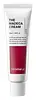
This barrier-repair moisturizer is formulated around Niacinamide and Asiaticoside to strengthen the skin barrier and calm redness.

What's inside
What's inside
 Key Ingredients
Benefits
Concerns
Ingredients Side-by-side
Water
Skin ConditioningGlycerin
Humectant


Caprylic/Capric Triglyceride
Masking
Cyclopentasiloxane
Emollient
Cetyl Alcohol
Emollient



Glyceryl Stearate
Emollient
Cetyl Ethylhexanoate
EmollientButyrospermum Parkii Butter
Skin Conditioning

Simmondsia Chinensis Seed Oil
Emollient
Stearic Acid
Cleansing
Butylene Glycol
Humectant
Sorbitan Sesquioleate
Emulsifying
Microcrystalline Wax
Emulsion StabilisingBetaine
Humectant
Sorbitan Stearate
Emulsifying
PEG-100 Stearate
Surfactant
Dimethicone
Emollient
Arginine
Masking
Carbomer
Emulsion StabilisingChlorphenesin
Antimicrobial
Tocopheryl Acetate
Antioxidant


Paeonia Suffruticosa Root Extract
Skin ProtectingIllicium Verum Fruit Extract
Perfuming
Nelumbium Speciosum Flower Extract
Skin ConditioningCitrus Paradisi Fruit Extract
Skin ConditioningScutellaria Baicalensis Root Extract
Astringent
Citric Acid
Buffering
Beta-Glucan
Skin Conditioning
Hydrogenated Lecithin
Emulsifying
Portulaca Oleracea Extract
Skin Conditioning
1,2-Hexanediol
Skin Conditioning
Centella Asiatica Extract
Cleansing

Aloe Barbadensis Leaf Extract
Emollient
Althaea Rosea Flower Extract
Skin ConditioningSodium Hyaluronate
Humectant
Ceramide NP
Skin Conditioning
Disodium EDTA
Polyquaternium-51
Skin Conditioning
Apium Graveolens Extract
Skin ConditioningBrassica Rapa Leaf Extract
Skin ConditioningOryza Sativa Bran Extract
Skin Conditioning
Brassica Oleracea Capitata Leaf Extract
Skin ConditioningDisodium Adenosine Triphosphate
Skin ConditioningDaucus Carota Sativa Root Extract
Skin Conditioning
Brassica Oleracea Italica Extract
AstringentSolanum Lycopersicum Fruit/Leaf/Stem Extract
AstringentLysine Hcl
Skin Conditioning
Sodium Ascorbyl Phosphate
Antioxidant

Acetyl Methionine
Skin Conditioning
Theanine
EmollientProline
Skin Conditioning
Palmitic Acid
Emollient
Arachidic Acid
Cleansing
Oleic Acid
Emollient
Sodium Hydroxide
Buffering
Algin
Masking
Carica Papaya Fruit Extract
Skin ConditioningNatto Gum
Citrus Limon Peel Oil
Masking



Lavandula Angustifolia Oil
Masking
Citrus Aurantium Dulcis Peel Oil
Masking
Pelargonium Graveolens Flower Oil
Masking
Cananga Odorata Flower Oil
Masking
Eucalyptus Globulus Leaf Oil
Perfuming
Water, Glycerin, Caprylic/Capric Triglyceride, Cyclopentasiloxane, Cetyl Alcohol, Glyceryl Stearate, Cetyl Ethylhexanoate, Butyrospermum Parkii Butter, Simmondsia Chinensis Seed Oil, Stearic Acid, Butylene Glycol, Sorbitan Sesquioleate, Microcrystalline Wax, Betaine, Sorbitan Stearate, PEG-100 Stearate, Dimethicone, Arginine, Carbomer, Chlorphenesin, Tocopheryl Acetate, Paeonia Suffruticosa Root Extract, Illicium Verum Fruit Extract, Nelumbium Speciosum Flower Extract, Citrus Paradisi Fruit Extract, Scutellaria Baicalensis Root Extract, Citric Acid, Beta-Glucan, Hydrogenated Lecithin, Portulaca Oleracea Extract, 1,2-Hexanediol, Centella Asiatica Extract, Aloe Barbadensis Leaf Extract, Althaea Rosea Flower Extract, Sodium Hyaluronate, Ceramide NP, Disodium EDTA, Polyquaternium-51, Apium Graveolens Extract, Brassica Rapa Leaf Extract, Oryza Sativa Bran Extract, Brassica Oleracea Capitata Leaf Extract, Disodium Adenosine Triphosphate, Daucus Carota Sativa Root Extract, Brassica Oleracea Italica Extract, Solanum Lycopersicum Fruit/Leaf/Stem Extract, Lysine Hcl, Sodium Ascorbyl Phosphate, Acetyl Methionine, Theanine, Proline, Palmitic Acid, Arachidic Acid, Oleic Acid, Sodium Hydroxide, Algin, Carica Papaya Fruit Extract, Natto Gum, Citrus Limon Peel Oil, Lavandula Angustifolia Oil, Citrus Aurantium Dulcis Peel Oil, Pelargonium Graveolens Flower Oil, Cananga Odorata Flower Oil, Eucalyptus Globulus Leaf Oil
Lactobacillus/Centella Asiatica Extract Ferment Filtrate
Skin ConditioningDipropylene Glycol
Humectant
Hydrogenated Polydecene
EmollientCaprylic/Capric Triglyceride
Masking
Cyclohexasiloxane
Emollient
Glycerin
Humectant
Glyceryl Stearate
Emollient
Pentaerythrityl Tetraethylhexanoate
Emollient
Niacinamide
Smoothing



Polyglyceryl-6 Distearate
Emulsifying
Cetyl Alcohol
Emollient
Dicaprylyl Ether
Emollient
Centella Asiatica Leaf Extract
Skin Conditioning
Olea Europaea Fruit Oil
Masking
Centella Asiatica Oil
Antimicrobial
Hydrolyzed Centella Asiatica Protein
HumectantAscorbyl Palmitate
Antioxidant
Ceramide NP
Skin Conditioning
Centella Asiatica Extract
Cleansing
Collagen Amino Acids
Moisturising
Sodium Starch Octenylsuccinate
AbsorbentMacadamia Ternifolia Seed Oil
Emollient
Hydrogenated Lecithin
Emulsifying
Sodium Hyaluronate
Humectant
Polyglyceryl-10 Laurate
Skin Conditioning
Beeswax
Emulsion Stabilising
Sodium Stearoyl Glutamate
CleansingPanthenol
Skin Conditioning
Hydroxyethyl Acrylate/Sodium Acryloyldimethyl Taurate Copolymer
Emulsion StabilisingMadecassic Acid
Skin Conditioning
Asiaticoside
Antioxidant
Jojoba Esters
Emollient
Butylene Glycol
Humectant
Dimethicone/Vinyl Dimethicone Crosspolymer
Skin Conditioning
Asiatic Acid
Skin Conditioning
Polyglyceryl-3 Beeswax
Emulsifying
Allantoin
Skin Conditioning
Candida/Garcinia Cambogia Ferment
Xanthan Gum
EmulsifyingAdenosine
Skin Conditioning
Sorbitan Isostearate
Emulsifying
Sodium Laurate
CleansingLauric Acid
Cleansing
Tromethamine
BufferingCitric Acid
Buffering
Glycine
Buffering
Glutamic Acid
Humectant
Arginine
Masking
1,2-Hexanediol
Skin Conditioning
Phytosphingosine
Skin Conditioning
Ethylhexylglycerin
Skin Conditioning
Water
Skin ConditioningStearyl Alcohol
Emollient
Disodium EDTA
Pelargonium Graveolens Flower Oil
Masking
Citrus Aurantium Dulcis Peel Oil
Masking
Eucalyptus Globulus Leaf Oil
Perfuming
Lavandula Angustifolia Oil
Masking
Limonene
Perfuming
Citronellol
Perfuming
Linalool
Perfuming
Geraniol
Perfuming
Lactobacillus/Centella Asiatica Extract Ferment Filtrate, Dipropylene Glycol, Hydrogenated Polydecene, Caprylic/Capric Triglyceride, Cyclohexasiloxane, Glycerin, Glyceryl Stearate, Pentaerythrityl Tetraethylhexanoate, Niacinamide, Polyglyceryl-6 Distearate, Cetyl Alcohol, Dicaprylyl Ether, Centella Asiatica Leaf Extract, Olea Europaea Fruit Oil, Centella Asiatica Oil, Hydrolyzed Centella Asiatica Protein, Ascorbyl Palmitate, Ceramide NP, Centella Asiatica Extract, Collagen Amino Acids, Sodium Starch Octenylsuccinate, Macadamia Ternifolia Seed Oil, Hydrogenated Lecithin, Sodium Hyaluronate, Polyglyceryl-10 Laurate, Beeswax, Sodium Stearoyl Glutamate, Panthenol, Hydroxyethyl Acrylate/Sodium Acryloyldimethyl Taurate Copolymer, Madecassic Acid, Asiaticoside, Jojoba Esters, Butylene Glycol, Dimethicone/Vinyl Dimethicone Crosspolymer, Asiatic Acid, Polyglyceryl-3 Beeswax, Allantoin, Candida/Garcinia Cambogia Ferment, Xanthan Gum, Adenosine, Sorbitan Isostearate, Sodium Laurate, Lauric Acid, Tromethamine, Citric Acid, Glycine, Glutamic Acid, Arginine, 1,2-Hexanediol, Phytosphingosine, Ethylhexylglycerin, Water, Stearyl Alcohol, Disodium EDTA, Pelargonium Graveolens Flower Oil, Citrus Aurantium Dulcis Peel Oil, Eucalyptus Globulus Leaf Oil, Lavandula Angustifolia Oil, Limonene, Citronellol, Linalool, Geraniol
Reviews
Ingredients Explained
These ingredients are found in both products.
Ingredients higher up in an ingredient list are typically present in a larger amount.
1,2-Hexanediol is a synthetic liquid and another multi-functional powerhouse.
It is a:
- Humectant, drawing moisture into the skin
- Emollient, helping to soften skin
- Solvent, dispersing and stabilizing formulas
- Preservative booster, enhancing the antimicrobial activity of other preservatives
Arginine is a semi-essential amino acid. This just means our bodies can product a bit on its own, but sometimes needs a little boost from food sources.
It is a part of your skin's natural moisturizing factor (NMF), or the water-loving molecules in your outermost layer of skin (stratum corneum) that keeps everything hydrated and happy.
Here's an interesting thing about Arginine: your skin converts it into urea through the Krebs-Henseleit urea cycle. Urea is one of the most effective humectants your skin naturally produces.
A clinical study showed applying 2.5% arginine hydrochloride to atopic dermatitis skin showed significant urea levels in the stratum corneum and improved moisture in just four weeks.
Arginine is also a precursor to nitric oxide; nitric oxide improves microcirculation and supports wound healing and collagen synthesis.
One study found that an amino acid complex containing Arginine reduced skin irritation, improved hydration, and accelerated skin repair in clinical / in-vivo studies.
Arginine itself is an amino acid and not a fatty acid, oil, or ester. On its own, it's not a direct food source for Malassezia, or the yeast that causes fungal acne.
Learn more about ArginineButylene Glycol (or BG) is used within cosmetic products for a few different reasons:
Overall, Butylene Glycol is a safe and well-rounded ingredient that works well with other ingredients.
Though this ingredient works well with most skin types, some people with sensitive skin may experience a reaction such as allergic rashes, closed comedones, or itchiness.
Learn more about Butylene GlycolCaprylic/Capric Triglyceride (aka MCT Oil) is a lightweight emollient, solvent, and texture enhancer. It is considered a skin-softener by helping to prevent moisture loss.
Though it behaves like an oil, it is not technically one due to its chemical composition. One perk of this ingredient is that it is very stable, resistant to oxidation, and unlikely to go rancid.
In practice, that translates to a long shelf life and a consistently elegant skin feel.
While there is an assumption Caprylic Triglyceride can clog pores due to it being derived from coconut oil, there is no research supporting this. Just patch test if you have concerns.
Fractionated coconut oil and MCT Oil are both listed as Caprylic/Capric Triglyceride according to INCI. This is because INCI names are based on the ingredient’s final chemical composition and not its marketing name or source.
This ingredient is treated as the gold standard fungal acne safe oil. Even though it is coconut derived, the problematic lauric acid is stripped out.
This leaves just caprylic (C8) and capric (C10) acid. These chain lengths actually trend antifungal; a 2020 study found caprylic acid was enough to disrupt Malassezia furfur cell membrane, with a caprylic acid derivative damaging membrane structures at concentrations as low as 0.2%.
Learn more about Caprylic/Capric TriglycerideCentella Asiatica Extract (Centella) is one of the most researched botanical extracts in skincare with decades of studies backing its effects on inflammation, collagen, and the skin barrier.
That research keeps pointing back to the same four triterpenoid saponins: Asiaticoside, Madecassoside, Asiatic Acid, and Madecassic Acid.
These compounds allow centella to dial back inflammation, encourage the skin to build and hold onto collagen, support the barrier and hydration, and bring solid antioxidant activity to protect against signs of aging.
Centella also carries a nice supporting cast of Vitamin A, vitamin C, several B vitamins, and amino acids. Put it all together and you get an ingredient that soothes, hydrates, and protects, all at once.
Most of centella's magic comes from the four big compounds (Asiaticoside, Madecassoside, Asiatic Acid, and Madecassic Acid). These are the actives doing the heavy lifting in almost every centella study.
Here is the short version of what they do in the skin:
So it is not just soothing for the sake of soothing. Centella calms the skin AND helps it rebuild.
Just FYI, not all centella on an ingredient list is the same. What you are getting actually depends on the extract:
Fun fact on the ratios: the leaves tend to be richest in Madecassoside and Asiaticoside, and lower in the two acids. The exact amounts shift with where the plant is grown and how it is processed. This means purity really does vary brand to brand.
Centella is one of the most easygoing actives out there.
It layers well with basically everything: niacinamide, hyaluronic acid, peptides, and vitamin C, and also pairs nicely with stronger actives like retinoids and exfoliating acids where it can help take the edge off irritation.
On the safety side, centella and its triterpenes are classified as weak sensitizers, meaning allergic reactions are possible but uncommon.
Patch tests at 1% and 5% came back negative in test panels, and creams at typical use levels did not cause allergic reactions across large groups of people.
But as with any new active, a patch test is still a smart move for very reactive skin.
Centella is widely used because it is effective at low percentages. For context, human safety testing found no meaningful irritation from creams containing centella extract at everyday use levels (the tested amounts were well under 1%).
The irritancy threshold in animal testing was also above 30% (so real-world formulas sit far below anything concerning).
In collagen lab studies, higher concentrations drove more collagen synthesis, so serums built around centella tend to feature it more prominently.
Bottom line: you will find centella working nicely anywhere from a fraction of a percent up to hero-ingredient levels depending on whether it is a supporting soother or the main event.
Fun fact: Centella has been used as a medicine and in food for many centuries. As a medicine, it is used to treat burns, scratches, and wounds.
Learn more about Centella Asiatica ExtractCeramide NP (formerly known as Ceramide 3) is one of the skin's naturally occurring lipids.
Since ceramides are the major lipid components of the skin, they are crucial for maintaining skin barrier and hydration. Ceramide NP most closely mirrors the dominant kind in human skin amongst ceramide subtypes.
This ceramide works by slotting into gaps within the stratum corneum's lipid matrix to limit trans-epidermal water loss (TEWL) and shield the skin against external irritants.
A study with 312 patients found that using a ceramide-containing routine for 4 weeks reduced the severity of atopic dermatitis by over 61%.
Another clinical study in subjects aged 60 and older found that a ceramide body wash and moisturizer improved skin dryness and itchy skin in 15 days.
Overall, ceramides are considered non-irritating and safety tests have found little to no observable adverse effects from using this ingredient.
Ceramide NP is usually sourced from plants (like soybean or rice bran), or produced synthetically.
Learn more about Ceramide NPCetyl Alcohol is a fatty alcohol. Fatty Alcohols are most often used as an emollient or to thicken a product.
Its main roles are:
Though it has "alcohol" in the name, it is not related to denatured alcohol or ethyl alcohol.
The FDA allows products labeled "alcohol-free" to have fatty alcohols.
This ingredient may not be fungal acne safe. It is a primary fatty alcohol with a chain length above 12 carbons. A study from 2019 show Malassezia can feed on fatty alcohols in this range, so it may trigger fungal acne in those prone to it.
Learn more about Cetyl AlcoholCitric Acid is an alpha hydroxy acid (AHA) naturally found in citrus fruits like oranges, lemons, and limes.
Like other AHAs, citric acid can exfoliate skin by breaking down the bonds that hold dead skin cells together. This helps reveal smoother and brighter skin underneath.
However, this exfoliating effect only happens at high concentrations (20%) which can be hard to find in cosmetic products.
Due to this, citric acid is usually included in small amounts as a pH adjuster. This helps keep products slightly more acidic and compatible with skin's natural pH.
In skincare formulas, citric acid can:
While it can provide some skin benefits, research shows lactic acid and glycolic acid are generally more effective and less irritating exfoliants.
Most citric acid used in skincare today is made by fermenting sugars (usually from molasses). This synthetic version is identical to the natural citrus form but easier to stabilize and use in formulations.
Rosacea skin has a lower threshold for acids generally, with 62.5% of rosacea subjects in one study reacting to lactic acid in a sting test. This is why we mark citric acid as a potential rosacea trigger.
However, this ingredient shows up as a pH adjuster or chelator at roughly 0.1-1% in many products. These low levels are unlikely to be an issue for rosacea skin and becomes a potential trigger at exfoliating concentrations (20%). Because everybody's skin is unique, we recommend a patch test if you are unsure.
Learn more about Citric AcidCitrus Aurantium Dulcis Peel Oil is oil from the peel of an orange fruit.
Limonene and linalool make up the majority of oils from citrus peels. Limonene has a "citrus" fragrance. Citrus peels also contain flavonoids, which have anti-inflammatory properties.
Citrus peel is also a rich source of flavonoids. Flavonoids are natural antioxidants and help protect your skin against damage. Flavonoids are a group of compounds naturally found in vegetables and fruits.
The term 'fragrance' is not regulated in many countries. In many cases, it is up to the brand to define this term. For instance, many brands choose to label themselves as "fragrance-free" because they are not using synthetic fragrances. However, their products may still contain ingredients such as essential oils that are considered a fragrance.
Learn more about Citrus Aurantium Dulcis Peel OilDisodium EDTA is a chelating agent. It grabs onto and deactivates metal ions that sneak into your products from water, packaging, or air.
This ingredient mainly works behind the scenes and helps with:
On top of that, this ingredient can counteract the effects of hard water by binding to the minerals in it.
One thing worth knowing is that Disodium EDTA has been shown to be a mild penetration enhancer. It can help other ingredients absorb into skin more effectively which can be a double-edged sword (great for actives, but can also make the active too strong if you have sensitive skin).
Clinical patch testing showed no significant skin irritation at typical use concentrations and minimal dermal absorption.
You'll most likely see this ingredient near the end of an ingredient list. It's typically found in concentrations less than 1%.
Learn more about Disodium EDTAThis oil is derived from the leaves of Eucalyptus Globulus, a type of Eucalyptus tree native to Australia.
Though this oil shows antibacterial and antioxidant activity, it is also a known skin-irritant due to its fragrance components.
Glycerin (or glycerol) is a compound naturally found in your skin. It's a powerhouse humectant that pulls water into the stratum corneum.
Topically, glycerin does several things at once:
Your skin makes glycerin on its own (mostly from sebaceous oil breakdown) and shuttles it to your outermost layer of skin, or your epidermis, via aquaporin-3.
Aquaporin-3 is a transporter that is essential for normal skin hydration, elasticity, and repair. Interestingly, mice lacking in AQP3 have dry and less elastic skin that can be fully corrected with glycerin.
This ingredient is non-irritating, plays well with almost every ingredient, and works across all skin types. Typical use is anywhere between 3-10% but can go up to 79% in some leave-on products.
Just know very high concentrations (>40%) can feel tacky in low humidity.
Glycerin is the name for this ingredient in American English. British English uses Glycerol/Glycerine.
Learn more about GlycerinGlyceryl Stearate is made by reacting glycerin with stearic acid (typically sourced from plant oils like palm or coconut). It's an emulsifier, emollient, and mild occlusive.
Emulsifiers help ingredients like oil and water stay mixed so your formula stays nicely blended and uniform in texture.
This ingredient is typically used in concentrations between 1-10%. Studies have found it to be non-sensitizing, non-phototoxic, and non-photoallergenic.
A close cousin of this ingredient is Glyceryl Stearate SE ("self-emulsifying"). This just has a small amount of sodium or potassium stearate added so it can emulsify without a co-emulsifier.
Since this ingredient is an ester of a C18 fatty acid, it may not be fungal acne safe. The Malassezia yeast can potentially metabolize within the C11-C24 range.
Fun fact: The human body also creates Glyceryl Stearate naturally.
Learn more about Glyceryl StearateHydrogenated Lecithin is a more stable version of lecithin.
It's made by taking lecithin (a phospholipid commonly found in soybeans and egg yolks) and hydrogenating it. This just means the unsaturated fatty acids are turned into saturated ones so they don't go bad as easily.
This ingredient is an emollient, emulsifier, and penetration enhancer. As an emollient, it helps soften and hydrate skin by trapping moisture within. As an emulsifier, it prevents oil and water ingredients from separating.
Hydrogenated Lecithin can form tiny spherical structures made of phospholipid bilayers called liposomes. These liposomes are able to capture compounds inside their structure and deliver them through the skin barrier.
Because phospholipids are a natural component of our cell membranes, this ingredient is inherently compatible with skin.
A 2021 study found lecithin-based surfactants were less harsh and more tolerable comared to Sodium Lauryl Sulfate (SLS).
Learn more about Hydrogenated LecithinLavandula Angustifolia Oil is more commonly known as lavender essential oil. It is considered a fragrancing ingredient.
Lavender imparts a famous scent. While the smell is lovely, this ingredient and may sensitize skin in topical products. This is because about 85% of the oil is made up of linalool and linalyl acetate.
When exposed to air, these two compounds become strong allergens. This ingredient exhibits cytotoxicity at low concentrations; amounts of 0.25% have been shown to damage skin cells.
A study from Japan found this ingredient caused lavender sensitivity after widespread exposure.
Lavender essential oil has some antimicrobial, antibacterial, and anti-inflammatory properties. However, the cons of this ingredient may outweight the pros.
More research is needed to confirm lavender essential oil's effects when used in aromatherapy.
Lavandula Angustifolia is known as the English Lavender and famous for creating purple fields in Provence, France.
Learn more about Lavandula Angustifolia OilPelargonium Graveolens Flower Oil is the pressed oil of the Rose Geranium plant. It is volatile, meaning it evaporates off the skin.
Fragrant components of Rose Geranium include citronellol and geraniol. These may cause allergies and skin-sensitivity. We recommend speaking with a professional if you have any concerns.
The scent of Rose Geranium closely resembles traditional roses.
Learn more about Pelargonium Graveolens Flower OilSodium Hyaluronate is the salt form of hyaluronic acid. It is a long sugar chain that is naturally found in your skin, joints, and connective tissue that maintains hydration and elasticity.
In skincare, it works as a humectant. It pulls water from the environment and deeper layers of skin and binds it to the surface.
Interestingly, the size of the molecule affects its behavior:
Some clinical evidence links low molecular weight versions to improved wrinkle depth, elasticity, anti-inflammatory effects, and barrier repair.
Many serums use a blend of both weights so you can get surface hydration plus longer-lasting and deeper effects.
You'll typically see concentrations between 0.1-2% for this ingredient.
Learn more about Sodium HyaluronateWater. It's the most common cosmetic ingredient of all. You'll usually see it at the top of ingredient lists, meaning that it makes up the largest part of the product.
So why is it so popular? Water most often acts as a solvent - this means that it helps dissolve other ingredients into the formulation.
You'll also recognize water as that liquid we all need to stay alive. If you see this, drink a glass of water. Remember to stay hydrated!
Learn more about Water

